



Table of Contents
Introduction
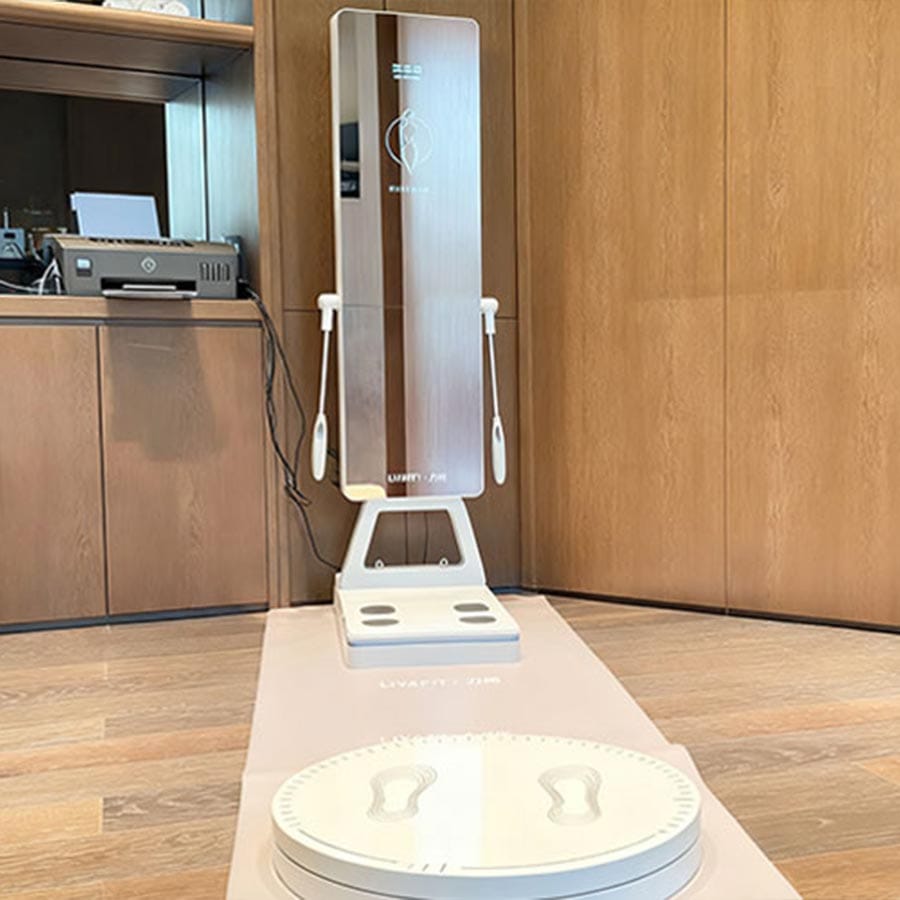
The fitness and healthcare industries are undergoing a major transformation driven by data and precision. Traditional weight scales are no longer enough to meet the growing demand for accurate health insights. Instead, the commercial body analyzer has become a key solution for gyms, wellness centers, and clinics aiming to deliver professional body composition assessments.
As a commercial body analyzer manufacturer, we continuously observe how fitness businesses are shifting toward smarter, technology-driven equipment. This blog is created to help industry buyers, gym owners, and distributors understand why this equipment has become essential and how it contributes to better business performance and customer satisfaction.
What Is a Commercial Body Analyzer?
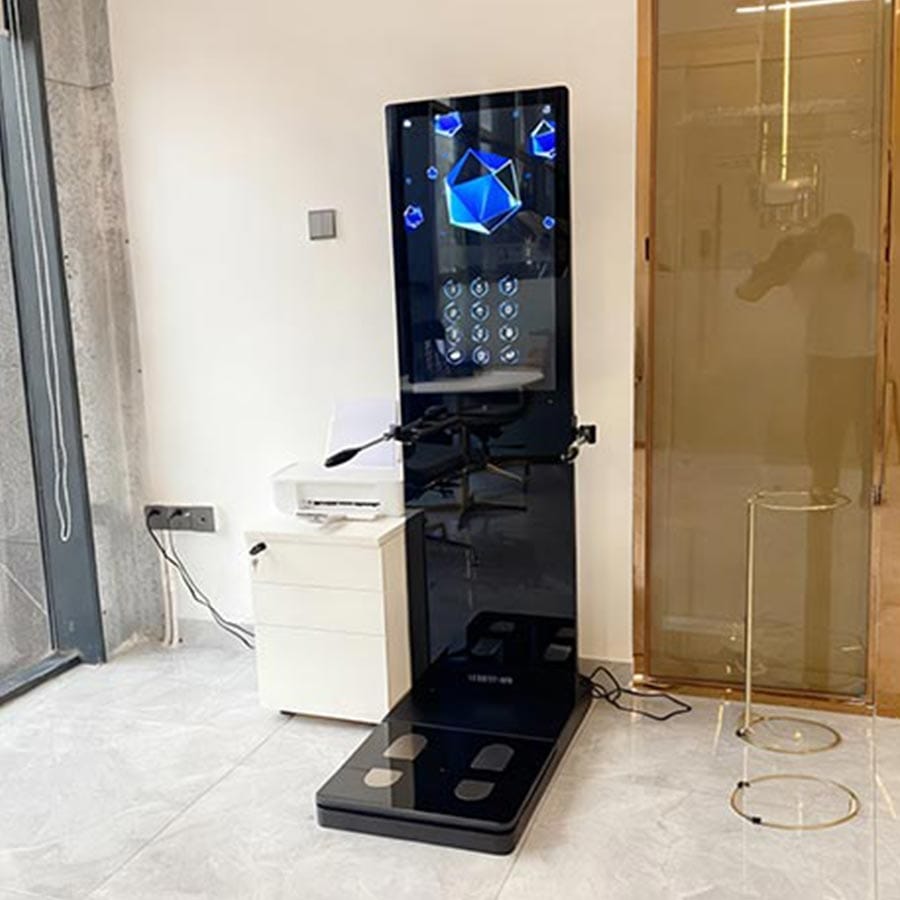
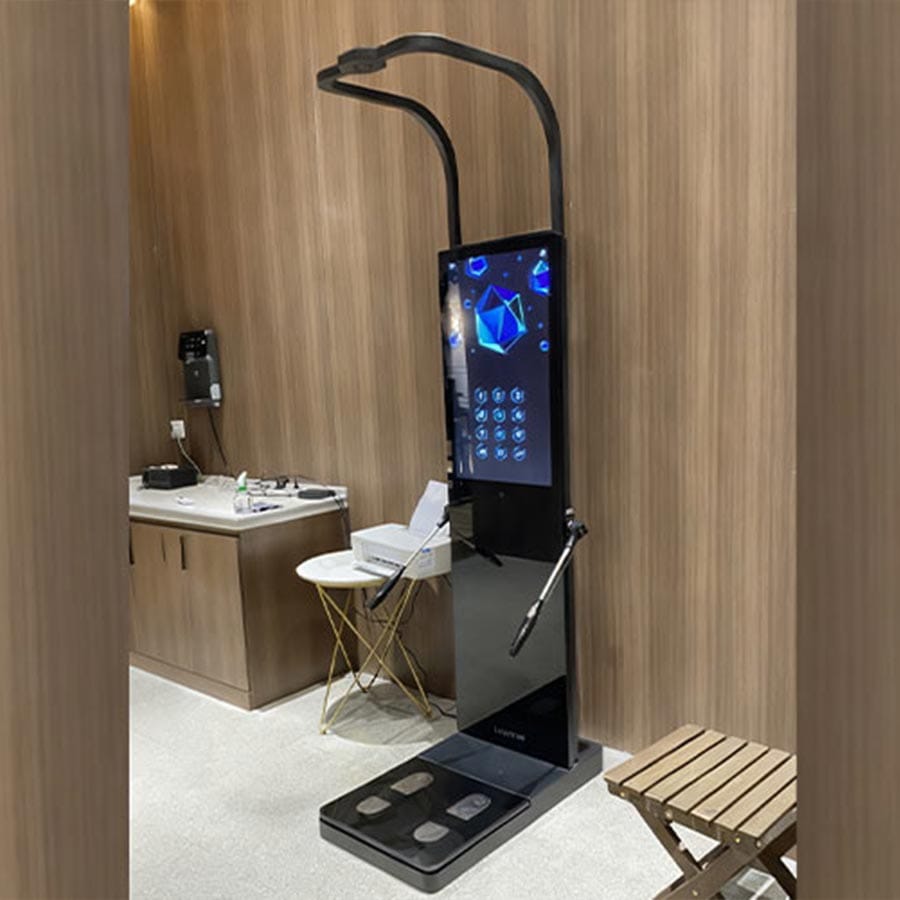
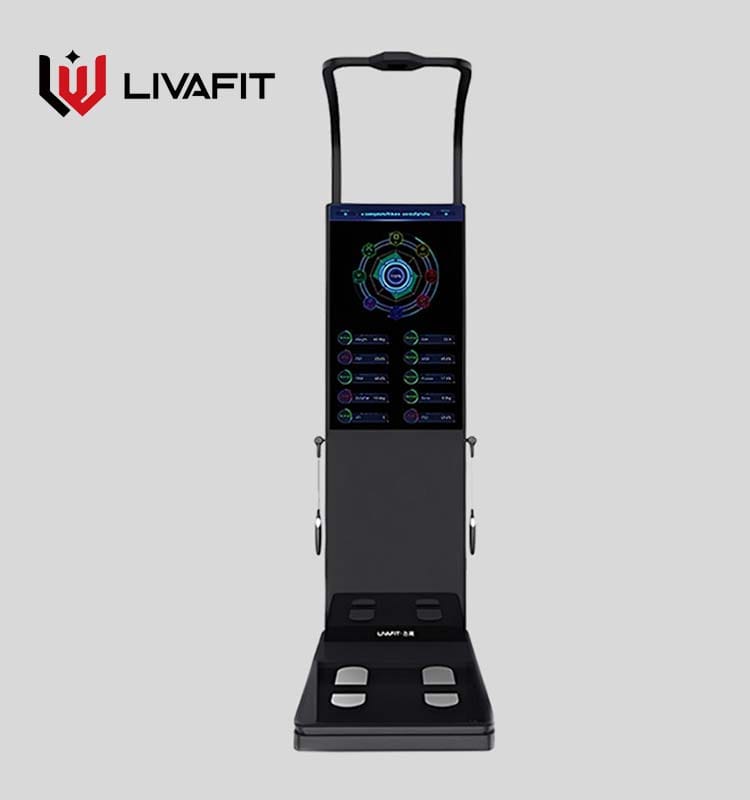
A commercial body analyzer is a professional-grade device designed to measure detailed body composition data beyond simple body weight. Unlike traditional scales, a commercial body composition analyzer machine provides a full breakdown of health indicators.
These devices are widely used in gyms, fitness studios, hospitals, and wellness centers to evaluate physical condition and track progress over time.
Key measurements typically include:
- Body fat percentage
- Muscle mass
- Body water level
- Bone mass
- Basal metabolic rate (BMR)
- BMI (Body Mass Index)
Bioelectrical Impedance Technology (BIA)
Most modern commercial body analyzers use Bioelectrical Impedance Analysis (BIA). This technology sends a low-level electrical signal through the body to estimate composition based on resistance levels in different tissues.
Key Output Metrics Explained
Each measurement helps professionals design more accurate fitness or medical plans, improving both performance tracking and health management.
How Commercial Body Analyzers Work in Real Applications
In real-world use, a commercial body analyzer is simple yet highly effective. Users step onto the machine, hold the sensors, and within seconds receive a detailed body composition report.
In fitness centers, the workflow typically includes:
- Member check-in
- Baseline body assessment
- Regular tracking sessions
- Progress comparison reports
In clinics or wellness centers, the system is often integrated into broader health assessments, supporting doctors and practitioners in evaluating patient conditions more accurately.
Why Gyms and Clinics Depend on Body Composition Analysis
Modern gyms are no longer just training spaces—they are data-driven fitness ecosystems. A commercial body composition analyzer helps facilities move from guesswork to precision-based programming.
Gyms and clinics rely on these devices because they:
- Improve training personalization
- Provide measurable progress tracking
- Increase client engagement
- Support health risk monitoring
- Strengthen professional credibility
Client Retention Strategy
One of the strongest advantages is retention. When members can clearly see fat loss or muscle gain trends, they are more motivated to continue training programs.
Professional Health Reporting
Clinics benefit from structured reports that enhance communication with patients and improve treatment planning.
Benefits of Using a Commercial Body Composition Analyzer
| Feature | Benefit for Gyms | Benefit for Clinics |
|---|---|---|
| High accuracy measurement | Reliable fitness tracking | Medical-grade assessment support |
| Fast testing process | Handles high member traffic | Efficient patient evaluation |
| Multi-user data storage | Member progress tracking | Long-term health monitoring |
| Digital reporting system | Improves engagement | Supports clinical documentation |
| Durable commercial design | Long-term equipment use | Stable daily operation |
Beyond measurement accuracy, these systems improve operational efficiency and create new revenue opportunities for fitness businesses.
Commercial Body Analyzer vs Traditional Scales
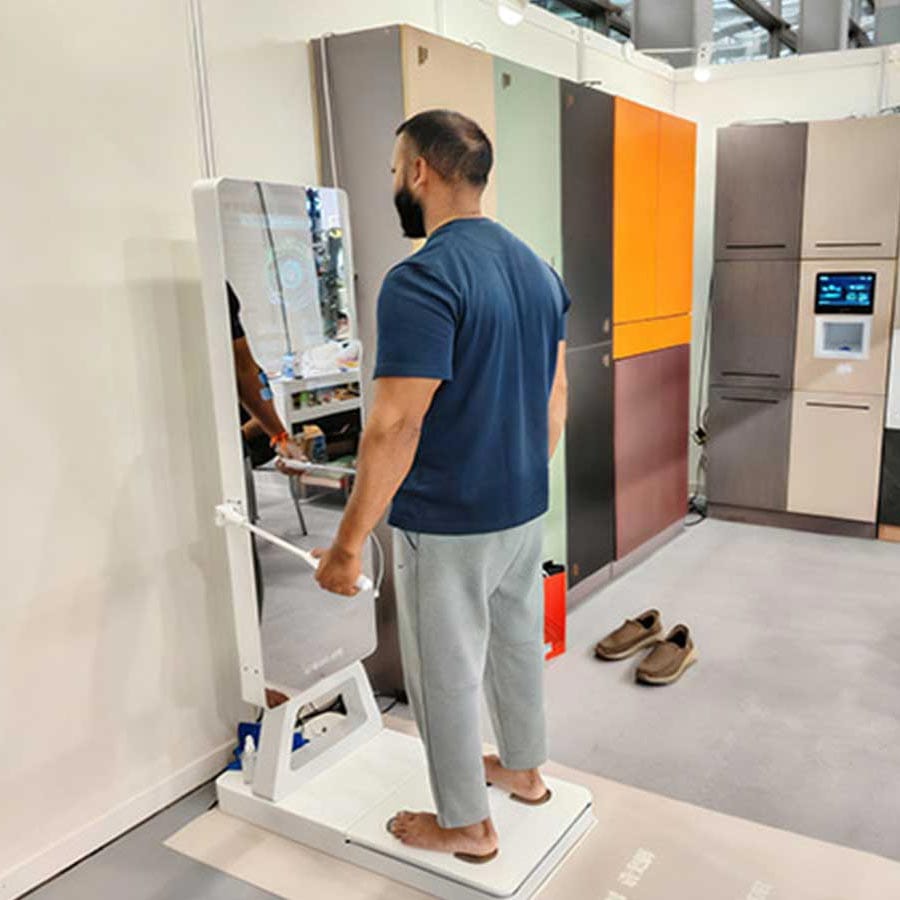
Traditional weight scales only show total body weight, which provides limited insight. In contrast, a commercial body analyzer machine delivers a complete picture of body health.
Key differences include:
- Weight scale: single metric (weight only)
- Body analyzer: multi-dimensional health data
Why this matters:
- Weight alone cannot distinguish fat vs muscle
- Body composition helps design better fitness programs
- Accurate data improves customer satisfaction
Key Features to Look for in a Commercial Body Analyzer Machine
When selecting a professional device, several features determine long-term performance and usability:
- High measurement accuracy and stable sensors
- User-friendly interface with fast operation
- Multi-language support for global users
- Software compatibility for data management systems
- Cloud-based storage and reporting capabilities
- Strong durability for continuous commercial use
Smart Connectivity Features
Modern systems often include app integration, cloud dashboards, and real-time data synchronization, making fitness tracking more efficient.
Commercial Body Analyzer Manufacturer Perspective (Why Direct Factory Matters)
From a manufacturing standpoint, quality control and technology development are critical. As a commercial body analyzer manufacturer, we focus on precision engineering, calibration consistency, and production reliability.
Working directly with a manufacturer provides several advantages:
- Competitive factory pricing
- OEM/ODM customization options
- Faster product development cycles
- Strict quality inspection processes
Custom Branding Solutions
Businesses can request private labeling, interface customization, and tailored software solutions to match their brand identity.
Quality Control in Production
Each unit undergoes calibration testing and performance verification to ensure consistent accuracy across all devices.
Commercial Body Analyzer for Sale: What Buyers Should Know
For distributors and gym equipment suppliers, purchasing a commercial body composition analyzer for sale involves more than price comparison.
Important considerations include:
- Manufacturing reliability
- Calibration accuracy standards
- After-sales support capability
- Software update availability
- Bulk order pricing structure
Wholesale vs OEM Models
- Wholesale: ready-made units for fast distribution
- OEM: fully customized branding and system integration
Choosing the right model depends on business strategy and market positioning.
Applications in Fitness Centers, Hospitals, and Wellness Industries
Commercial body analyzers are widely used across multiple sectors:
- Fitness gyms for member tracking
- Personal training studios for program optimization
- Hospitals for health assessments
- Rehabilitation centers for recovery monitoring
- Corporate wellness programs for employee health management
Gym Membership Growth Strategy
Gyms that use body composition data often achieve higher retention because members can clearly visualize their progress.
Preventive Healthcare Applications
Clinics use body composition analysis to identify early health risks and improve long-term wellness planning.
Conclusion
The demand for commercial body analyzers continues to grow as gyms and clinics shift toward data-driven health management. These devices provide far more value than traditional measurement tools by delivering accurate, actionable body composition insights.
From a commercial body analyzer manufacturer perspective, the focus is not only on producing high-precision equipment but also on supporting global fitness businesses with scalable, customizable solutions.
Investing in a commercial body composition analyzer machine helps fitness centers improve member engagement, increase retention, and enhance professional credibility. As the industry evolves, businesses that adopt advanced body analysis technology will maintain a strong competitive advantage in the global wellness market.
FAQ
What is a commercial body analyzer used for?
A commercial body analyzer is used to measure detailed body composition data such as body fat, muscle mass, water levels, and BMI. It is commonly used in gyms, fitness centers, hospitals, and wellness clinics for professional health assessment and progress tracking.
How accurate is a commercial body composition analyzer?
A high-quality commercial body composition analyzer provides reliable and repeatable results when used correctly. While results may vary slightly based on hydration and usage conditions, professional-grade devices are designed for consistent and stable measurements in commercial environments.
What does a commercial body analyzer measure?
A commercial body analyzer typically measures body fat percentage, muscle mass, bone mass, body water, BMI, and basal metabolic rate (BMR). These metrics help fitness professionals and healthcare providers create more accurate training and wellness programs.
Why do gyms use commercial body analyzers?
Gyms use commercial body analyzers to improve member engagement, track fitness progress, and provide personalized training plans. Clear body composition data helps increase motivation and improves client retention rates.
What should I consider when buying a commercial body analyzer?
When purchasing a commercial body analyzer, consider measurement accuracy, software functionality, durability, user interface, and whether the manufacturer offers OEM or customization options. These factors are important for long-term business use and ROI.