

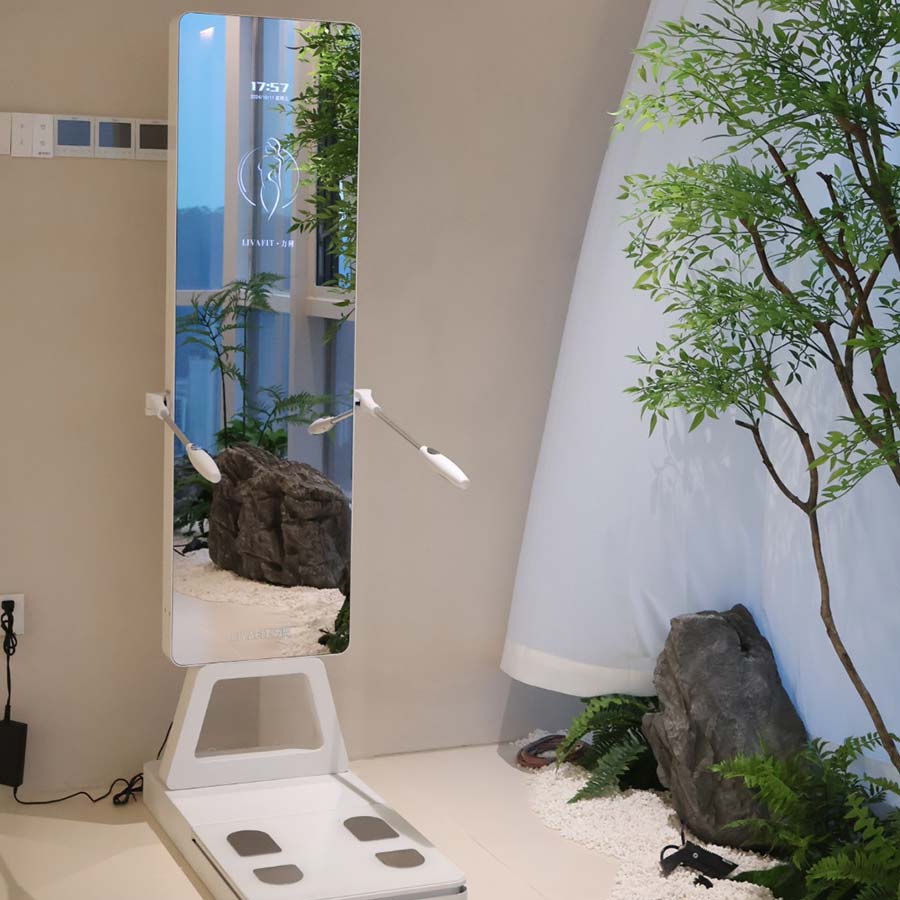
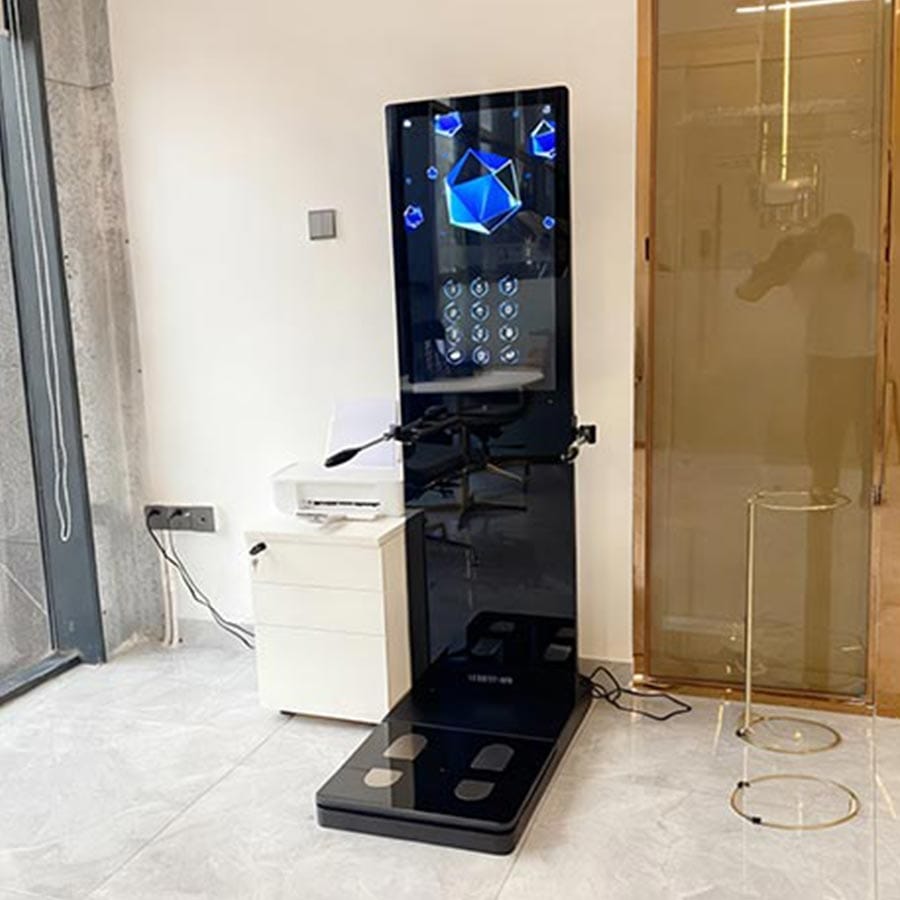
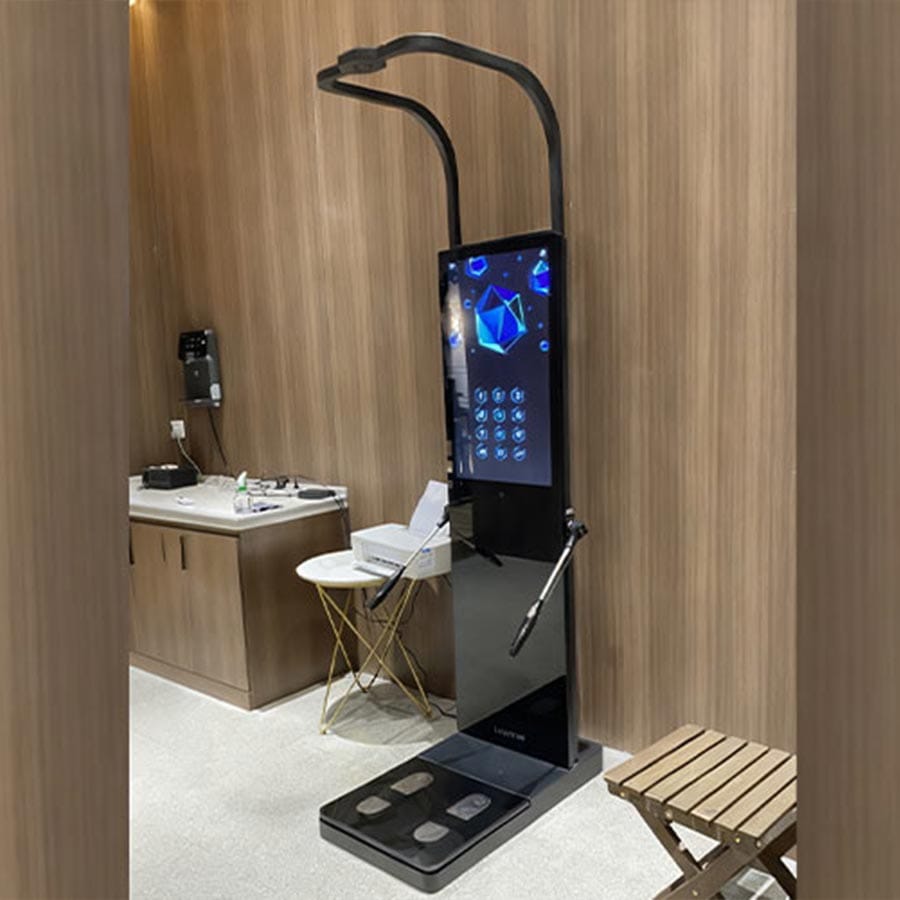
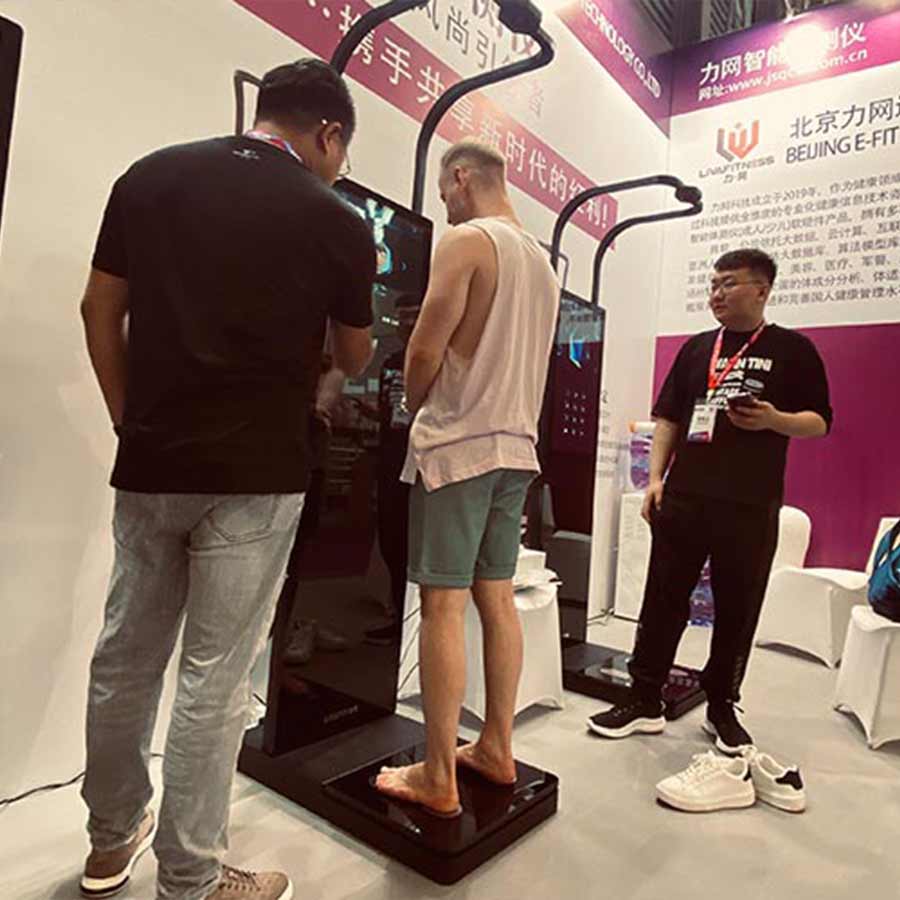
A 3D body scanner is becoming an increasingly valuable tool for fitness centers, wellness clinics, body shaping studios, rehabilitation facilities, and health management businesses. While traditional body composition analysis helps users understand fat, muscle, body water, and metabolic indicators, 3D body scanning adds something many clients immediately understand: visual body data.
For many users, numbers alone are not enough. They may not fully understand what body fat percentage means, why body circumference changes matter, or why posture imbalance affects training results. But when they can see body shape changes, posture differences, and visual progress over time, the assessment becomes easier to understand and more motivating.
This is why more commercial fitness and wellness businesses are interested in combining body composition analysis with visual body assessment. A 3D body scanner can help turn a simple body check into a professional consultation experience, giving trainers, consultants, and health managers a stronger way to explain results and recommend services.
Table of Contents
What Is a 3D Body Scanner?
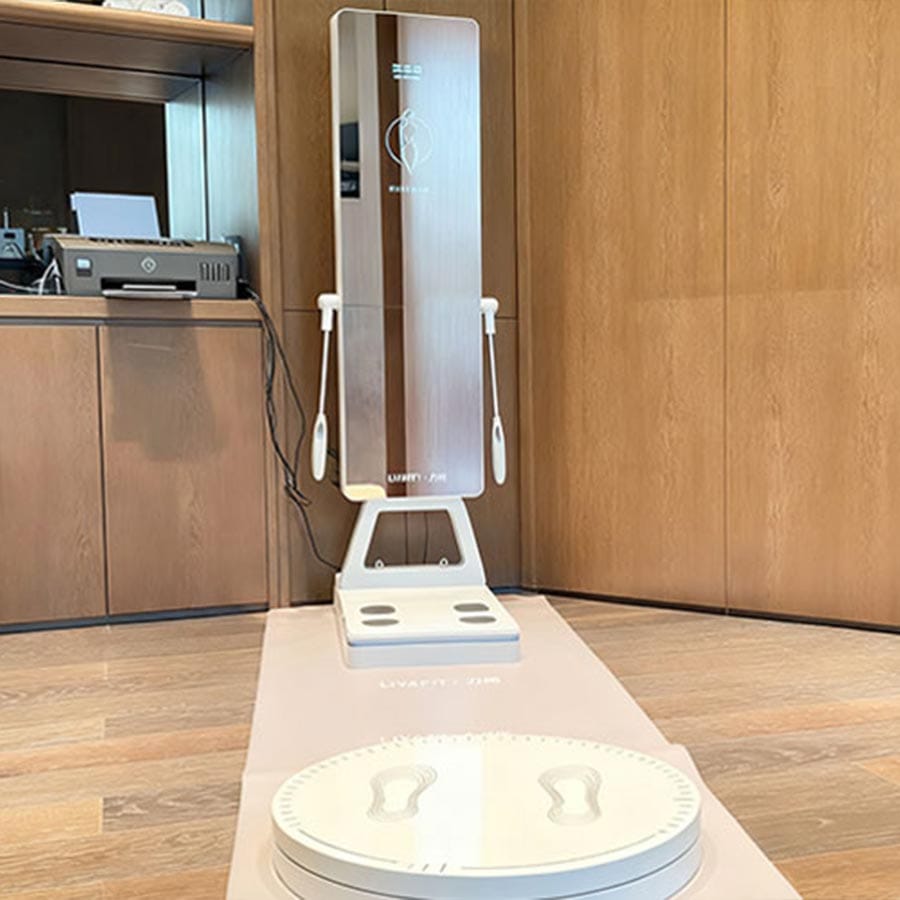
A 3D body scanner is a device or system that captures the external shape of the human body and creates a digital body model or visual assessment report. In commercial fitness and wellness environments, it is often used to measure body shape, body circumference, posture-related indicators, and visual changes over time.
3D scanning technology is widely used in many industries to capture the shape and dimensions of objects or bodies. A general explanation of the technology can be found through 3D scanning, which describes how real-world objects can be digitally captured and represented.
In fitness and wellness applications, a 3D body scanner may help show:
| Assessment Area | Why It Matters |
|---|---|
| Body shape | Helps users visually understand body changes |
| Circumference measurements | Tracks waist, hip, chest, arms, and legs |
| Posture indicators | Supports posture and movement-related consultations |
| Progress comparison | Shows before-and-after visual changes |
| Body symmetry | Helps identify left-right differences |
| Weight management progress | Adds visual context beyond body weight |
| Training results | Helps users see changes from fitness programs |
| Consultation reports | Supports professional client communication |
Unlike a basic scale, a 3D body scanner helps users see progress from multiple angles. This makes it especially useful in businesses where visual motivation and client engagement are important.
Why Visual Body Data Matters to Fitness and Wellness Clients
Many clients struggle to stay motivated because they cannot clearly see progress. Body weight may change slowly. The mirror may feel subjective. Clothing fit may improve, but the client may not know why. This often leads to frustration, even when a training or wellness program is working.
A 3D body scanner helps solve this problem by creating a more visual progress record.
For example, a client may complete four weeks of training and see only a small change in body weight. Without visual data, the client may think the program is not effective. But a 3D body scan may show waist circumference reduction, better body shape, improved posture alignment, or more balanced body proportions.
This can change the conversation from:
“I only lost a little weight.”
To:
“Your waist measurement improved, your body shape changed, and your posture indicators look better than your first scan.”
That kind of visual feedback can improve trust, motivation, and retention.
3D Body Scanner vs Body Composition Analyzer
A 3D body scanner and a body composition analyzer are not the same tool, but they can work very well together.
A body composition analyzer focuses more on internal body indicators such as body fat, muscle mass, body water, and basal metabolic rate. A 3D body scanner focuses more on external body shape, circumference, posture, and visual comparison.
| Feature | 3D Body Scanner | Body Composition Analyzer |
| Main focus | External body shape and visual data | Internal body composition indicators |
| Common measurements | Circumference, posture, body shape | Fat, muscle, water, BMI, BMR |
| Best for | Visual progress and body shape tracking | Health, fitness, and nutrition assessment |
| Client understanding | Very easy to visualize | Requires explanation |
| Consultation value | Strong for body shaping and posture | Strong for fat loss, muscle gain, and wellness |
| Best result | Used with body composition data | Used with visual body data |
For commercial use, the strongest solution is often not choosing one over the other. It is combining both.
Luofit’s body analyzer product range includes models designed for commercial body composition analysis, intelligent reports, body shape assessment, and multi-scenario applications. For businesses that want to create a more complete assessment experience, this combination can be more persuasive than using weight or BMI alone.
How a 3D Body Scanner Improves Client Engagement
Client engagement is one of the biggest challenges for gyms, wellness centers, and body management businesses. Many users start with strong motivation, but motivation can decrease when they do not see fast or obvious results.
A 3D body scanner can improve engagement in several practical ways.
| Engagement Challenge | How 3D Body Scanning Helps |
| Clients rely only on weight | Shows body shape and circumference progress |
| Clients lose motivation | Provides visual before-and-after comparison |
| Trainers struggle to explain progress | Makes results easier to communicate |
| Members do not return for follow-up | Creates a reason for repeat assessments |
| Programs feel generic | Supports personalized recommendations |
| Clients do not understand posture issues | Makes posture-related findings more visible |
| Sales conversations feel vague | Adds report-based consultation value |
The most important point is that visual data feels personal. When clients see their own body model, progress chart, or posture comparison, they are more likely to pay attention and take the next step.
Where a 3D Body Scanner Creates the Most Business Value
A 3D body scanner can be useful in many commercial settings, but the value depends on the service model.
Fitness Centers
Gyms can use 3D body scanning during member onboarding, body transformation programs, personal training consultations, and monthly progress reviews. It helps trainers explain changes that may not appear clearly on the scale.
For example, a member may gain muscle while reducing body fat, causing body weight to remain similar. A visual report can help show body shape progress and reduce frustration.
Personal Training Studios
Personal training studios can use visual assessment to support customized coaching. If a client wants fat loss, posture improvement, or body shaping, the trainer can use scan results to show baseline condition and track progress over time.
Wellness Clinics
Wellness clinics can use a 3D body scanner as part of body management, lifestyle guidance, and health consultation services. It helps make assessment reports more understandable for clients who may not be familiar with technical body composition metrics.
Body Shaping and Beauty Centers
Body shaping centers often need visual evidence of progress. Circumference data, body shape comparison, and visual reports can help clients understand treatment or program results more clearly.
Rehabilitation and Posture Centers
Rehabilitation and posture-related facilities can use visual assessment to explain body alignment, shoulder balance, pelvic tilt, or other posture-related issues. This helps clients better understand why certain corrective exercises or therapy plans are recommended.
Luofit’s service solutions cover gyms, clinics, rehabilitation centers, nutrition centers, beauty agencies, and other professional health assessment scenarios.
What Clients Actually Want From a 3D Body Scan
Many businesses focus too much on the technology and forget what clients really want. Most clients are not looking for complicated technical data. They want answers to simple questions:
| Client Question | How a 3D Body Scanner Helps Answer It |
| Is my body changing? | Shows visual progress comparison |
| Am I losing inches? | Tracks circumference changes |
| Is my posture improving? | Displays posture-related indicators |
| Why does my weight stay the same? | Adds visual context beyond scale weight |
| Is my training plan working? | Compares body shape and measurement trends |
| What should I improve next? | Supports targeted recommendations |
| Should I continue the program? | Provides visible evidence of progress |
This is why report design matters. A good 3D body scan report should not only look advanced. It should help the client understand progress quickly and help staff explain the next action clearly.
Key Features to Look for in a Commercial 3D Body Scanner
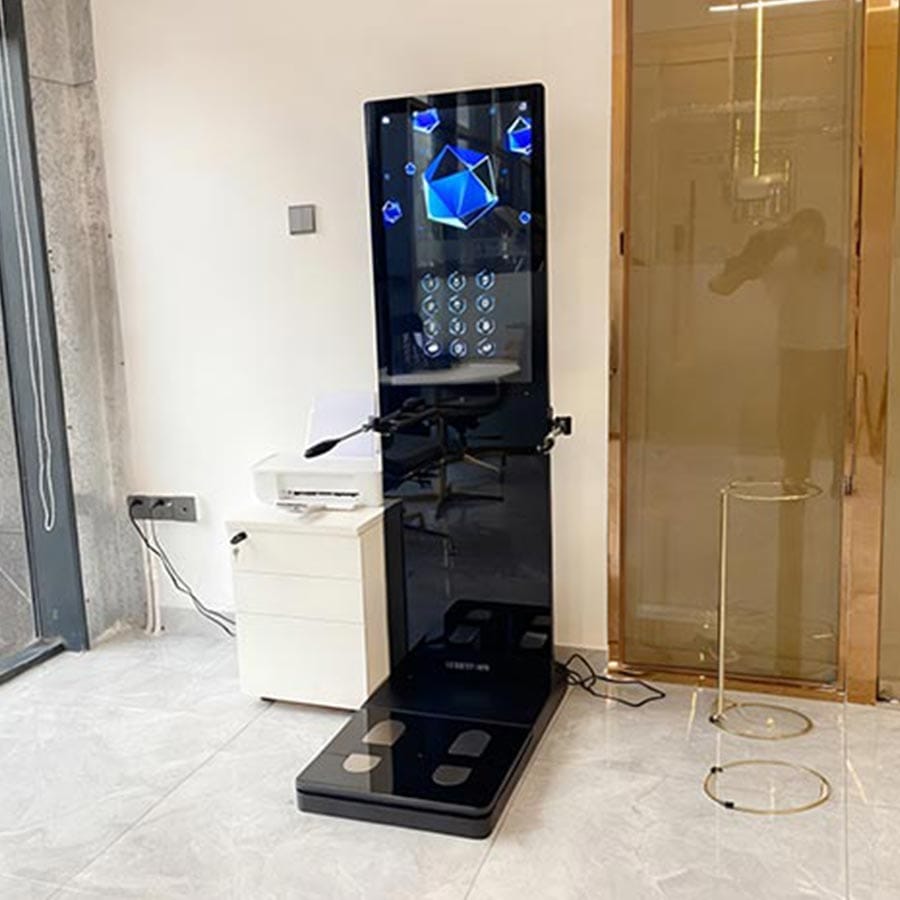
When choosing a 3D body scanner for commercial use, buyers should evaluate both technical features and business workflow.
| Feature | Why It Matters |
| Fast scanning process | Reduces waiting time and improves user experience |
| Clear body shape visualization | Makes reports easier for clients to understand |
| Circumference measurement | Supports body shaping and progress tracking |
| Posture assessment | Adds value for fitness, Pilates, yoga, and rehabilitation |
| Historical comparison | Helps show long-term progress |
| Report export options | Supports consultation, printing, and digital sharing |
| Easy interface | Reduces staff training difficulty |
| Data management | Helps businesses manage repeat clients |
| Commercial durability | Suitable for frequent daily use |
| Supplier support | Important for installation, training, and after-sales service |
For businesses that need a professional assessment solution with body composition analysis, body shape assessment, body circumference measurement, intelligent reports, and commercial application support, the Body Analyzer LW-880 is a strong model to evaluate.
For facilities that want body impedance analysis combined with AI-powered posture risk assessment, the Body Analyzer LW-770 can support fitness centers, health clinics, rehabilitation institutions, and wellness programs.
How to Use 3D Body Scanning in Member Onboarding
The first assessment is one of the most important moments in the customer journey. A 3D body scanner can make onboarding feel more professional and personalized.
A simple onboarding workflow can include:
| Step | Action | Purpose |
| 1 | Ask about the client’s goals | Understand motivation |
| 2 | Complete body composition and 3D scan | Establish baseline data |
| 3 | Explain 3–5 key results | Avoid information overload |
| 4 | Connect results to a plan | Make the service feel personalized |
| 5 | Schedule the next scan | Create a follow-up habit |
For fitness centers, this can improve personal training conversion. For wellness clinics, it can support long-term health management. For body shaping centers, it can create a clearer before-and-after comparison.
The key is to make the scan part of a consultation, not just a standalone test.
How 3D Body Scanning Supports Posture and Movement Programs
Posture is a growing concern for many clients, especially those who sit for long hours, train unevenly, or experience poor movement habits. A 3D body scanner with posture-related assessment can help professionals explain body alignment in a more visual way.
Possible posture-related indicators may include:
| Posture Area | Consultation Value |
| Shoulder balance | Helps explain upper-body alignment |
| Head and neck position | Supports posture education |
| Pelvic alignment | Useful for movement and corrective training |
| Spine-related visual posture | Helps clients understand body position |
| Left-right balance | Supports personalized exercise planning |
| Leg alignment | Useful for lower-body movement discussions |
Posture assessment should be explained carefully. It should not be presented as a medical diagnosis unless used by qualified professionals in an appropriate clinical context. In fitness and wellness businesses, it is best used as a visual education and consultation tool.
For clients interested in improving posture, movement, and training habits, visual reports can make the problem easier to understand and the recommended plan more persuasive.
Combining 3D Body Scanning With Body Composition Analysis
The best client experience often comes from combining visual body data with body composition indicators.
For example:
| Situation | Body Composition Data | 3D Body Scan Data | Better Explanation |
| Weight stays the same | Muscle increases, fat decreases | Waist shape improves | The program is working despite stable weight |
| Client wants body shaping | Fat mass and muscle data | Circumference changes | Shows both internal and external progress |
| Posture program | Segmental balance | Posture visual report | Explains alignment and movement focus |
| Weight management | Body fat percentage | Body shape comparison | Builds confidence through visible progress |
| Rehabilitation support | Muscle balance indicators | Body alignment data | Supports progress tracking |
This combined approach helps staff create a stronger consultation. It also reduces misunderstanding because clients can connect numbers with visuals.
A general overview of body composition concepts can be supported by the CDC’s explanation of BMI and its limitations, especially when explaining why body weight alone may not fully represent physical condition.
3D Body Scanner Reports: What a Good Report Should Include
A professional report should be clear, visual, and action-oriented. It should not overwhelm the user with excessive technical terms.
A good 3D body scanner report should include:
| Report Element | Why It Matters |
| Visual body model | Helps users immediately understand their body shape |
| Circumference data | Tracks measurable body changes |
| Progress comparison | Shows before-and-after results |
| Posture indicators | Supports body alignment consultation |
| Summary score or key findings | Helps staff explain results quickly |
| Historical trend | Encourages repeat visits |
| Practical recommendations | Connects data to service plans |
| Export or sharing option | Improves user experience |
The report should lead to a next step. That next step may be a training plan, posture correction program, nutrition consultation, body shaping package, wellness follow-up, or repeat assessment.
Without a next step, the scan becomes interesting but not commercially useful. With a clear consultation workflow, it becomes a conversion tool.
How Often Should Clients Use a 3D Body Scanner?
The best scanning frequency depends on the service model. Daily scanning is usually unnecessary because body shape and circumference changes take time. For most fitness and wellness programs, repeated scans every few weeks are more meaningful.
| Program Type | Suggested Scanning Rhythm |
| New member onboarding | Baseline scan at the beginning |
| Fitness transformation | Every 4–6 weeks |
| Body shaping program | Before, midpoint, and after program cycle |
| Posture improvement | Every 4–8 weeks depending on plan |
| Wellness follow-up | During scheduled consultation visits |
| Rehabilitation support | Based on professional program needs |
The goal is to show trends, not create anxiety over small daily changes.
Physical activity and lifestyle improvement require consistency. The WHO’s guidance on physical activity can be useful for businesses that want to educate clients about long-term movement habits and health-oriented activity.
Common Mistakes Businesses Should Avoid
A 3D body scanner can improve client engagement, but only when it is used correctly.
Mistake 1: Using the Scan Without Consultation
A scan alone does not create value. Staff should explain the report and connect results to a plan.
Mistake 2: Overloading Clients With Data
Too many numbers can confuse clients. Focus on the results most relevant to the client’s goal.
Mistake 3: Comparing Clients Against Each Other
Body scan data should be used for personal progress tracking, not public comparison.
Mistake 4: Ignoring Privacy
Body shape data is personal. Businesses should provide a comfortable scanning area and handle reports carefully.
Mistake 5: Scanning Too Frequently
Frequent scanning may create unnecessary stress. Trend-based scanning is usually more meaningful.
Mistake 6: Choosing Equipment Without a Workflow
Before buying a 3D body scanner, businesses should know where it will be placed, who will operate it, how reports will be explained, and how follow-ups will be scheduled.
Buyer Checklist Before Choosing a 3D Body Scanner
Before contacting a supplier, prepare your business requirements. This helps the manufacturer recommend a better solution.
| Information to Prepare | Example |
| Business type | Gym, wellness center, clinic, body shaping studio, rehabilitation center |
| Main use case | Body shape tracking, posture analysis, member onboarding, wellness consultation |
| Expected scanning volume | Daily, weekly, or appointment-based |
| Report preference | Printed report, digital report, mobile report |
| Space conditions | Reception area, private room, consultation zone |
| Staff users | Trainers, consultants, therapists, health managers |
| Client goals | Fat loss, posture improvement, body shaping, wellness tracking |
| Data management needs | Historical reports, cloud data, member records |
| Custom needs | OEM/ODM, branding, software adaptation, distributor cooperation |
Businesses comparing models can start from Luofit’s professional body analyzer products or submit project requirements through the Contact Us page.
How a 3D Body Scanner Helps Generate More Inquiries
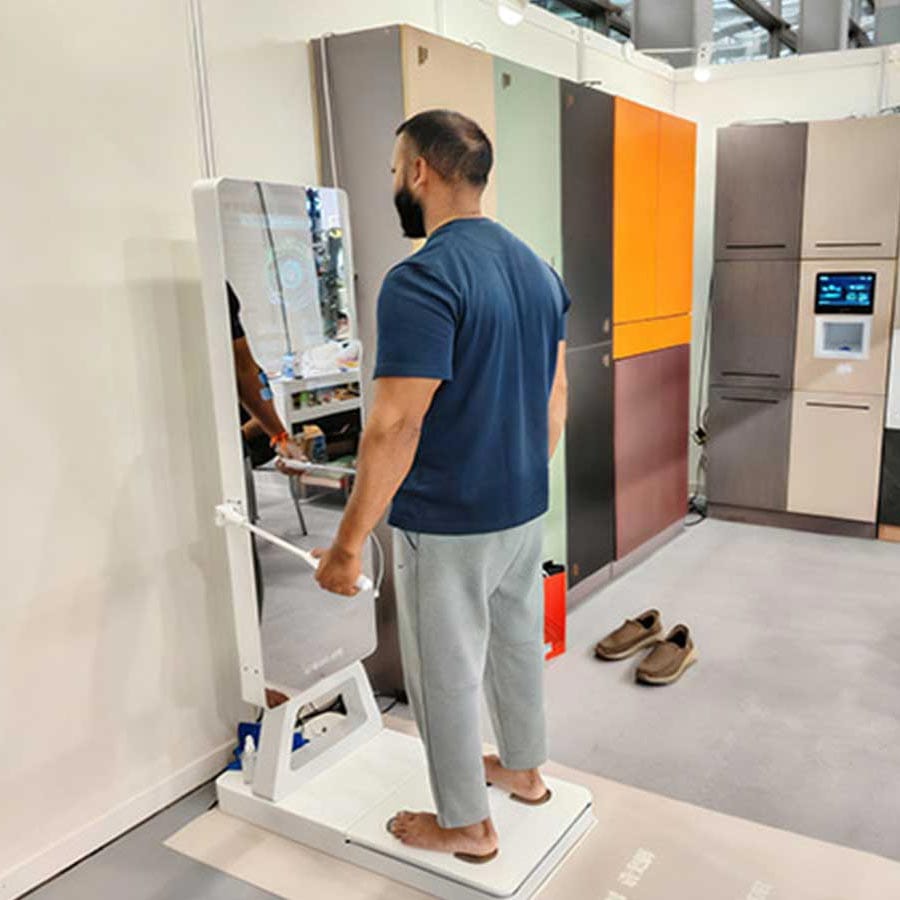
From an SEO and business perspective, a 3D body scanner attracts buyers with strong commercial intent. People searching for this keyword may be gym owners, wellness clinic operators, body shaping center buyers, rehabilitation service providers, or equipment distributors.
These buyers are not only looking for information. Many are comparing solutions.
A strong 3D body scanner article should therefore guide readers from education to inquiry. It should explain why visual body data matters, how the system fits different business models, and which features to compare before purchasing.
Internal links are important because they help interested readers move from article content to product pages and inquiry forms. For Luofit, useful conversion paths include:
Body Analyzer LW-880 for comprehensive body composition, body shape, and intelligent report applications.
Body Analyzer LW-770 for body impedance analysis and AI-powered posture risk assessment.
Product Range for buyers who want to compare multiple models.
Contact Us for gyms, clinics, distributors, and project buyers who need model recommendations or cooperation details.
Conclusion
A 3D body scanner can help fitness and wellness businesses create a more visual, engaging, and professional assessment experience. It allows clients to see body shape changes, circumference progress, posture-related indicators, and long-term visual trends that a regular scale cannot show.
For gyms, it can support onboarding, personal training sales, and retention. For wellness clinics, it can improve consultation quality. For body shaping centers, it can provide clearer before-and-after evidence. For rehabilitation and posture programs, it can make alignment and movement issues easier to explain.
The best results come when 3D body scanning is combined with body composition analysis, clear reports, standardized workflows, and professional staff guidance.
Explore Luofit’s body analyzer product range to compare commercial assessment solutions, or contact Luofit through the Contact Us page to discuss 3D body scanning, body composition analysis, OEM/ODM cooperation, and application needs.
FAQ
What is a 3D body scanner used for?
A 3D body scanner is used to capture body shape, circumference, posture-related data, and visual progress. In fitness and wellness businesses, it helps clients understand body changes more clearly.
Is a 3D body scanner the same as a body composition analyzer?
No. A 3D body scanner focuses on visual body shape and measurements, while a body composition analyzer focuses on fat, muscle, water, BMI, and related body indicators. Many businesses use both together.
Who should buy a 3D body scanner?
Gyms, personal training studios, wellness clinics, body shaping centers, rehabilitation facilities, and equipment distributors can benefit from a commercial 3D body scanner.
How often should clients take a 3D body scan?
Most businesses use 3D body scanning every 4–6 weeks for fitness and body transformation programs. The best schedule depends on the service type and client goals.
Can a 3D body scanner help improve client retention?
Yes. Visual progress reports give clients a clearer reason to continue training, attend follow-ups, and stay engaged with long-term programs.