

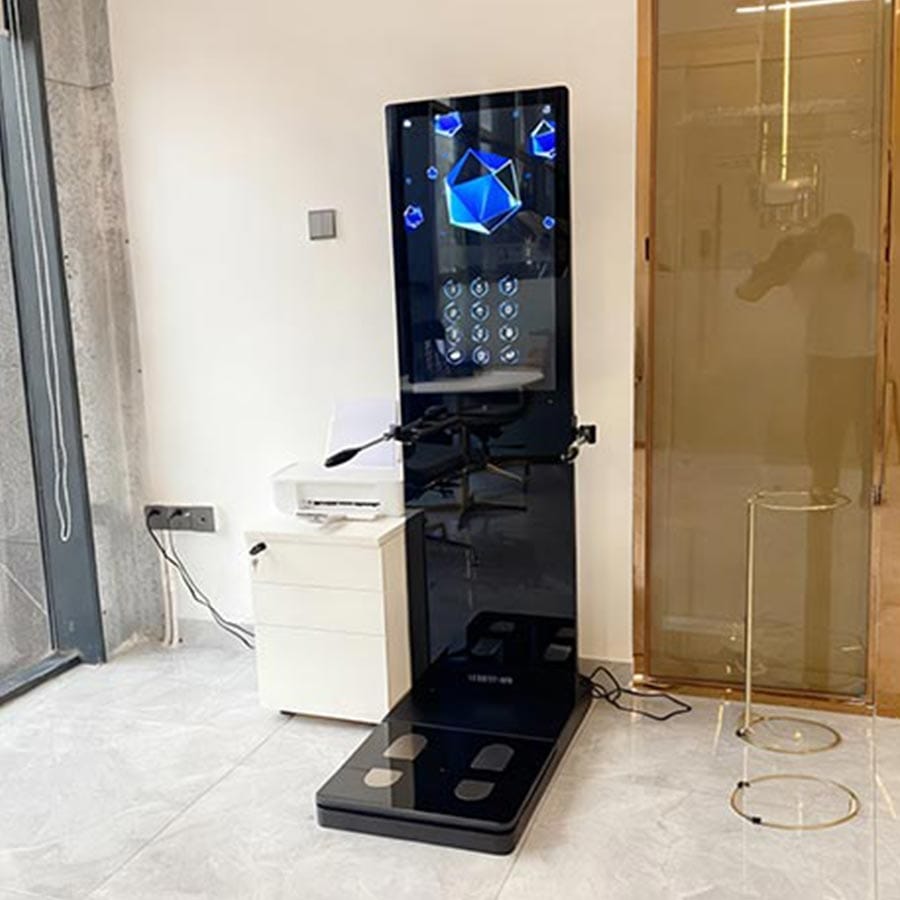
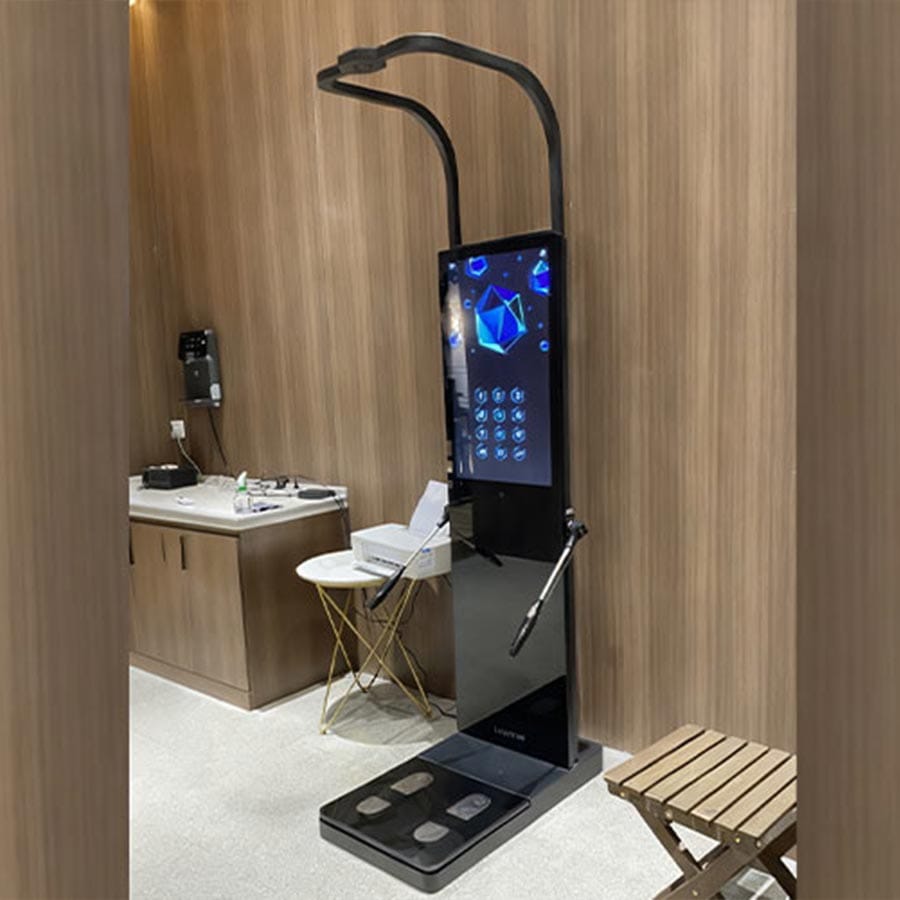
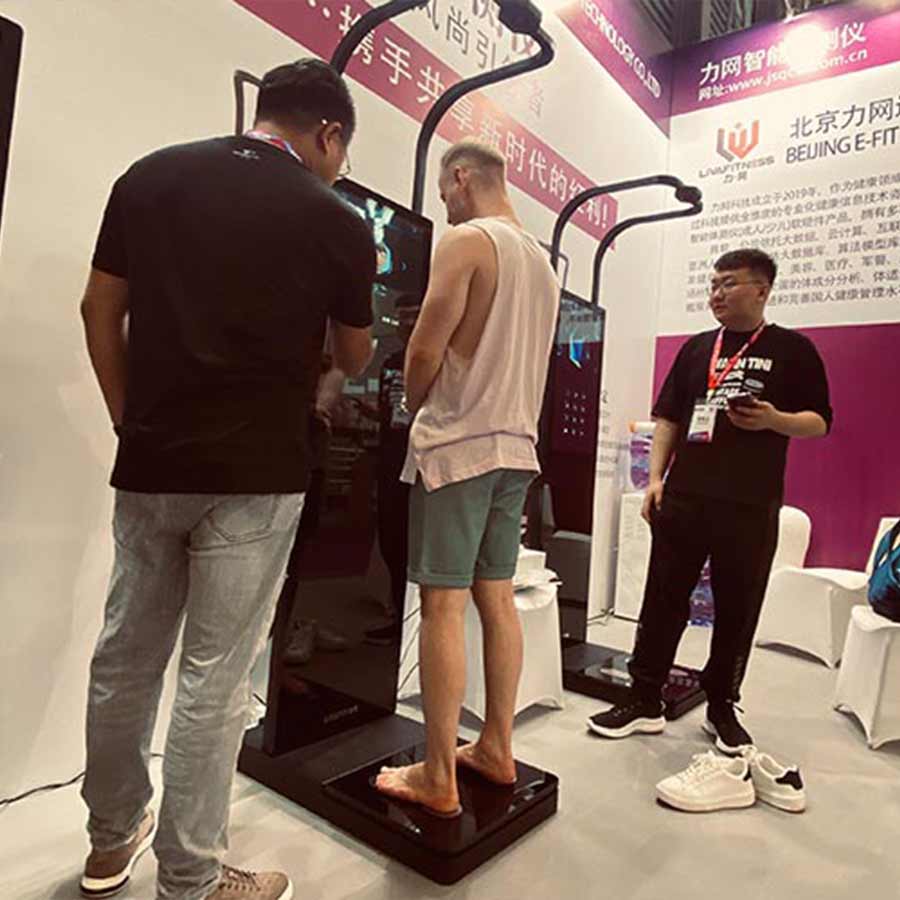
Body composition has become a central metric for anyone serious about health, fitness, or clinical evaluation. But measuring it accurately is more complex than stepping on a scale. That’s where a professional body composition analyzer comes in. Whether you’re running a gym, a wellness center, or a hospital, choosing the right supplier can make all the difference in measurement accuracy, device reliability, and long-term support.
Here’s a guide based on years of manufacturing experience, designed to help professionals make informed choices without the usual confusion around features, technical jargon, or unnecessary hype.
Table of Contents
Understanding What a Professional Body Composition Analyzer Actually Does

People often confuse weight with health. A body composition analyzer goes deeper—it maps the balance between muscle, fat, water, and bone mass. For professionals, this level of insight is essential.
Think of it as moving from a flat photo to a 3D model of your body. You’re not just seeing weight; you’re seeing functional health data that can influence training, nutrition, or medical decisions.
Key insights it provides include:
- Muscle mass distribution
- Fat percentage and visceral fat levels
- Hydration status
- Basal metabolic rate (BMR) trends
This depth of analysis helps trainers, clinicians, and wellness coaches make data-driven recommendations.
Why Technology Matters More Than Looks
Many devices may look sleek, but the real value lies in the technology inside. Modern analyzers mostly use bioelectrical impedance analysis (BIA), sending safe electrical signals through the body to differentiate fat from lean tissue.
Advanced models use multiple frequencies to improve accuracy across all body segments. This isn’t a gimmick—different tissues conduct electricity differently, so a higher-quality system produces results you can trust every time.
For buyers, it’s worth asking how the device calibrates, how often it needs checks, and whether it can deliver consistent readings across different users and environments.
Features That Actually Impact Daily Use
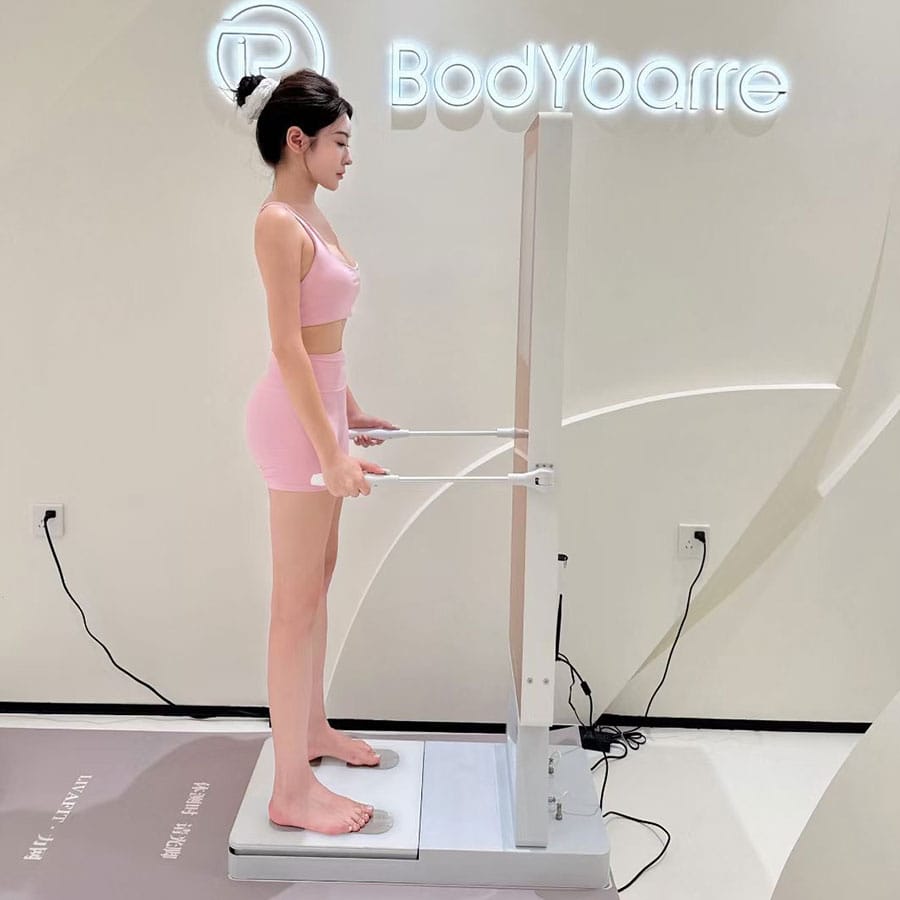
When evaluating a supplier, look beyond marketing bullet points. Features that genuinely affect usability include:
- Multi-frequency measurement and segmental analysis
- Easy-to-read interface for operators
- Multi-user profile management
- Data storage and trend visualization
Optional advanced capabilities, like cloud integration or automated reporting, can make life easier but shouldn’t overshadow the device’s core reliability.
Applications Across Industries
Fitness and Wellness Centers: Track member progress with data-driven training plans.
Medical and Rehabilitation: Monitor patients’ muscle and fat composition for recovery or metabolic assessment.
Corporate Wellness Programs: Offer employees precise health insights to support preventative care strategies.
Understanding the primary applications for your audience will help you choose a system that fits your workflow rather than forcing you to adapt to a generic product.
Evaluating Suppliers: Beyond Product Specs
Not all manufacturers are created equal. To ensure a smooth long-term partnership, consider:
- Production capabilities and R&D depth
- Quality control procedures and compliance certifications
- Availability of technical support and service
- Ability to provide software updates or system upgrades
A reliable supplier offers transparency. They provide documentation, calibration standards, and testing protocols rather than just glossy brochures.
OEM and Customization Opportunities
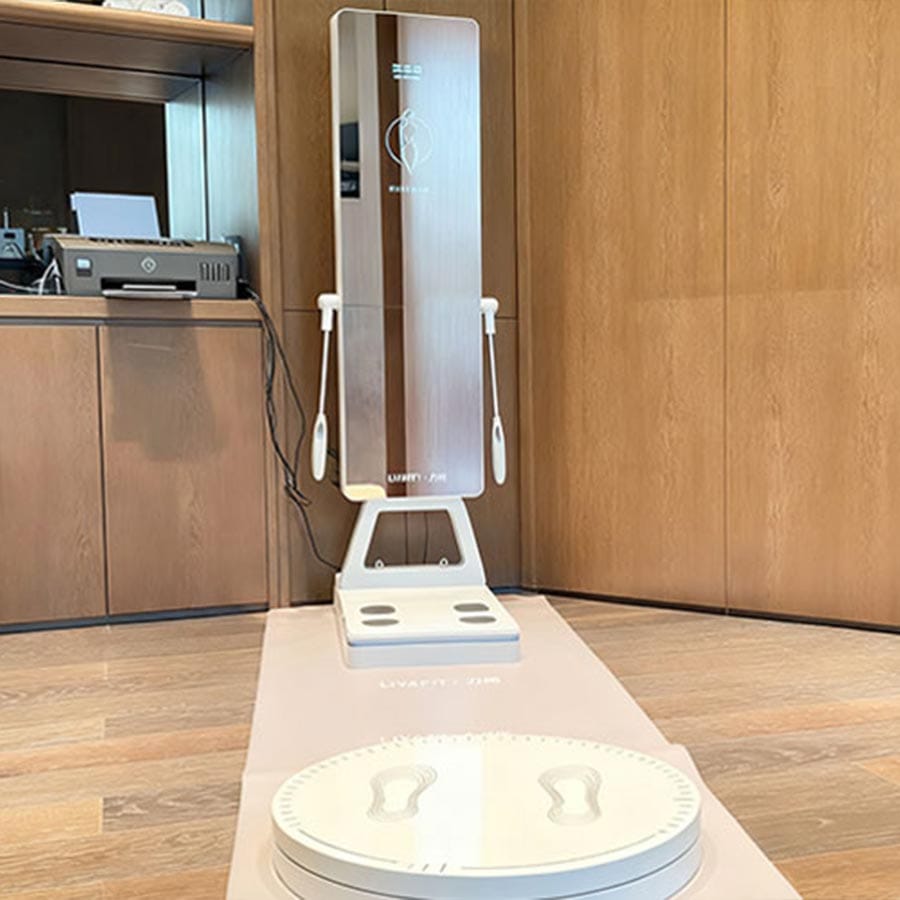
Many professional buyers benefit from suppliers who offer customization. OEM partnerships allow for:
- Interface localization
- Branding integration
- Customized reporting formats
- Hardware adjustments for different markets
This flexibility isn’t just about aesthetics; it’s about aligning the device with operational needs and end-user expectations.
Real-World Decision Factors
When choosing a supplier, focus on practical considerations:
- Measurement speed for high-traffic environments
- Ease of use for staff and patients
- Compatibility with existing digital systems
- Device stability under frequent use
Operational efficiency often matters as much as accuracy, especially in gyms or clinical settings where devices are in continuous use.
Why Direct Manufacturer Relationships Matter
Buying directly from a manufacturer has several advantages:
- Better consistency in production
- Faster technical support
- Direct access to engineering insights
- Greater stability in supply chains
This approach reduces uncertainty, ensures ongoing quality, and strengthens the partnership for long-term growth.
Emerging Trends in Body Composition Analysis
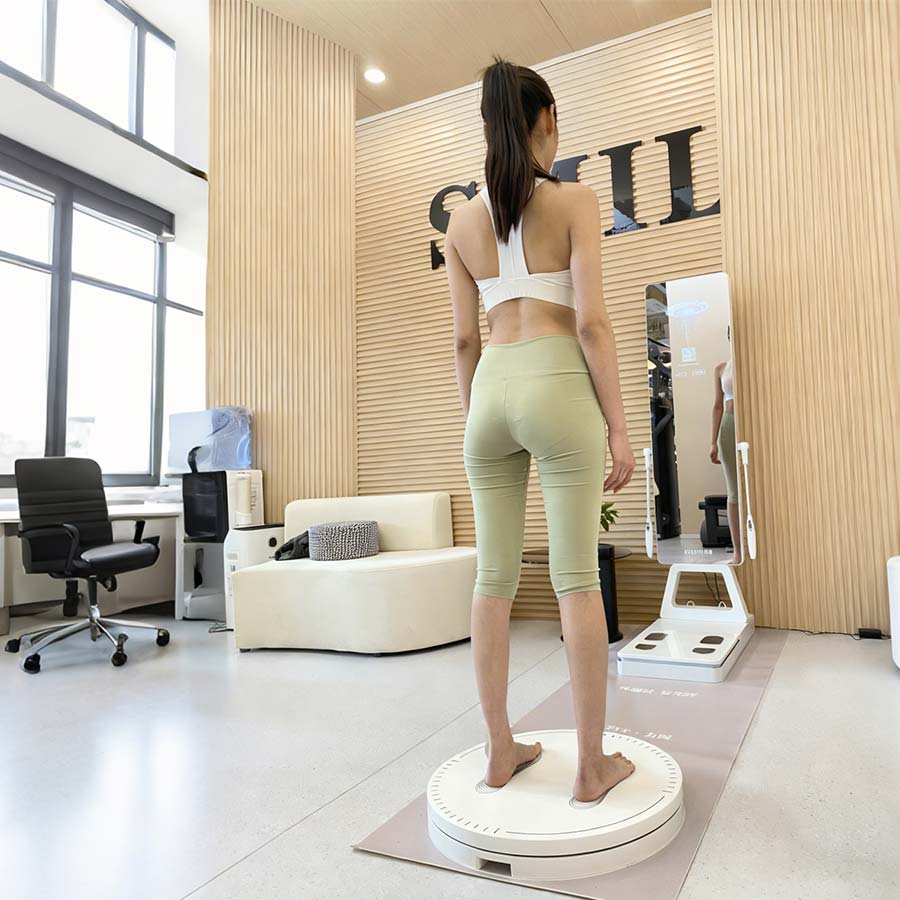
The field is evolving rapidly. Key developments include:
- AI-assisted trend analysis for personalized recommendations
- Cloud-based health dashboards for aggregated insights
- Mobile and wearable integration for real-time monitoring
- Advanced segmentation for clinical precision
These trends point toward a future where a body composition analyzer is not just a device but a hub for health intelligence.
Conclusion
Selecting a professional body composition analyzer supplier is a decision that impacts accuracy, usability, and long-term operational success. Beyond features, it’s about choosing a partner who understands technology, quality control, and end-user needs.
For gyms, wellness centers, and clinical facilities, the right supplier provides more than equipment—they provide confidence that every measurement is reliable, actionable, and meaningful. Investing in the right partnership today sets the stage for accurate health insights tomorrow.
FAQ
What is a professional body composition analyzer used for?
It is used to measure key health indicators such as body fat, muscle mass, water balance, and metabolic rate, providing a more complete health assessment than weight alone.
How does a body composition analyzer work?
Most systems use bioelectrical impedance analysis (BIA), sending a safe electrical signal through the body to estimate fat, muscle, and water distribution based on resistance levels.
Is a professional body composition analyzer accurate?
Accuracy depends on technology level, calibration quality, and measurement conditions. Multi-frequency and segmental analysis systems generally provide higher precision.
Who commonly uses body composition analyzers?
They are widely used in gyms, fitness centers, hospitals, rehabilitation clinics, and corporate wellness programs for health monitoring and performance tracking.
What should I consider when choosing a supplier?
Key factors include manufacturing capability, quality control systems, technology stability, after-sales support, and the ability to provide OEM or customized solutions.