

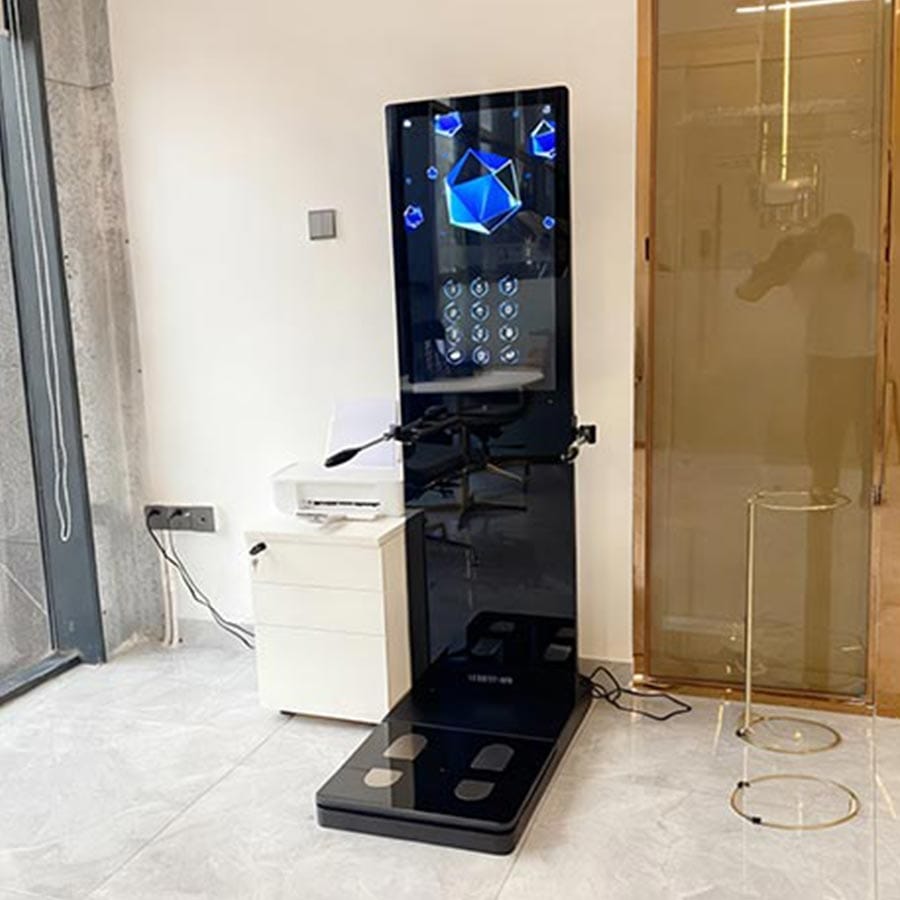

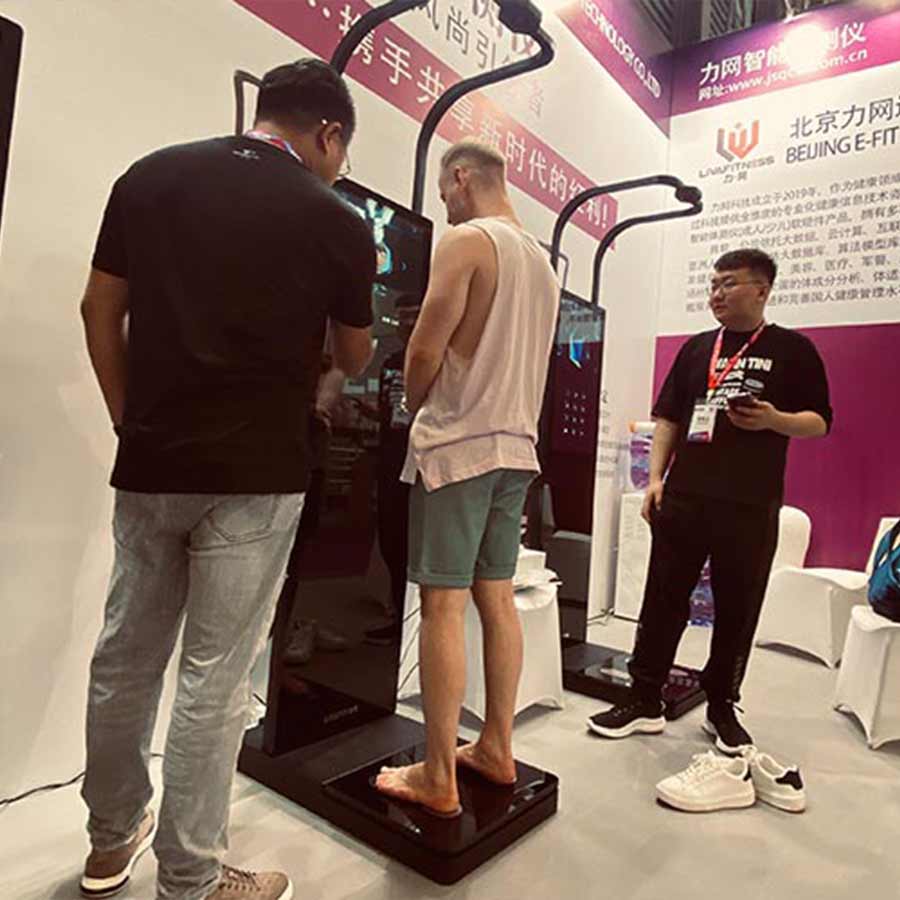

For clinics, preventive health centers, rehabilitation facilities, and medical wellness programs, patient assessment is becoming more data-driven. Traditional measurements such as body weight and BMI are still useful, but they do not always show the full picture of a person’s physical condition.
A body composition analyzer for clinic use can help healthcare professionals better understand body fat, muscle mass, body water, visceral fat level, segmental balance, and long-term physical changes. When used properly, it can support lifestyle counseling, weight management programs, rehabilitation tracking, health screening, and patient education.
However, choosing a clinic body composition analyzer is different from choosing equipment for a gym or home use. Clinics need stable results, clear reports, repeatable testing procedures, privacy protection, and reliable supplier support. The device should also fit the daily workflow of doctors, nurses, nutrition consultants, rehabilitation specialists, and health managers.
This guide explains how clinics can evaluate body composition analyzers, what features matter most, and how to use body data in a professional healthcare environment without overpromising or misusing the results.
Table of Contents
Why Clinics Need More Than BMI and Body Weight
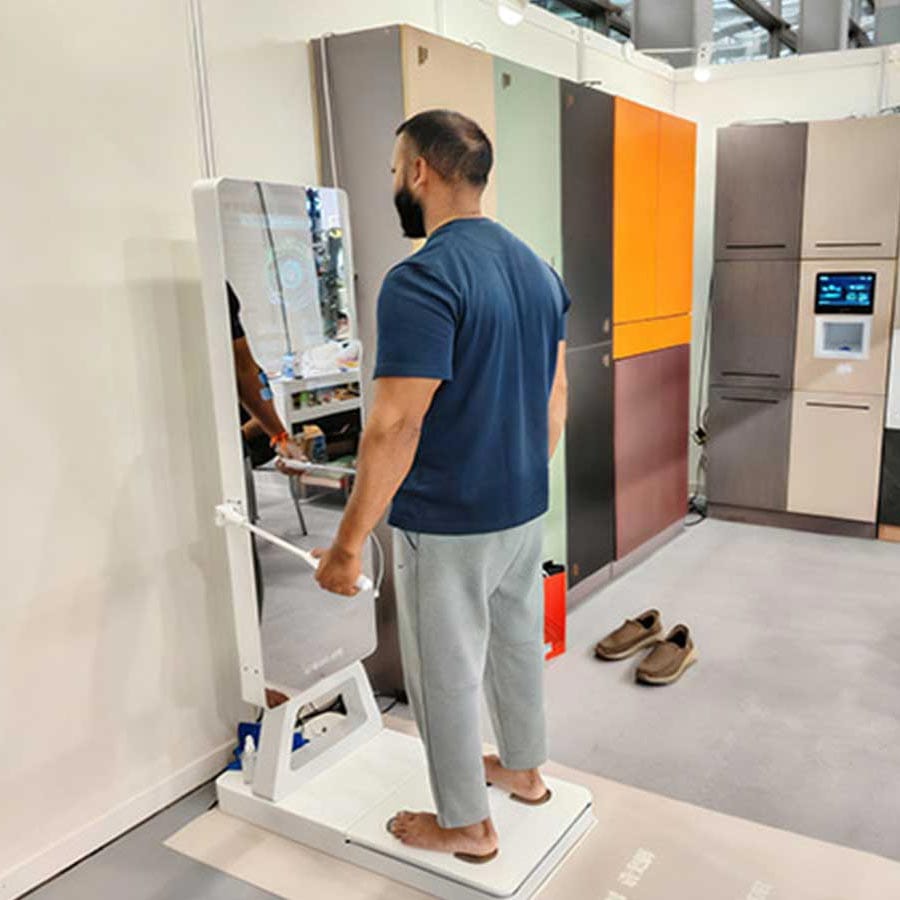
Body weight is simple to measure, but it cannot explain body composition. Two patients may have the same weight and BMI but very different body fat percentage, muscle mass, hydration level, and abdominal fat distribution.
BMI is widely used because it is easy and standardized, but the CDC explains that BMI does not distinguish between fat, muscle, and bone mass. This is why many clinics combine BMI with other assessment methods when they need a more complete view of patient condition. The CDC’s explanation of BMI and its limitations can be useful when educating patients.
For clinics, body composition data can support:
| Clinic Need | How Body Composition Analysis Helps |
|---|---|
| Weight management | Shows fat loss, muscle maintenance, and body water trends |
| Nutrition counseling | Helps explain body fat, lean mass, and metabolic indicators |
| Rehabilitation tracking | Monitors muscle condition and body balance over time |
| Preventive health screening | Adds more context beyond weight and BMI |
| Chronic disease lifestyle support | Helps track body changes during guided programs |
| Patient education | Makes health data easier to understand visually |
| Follow-up management | Encourages repeat visits and long-term monitoring |
A body composition analyzer for clinic use should not replace clinical judgment. Instead, it should provide additional data that helps healthcare teams communicate more clearly and monitor changes over time.
What a Body Composition Analyzer Measures in a Clinic
Most professional body composition analyzers use bioelectrical impedance analysis, also called BIA. BIA estimates body composition by measuring how a low-level electrical signal passes through the body. Different tissues, such as fat, muscle, and water, conduct electrical signals differently.
A clinic body composition analyzer may measure or estimate:
| Measurement | Clinical Use Value |
| Body fat percentage | Helps identify excess fat beyond body weight alone |
| Fat mass | Shows the estimated amount of body fat |
| Skeletal muscle mass | Useful for nutrition, aging, rehabilitation, and fitness counseling |
| Segmental muscle analysis | Helps compare arms, legs, and trunk balance |
| Body water | Supports hydration-related interpretation |
| Visceral fat level | Provides additional context for abdominal fat risk discussions |
| BMI | Gives a familiar baseline indicator |
| Basal metabolic rate | Helps explain energy needs in lifestyle programs |
| Waist or circumference data | Adds body-shape and abdominal assessment value |
| Historical trend reports | Supports follow-up visits and long-term monitoring |
For clinics comparing professional equipment, Luofit’s body composition analyzer product range includes commercial models designed for body composition assessment, intelligent reports, body shape evaluation, and multi-scenario use.
Clinic Use Cases: Where Body Composition Data Creates Value
A body composition analyzer for clinic use can support different departments and service models. The key is to match the device to the clinic’s actual workflow.
Preventive Health Checkups
Preventive health centers can add body composition analysis to routine screening packages. Instead of only recording weight and BMI, staff can provide a more detailed body assessment report. This helps patients better understand fat, muscle, body water, and long-term health management needs.
Weight Management Clinics
Weight management programs often need to show whether a patient is losing fat while maintaining lean mass. A body composition analyzer helps avoid overreliance on scale weight, especially when patients are exercising or improving muscle mass.
Nutrition Counseling
Nutrition consultants can use body composition reports to explain body fat percentage, skeletal muscle mass, body water balance, and metabolism-related indicators. This makes consultation more practical and easier for patients to understand.
Rehabilitation Centers
Rehabilitation programs may need to monitor muscle condition, segmental balance, and body changes during recovery. A professional analyzer can help therapists track progress and adjust care plans based on repeated assessments.
Medical Wellness Programs
Clinics offering wellness services can use body composition analysis to create more structured health management plans. This is especially useful for long-term follow-up programs where patients return regularly for reassessment.
Corporate Health Screening
Clinics that provide workplace health checks can use body composition analysis as part of employee wellness evaluations. Clear reports make the screening process more engaging and easier to explain.
Luofit’s application solutions cover clinics, gyms, rehabilitation centers, nutrition centers, beauty agencies, and other professional health assessment scenarios.
How Clinics Should Evaluate Measurement Reliability
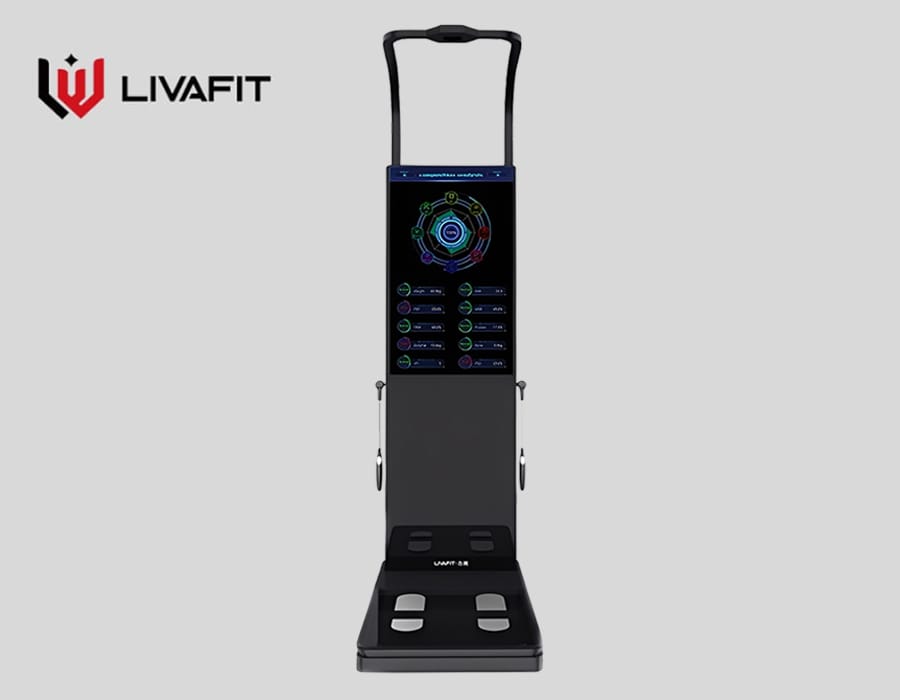
For clinics, measurement reliability is one of the most important buying factors. A device that looks modern but produces inconsistent results will create confusion for both staff and patients.
When evaluating a body composition analyzer for clinic use, buyers should focus on repeatability, operating procedure, electrode design, report logic, and technical support.
| Evaluation Area | What to Check |
| Measurement technology | Does the analyzer use professional BIA technology? |
| Frequency design | Does it support multi-frequency measurement? |
| Electrode contact | Is the measurement method stable and easy for patients to follow? |
| Segmental analysis | Can it analyze different body parts separately? |
| Testing posture | Is the patient position standardized and repeatable? |
| Report consistency | Are repeat tests stable under similar conditions? |
| Staff operation | Can nurses, consultants, or technicians operate it easily? |
| Data storage | Can the clinic review historical results? |
| Supplier support | Does the manufacturer provide training and after-sales service? |
Bioelectrical impedance analysis is widely used in body composition assessment, but clinical interpretation requires awareness of limitations. PubMed Central’s review of bioelectrical impedance analysis in clinical settings discusses clinical applications as well as caveats that professionals should consider.
For practical clinic use, the device should be combined with standardized testing conditions and professional interpretation.
Standard Testing Conditions for Better Repeatability
A body composition analyzer for clinic use should be operated with a consistent testing protocol. Without standardization, results may vary because of hydration, recent exercise, food intake, or testing time.
Clinics can improve repeatability by following a simple testing checklist:
| Testing Rule | Why It Matters |
| Test at a similar time of day | Helps reduce natural daily fluctuations |
| Avoid testing immediately after exercise | Exercise may affect body water distribution |
| Keep hydration status as consistent as possible | Body water can influence impedance readings |
| Remove heavy accessories | Improves weight and contact consistency |
| Stand correctly on the device | Supports stable electrode contact |
| Follow the same testing process each time | Makes trend comparison more meaningful |
| Record relevant notes | Helps interpret unusual changes |
Research on BIA and hydration shows that water intake and hydration status may affect body composition readings. A PubMed Central study on hydration status and BIA measurement can help clinics understand why consistent testing conditions matter.
The most important message for patients is simple: one result is a snapshot, but repeated results under similar conditions are more useful for tracking trends.
What Reports Should Look Like for Clinic Use
A clinic report should be clear, structured, and easy to explain. Patients may not understand technical body composition terms, so the report must help healthcare staff communicate results in simple language.
A useful clinic report should include:
| Report Feature | Why It Matters |
| Summary indicators | Helps staff quickly explain the main results |
| Body fat and muscle data | Supports lifestyle, nutrition, and exercise counseling |
| Segmental analysis | Shows distribution and balance differences |
| Body water information | Helps explain short-term fluctuations |
| Visual charts | Makes results easier for patients to understand |
| Historical comparison | Supports follow-up management |
| Print or digital report options | Fits different clinic workflows |
| Data management | Helps clinics organize patient records |
A strong report should not create fear or confusion. It should help patients understand their current condition and the next practical step.
For example, if a patient has high body fat and low skeletal muscle mass, the clinic can explain why nutrition guidance and resistance exercise may both be important. If a patient’s body weight changes only slightly but body fat decreases and muscle improves, the report can help reinforce positive progress.
Matching the Analyzer to Different Clinic Workflows
Not every clinic needs the same type of analyzer. A small wellness clinic may prioritize compact design and simple reports. A large health management center may need multi-user data storage, cloud reporting, and high testing efficiency. A rehabilitation center may focus more on segmental analysis and posture-related assessment.
| Clinic Type | Key Needs | Recommended Focus |
| Preventive health clinic | Fast screening, clear reports | Easy operation and efficient testing |
| Weight management clinic | Fat loss and muscle tracking | Body fat, muscle mass, historical comparison |
| Nutrition clinic | Consultation support | Clear report explanation and body water data |
| Rehabilitation center | Muscle and body balance tracking | Segmental analysis and posture assessment |
| Wellness clinic | Premium assessment experience | Visual reports and body shape analysis |
| Corporate health provider | High testing volume | Fast operation and report output |
| Distributor or project buyer | Model range and support | OEM/ODM options and supplier reliability |
For clinics that need comprehensive body composition, body shape, body circumference, posture assessment, and intelligent reporting, the Body Analyzer LW-880 is suitable for professional commercial assessment environments.
For clinics, rehabilitation institutions, and wellness programs interested in body impedance analysis combined with AI-powered posture risk assessment, the Body Analyzer LW-770 provides another practical option.
Patient Communication: Turning Data Into Better Understanding
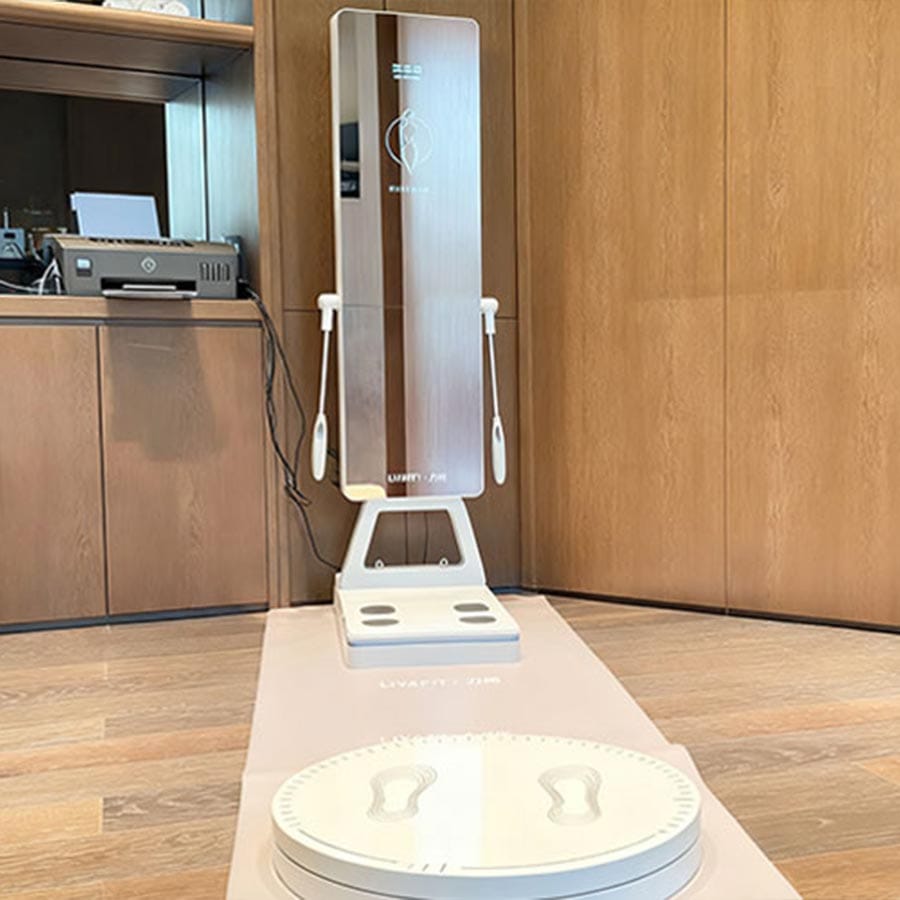
The value of a body composition analyzer for clinic use depends heavily on how staff explain the results. A professional report can become confusing if patients receive too many numbers without context.
A simple explanation method is the “current status, key concern, next step” structure.
Current Status
Start by explaining the patient’s main body composition indicators in simple language. For example, body fat percentage, skeletal muscle mass, body water, and BMI.
Key Concern
Identify one or two indicators that deserve attention. Avoid overwhelming the patient with every metric on the report.
Next Step
Connect the report to a practical recommendation. This may include nutrition counseling, physical activity guidance, rehabilitation follow-up, or a repeat assessment schedule.
The WHO defines overweight and obesity based on BMI thresholds, but body composition data can add useful context when clinics discuss fat distribution and lifestyle management. Clinics can reference the WHO’s overview of obesity and overweight when creating educational content.
The goal is not to make patients feel judged. The goal is to help them understand their body data and take realistic action.
Data Privacy and Professional Use Considerations
Body composition data is personal health-related information. Clinics should handle reports and patient records carefully.
Before using a body composition analyzer in a clinic, buyers should consider:
| Privacy Area | Practical Question |
| Data storage | Where are reports stored? |
| Access control | Who can view patient results? |
| Report sharing | Can reports be printed or sent securely? |
| User consent | Does the clinic explain how data will be used? |
| System management | Can staff manage users and records properly? |
| Local compliance | Does usage match local healthcare data rules? |
The device itself is only part of the workflow. Clinics should also create internal rules for testing, report sharing, and record management.
For distributor and project buyers, supplier communication is important. Before purchasing, clinics should ask about software functions, data export options, installation support, and documentation. Buyers can contact Luofit through the Contact Us page to discuss model selection and cooperation needs.
Common Mistakes Clinics Should Avoid
A body composition analyzer can improve clinic services, but only when used correctly.
Mistake 1: Treating the Report as a Diagnosis
Body composition analysis provides supportive assessment data. It should not replace physician evaluation, laboratory tests, imaging, or clinical diagnosis.
Mistake 2: Ignoring Testing Conditions
Hydration, food intake, and recent activity can affect results. Clinics should standardize the test process.
Mistake 3: Explaining Too Many Metrics at Once
Patients may not need every technical detail. Focus on the most relevant indicators for their health goal.
Mistake 4: Using One Test as the Final Conclusion
Long-term trends are more meaningful than one reading. Encourage follow-up assessments.
Mistake 5: Choosing Equipment Without Workflow Planning
A clinic should know where the analyzer will be placed, who will operate it, how reports will be explained, and how data will be stored.
Mistake 6: Forgetting Staff Training
Even advanced equipment requires proper operation. Staff should understand both the testing process and basic report explanation.
A Practical Clinic Implementation Workflow
To get the most value from a body composition analyzer for clinic use, clinics can build a simple workflow.
| Step | Action | Purpose |
| 1 | Define the use case | Weight management, screening, rehabilitation, nutrition, or wellness |
| 2 | Choose the testing location | Ensure privacy, space, and convenient access |
| 3 | Train staff | Standardize operation and report explanation |
| 4 | Create patient guidance | Explain preparation before testing |
| 5 | Run baseline tests | Establish initial body composition data |
| 6 | Explain key results | Focus on practical meaning |
| 7 | Recommend next steps | Connect data to service plans |
| 8 | Schedule follow-up | Track long-term trends |
| 9 | Review outcomes | Improve workflow and patient engagement |
This workflow helps clinics turn equipment into a repeatable service process.
How a Clinic Body Composition Analyzer Supports Business Growth
A body composition analyzer for clinic use can also support business development. It adds a visible and professional assessment experience that helps clinics differentiate their services.
It can support:
- Higher-value health screening packages
- More structured weight management programs
- Better nutrition consultation experiences
- Rehabilitation progress tracking
- Corporate health check services
- Long-term patient follow-up plans
- Premium wellness service positioning
For example, a clinic can offer an initial assessment, explain the body composition report, recommend a lifestyle management plan, and schedule a follow-up test after several weeks. This creates a professional service loop instead of a one-time consultation.
For B2B buyers, the equipment should therefore be evaluated not only by technical specifications but also by how it can fit into clinic revenue models, patient engagement, and long-term service design.
Buyer Checklist Before Choosing a Body Composition Analyzer for Clinic Use
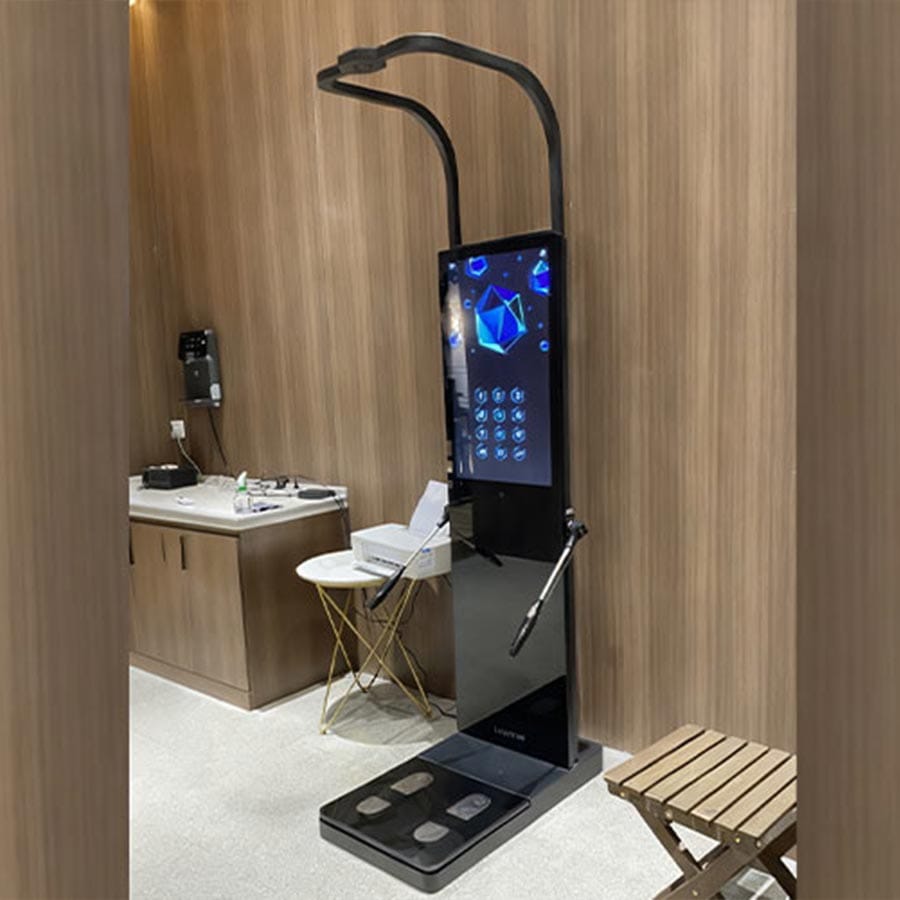
Before contacting a supplier, prepare key information so the manufacturer can recommend the right model.
| Information to Prepare | Example |
| Clinic type | Preventive health, nutrition, rehabilitation, medical wellness |
| Main service goal | Screening, weight management, follow-up, patient education |
| Expected daily testing volume | Low, medium, or high |
| Report format needed | Printed report, digital report, mobile report |
| Data management needs | Local storage, cloud management, user records |
| Space conditions | Consultation room, screening area, rehabilitation room |
| Staff users | Doctors, nurses, nutritionists, therapists, health managers |
| Patient group | Adults, seniors, athletes, wellness clients |
| Custom needs | OEM/ODM, distributor cooperation, software adaptation |
Clinics and project buyers can review Luofit’s professional body analyzer products or submit requirements through Contact Us for model recommendation and cooperation details.
Conclusion
A body composition analyzer for clinic use can help healthcare and wellness facilities move beyond simple weight measurement. By providing data on body fat, muscle mass, body water, visceral fat level, segmental balance, and long-term trends, it supports more informed patient education and follow-up management.
The right analyzer should be reliable, easy to operate, clear in reporting, suitable for clinical workflow, and supported by a professional supplier. Clinics should also standardize testing conditions, train staff, protect patient data, and use reports as supportive assessment tools rather than standalone diagnostic conclusions.
For clinics, rehabilitation centers, nutrition consultants, and health management providers, body composition analysis can become a valuable part of a modern patient assessment process. Explore Luofit’s body composition analyzer product range and professional application solutions to find a model that fits your clinic workflow.
FAQ
What is a body composition analyzer for clinic use?
A body composition analyzer for clinic use is a professional assessment device that measures indicators such as body fat, skeletal muscle mass, body water, BMI, visceral fat level, and segmental body data.
Can a clinic body composition analyzer replace medical diagnosis?
No. It provides supportive body assessment data but should not replace clinical diagnosis, laboratory testing, imaging, or physician evaluation.
Why is body composition analysis useful for weight management clinics?
It helps show whether a patient is losing fat, maintaining muscle, or experiencing body water changes, which provides more context than body weight alone.
How often should clinics perform body composition testing?
Many clinics use repeat testing every few weeks or during scheduled follow-up visits. The timing depends on the service program and patient condition.
What should clinics consider before buying a body composition analyzer?
Clinics should consider measurement reliability, report clarity, testing workflow, staff training, data management, privacy, after-sales support, and suitability for their service model.