
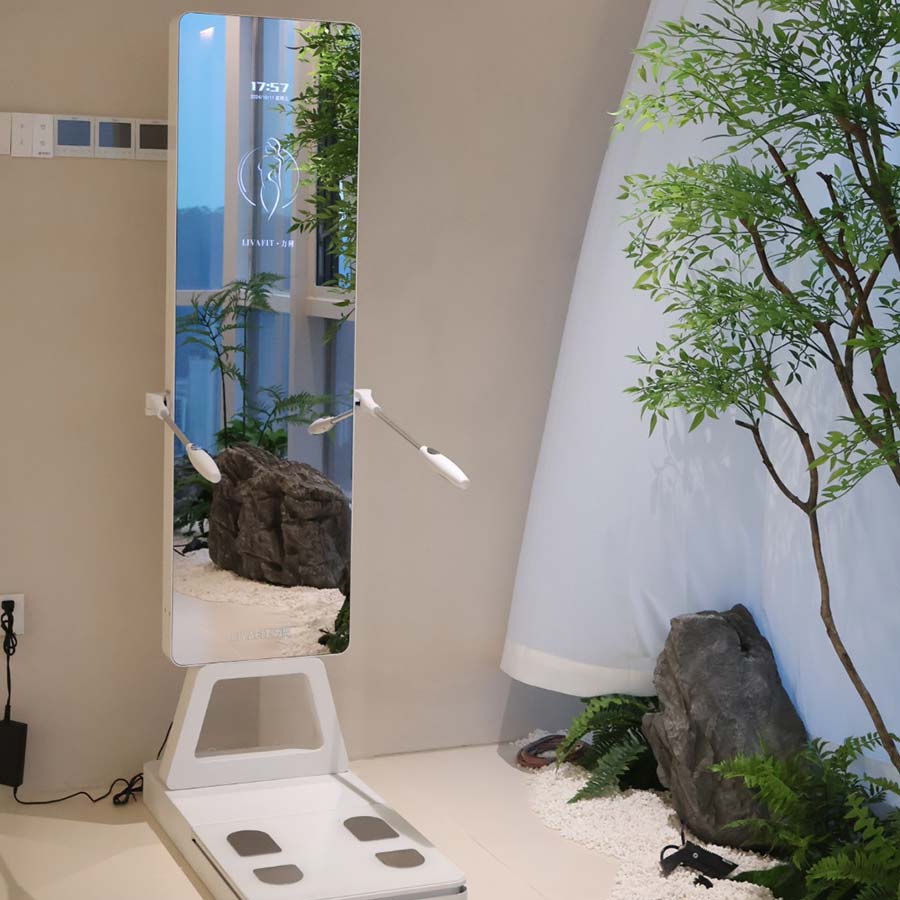
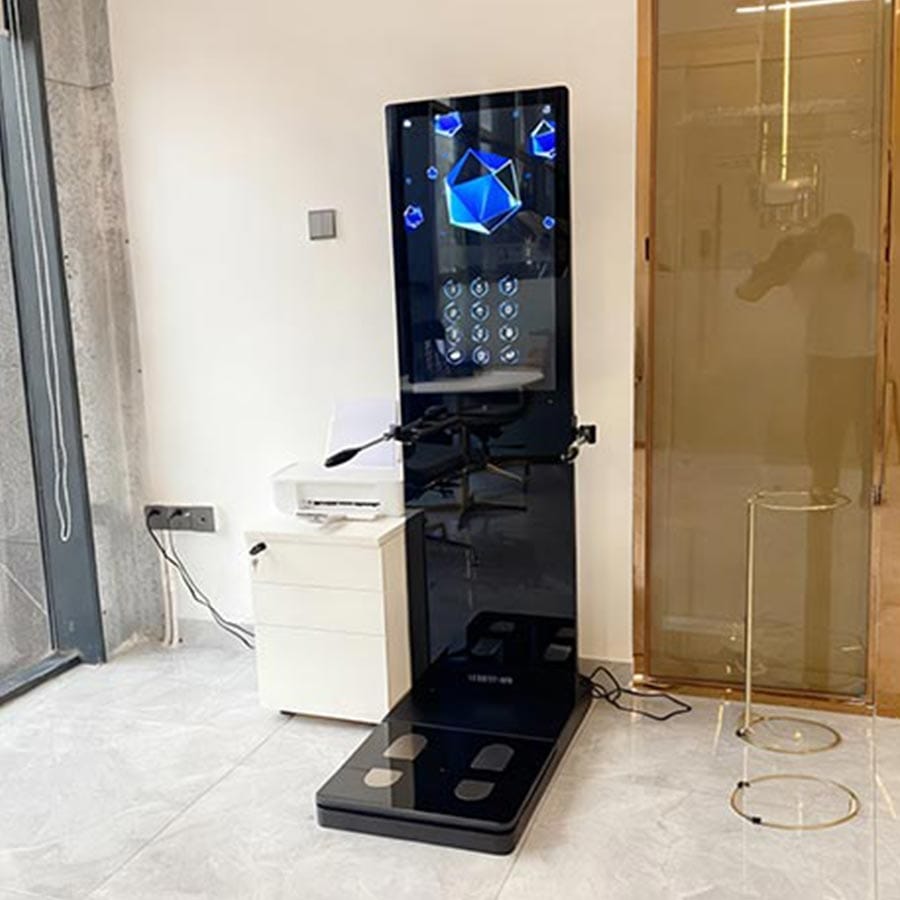

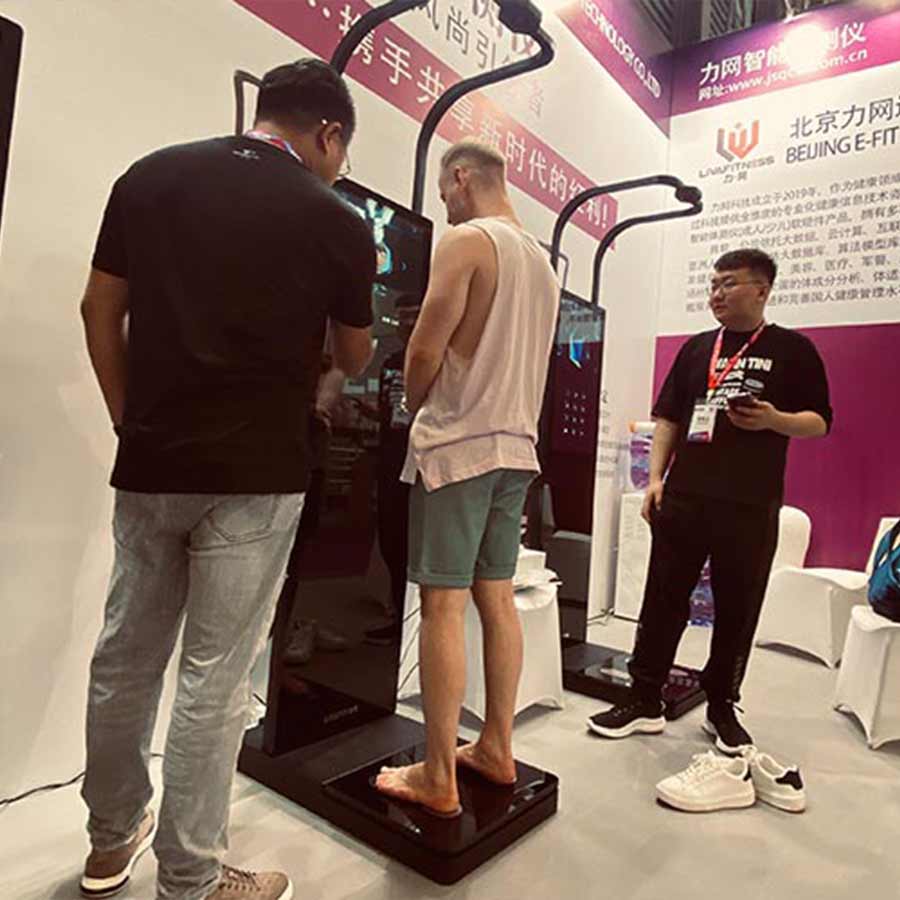

In the last few years, the smart body analyzer device has quietly moved from a niche fitness gadget to a standard tool in gyms, wellness centers, and even corporate health programs. What used to be a simple weight-reading scale is now a data-driven system that tries to interpret the human body in numbers—fat, muscle, water, and more.
But if you talk to people who actually use these devices in commercial settings, the conversation rarely starts with features. It starts with a different question: “Can this device stay consistent when used hundreds of times a day?”
That question alone separates casual consumer products from professional-grade equipment—and it is exactly where manufacturing quality becomes more important than marketing claims.
Table of Contents
When a Scale Stops Being a Scale

Most users first encounter a smart body analyzer device at a gym or clinic. The experience feels simple: step on, wait a few seconds, and receive a full body composition report.
But behind that simplicity is a system that combines electrical impedance measurement, algorithm interpretation, and user data modeling.
In real-world usage, the device is no longer just a measurement tool. It becomes part of a routine:
- Trainers use it to track client progress
- Clinics use it to monitor lifestyle-related conditions
- Fitness users rely on it to evaluate long-term changes
And this is where expectations often shift. Users begin to realize that the numbers are not absolute—they are directional.
The Part Most Buyers Misunderstand About Accuracy
One of the most common misconceptions in this industry is expecting medical-level precision from consumer or commercial body composition devices.
In practice, most smart body analyzer devices rely on bioelectrical impedance analysis (BIA). This method is influenced by multiple physiological conditions that cannot be fully controlled in daily use.
What experienced operators usually observe is not instability in the device—but variability in the human body itself:
- Hydration level changes throughout the day
- Post-exercise body fluid shifts
- Meal timing before measurement
- Skin contact quality on electrodes
This is why professional users rarely focus on a single reading. Instead, they focus on trend behavior over time.
From a manufacturing perspective, the real engineering goal is not “perfect accuracy,” but repeatable consistency under repeated use conditions.
Why Manufacturing Quality Changes Everything Behind the Scenes
When devices look similar on the outside, buyers often assume performance is also similar. In reality, small differences in production control can completely change user experience.
A reliable smart body analyzer device manufacturer typically pays attention to details that are not visible in product photos:
- Stability of electrode materials during long-term use
- Calibration consistency across production batches
- Signal filtering logic inside the measurement system
- Algorithm tuning for different body types
- Hardware tolerance under frequent usage cycles
These factors do not appear in specifications, but they directly affect whether a device performs well after months of continuous operation in a gym or clinic environment.
Why Commercial Buyers Care More About Consistency Than Features
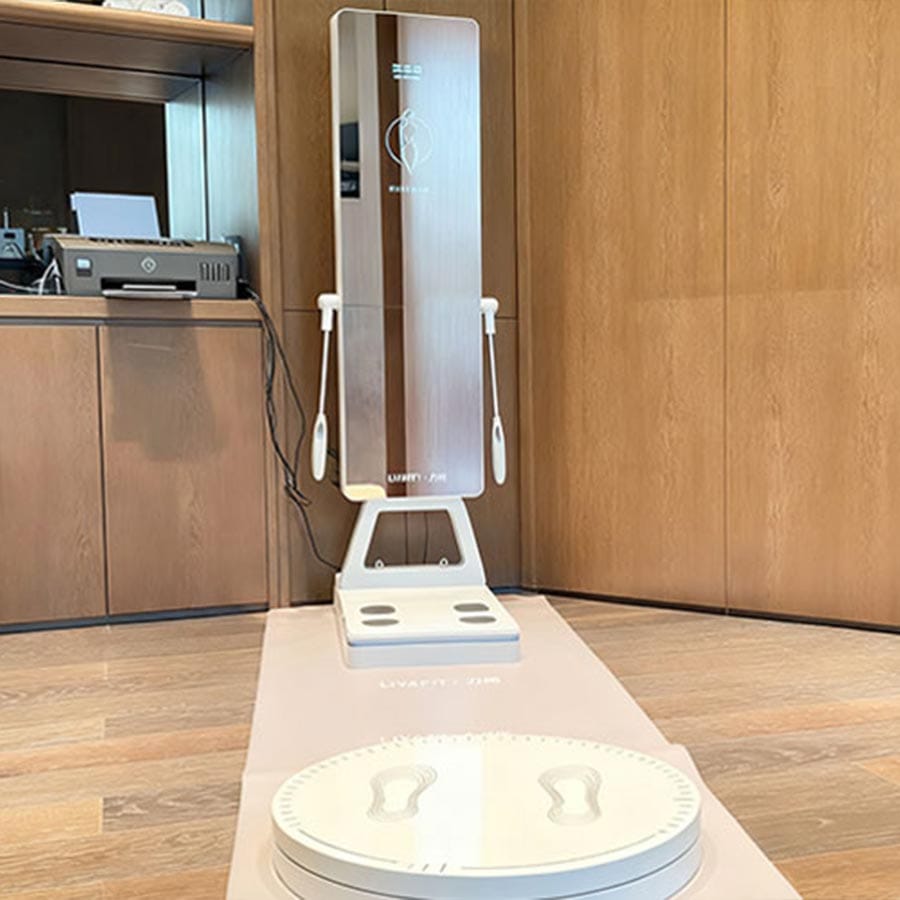
In commercial environments, devices are rarely used once a day. They may be used dozens or even hundreds of times.
At that scale, problems that seem minor in small usage become operational issues:
- Slight reading drift across users
- Inconsistent results between sessions
- Sensitivity to environmental changes
- Data synchronization delays in apps
This is why experienced buyers tend to evaluate devices differently. Instead of asking “what features does it have,” they ask:
- How stable is the signal over time?
- How does it behave under heavy daily usage?
- How easy is it to maintain and recalibrate?
The difference is subtle, but it defines whether a device works in real business environments.
OEM and ODM: Where Most Real Product Development Happens
Many smart body analyzer devices in the market are not standalone designs. They are built through OEM or ODM cooperation models.
This is where manufacturers and buyers align product direction based on target market needs.
In OEM/ODM development, customization is usually not cosmetic—it is structural:
- Adjusting measurement logic for regional user data
- Integrating software with fitness platforms
- Designing interfaces for specific user groups
- Modifying hardware structure for durability requirements
- Branding and private-label system integration
For distributors and fitness equipment companies, this flexibility is often more valuable than hardware specifications.
Where These Devices Actually Perform Best
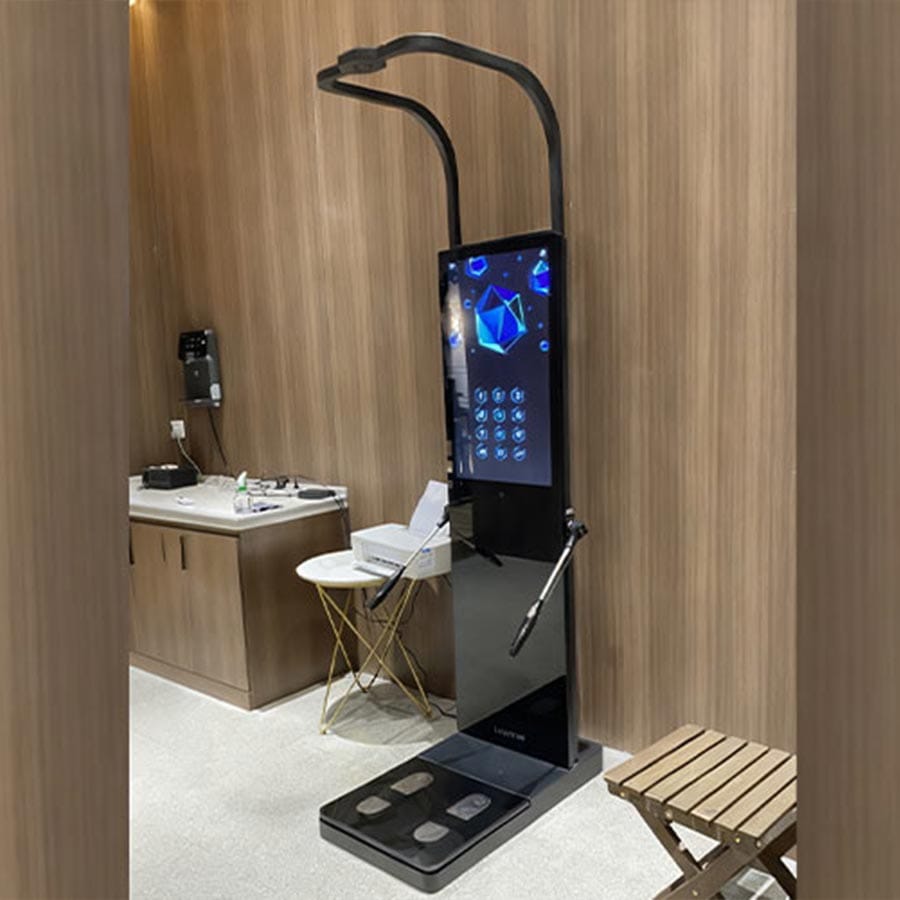
Smart body analyzer devices are now used far beyond home fitness. The strongest demand comes from structured environments where tracking progress matters.
Typical scenarios include:
- Fitness studios tracking member transformation programs
- Rehabilitation centers monitoring recovery progress
- Wellness programs in corporate environments
- Weight management coaching systems
- Sports training support for performance tracking
In these environments, the device is not treated as a diagnostic tool. It is treated as a behavior tracking system that supports decision-making.
The Real Evolution of Body Composition Technology
The industry is gradually moving away from simple impedance measurement toward more integrated health systems.
Several trends are shaping this direction:
- Multi-frequency analysis replacing single-point measurement systems
- Cloud-based health tracking instead of standalone results
- Integration with mobile apps and wearable ecosystems
- More refined body composition modeling algorithms
- Data continuity becoming more important than single readings
What is interesting is that the focus is no longer just hardware improvement. Software and data interpretation are becoming equally important parts of the device value.
Choosing a Supplier Is No Longer Just a Procurement Decision
For many buyers, especially in international markets, selecting a smart body analyzer device supplier is not only about product sourcing.
It affects long-term business stability.
Experienced buyers usually evaluate suppliers based on:
- Manufacturing control capability
- Software development strength
- Ability to maintain consistent production quality
- Understanding of commercial usage environments
- Responsiveness to customization needs
- Long-term support for system updates
In many cases, the difference between suppliers becomes visible only after deployment, not at the purchasing stage.
A Market That Is Still Changing, Not Settled
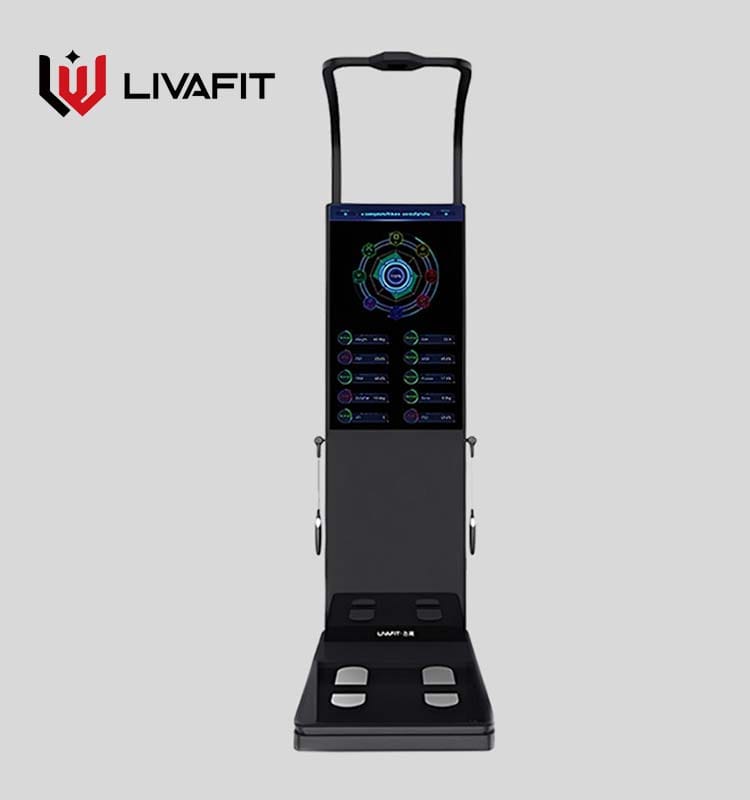
Unlike mature product categories, smart body analyzer devices are still evolving. The technology is improving, but so are user expectations.
What is clear is the direction:
- More integration with digital health platforms
- Stronger demand from fitness and wellness industries
- Increasing use in preventive health programs
- Shift toward continuous monitoring rather than single assessments
This means manufacturers are no longer just producing devices—they are building part of a larger health data ecosystem.
Conclusion
The smart body analyzer device has become more than a measurement tool. In real-world applications, it functions as a data system that supports fitness decisions, health tracking, and long-term behavior monitoring.
For commercial users, the key is not just what the device can measure, but whether it can maintain stable performance under real usage conditions.
Working directly with a reliable smart body analyzer device manufacturer ensures more than product supply—it ensures consistency, adaptability, and long-term usability in different business environments.
As the industry continues to develop, the real competition is no longer about features on paper, but about how well the device performs after it leaves the factory and enters daily use.
FAQ
Q1: What does a smart body analyzer device measure?
It measures key body composition data such as body fat percentage, muscle mass, body water level, BMI, and metabolic indicators using bioelectrical impedance technology.
Q2: How accurate is a smart body analyzer device?
It provides reliable trend-based results rather than clinical diagnosis. Accuracy depends on user conditions such as hydration, timing, and consistent usage environment.
Q3: Can a smart body analyzer device be used in gyms and clinics?
Yes. It is widely used in gyms, fitness studios, wellness centers, and rehabilitation programs to track body composition changes over time.
Q4: What is the difference between consumer and professional smart body analyzer devices?
Professional devices usually offer more stable sensors, multi-frequency analysis, and better consistency for high-frequency commercial use compared to basic home models.
Q5: Why is choosing a manufacturer important when buying a smart body analyzer device?
Working directly with a manufacturer ensures better quality control, customization options (OEM/ODM), and more stable long-term supply for commercial use.