


Table of Contents
Introduction
The way body composition is measured has changed significantly in recent years. What used to be a simple weight reading has evolved into a more detailed evaluation of physical condition, driven by demand from fitness centers, clinics, and wellness programs.
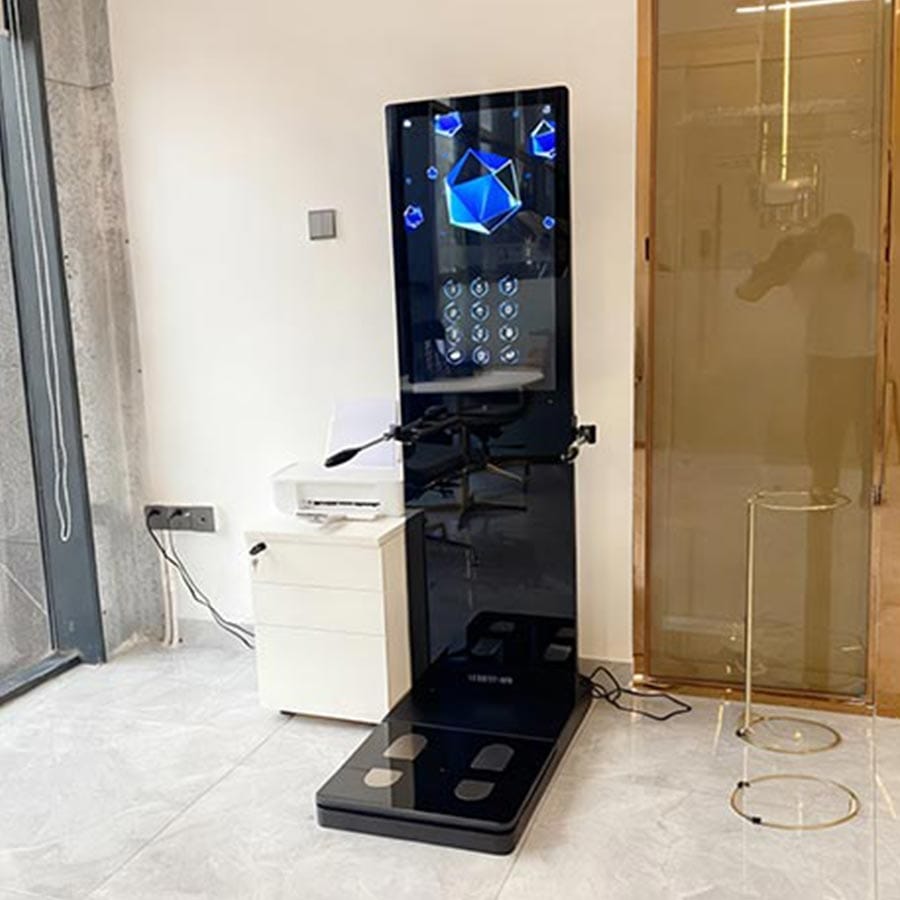
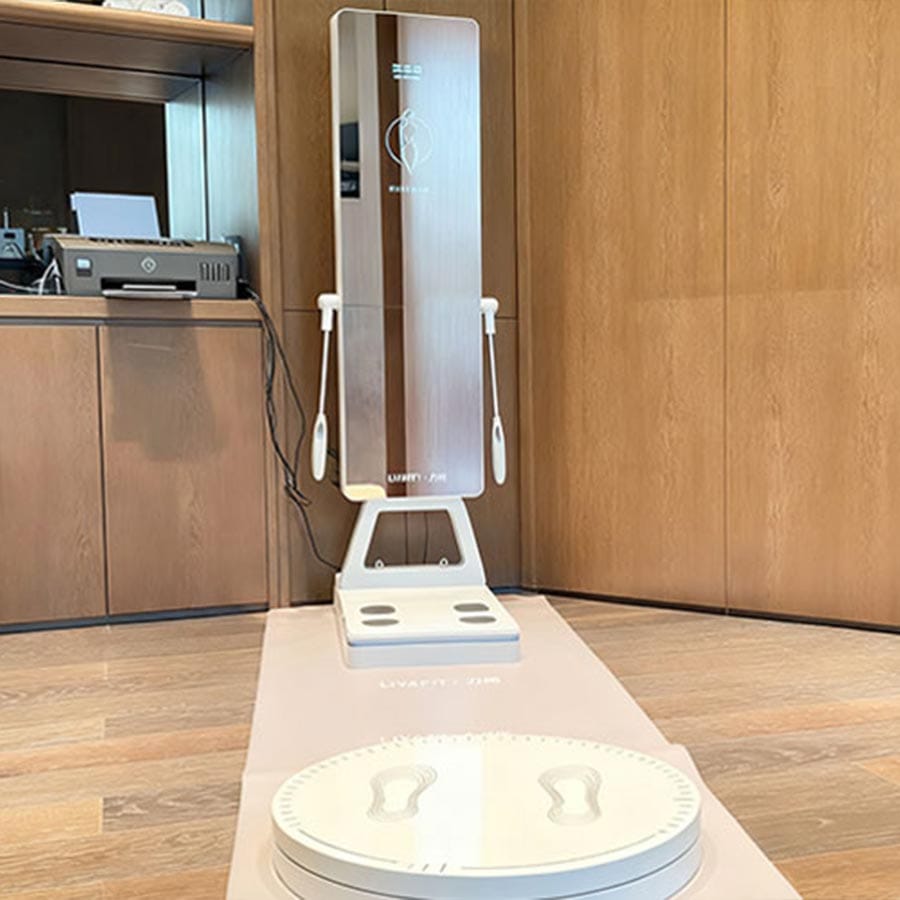
A modern body analyzer device is now expected to deliver more than numbers. It is used to interpret body composition patterns such as fat distribution, muscle balance, hydration status, and metabolic indicators. This shift has pushed the industry toward more advanced measurement systems and more reliable manufacturing standards.
For manufacturers, the challenge is no longer just building hardware—it is about delivering consistency, usability, and data interpretation that professionals can trust.
Understanding the Core Principle Behind a Body Analyzer Device
At the center of most systems is bioelectrical impedance analysis (BIA). The principle is relatively straightforward: a safe electrical signal passes through the body, and different tissues respond differently based on their composition.
Muscle tissue, which contains higher water content, conducts signals more easily than fat tissue. By analyzing resistance levels, the system estimates internal body composition.
What makes this technology useful is not the principle itself, but how it is engineered into a stable and repeatable measurement system.
A typical output includes:
- Body fat ratio
- Skeletal muscle mass
- Total body water level
- Visceral fat estimation
- Basal metabolic indicators
In practical use, this turns a single measurement into a broader health snapshot rather than a standalone number.
Where Accuracy Actually Comes From
In real-world applications, accuracy depends less on the concept and more on:
- Sensor stability
- Electrode contact consistency
- Calibration logic
- Environmental resistance control
- Algorithm refinement over time
These are areas where manufacturing quality becomes critical.
Why Manufacturer Selection Shapes the Final Product Experience
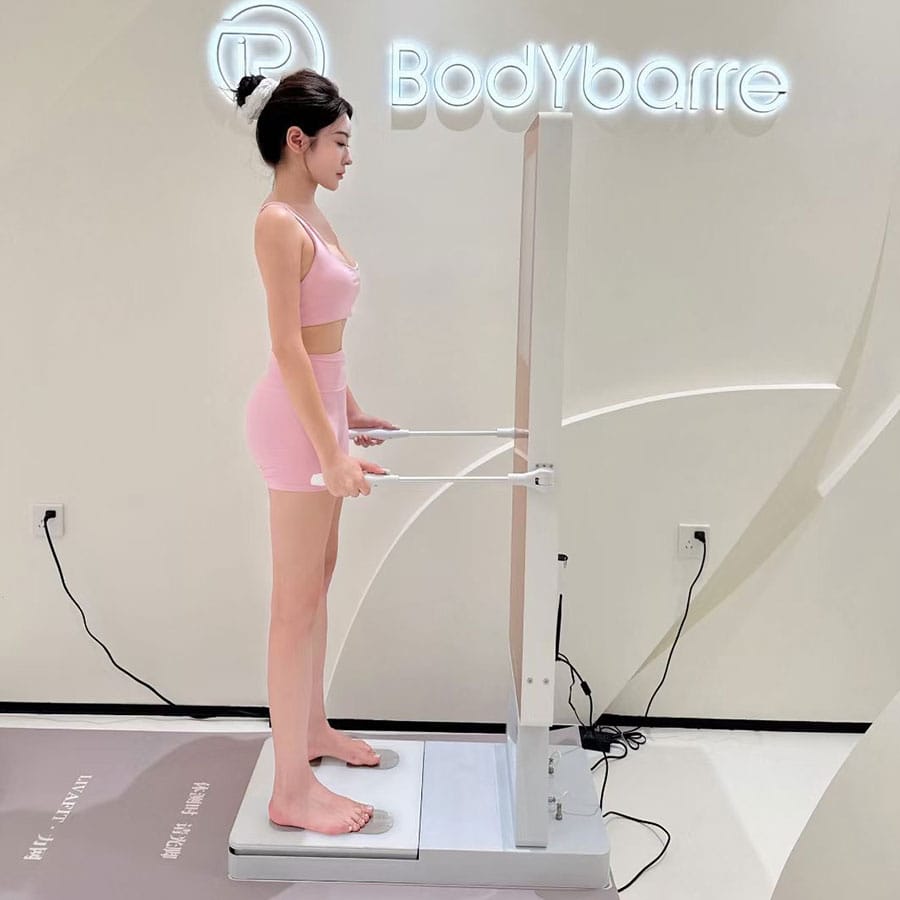
Two devices using the same principle can produce very different outcomes in practice. The difference usually comes down to how the system is designed and assembled at the manufacturing level.
A reliable body analyzer device manufacturer focuses on repeatability. That means the device should produce similar results under similar conditions, regardless of user variation or usage frequency.
Key manufacturing priorities typically include:
- Structural design stability
- Sensor accuracy alignment
- Signal processing consistency
- Software-hardware synchronization
- Long-term operational durability
In commercial environments such as gyms or clinics, small inconsistencies quickly affect user trust. That is why sourcing from a stable production base matters more than superficial features.
What Defines a Well-Engineered Body Analyzer Device
Rather than focusing on appearance or marketing terms, professionals tend to evaluate a device based on functional depth.
A well-designed system usually includes:
- Multi-electrode measurement structure for full-body analysis
- Multi-frequency signal processing for improved tissue differentiation
- Integrated data tracking system for long-term monitoring
- Cloud or app connectivity for user management
- Multi-profile support for shared environments
These features are not standalone advantages—they work together as part of a data ecosystem.
Consistency Over Time Matters More Than Single Results
One of the most overlooked aspects of body composition systems is stability across repeated measurements. In real use, trends matter more than isolated readings. A device that tracks changes consistently is more valuable than one that only focuses on one-time precision.
Where Body Analyzer Devices Are Actually Used Today
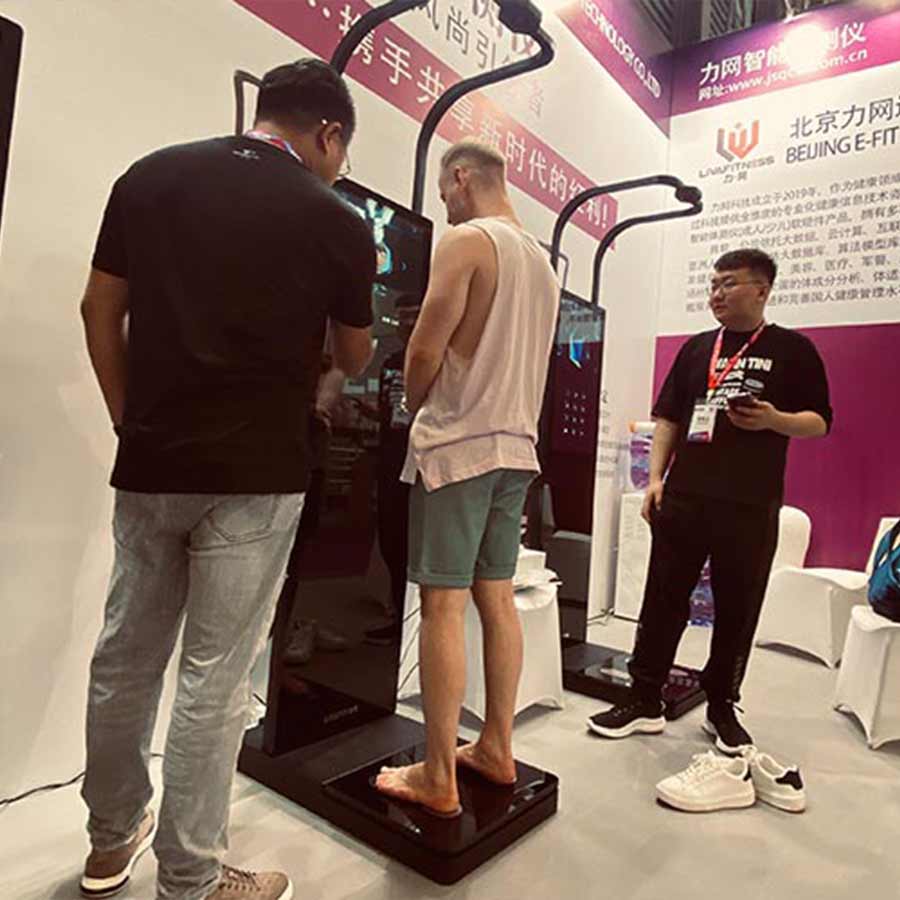
The application of body analyzer devices has expanded far beyond traditional fitness use. Different industries now rely on composition data for decision-making.
Common environments include:
- Fitness and training centers
- Medical screening and preventive health programs
- Nutrition and weight management services
- Sports performance evaluation systems
- Corporate wellness programs
Each use case places slightly different demands on the device. For example, sports environments often prioritize muscle segmentation, while clinics may focus more on metabolic and hydration indicators.
Gym and Fitness Use: Why Data Has Become Central
In fitness environments, engagement is increasingly driven by measurable progress. Body composition tracking has become part of the user experience rather than an optional feature.
Operators use these systems to:
- Track physical changes over training cycles
- Adjust workout plans based on composition shifts
- Improve retention through visible progress data
- Support personalized coaching strategies
The shift here is subtle but important: training is no longer based only on observation but supported by measurable internal data.
OEM and Private Label Development in Body Composition Systems
Many global buyers are not only looking for devices—they are building their own product identity. This is where OEM and private label manufacturing becomes relevant.
In practice, OEM cooperation may involve:
- Brand customization on device interface
- Software layout adjustments for regional users
- Hardware configuration changes for different markets
- Data system integration with third-party platforms
Private label development is less about changing a product and more about adapting a system to fit a specific business model.
This flexibility is particularly important for companies operating in multiple regions with different user expectations.
Evaluating a Supplier Beyond the Product Sheet
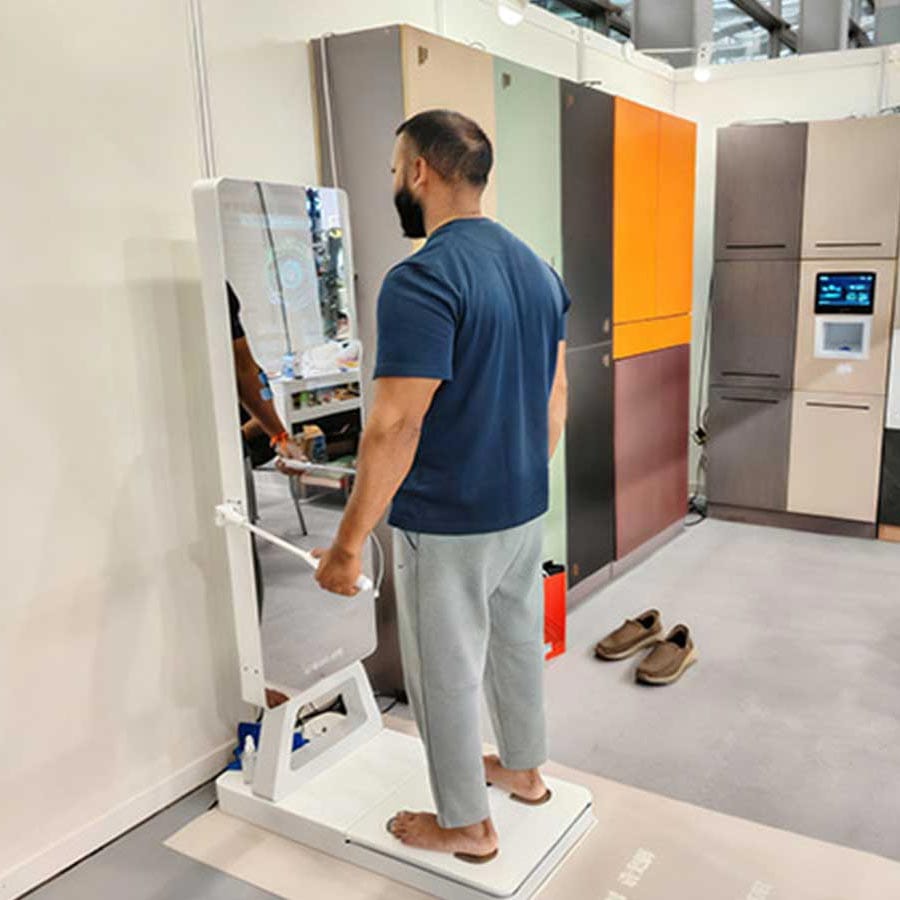
On paper, many devices may look similar. The real difference often appears after long-term use.
A dependable supplier is usually recognized through:
- Consistent production quality across batches
- Clear calibration and testing procedures
- Engineering support beyond basic delivery
- Software development capability
- Experience with international compliance requirements
Instead of focusing only on specifications, experienced buyers often evaluate how the supplier handles long-term system stability.
Market Direction: Where Body Composition Technology Is Moving
The industry is gradually shifting toward integrated health ecosystems rather than standalone devices.
Several clear directions are emerging:
- Increased use of AI-assisted body analysis models
- Cloud-based data storage and tracking systems
- Greater demand for portable and connected devices
- Expansion into preventive healthcare frameworks
- More personalized fitness and nutrition analytics
The device itself is becoming part of a broader digital health infrastructure rather than an isolated tool.
Common Oversights When Selecting a Body Analyzer Device
In practice, many purchasing decisions overlook factors that only become visible after deployment:
- Focusing too much on surface features
- Ignoring long-term calibration requirements
- Overlooking software compatibility
- Underestimating data system importance
- Choosing suppliers without manufacturing depth
These issues usually affect performance consistency more than initial impressions suggest.
Why Direct Manufacturing Supply Makes a Practical Difference
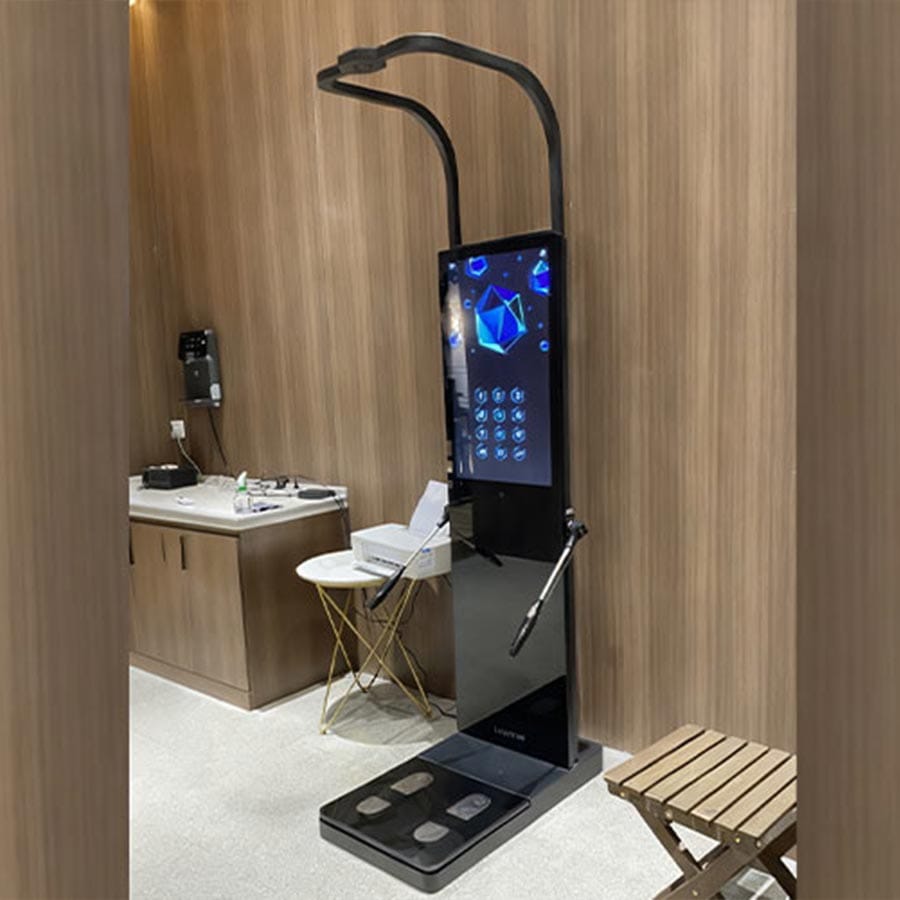
Working directly with a manufacturing source changes the structure of the entire cooperation.
It usually results in:
- More stable product consistency
- Faster adaptation for customized requirements
- Better control over technical updates
- Direct access to engineering feedback
- More predictable supply chain behavior
For businesses building long-term product lines, this structure tends to be more sustainable.
Conclusion
A body analyzer device is no longer a simple measurement tool. It has become part of a broader health data system that supports fitness, medical, and wellness decision-making.
Choosing the right manufacturer is not only about product selection but about ensuring long-term reliability, data consistency, and system adaptability.
As the industry continues to move toward connected health ecosystems, the value of a well-engineered body composition system will increasingly depend on how effectively hardware, software, and data processing work together in real-world environments.
FAQ
What is a body analyzer device used for?
A body analyzer device is used to measure body composition, including body fat, muscle mass, water level, and other health indicators to support fitness and wellness tracking.
How does a body analyzer device measure body composition?
It works through bioelectrical impedance analysis (BIA), sending a low-level electrical signal through the body to estimate different tissue compositions based on resistance levels.
Is a body analyzer device suitable for gym use?
Yes, it is widely used in gyms and fitness centers to track member progress, support personalized training, and improve long-term engagement.
What should I consider when choosing a body analyzer device manufacturer?
Key factors include measurement accuracy, sensor stability, software integration capability, production consistency, and experience in OEM or commercial supply.
Can body analyzer devices be customized for business use?
Yes, many manufacturers offer OEM and private label solutions, including branding, software customization, and system integration for different business needs.