


Table of Contents
As a manufacturer of body composition analyzer machines, we understand the importance of producing reliable, accurate, and user-friendly devices that meet the needs of fitness centers, medical clinics, and home users. In this guide, we will explain what a body composition analyzer machine is, how it works, how it compares to other body measurement tools, and how to choose the best device for your specific needs. This article is designed to help you gain a deeper understanding of the technology, while also improving your website’s SEO ranking and generating more organic traffic.
What Is a Body Composition Analyzer Machine?
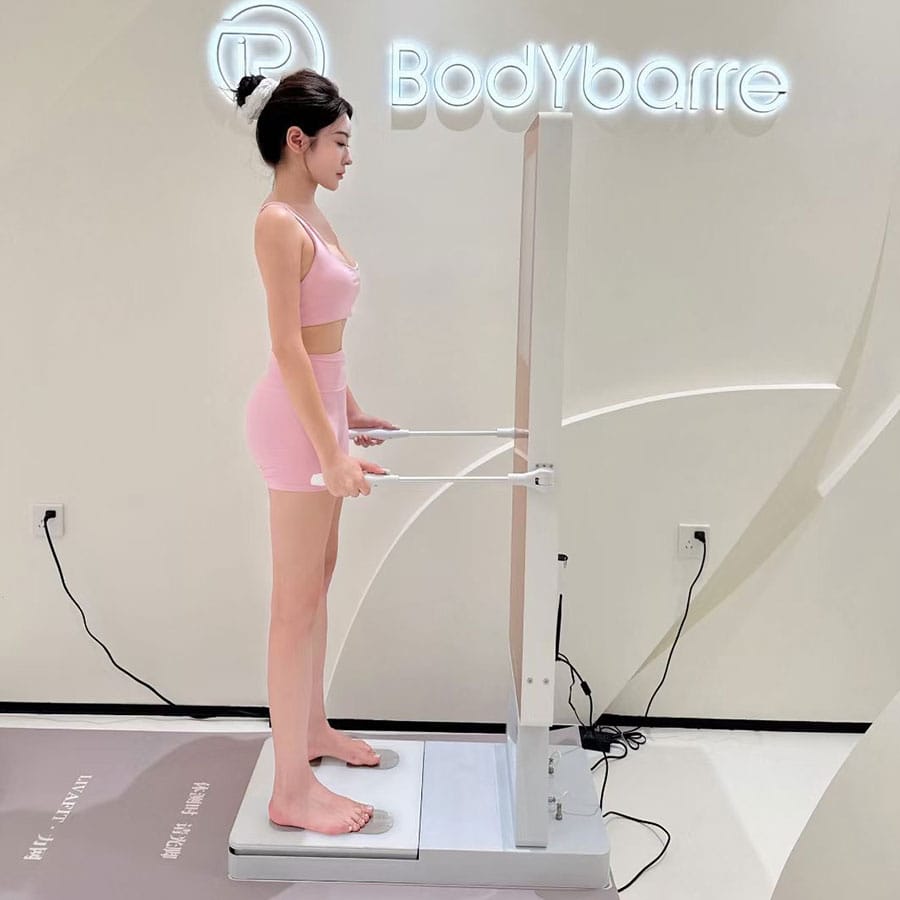
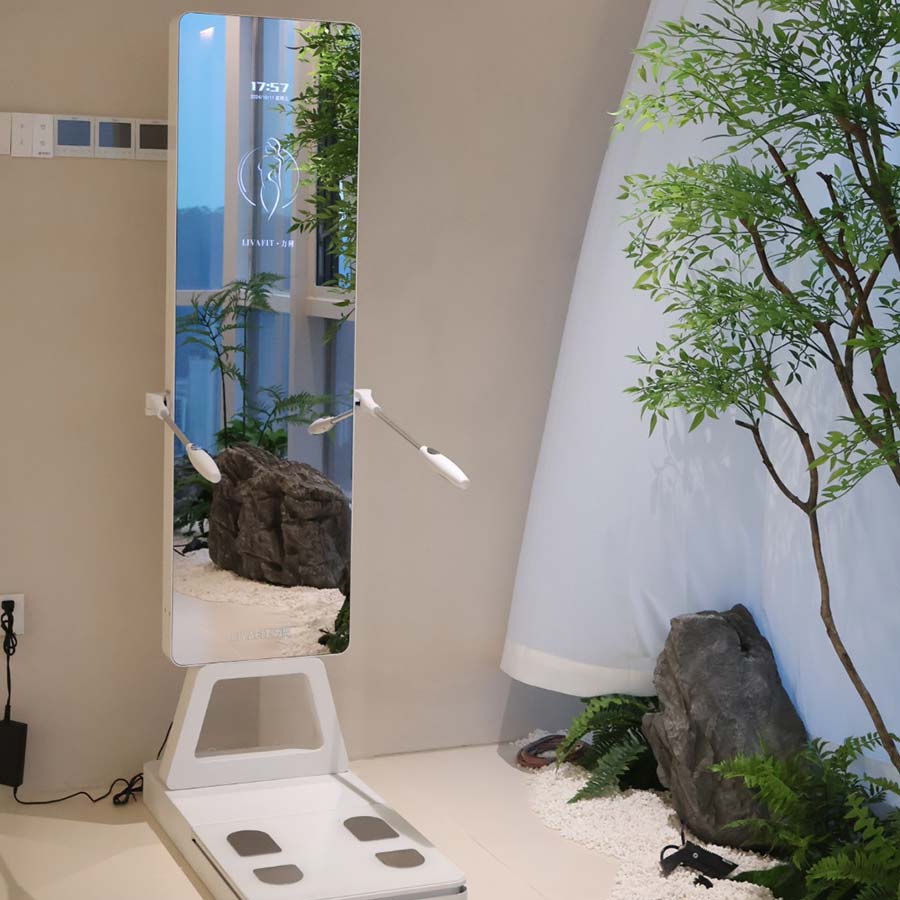
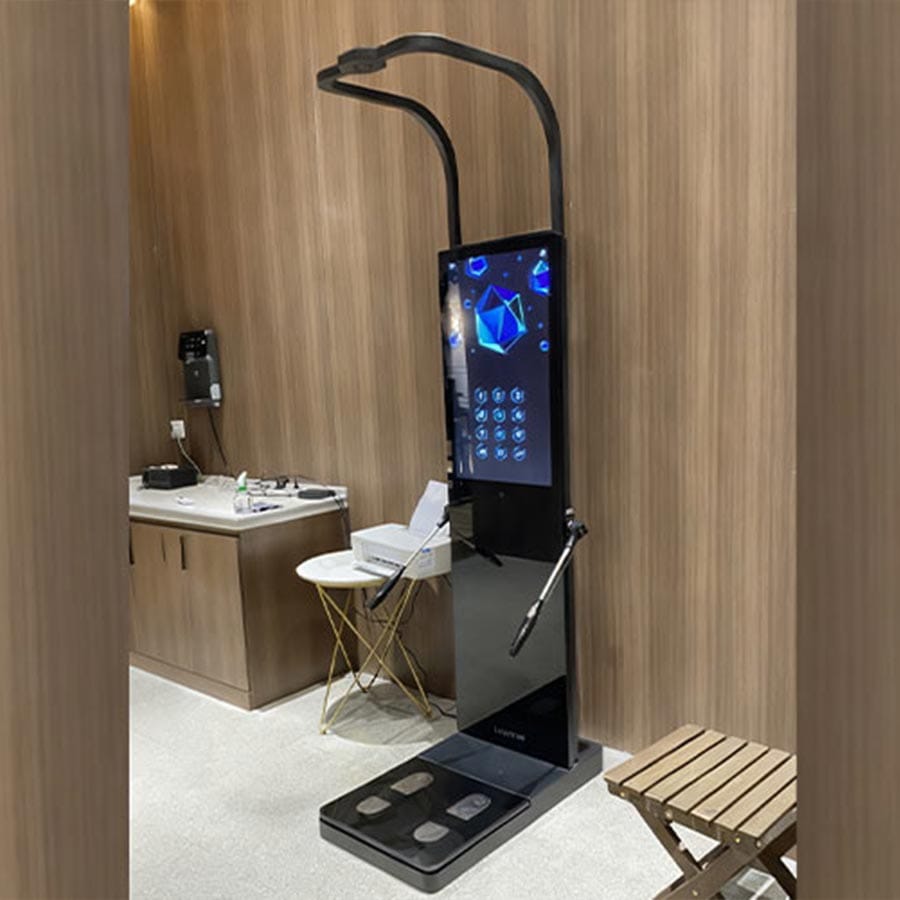
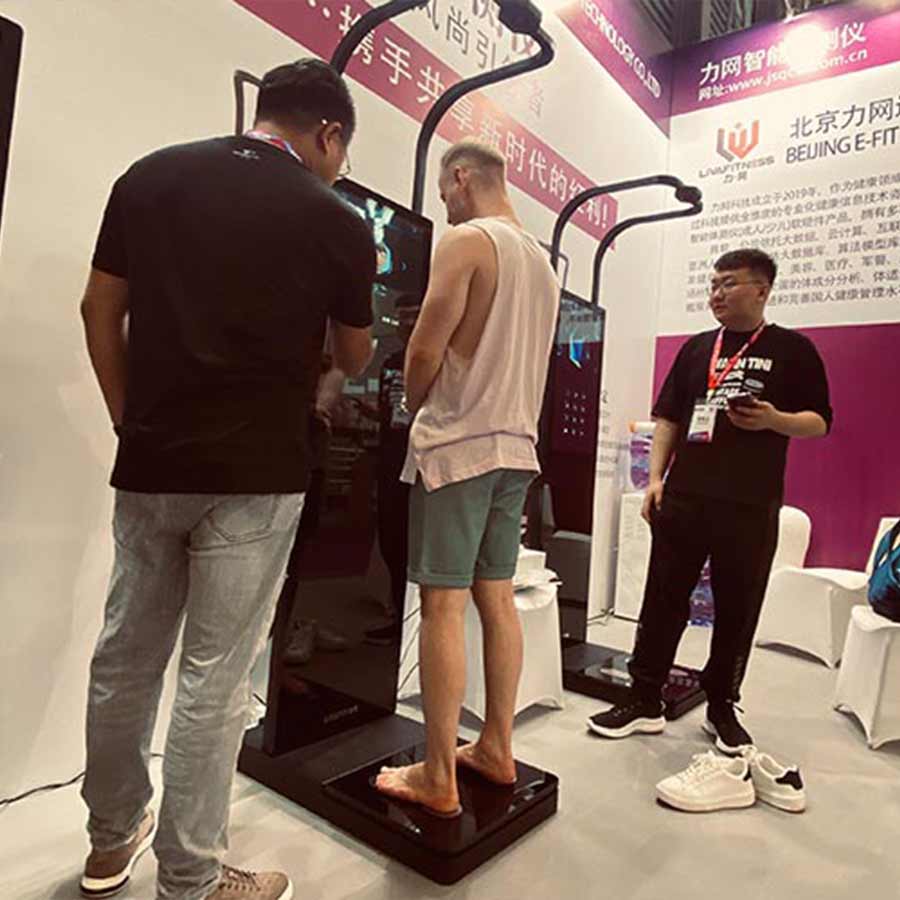
A body composition analyzer machine is a device used to measure and analyze the body’s makeup, including body fat percentage, muscle mass, water content, and other essential metrics. Unlike a simple body fat scale, a body composition analyzer provides a more comprehensive assessment of overall body health.
Difference Between Body Composition Analyzer and Body Fat Scale
A body fat scale typically uses basic sensors to estimate body fat percentage based on weight and impedance. A body composition analyzer machine, however, uses advanced bioelectrical impedance analysis (BIA) technology and often includes multi-frequency sensors to deliver more precise results.
Common Measurements
A typical body composition analyzer machine measures:
- Body fat percentage
- Muscle mass
- Visceral fat
- Body water content
- Basal metabolic rate (BMR)
- Body mass index (BMI)
- Segmental analysis (arms, legs, trunk)
How Does a Body Composition Analyzer Machine Work?
The key technology behind most body composition analyzer machines is Bioelectrical Impedance Analysis (BIA). This method sends a small electrical current through the body and measures resistance. Because different tissues conduct electricity differently, the machine can estimate the amount of fat, muscle, and water in the body.
Bioelectrical Impedance Analysis Explained
BIA works by analyzing how quickly electrical currents pass through the body. Muscle contains more water and conducts electricity better than fat. The device uses this difference to estimate body composition. Many professional machines use multi-frequency BIA, which improves accuracy by measuring impedance at different frequencies.
Electrode Types: Handheld vs Footplate vs Full-body
Body composition analyzer machines come in various designs:
- Handheld devices: Measure impedance through the upper body
- Footplate devices: Measure impedance through the lower body
- Full-body devices: Use both hand and foot electrodes for full-body analysis
Full-body analyzers generally provide the most accurate and comprehensive results, especially for professional and clinical use.
Why Accuracy Varies Among Different Machines
Accuracy can be influenced by:
- Quality of electrodes and sensors
- Number of frequencies used (single vs multi-frequency)
- Calibration and manufacturing standards
- User conditions (hydration level, meal timing, physical activity)
As a manufacturer, we emphasize consistent quality control and calibration to ensure stable performance.
Key Components and Technology Behind Professional Body Composition Analyzer
To deliver accurate and reliable results, a professional body composition analyzer machine typically includes:
Hardware Components
- High-quality electrodes (for precise impedance measurement)
- Stable power supply and circuit design
- High-resolution display
- Durable chassis and ergonomic design
Software & Data Analysis
Modern body composition analyzers include powerful software for:
- Detailed body composition reports
- Trend analysis over time
- Multi-user profiles
- Data export and integration with health apps
Data Connectivity
Many devices support:
- Bluetooth or Wi-Fi connectivity
- Integration with mobile apps
- Cloud data storage
- Compatibility with health platforms
These features make the machine ideal for gyms, hospitals, and wellness centers.
Body Composition Analyzer Machine vs BMI vs Body Fat Scale
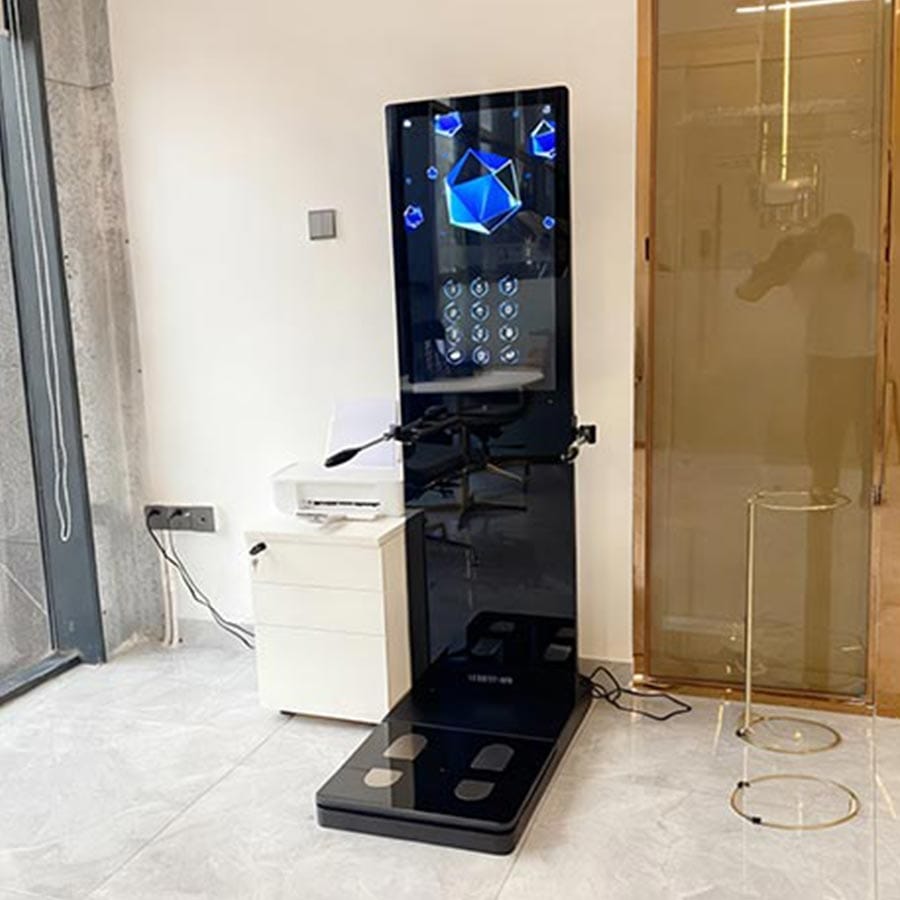
Why BMI Alone Is Not Enough
BMI is a simple calculation based on height and weight, and it does not account for muscle mass or body fat distribution. Therefore, BMI can be misleading for athletes, bodybuilders, and even overweight individuals with high muscle mass.
Body Fat Scale Limitations
Body fat scales can provide basic body fat estimates, but they often lack:
- Multi-frequency BIA
- Segmental analysis
- Professional-grade accuracy
- Detailed health insights
Why a Body Composition Analyzer Is More Reliable for Professional Use
A body composition analyzer machine provides a deeper insight into body composition, making it suitable for:
- Fitness trainers
- Nutritionists
- Medical clinics
- Sports teams
It can track changes in muscle mass, visceral fat, and water balance—metrics that BMI and body fat scales cannot accurately provide.
Top Applications of Body Composition Analyzer Machines (Fitness, Clinics, Sports, and More)
Body composition analyzer machines are widely used across various industries:
Gyms and Personal Trainers
- Track clients’ progress
- Adjust training plans based on muscle gain and fat loss
- Improve client retention with measurable results
Medical Clinics and Hospitals
- Monitor patient health
- Assist in obesity management
- Support chronic disease prevention programs
Weight Loss Centers and Nutritionists
- Design personalized meal plans
- Monitor metabolic rate and fat loss
- Provide detailed reports for clients
Sports Teams and Rehabilitation Centers
- Assess athletes’ body composition for performance optimization
- Monitor recovery and muscle mass after injury
- Provide accurate body composition tracking for rehabilitation programs
How to Choose the Best Body Composition Analyzer Machine for Your Needs
Choosing the right body composition analyzer machine depends on your intended use.
Home Use vs Professional Use
- Home use: Requires portability, ease of use, and basic measurements
- Professional use: Requires multi-frequency BIA, segmental analysis, and detailed reports
What Features Matter
When selecting a machine, consider:
- Measurement accuracy
- Number of measurement parameters
- User profile capacity
- Data connectivity and reporting features
How to Evaluate Price vs Performance
Price often reflects:
- Sensor quality
- Software functionality
- Manufacturing standards
- Warranty and after-sales service
Top Features List
Here are some features to look for:
- Multi-frequency BIA
- Segmental body analysis
- Mobile app connectivity
- Trend report and data export
- Multiple user profiles
- Portable design
Body Composition Analyzer Machine Price and What Affects It
Pricing is a key consideration for buyers. The cost of a body composition analyzer machine depends on several factors:
Material and Manufacturing Cost
High-quality sensors, durable materials, and robust design can increase production costs.
Measurement Accuracy and Sensor Quality
More accurate machines typically use multi-frequency BIA and higher-grade electrodes.
Software Development and Customization
Customized reporting software and app integration increase value.
Warranty and After-Sales Service
Professional devices often include warranty and maintenance services, which affect price.
Price Comparison Table
| Feature | Home Body Composition Analyzer | Professional Body Composition Analyzer | Medical/Clinical Analyzer |
|---|---|---|---|
| Accuracy | Moderate | High | Very High |
| Measurements | Basic | Detailed | Comprehensive |
| BIA Frequency | Single | Multi-frequency | Multi-frequency |
| Segmental Analysis | No | Yes | Yes |
| Reports | Basic | Detailed | Clinical-grade |
| Price Range | Low | Medium | High |
Manufacturer’s Perspective: Why Choose OEM/ODM Body Composition Analyzer Machines

As a manufacturer, we offer OEM/ODM services to help businesses build their own brand and products.
Custom Design and Branding
- Custom logo and appearance
- Custom report templates
- Private label packaging
Private Label / Custom Software / Report Templates
We can customize:
- Mobile app interface
- Report formats
- Data export options
- Multi-language support
Bulk Production and Quality Control
We ensure:
- Stable manufacturing process
- Strict quality inspection
- Consistent performance across batches
Certifications and Compliance
Our products can meet:
- CE certification
- FCC certification
- Medical-grade compliance (if required)
Maintenance, Calibration, and Troubleshooting Tips
To ensure long-term accuracy and stable performance, maintenance is essential.
How Often to Calibrate a Body Composition Analyzer Machine
Calibration should be performed regularly, depending on usage:
- Light use: every 6–12 months
- Heavy use: every 3–6 months
Common Errors and How to Fix Them
Common issues include:
- Incorrect readings due to hydration
- Sensor wear and tear
- Software glitches
- Poor electrode contact
How to Extend Machine Lifespan
- Keep the machine clean and dry
- Avoid dropping or hitting
- Use stable power supply
- Follow manufacturer’s maintenance guidelines
Maintenance Checklist for Clinics and Gyms
- Regular calibration
- Clean electrodes and surfaces
- Check software updates
- Ensure stable power and environment
Future Trends in Body Composition Analyzer Machine Technology
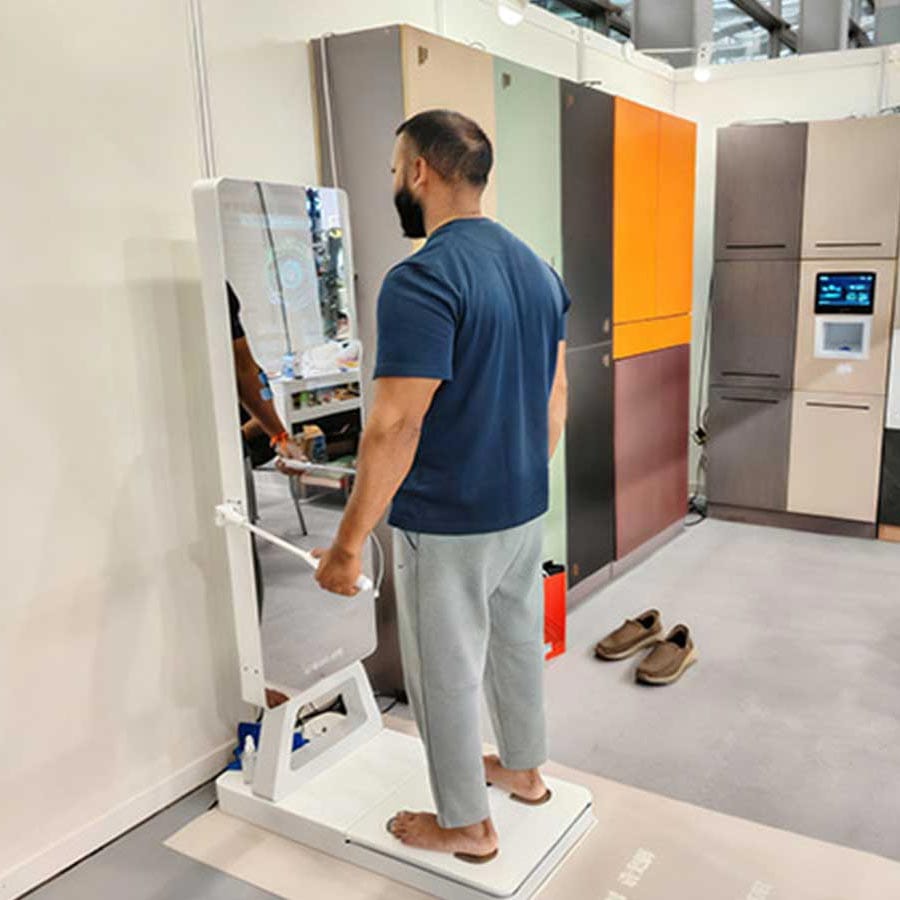
The body composition analyzer industry continues to evolve with new technology trends.
AI-driven Body Composition Analysis
AI can improve:
- Measurement accuracy
- Personalized recommendations
- Predictive health insights
Integration with Health Apps and Wearable Devices
Smart integration allows:
- Automatic data syncing
- Personalized fitness plans
- Remote monitoring
More Accurate Multi-frequency BIA Systems
Future devices will offer:
- Better impedance accuracy
- More measurement parameters
- Faster analysis time
Smart Healthcare and Telemedicine Applications
Body composition analyzers can support:
- Remote health monitoring
- Telemedicine consultations
- Chronic disease management
Conclusion
In summary, a body composition analyzer machine is a powerful tool for measuring and analyzing body health beyond basic weight or BMI. Whether you are a gym owner, nutritionist, medical professional, or home user, choosing the right device depends on your specific needs, desired accuracy, and budget.
As a manufacturer, we focus on producing high-quality, reliable body composition analyzer machines with advanced BIA technology, detailed reporting, and strong after-sales support. If you are looking for OEM/ODM solutions or bulk supply, feel free to contact us for customized options and competitive pricing.
FAQ
What is a body composition analyzer machine?
A body composition analyzer machine is a device that measures body fat, muscle mass, body water, visceral fat, and other health indicators using bioelectrical impedance analysis (BIA). It provides a more accurate health assessment than a standard body fat scale.
How accurate is a body composition analyzer machine?
Accuracy depends on the device quality and measurement conditions. Professional body composition analyzers using multi-frequency BIA and full-body electrodes typically offer higher accuracy than basic body fat scales. Proper calibration and consistent testing conditions also improve accuracy.
What is the difference between a body composition analyzer and a body fat scale?
A body fat scale mainly estimates body fat percentage based on weight and impedance, while a body composition analyzer machine provides detailed metrics like muscle mass, visceral fat, body water, and segmental analysis. The analyzer is more suitable for gyms, clinics, and professional use.
Who should use a body composition analyzer machine?
It is ideal for fitness centers, nutritionists, medical clinics, athletes, and health-conscious individuals who want detailed body analysis. It helps track fat loss, muscle gain, hydration levels, and overall health trends.
How often should a body composition analyzer machine be calibrated?
For professional use, calibration is recommended every 3–6 months, while for light home use, 6–12 months is usually sufficient. Regular calibration ensures accurate and stable measurements over time.