

Table of Contents
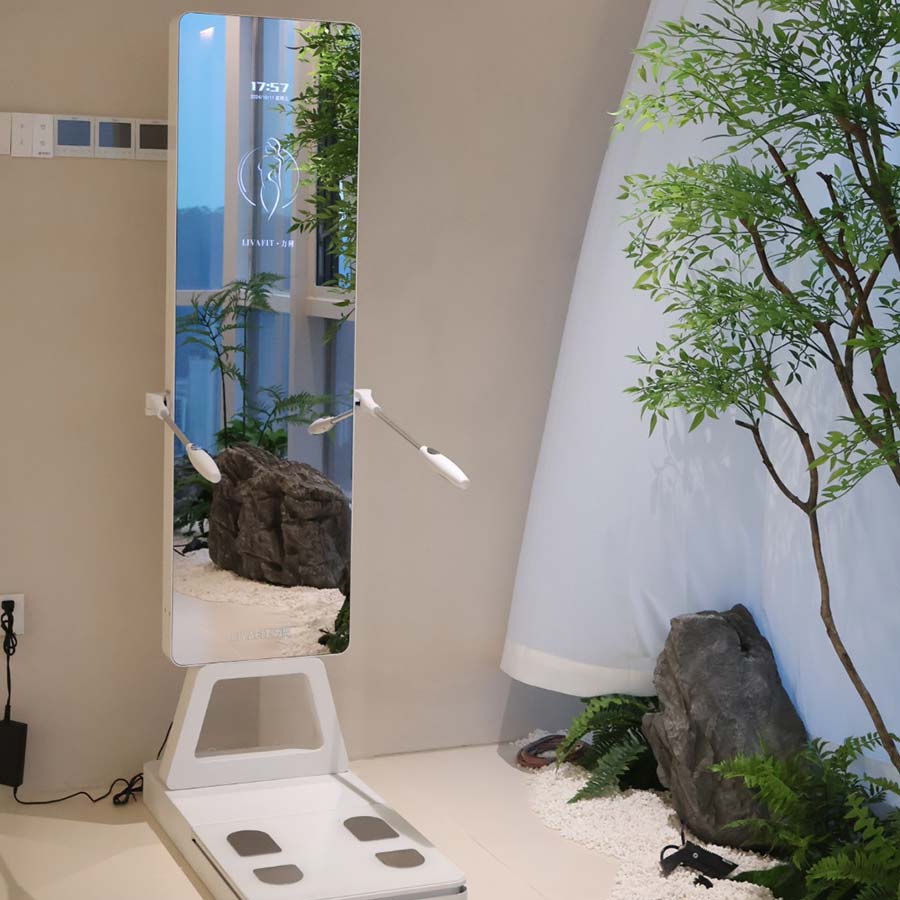
A professional body composition analyzer is a sophisticated device designed to measure body fat, muscle mass, body water, and other key health indicators. Unlike consumer smart scales, professional analyzers are built for accuracy, repeatability, and long-term monitoring. As a manufacturer, we understand the importance of reliable measurement technology, and our products are developed to meet the needs of gyms, clinics, sports teams, and health professionals. This guide explains how these devices work, what metrics they measure, and why they are essential for serious health and fitness environments.
What Is a Professional Body Composition Analyzer?
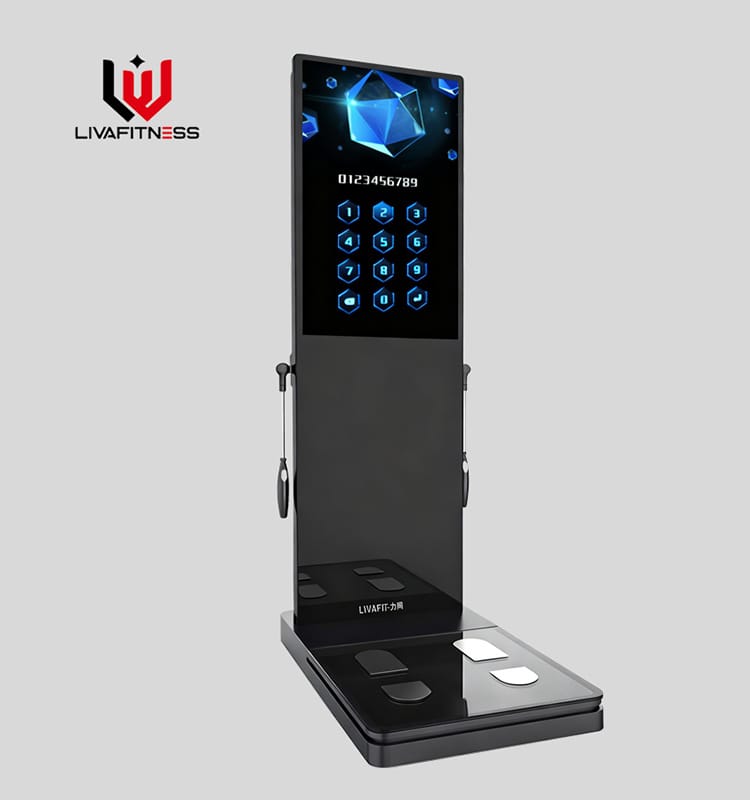
A professional body composition analyzer is a high-precision device used to assess the distribution of fat, muscle, and water in the body. These systems typically use bioelectrical impedance analysis (BIA), which sends a low-level electrical current through the body to estimate body composition based on resistance and reactance. The key difference between professional analyzers and standard consumer scales is the depth of data and measurement accuracy. Professional models often include multi-frequency and segmental analysis, enabling more detailed and reliable results.
Professional analyzers are widely used in fitness centers, medical clinics, and research institutions. They help trainers and clinicians understand a person’s body composition beyond just weight, providing a more complete picture of health and fitness status.
How Professional Body Composition Analyzers Work
The core technology behind professional body composition analyzers is bioelectrical impedance analysis. When a small electrical current passes through the body, it encounters different levels of resistance depending on the amount of water, fat, and muscle. Because muscle contains more water, it conducts electricity better than fat tissue. The device calculates body composition using algorithms based on impedance measurements, combined with user inputs such as height, age, sex, and sometimes activity level.
Professional analyzers often use multiple frequencies to improve accuracy. Lower frequencies tend to travel through water and body fluids, while higher frequencies can penetrate cell membranes, providing a better estimate of intracellular and extracellular water. Many professional devices also perform segmental analysis, measuring body composition separately for the arms, legs, and trunk. This is especially useful for athletes and clinical patients, where imbalances can indicate injury risk or health issues.
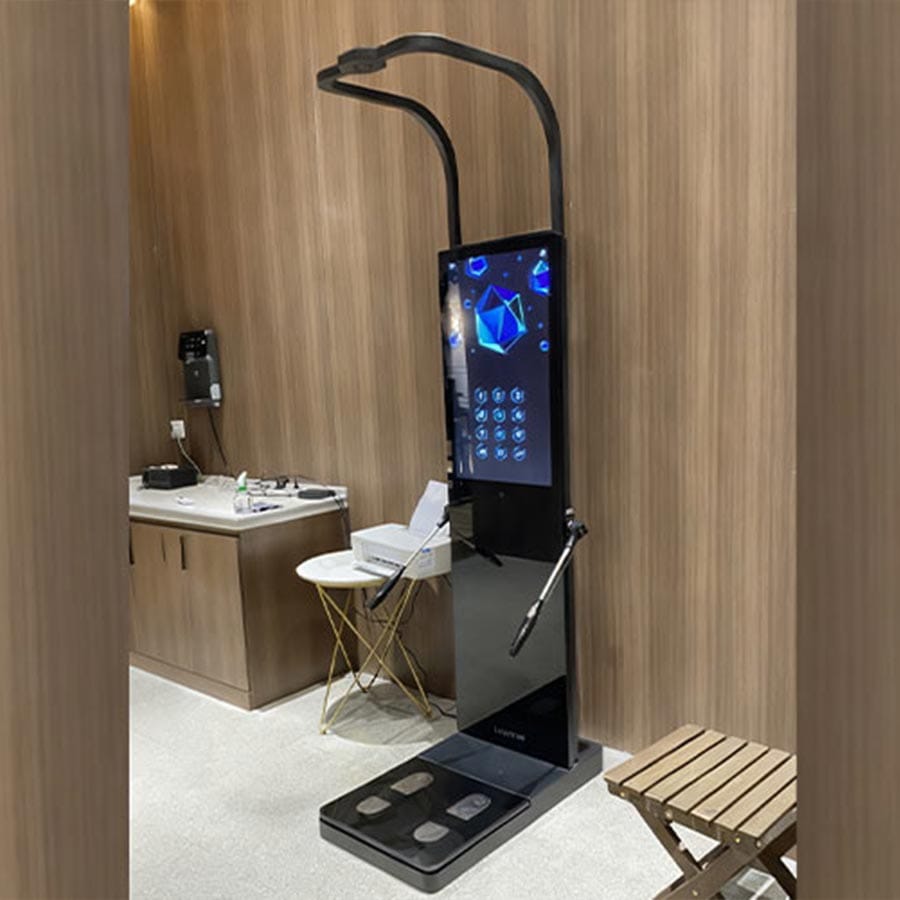
The number of electrodes also matters. A professional body composition analyzer with 8 electrodes typically offers better precision and segmental detail compared to 4-electrode models. The 8-electrode design allows measurements from both hands and feet, giving a more complete picture of body composition.
Core Metrics You Can Measure (Beyond Body Fat)
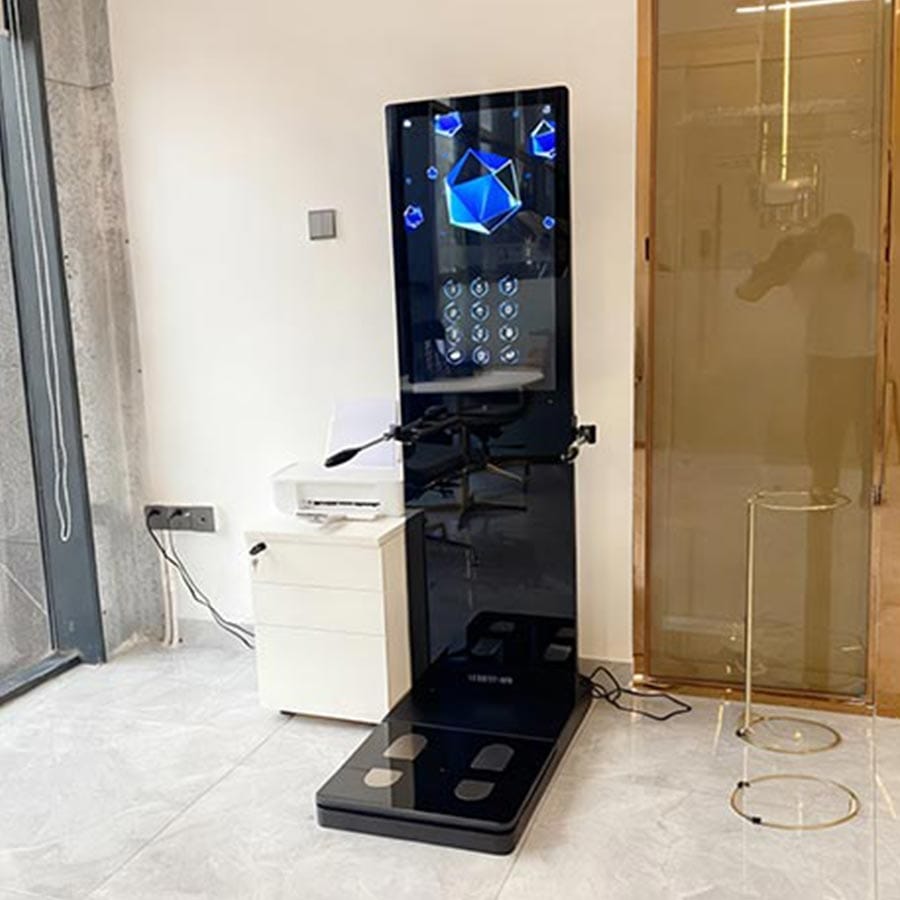
Professional body composition analyzers provide a range of health metrics that are critical for monitoring progress and designing effective training or treatment plans. Key indicators include:
Body Fat Percentage and Visceral Fat
Body fat percentage is the proportion of fat mass relative to total body weight. Visceral fat refers to fat stored around internal organs and is a major risk factor for metabolic diseases. A professional analyzer can estimate both, helping to track changes over time.
Muscle Mass and Skeletal Muscle Index
Muscle mass is a key factor for strength, metabolism, and overall health. Skeletal muscle index (SMI) is often used in clinical settings to assess sarcopenia (age-related muscle loss). For athletes, monitoring muscle mass can help optimize training and recovery.
Body Water and Hydration Status
Body water is an essential metric for health and athletic performance. Hydration status affects strength, endurance, and recovery. Professional analyzers provide both total body water (TBW) and intracellular/extracellular water (ICW/ECW) ratios.
Basal Metabolic Rate (BMR)
BMR indicates the number of calories the body needs at rest to maintain basic physiological functions. This metric is valuable for nutrition planning and weight management programs.
BMI and Metabolic Age
While BMI is a basic measure, professional analyzers provide additional context. Metabolic age compares your basal metabolic rate to average values for different ages, helping to identify potential health risks.
Why a Professional Analyzer Is Essential for Gyms and Clinics
Professional body composition analyzers are not just measurement tools; they are powerful devices for improving client outcomes and business performance.
For Gyms and Fitness Centers
- Personalized training plans: Trainers can tailor programs based on muscle and fat distribution, rather than relying on weight alone.
- Progress tracking: Detailed data helps clients see measurable changes, improving motivation and retention.
- Competitive advantage: Offering professional body composition analysis can attract more members and build credibility.
For Clinics and Healthcare Providers
- Health monitoring: Body composition data supports obesity management, diabetes prevention, and cardiovascular risk assessment.
- Patient tracking: Clinicians can monitor changes over time, improving treatment effectiveness.
- Evidence-based care: The data provides objective measures for health interventions and lifestyle adjustments.
Key Features to Look for in a Professional Body Composition Analyzer
When choosing a professional body composition analyzer, there are several features that distinguish high-quality devices:
Accuracy and Consistency
A professional analyzer should deliver consistent results across repeated tests. Multi-frequency BIA and segmental analysis enhance accuracy, making the device suitable for clinical use.
Connectivity and Software Support
Modern analyzers often support Bluetooth or Wi-Fi, enabling data transfer to mobile apps or management software. This is especially important for gyms and clinics that track multiple clients. Cloud-based reporting and data storage can streamline operations and improve customer experience.
Built-in Printer and Report Options
Many professional devices include a built-in printer for instant reports. This is useful for gyms, clinics, and health screenings, allowing users to take home detailed results.
Multi-user Profiles and Data Management
Professional models typically support multiple user profiles and long-term data tracking. This feature is crucial for commercial settings where many clients are tested regularly.
Commercial-grade Durability and Warranty
Professional analyzers are designed for frequent use. Look for durable materials, reliable hardware, and comprehensive warranty and after-sales support.
Pro Body Composition Analyzer vs Other Tools
It’s important to understand how professional body composition analyzers compare with other measurement tools.
| Measurement Tool | Pros | Cons | Best Use Case |
|---|---|---|---|
| Professional body composition analyzer | High detail, segmental analysis, repeatable results | Requires proper setup and calibration | Gyms, clinics, sports teams |
| Smart scale | Affordable, convenient | Less accurate, limited metrics | Home use |
| DEXA scan | Very accurate, medical standard | Expensive, limited access | Medical diagnosis |
| Skinfold caliper | Low cost, quick | User-dependent, less consistent | Basic body fat estimation |
This comparison highlights why professional analyzers are preferred in commercial and clinical settings.
How to Interpret Body Composition Results Correctly
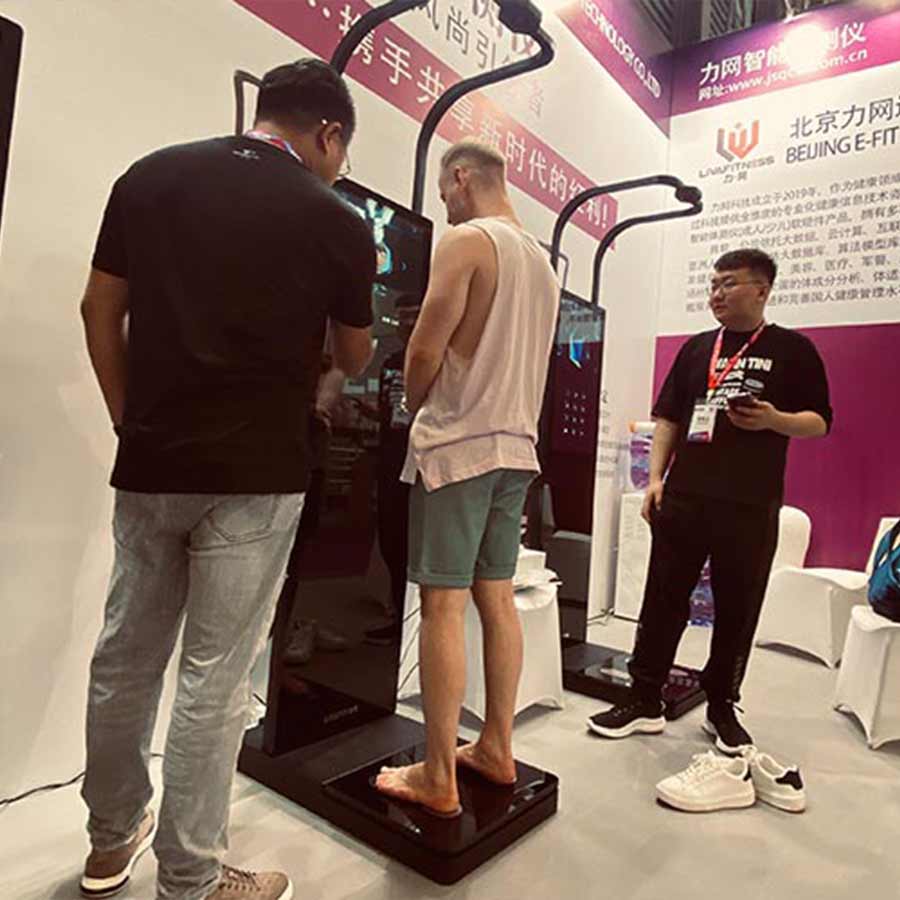
Reading a body composition report requires more than just looking at numbers. Understanding what each metric means can help you make informed decisions.
Understanding the Report Layout
Most professional analyzers provide a multi-section report that includes fat mass, muscle mass, water distribution, and metabolic indicators. It is important to interpret these metrics in context, considering age, sex, and activity level.
Common Misconceptions
A common misunderstanding is that weight loss always means fat loss. In reality, weight changes can be due to water shifts or muscle loss. Professional analyzers help clarify this by separating fat and lean mass.
Setting Realistic Goals
Using body composition data, you can set measurable goals, such as reducing visceral fat, increasing muscle mass, or improving hydration levels. This approach is more effective than focusing solely on the scale.
Installation, Calibration, and Maintenance Tips
To ensure accuracy and longevity, professional analyzers must be properly installed and maintained.
Setup Guide
- Place the device on a flat surface.
- Connect power and initialize the system.
- Set up user profiles and input correct height, age, and sex.
- Perform a test measurement and verify results.
Calibration and Accuracy Checks
Calibration should be performed regularly, especially in high-use environments. Some devices include built-in calibration routines, while others may require professional service.
Daily Maintenance
- Clean electrodes with a soft cloth and approved disinfectant.
- Avoid excessive moisture and direct sunlight.
- Keep the device stable and avoid impacts.
Troubleshooting
If results appear inconsistent, check electrode contact, user input accuracy, and device calibration. For persistent issues, consult the manufacturer’s support.
Why Choose Our Professional Body Composition Analyzer
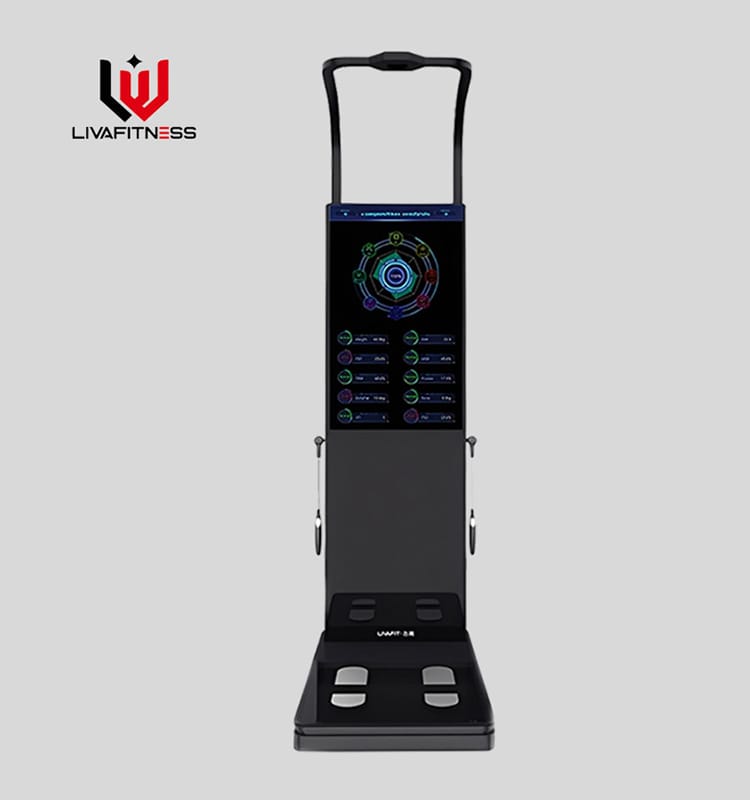
As a manufacturer, we prioritize quality, innovation, and customer satisfaction. Our body composition analyzers are developed with strict quality control standards, and we offer customization options for branding, software integration, and hardware features. Whether you need a device for a gym, clinic, or research institution, we provide reliable products backed by professional support and training.
Our manufacturing process includes rigorous testing to ensure consistent accuracy, and we maintain strong after-sales service to support long-term use. Choosing a manufacturer with a strong R&D team and stable production capacity ensures you receive a device that performs reliably over time.
Conclusion
A professional body composition analyzer is an essential tool for gyms, clinics, and health professionals who need accurate, detailed body composition data. Compared to consumer smart scales and basic measurement tools, professional analyzers provide more reliable results and deeper insights into body fat, muscle mass, hydration, and metabolic health. As a manufacturer, we are committed to producing high-quality devices that meet commercial and clinical requirements. If you are looking for a professional body composition analyzer with strong accuracy, durable design, and comprehensive support, contact us for quotes, demos, or customization options.
FAQ
Q1: What is a professional body composition analyzer?
A professional body composition analyzer is a high-precision device that measures body fat, muscle mass, body water, and other health indicators using bioelectrical impedance analysis (BIA). It is commonly used in gyms, clinics, and fitness centers.
Q2: How accurate is a professional body composition analyzer?
Accuracy depends on the device’s technology, electrode count, and calibration. Professional models with multi-frequency BIA and 8-electrode design typically provide more reliable and repeatable results than consumer smart scales.
Q3: Who should use a professional body composition analyzer?
It is ideal for fitness professionals, personal trainers, sports teams, medical clinics, and anyone who needs detailed body composition data for training or health monitoring.
Q4: What metrics can a professional body composition analyzer measure?
Common metrics include body fat percentage, visceral fat, muscle mass, total body water, basal metabolic rate (BMR), and segmental analysis for arms, legs, and trunk.
Q5: How do I maintain and calibrate a professional body composition analyzer?
Regular cleaning of electrodes, proper device placement, and periodic calibration checks are essential. Many models offer built-in calibration routines or professional maintenance services to ensure long-term accuracy.