
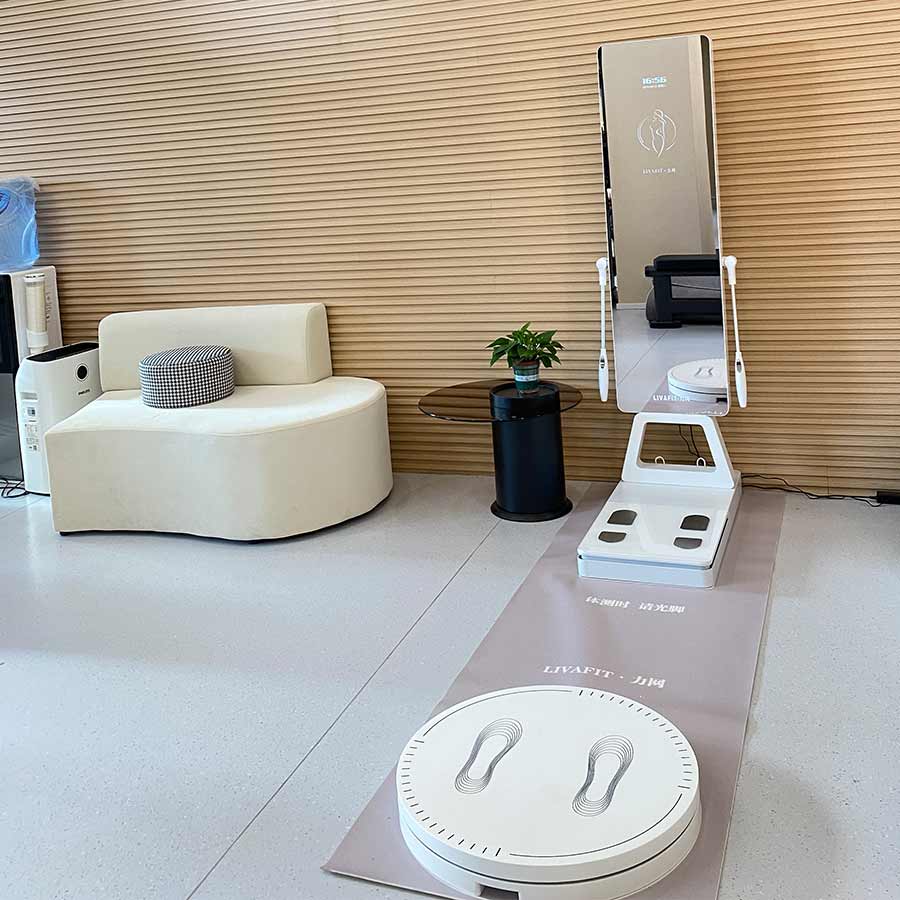
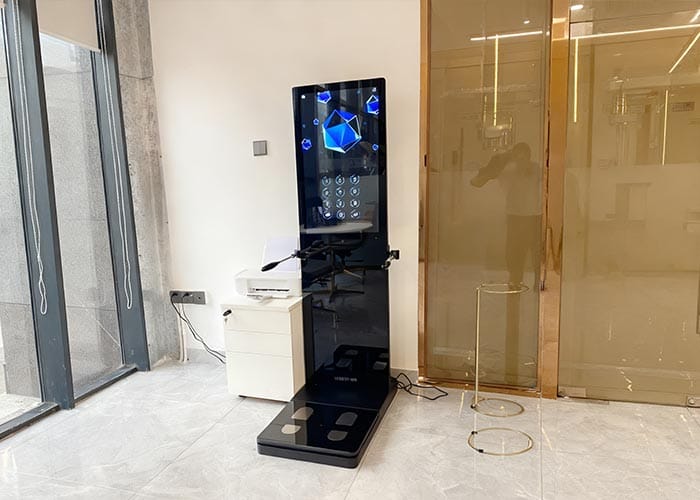

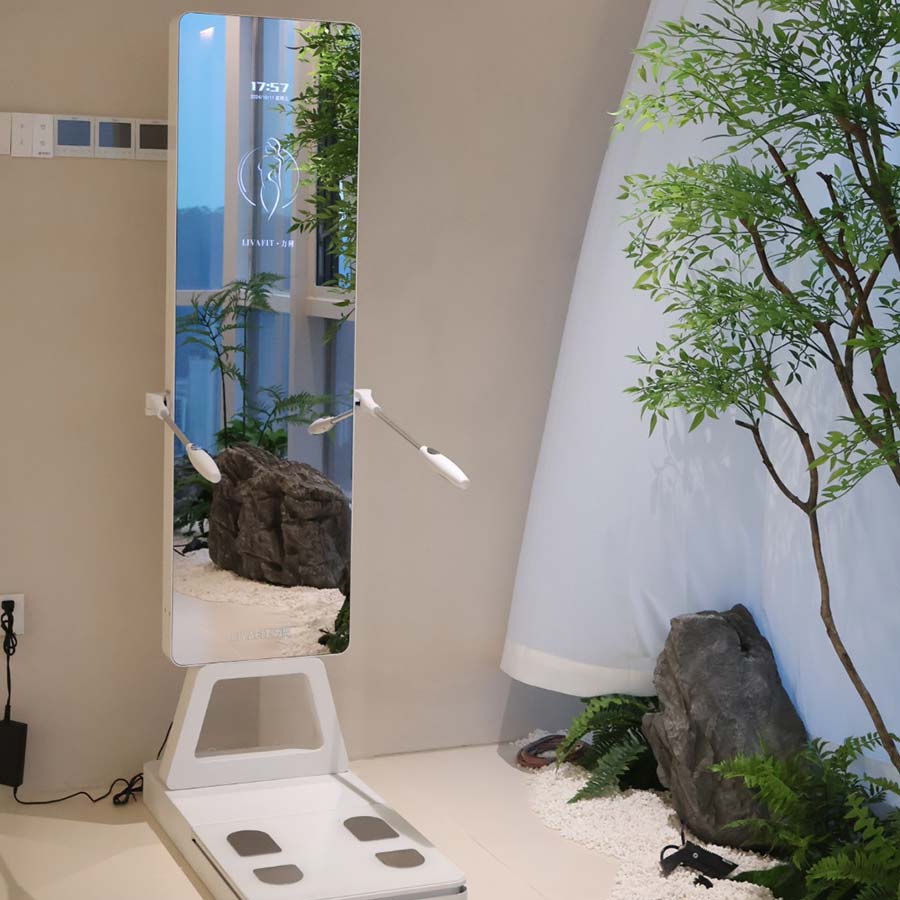
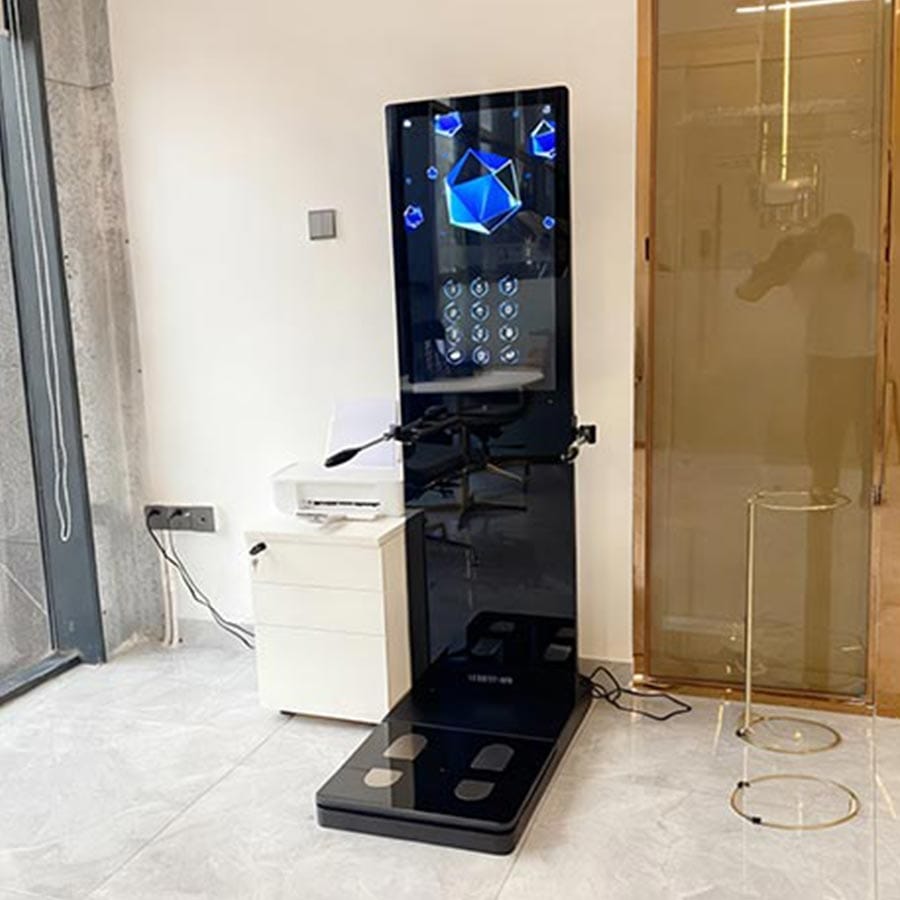
A multi frequency body composition analyzer can provide far more information than body weight or BMI alone. Depending on the system, it may estimate body fat, skeletal muscle mass, body water distribution, visceral fat level, segmental balance, basal metabolic rate, and other indicators that help professionals track changes over time.
However, a longer list of measurements does not automatically make one analyzer more useful than another. Frequency range, electrode design, testing protocol, report quality, software integration, operator training, and after-sales support can all influence whether a system delivers practical value.
For gyms, nutrition centers, rehabilitation facilities, wellness programs, and health screening providers, the real question is not simply, “How many metrics can this machine display?” It is:
Can the analyzer produce consistent, understandable, and actionable results within the facility’s daily workflow?
This guide explains nine checks that buyers should complete before selecting a commercial multi frequency body composition analyzer.
Table of Contents
What Does a Multi Frequency Body Composition Analyzer Measure?
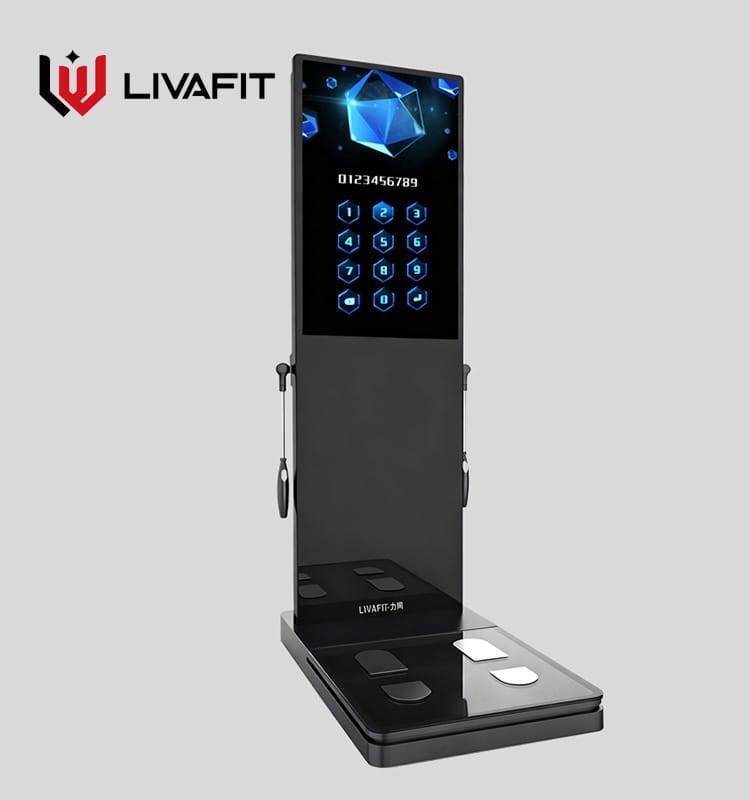
A multi frequency body composition analyzer commonly uses bioelectrical impedance analysis, or BIA. During a test, the system sends very small electrical currents through the body and measures the opposition encountered by those currents.
This opposition is usually described through two components:
- Resistance: Opposition primarily associated with body fluids.
- Reactance: The delayed response associated with cell membranes and tissue structures.
Because water-rich lean tissue conducts current differently from fat tissue, impedance data can be combined with information such as height, weight, age, and sex to estimate body composition.
Common outputs may include:
- Total body water
- Intracellular water
- Extracellular water
- Body fat percentage
- Fat mass
- Fat-free mass
- Skeletal muscle mass
- Segmental muscle distribution
- Visceral fat indicators
- Basal metabolic rate
- Body composition score
- Muscle and fat balance
- Weight-control recommendations
You can review Luofit’s range of professional body composition analyzers to see how different measurement configurations support different facility requirements.
BIA results are estimates rather than direct images of body tissues. They should be interpreted as part of a broader assessment and should not be treated as a standalone medical diagnosis.
Why Do Multiple Frequencies Matter in BIA?
Electrical currents at different frequencies interact with body tissues differently.
Lower-frequency currents tend to travel mainly through extracellular fluid because they have more difficulty passing through cell membranes. Higher-frequency currents can pass through cell membranes more readily and provide additional information related to both extracellular and intracellular water.
Using multiple frequencies can therefore help an analyzer develop a more detailed model of body water and tissue distribution than a basic single-frequency system.
A peer-reviewed overview of BIA principles explains how frequency, body geometry, hydration, and prediction equations influence bioelectrical impedance measurements.
However, the number of frequencies alone does not determine quality. Measurement pathways, electrode contact, algorithms, user positioning, and test preparation also affect the final result.
Check 1: Look Beyond the Number of Frequencies
Some buyers compare analyzers based only on how many frequencies appear in the specification sheet. This is understandable, but it can lead to an incomplete decision.
When reviewing a multi frequency body composition analyzer, ask the supplier:
- Which frequencies are used?
- Are the frequencies applied to the whole body or individual body segments?
- Does the device directly measure each segment?
- What electrode configuration is used?
- How does the system detect poor electrode contact?
- Are raw impedance values available?
- What populations were used to develop or validate the equations?
- Can the device produce consistent results during repeated tests?
A system using several frequencies may collect useful information about body water, but its practical performance still depends on how those signals are measured and interpreted.
For facilities that primarily need efficient body composition screening, the LW-760 body analyzer provides an example of a multi-frequency BIA configuration designed for professional environments.
The best specification is not necessarily the one with the largest number. It is the one that supports the facility’s actual assessment goals.
Check 2: Distinguish Multi-Frequency Analysis from Segmental Analysis
Multi-frequency and segmental analysis describe different aspects of an analyzer.
Multi-frequency analysis refers to the use of more than one electrical frequency.
Segmental analysis refers to measuring or estimating different parts of the body separately, such as:
- Left arm
- Right arm
- Trunk
- Left leg
- Right leg
A device can be multi-frequency without providing detailed segmental results. It can also provide segmental estimates with a limited frequency configuration. Buyers should therefore confirm both capabilities independently.
| Feature | Main Purpose | Practical Value |
|---|---|---|
| Multiple frequencies | Evaluates impedance responses at different frequencies | Supports more detailed water and tissue estimation |
| Segmental measurement | Assesses separate body regions | Helps identify muscle distribution and left-right differences |
| Eight-point electrodes | Creates contact through both hands and feet | Supports limb and trunk measurement pathways |
| Whole-body measurement | Produces a general body composition estimate | Suitable for basic screening and trend monitoring |
Segmental information may be especially valuable for sports training, rehabilitation, mobility assessment, and programs that monitor muscular balance.
For example, the LW-870 segmental body composition analyzer combines body composition analysis with posture and circumference-related functions. Buyers who are new to BIA can also review this body composition analyzer guide before comparing configurations.
Check 3: Separate Repeatability from Accuracy
Accuracy and repeatability are related, but they are not the same.
Accuracy describes how closely a result agrees with an accepted reference method.
Repeatability describes how consistently the system produces similar results when the same person is measured under similar conditions.
For most commercial facilities, repeatability is essential because users are often tested multiple times to monitor progress. Even if an analyzer uses a sophisticated algorithm, inconsistent testing conditions can make small changes difficult to interpret.
A 2024 study examining multi-frequency BIA reliability and accuracy highlights the importance of evaluating both agreement with reference methods and consistency between repeated measurements.
When comparing systems, ask for information about:
- Test-retest reliability
- Validation populations
- Reference methods used
- Measurement error
- Minimum detectable change
- Performance across different BMI ranges
- Performance across different age groups
- Results under standardized testing conditions
If possible, conduct repeated tests on the same individuals before purchasing. A practical in-facility trial may reveal workflow or consistency issues that are not visible in a product brochure.
Check 4: Standardize Pre-Test Conditions
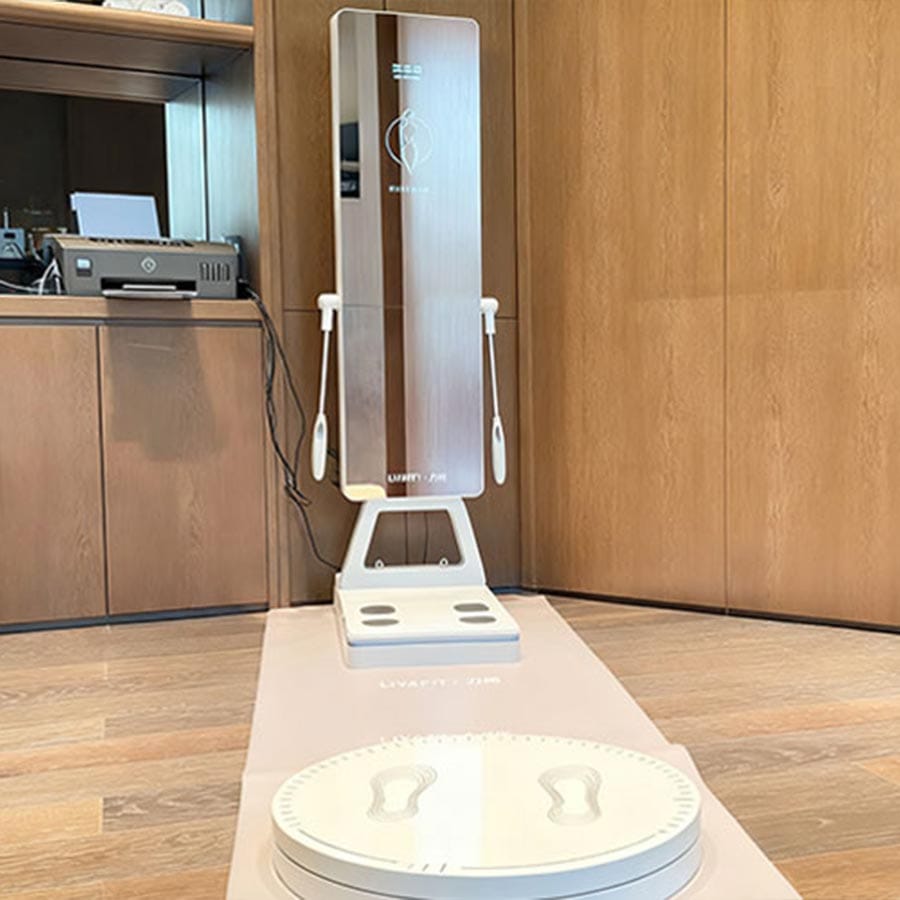
Even a technically advanced multi frequency body composition analyzer can produce misleading trend data if testing conditions change from one visit to another.
Body water distribution can be influenced by:
- Recent food and fluid intake
- Exercise
- Alcohol consumption
- Bladder status
- Skin temperature
- Sweating
- Menstrual cycle-related changes
- Time of day
- Clothing
- Contact between the hands, feet, and electrodes
Research on pre-test conditions for BIA measurements shows why facilities should control testing procedures when comparing results over time.
A practical standard operating procedure may include the following steps:
- Test the person at a similar time of day whenever possible.
- Follow the equipment manufacturer’s instructions regarding food, drink, and exercise.
- Ask the user to empty their bladder before testing.
- Remove shoes, socks, heavy outerwear, watches, and unnecessary metal accessories.
- Make sure the hands and feet are clean and positioned correctly.
- Confirm that the user remains still during measurement.
- Record unusual conditions that may influence the result.
- Compare trends only when tests were performed under reasonably similar conditions.
The objective is not to create a perfect laboratory environment. It is to reduce avoidable variation so that changes are more likely to reflect actual progress.
Check 5: Choose Metrics That Support Real Decisions
A report containing dozens of numbers may look impressive, but not every metric will be useful to every facility.
Before choosing an analyzer, define the decisions staff need to make after receiving the results.
| Facility Type | Useful Outputs | Typical Application |
| Gym or fitness club | Body fat, skeletal muscle, segmental balance, progress trends | Member assessment and program review |
| Nutrition center | Fat mass, lean mass, body water, visceral fat indicators | Nutrition planning and follow-up |
| Rehabilitation center | Segmental lean mass, left-right balance, posture-related information | Monitoring functional recovery |
| Wellness center | Body composition score, body fat, muscle mass, metabolic indicators | General wellness assessments |
| Health screening facility | Body composition, blood pressure, heart rate, oxygen-related indicators | Multi-parameter screening |
| Sports facility | Muscle distribution, body fat, body water, circumference trends | Training and conditioning support |
For fitness operators, a structured testing program can also support member communication and retention. This guide explains how to use a gym body composition analyzer for member retention.
Facilities focused on recovery can review applications of a body composition analyzer for rehabilitation centers, while dietitians and wellness professionals may benefit from understanding how analyzers are used in a nutrition center.
The most valuable metrics are the ones that staff understand, can explain responsibly, and can connect to an appropriate follow-up action.
Check 6: Evaluate the Report, Not Just the Measurement List
The report is where measurement data becomes useful to staff and users.
A well-designed report should make it easy to identify:
- Current body composition status
- Muscle and fat distribution
- Left-right differences
- Changes from previous tests
- Areas that may require attention
- Reference ranges
- Measurement date and testing conditions
- Important interpretation notes
Reports should use understandable charts and labels rather than forcing users to interpret a dense page of technical data.
Before purchasing, request a full sample report and ask:
- Can staff explain it in a few minutes?
- Are the most important results easy to locate?
- Can previous tests be displayed as trends?
- Are units and reference ranges clear?
- Can the report be printed or exported?
- Can the facility add its own logo or contact details?
- Are different languages available?
- Can unnecessary sections be removed?
- Does the report distinguish estimates from measured values?
If a system includes posture assessment, the report should present posture findings separately from BIA results. The LW-770 body analyzer illustrates how body composition and 3D posture-related features can be combined within a broader assessment workflow.
A clear report can improve consultation quality. A confusing report can create additional work and increase the risk of overinterpreting small changes.
Check 7: Test the Complete Facility Workflow
Product selection should reflect what happens before, during, and after every test.
A technically capable analyzer may still be unsuitable if it causes long queues, requires complicated manual input, or produces reports that staff cannot access efficiently.
Evaluate the complete workflow:
Before the Test
- How is a new user registered?
- Can existing customer information be retrieved quickly?
- Is height measured automatically or entered manually?
- Can the system connect with membership or patient records?
- Are consent and privacy procedures supported?
During the Test
- How long does positioning take?
- Are hand and foot placements clearly marked?
- Can users with limited mobility access the platform?
- Does the system provide voice or screen instructions?
- Can operators identify poor electrode contact?
- Is the platform stable and easy to clean?
After the Test
- How quickly is the report generated?
- Can results be printed, emailed, or exported?
- Are previous measurements displayed automatically?
- Can multiple staff members access the data?
- Is it easy to explain the results to the user?
A busy gym may prioritize fast testing and clear progress charts. A rehabilitation facility may place greater value on accessibility, segmental information, and posture assessment. A screening center may require several health measurements within one station.
For facilities requiring body composition alongside height and other health indicators, the LW-790 health screening analyzer offers a broader multi-parameter configuration.
Check 8: Review Data Ownership, Privacy, and Integration
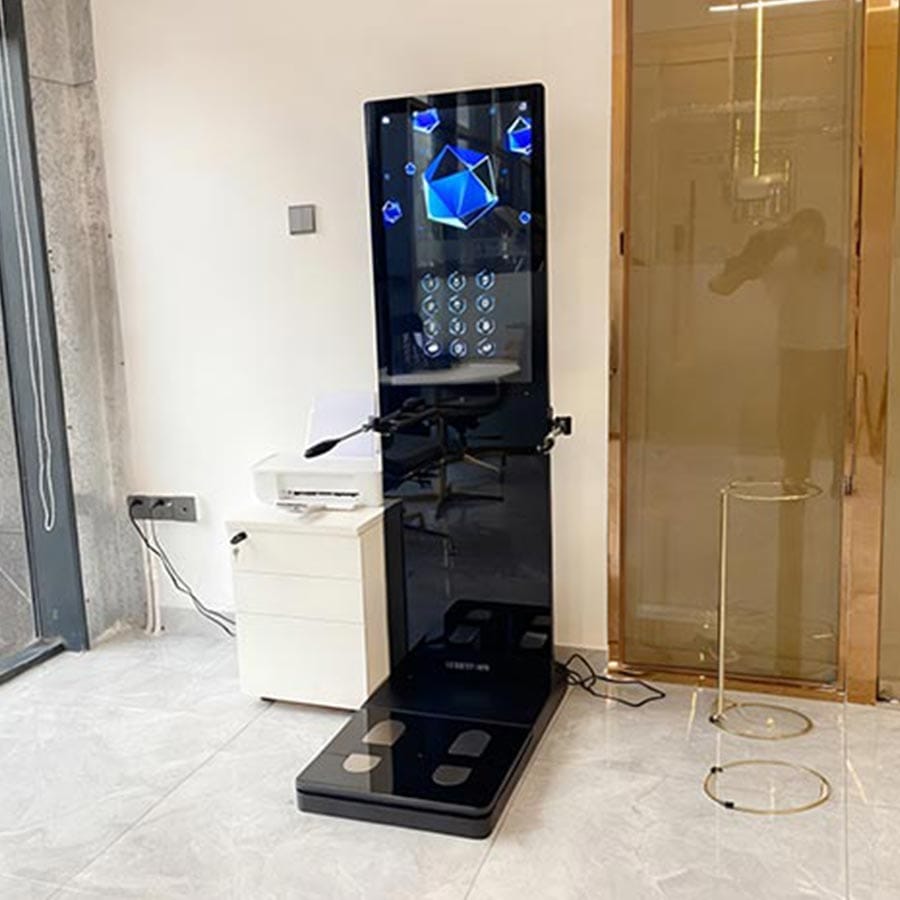
Body composition results may be sensitive personal information. Data handling should therefore be evaluated before the equipment is installed.
Ask the supplier:
- Where is user data stored?
- Who owns the collected data?
- Can the facility export all records?
- What happens to the data if service is discontinued?
- Are user roles and access permissions available?
- Can records be deleted when required?
- Is data encrypted during transfer and storage?
- Is an API available?
- Can the analyzer operate if the internet connection is interrupted?
- Are software updates documented?
- Can the system integrate with existing facility software?
If an analyzer uses a cloud platform, confirm whether the facility can access historical results from multiple devices and locations. Also determine whether data storage arrangements are appropriate for the laws and policies that apply in the destination market.
For organizations requiring cloud management, remote access, 3D scanning, and integration capabilities, the LW-880 body analyzer demonstrates a more connected assessment configuration.
Software should be evaluated as part of the product, not as an optional extra. In many facilities, long-term access to records is as important as the analyzer itself.
Check 9: Assess Supplier and Lifecycle Support
A commercial body composition analyzer is an operational system that includes hardware, software, training, reporting, and ongoing support.
Before placing an order, confirm what support is available throughout the product lifecycle.
Important questions include:
- Is remote installation guidance available?
- What operator training is included?
- Are user manuals and training videos available?
- Which languages are supported?
- How are software updates delivered?
- How are technical problems diagnosed?
- Are replacement parts available?
- What routine maintenance is required?
- How are warranty cases handled?
- Can reports or interfaces be customized?
- What compliance documents can be supplied?
- Is support available after the warranty period?
The supplier should also explain what the analyzer can and cannot be used for. Responsible product documentation should avoid presenting estimated body composition values as definitive medical diagnoses.
Review the Luofit FAQ for general product and service information. For market-specific documentation, integration, customization, or support questions, contact the Luofit team with details about your facility and intended application.
A Practical Buyer Test Before Making a Decision
A product demonstration should go beyond watching a single successful measurement.
Use a structured evaluation involving several representative users. If possible, include people with different heights, body sizes, ages, and activity levels.
Step 1: Test Setup
Ask a staff member who has not previously used the analyzer to complete the normal setup process. This helps determine whether the interface and instructions are intuitive.
Step 2: Repeat Measurements
Test the same person more than once under unchanged conditions. The results do not need to be perfectly identical, but large unexplained differences should be investigated.
Step 3: Change the Operator
Have a second staff member perform the test. This can reveal whether positioning and instruction differences affect the workflow.
Step 4: Review the Report
Give the report to the people who will use it in daily consultations. Ask them to identify the three most important findings without supplier assistance.
Step 5: Export the Data
Test printing, exporting, cloud access, and any required software connection. Do not assume that a feature listed as “supported” will automatically match the facility’s current system.
Step 6: Simulate a Busy Period
Estimate the total time required for registration, preparation, testing, cleaning, explanation, and report delivery. The advertised measurement time represents only one part of the complete process.
Step 7: Request Documentation
Collect the user manual, sample report, technical specifications, software requirements, support policy, and relevant compliance documents before making the final comparison.
This process converts a general product presentation into a realistic operational test.
How Different Analyzer Configurations Fit Different Applications
There is no single ideal configuration for every organization.
A gym that wants to introduce progress consultations may need fast BIA testing, trend reports, and an easy-to-use customer database. A sports facility may prioritize segmental muscle analysis. A rehabilitation center may require posture information and accessible testing. A health screening provider may need several measurements in one station.
Luofit’s product configurations include:
- LW-760 multi-frequency body analyzer for professional body composition assessment.
- LW-770 body analyzer combining BIA with posture-related assessment.
- LW-870 segmental body analyzer for body composition, circumference, and posture-oriented applications.
- LW-880 connected body analyzer for facilities requiring 3D assessment, cloud functions, and integration options.
- LW-790 health screening analyzer for broader multi-parameter screening workflows.
The right choice should be based on the facility’s users, assessment purpose, available space, daily test volume, staff experience, reporting requirements, and software environment.
Common Mistakes When Buying a Body Composition Analyzer

Choosing by Metric Count Alone
A large measurement list does not guarantee that every output is validated, understandable, or relevant to the facility.
Treating Every Small Change as Progress
Minor differences may reflect hydration, recent exercise, food intake, positioning, or normal measurement variation. Trends should be interpreted over time.
Ignoring the Testing Protocol
Without standardized preparation and positioning, even a repeatable analyzer may generate inconsistent progress records.
Confusing Screening with Diagnosis
Body composition analyzers can support assessment and monitoring, but their outputs should not be used to diagnose a medical condition without appropriate clinical evaluation.
Failing to Test the Software
Slow data entry, limited export options, or poor report access can reduce the practical value of otherwise capable hardware.
Overlooking After-Sales Support
Installation, training, troubleshooting, software maintenance, and spare-part availability can affect the system long after delivery.
Selecting Features Without a Defined Use Case
Posture scanning, circumference analysis, cloud access, health measurements, and API integration are useful only when they support a planned service or operational requirement.
FAQ
Is a multi frequency body composition analyzer better than a single-frequency analyzer?
A multi-frequency analyzer can provide additional information about impedance and body water distribution. However, performance also depends on electrode configuration, algorithms, validation, user positioning, and testing conditions. Multiple frequencies should be considered together with the overall measurement system.
How often should body composition be measured?
The appropriate interval depends on the program and expected rate of change. Testing too frequently may highlight short-term fluid variation rather than meaningful progress. Facilities should establish a consistent schedule and repeat measurements under similar conditions.
Can users eat or exercise before a BIA test?
Recent meals, fluid intake, and exercise can influence body water distribution. Facilities should follow the manufacturer’s preparation instructions and use a consistent protocol for repeat measurements.
Is BIA the same as a medical diagnosis?
No. BIA estimates body composition using electrical impedance and prediction equations. Results can support professional assessment and progress monitoring, but they should not be treated as an independent medical diagnosis.
Why do results differ between two body composition analyzers?
Different analyzers may use different frequencies, electrodes, measurement pathways, equations, reference populations, and reporting methods. Results from different systems should not automatically be treated as interchangeable.
What is the advantage of an eight-point electrode system?
An eight-point system typically creates contact through both hands and feet, allowing current to travel through several body pathways. This configuration can support segmental assessment, although buyers should still verify whether each segment is directly measured.
Can a body composition analyzer measure visceral fat directly?
Most commercial BIA systems estimate a visceral fat level or area using impedance data and predictive algorithms. The result is not the same as direct imaging and should be described as an estimate.
What should a commercial facility ask during a product demonstration?
Ask for repeated measurements, a complete sample report, data export, cloud or API demonstrations, cleaning instructions, staff training details, technical documentation, and a clear explanation of after-sales support.
Conclusion
A multi frequency body composition analyzer should be evaluated as a complete assessment system rather than a collection of specifications.
The number of frequencies matters, but it is only one part of the decision. Buyers should also examine segmental measurement, repeatability, testing conditions, report usability, workflow, data management, software integration, and supplier support.
The most suitable analyzer is the one that:
- Matches the facility’s intended application
- Produces consistent results under standardized conditions
- Provides reports that staff and users can understand
- Fits the daily testing workflow
- Protects and preserves user data
- Includes reliable training and technical support
A structured product demonstration and repeatability test can reveal more than a specification comparison alone.
Explore Luofit’s body composition analyzer solutions or contact Luofit to discuss your application, reporting requirements, software integration, and preferred equipment configuration.