
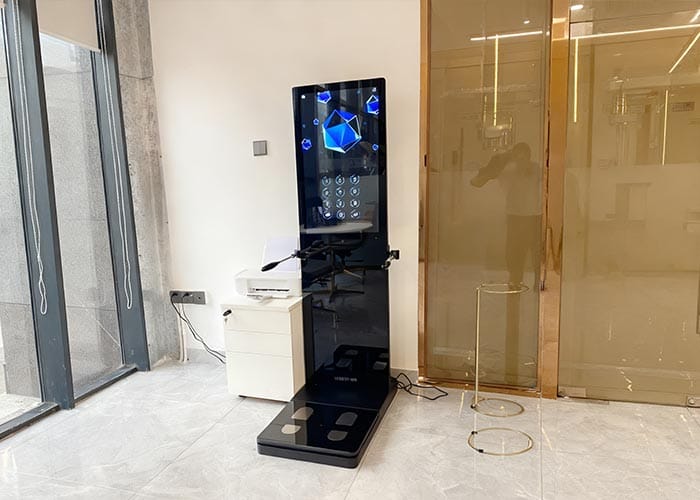
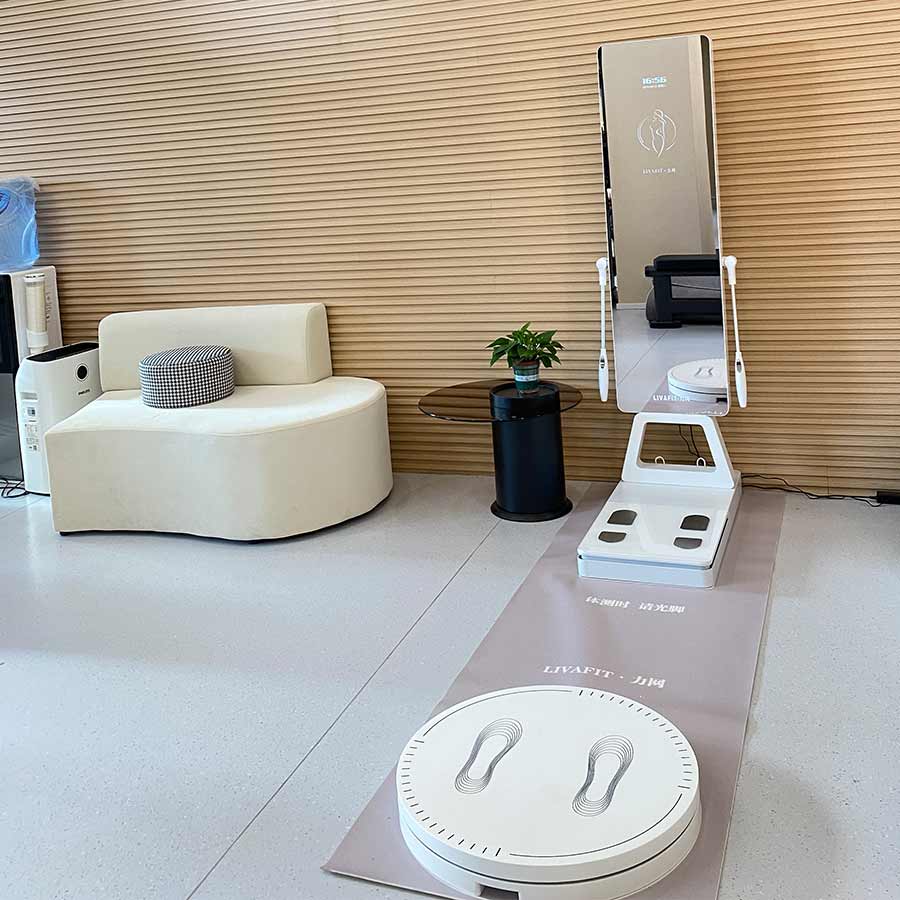

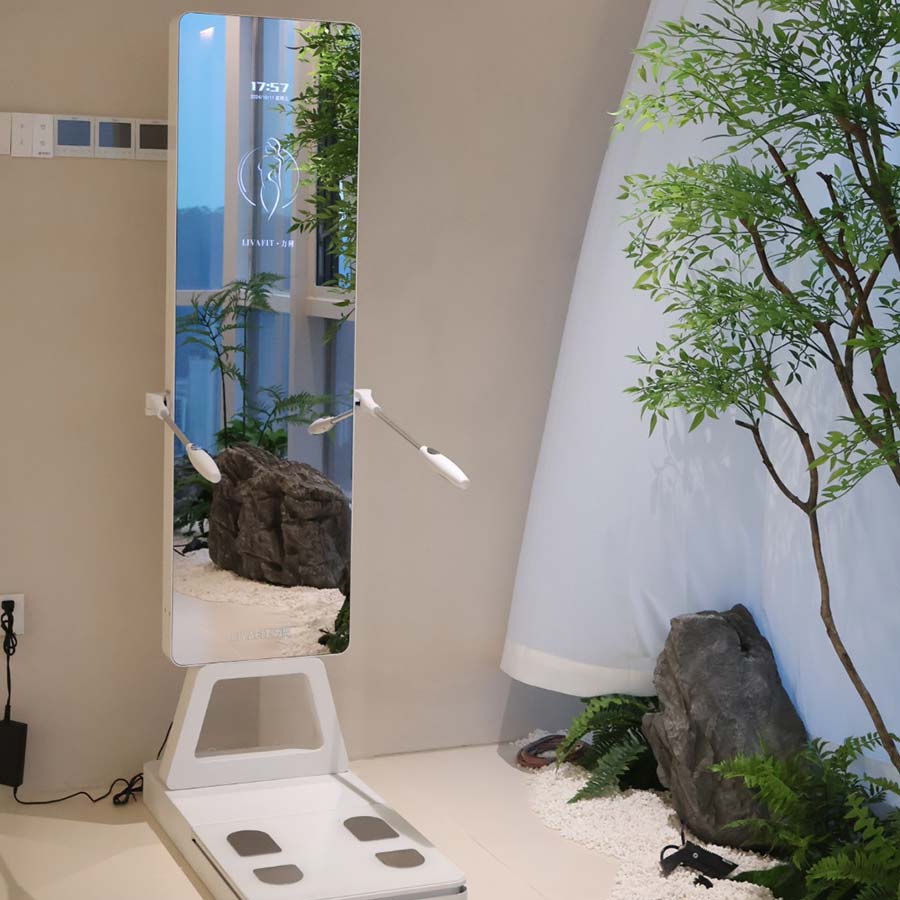
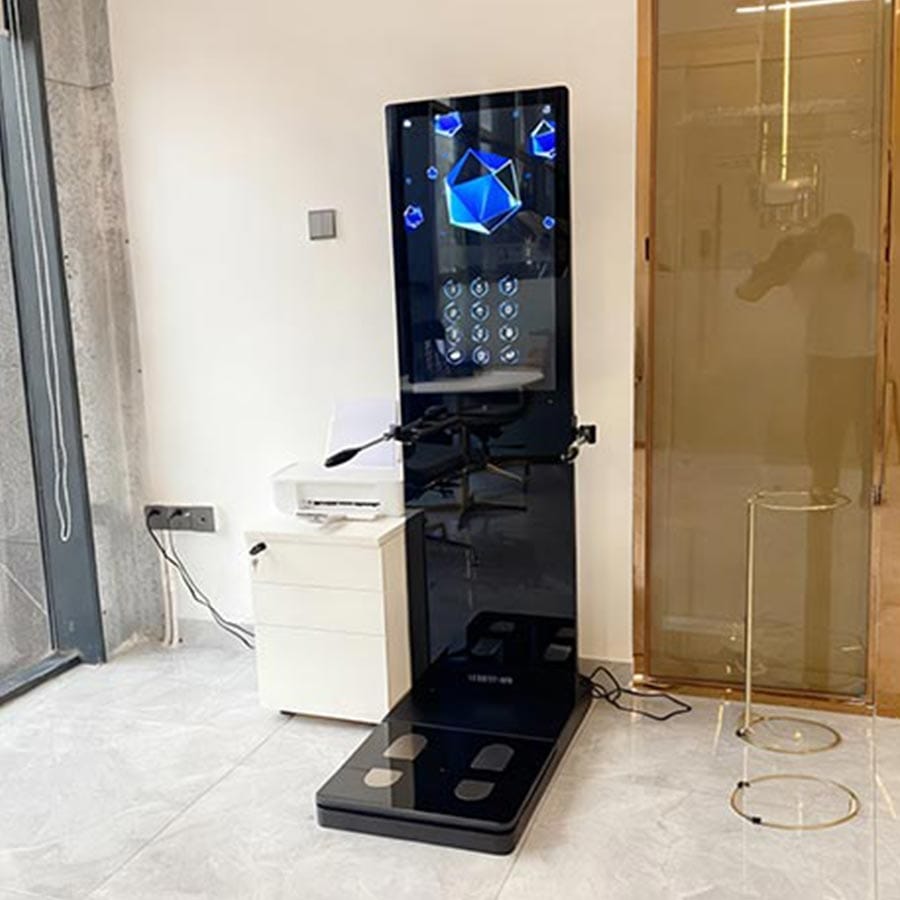
A body composition analyzer for rehabilitation center use can help rehabilitation facilities, physical therapy clinics, health management centers, and sports recovery programs create a more structured assessment process. Rehabilitation is not only about reducing discomfort or completing exercises. It often involves monitoring muscle condition, body balance, posture stability, functional capacity, and long-term physical changes.
For many clients, recovery progress is difficult to see. Body weight may stay the same, but skeletal muscle may improve. A person may feel more stable, but need objective follow-up data. A client may complete a rehabilitation program, but still have left-right imbalance, posture issues, or reduced muscle mass in certain body segments.
A professional body composition analyzer helps rehabilitation centers turn these changes into measurable reports. When used correctly, it can support client education, follow-up management, program adjustment, and better communication between staff and clients.
Table of Contents
Why Rehabilitation Centers Need More Than Weight and BMI
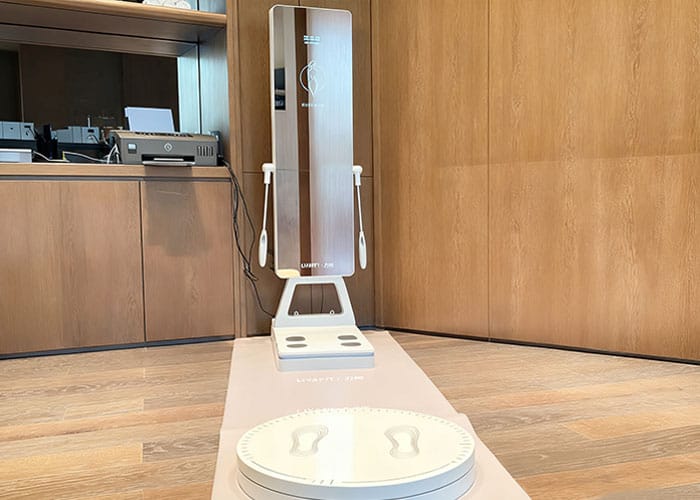
Weight and BMI are easy to measure, but they do not explain muscle distribution, fat changes, body water, segmental balance, or functional status. In rehabilitation settings, this information can be important because many clients need more than general weight tracking.
The WHO explains that rehabilitation helps people optimize functioning and improve independence in daily activities. For rehabilitation centers, this means assessment tools should support functional progress, not just simple body-size measurements.
A body composition analyzer for rehabilitation center applications can help staff monitor:
| Assessment Area | Why It Matters in Rehabilitation |
|---|---|
| Skeletal muscle mass | Helps track muscle condition during recovery |
| Segmental muscle analysis | Shows differences between arms, legs, and trunk |
| Body fat percentage | Provides context for body composition changes |
| Body water | Helps explain short-term measurement variation |
| Visceral fat level | Supports lifestyle and wellness guidance |
| Basal metabolic rate | Adds useful context for nutrition and activity planning |
| Posture-related indicators | Helps explain body alignment and movement issues |
| Balance or motor function data | Supports functional assessment workflows |
| Historical reports | Helps compare progress over time |
For rehabilitation centers, the value of body composition analysis is not diagnosis. It is assessment support, communication support, and progress tracking.
How Body Composition Data Supports Rehabilitation Progress Tracking
Rehabilitation progress can be slow and gradual. Clients may not notice improvement immediately, especially when changes happen inside the body or through functional control rather than visible appearance.
A body composition analyzer can support progress tracking in several ways.
Muscle Monitoring
Muscle mass is important in many rehabilitation and recovery programs. If a client has reduced muscle mass in one limb or poor segmental balance, the report can help staff explain why targeted training or corrective exercise may be needed.
Segmental Comparison
Segmental analysis can compare the left arm, right arm, trunk, left leg, and right leg. This is useful when clients need to understand imbalance after inactivity, injury, surgery, aging, or long-term physical limitation.
Body Water Interpretation
Body water can affect BIA readings and short-term body weight changes. A clear report helps staff explain why one measurement may fluctuate and why trends are more useful than single readings.
Posture and Alignment Awareness
Many rehabilitation clients have posture-related concerns, such as shoulder imbalance, pelvic tilt, forward head posture, or lower-limb alignment issues. Visual posture assessment can make these issues easier to understand.
Long-Term Follow-Up
A rehabilitation center can use repeat testing to compare changes over several weeks or months. This makes progress more visible and helps clients stay engaged.
Luofit’s application solutions cover rehabilitation centers, clinics, gyms, nutrition centers, beauty agencies, and other professional health assessment scenarios.
What a Rehabilitation Center Should Measure
A professional report may include many indicators, but rehabilitation staff should focus on the data most relevant to the client’s condition and program goals.
| Rehabilitation Goal | Key Indicators to Review | Practical Use |
| Muscle recovery | Skeletal muscle mass, segmental muscle | Track muscle condition over time |
| Balance improvement | Motor function, posture stability, coordination | Support functional progress review |
| Posture correction | Shoulder, pelvic, spine, and lower-limb alignment | Explain movement and body alignment issues |
| Weight management during recovery | Body fat, muscle mass, BMI, body water | Avoid judging progress by weight alone |
| Senior rehabilitation | Muscle mass, body water, balance-related data | Support safer long-term monitoring |
| Sports recovery | Segmental muscle, body water, posture stability | Help guide return-to-training decisions |
| Wellness rehabilitation | Body fat, visceral fat, BMR, trends | Support lifestyle and health management |
| Follow-up programs | Historical reports and trend charts | Improve client retention and plan adjustment |
The goal is not to overload clients with technical data. The goal is to select the right indicators and explain them in a way that connects to the rehabilitation plan.
Why BIA Is Useful in Rehabilitation Assessment
Many professional body analyzers use bioelectrical impedance analysis, also known as BIA. BIA estimates body composition by measuring the body’s electrical properties. Because fat, muscle, and body water conduct electrical signals differently, the system can estimate multiple body composition indicators.
A general explanation of bioelectrical impedance analysis can help readers understand the basic principle behind many professional body analyzers.
For rehabilitation centers, BIA can be useful because it is non-invasive, fast, and practical for repeated assessment. A PubMed Central review on body composition assessment explains that BIA is widely used to evaluate body composition in both health and disease contexts.
However, staff should also understand the limitations. Hydration, recent exercise, food intake, and testing time can affect results. For this reason, rehabilitation centers should use standardized testing conditions and compare long-term trends rather than overinterpreting one scan.
Standard Testing Conditions for Rehabilitation Centers
Repeatability matters in rehabilitation. If testing conditions change too much, it becomes harder to compare progress.
A simple testing protocol can improve consistency:
| Testing Rule | Why It Helps |
| Test at a similar time of day | Reduces daily fluctuation |
| Avoid testing immediately after exercise | Exercise may affect fluid distribution |
| Keep hydration habits consistent | Helps improve comparison reliability |
| Remove heavy accessories | Improves weight and contact consistency |
| Use the same testing position | Supports repeatable measurement |
| Record unusual conditions | Helps explain unexpected changes |
| Compare trends over time | Reduces overreaction to one result |
A body composition analyzer for rehabilitation center use should be part of a repeatable workflow. The equipment provides data, but the center’s testing process determines how useful that data becomes.
Matching Luofit Models to Rehabilitation Applications
Different rehabilitation facilities may need different assessment priorities. Some centers focus on muscle and body composition. Others need posture risk assessment, body balance, or motor function evaluation.
Luofit’s body analyzer product range includes multiple commercial models for health assessment environments.
| Model Direction | Rehabilitation Value |
| LW-760 | Combines BIA body composition analysis with motor function assessment, balance, posture stability, and coordination evaluation |
| LW-770 | Integrates body impedance analysis with AI-powered 3D posture risk assessment |
| LW-870 | Supports body segmental analysis and AI 3D posture recognition |
| LW-880 | Provides comprehensive body composition, body shape, circumference, posture-related assessment, and cloud data management |
| LW-790 | Supports smart body fat analysis, 3D AI posture analysis, ultrasonic height detection, and multi-frequency BIA |
For rehabilitation centers that want body composition analysis together with motor function assessment, the Body Analyzer LW-760 is especially relevant because it supports BIA analysis and evaluates balance performance, posture stability, and coordination.
For facilities that need body impedance analysis with posture risk assessment, the Body Analyzer LW-770 can support rehabilitation institutions, health clinics, fitness centers, and wellness programs.
For centers that want segmental fat and muscle analysis with AI 3D posture recognition, the Body Analyzer LW-870 is also a strong model to evaluate.
How Reports Improve Client Communication
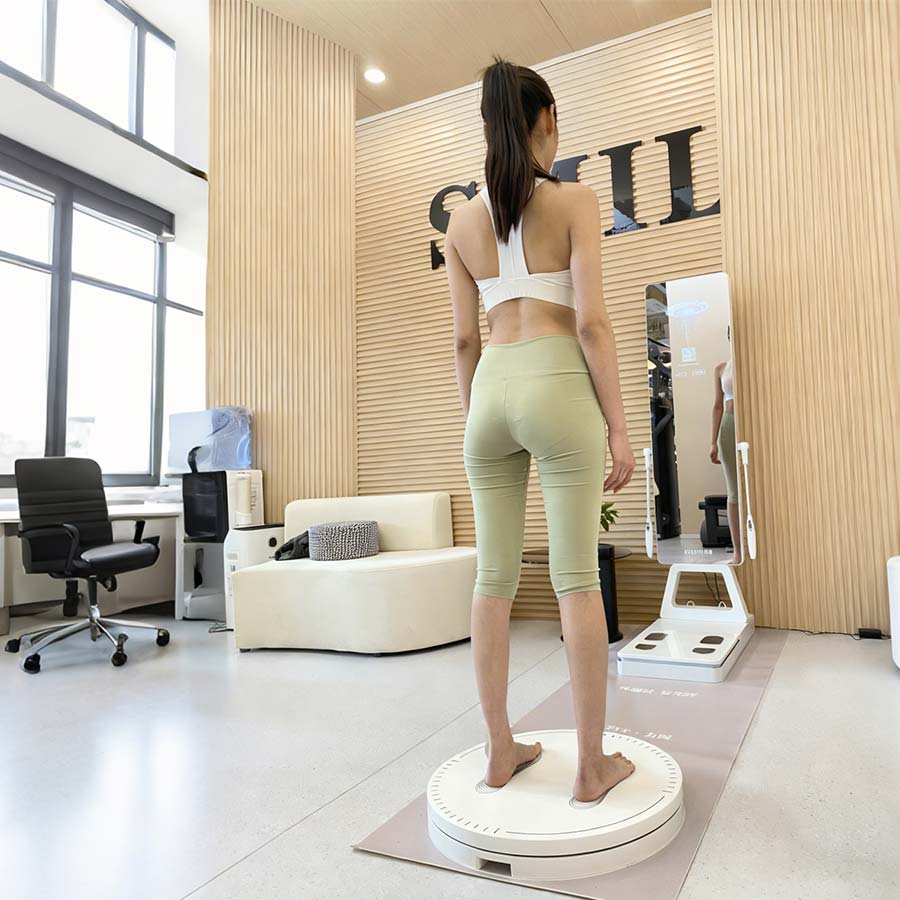
Rehabilitation clients often need encouragement and clear explanations. A report can help staff make progress easier to understand.
A good rehabilitation report should show:
| Report Element | Why It Matters |
| Skeletal muscle data | Helps explain muscle recovery or maintenance |
| Segmental comparison | Shows left-right and upper-lower body differences |
| Body fat and body water | Adds context to weight changes |
| Posture indicators | Makes alignment issues easier to explain |
| Balance or motor function data | Supports functional progress discussion |
| Historical trend charts | Helps clients see improvement over time |
| Clear summary | Makes consultation easier for non-technical users |
| Printed or digital format | Fits different center workflows |
For example, a client may not feel progress after several weeks, but a report may show improved muscle balance, better posture stability, or a positive trend in body composition. This can help staff reinforce the value of the program.
The report should always lead to a practical next step: continue the current plan, adjust exercise focus, improve nutrition support, schedule another assessment, or refer to a qualified professional when needed.
Building a Rehabilitation Assessment Workflow
A body composition analyzer becomes more useful when it is built into a structured rehabilitation workflow.
| Step | Action | Purpose |
| 1 | Initial intake | Understand condition, goals, and limitations |
| 2 | Baseline assessment | Record body composition, segmental data, posture, and balance indicators |
| 3 | Report explanation | Help the client understand the main findings |
| 4 | Program planning | Match data to rehabilitation or exercise focus |
| 5 | Follow-up testing | Compare progress at planned intervals |
| 6 | Plan adjustment | Modify the program based on trend data |
| 7 | Final review | Show improvement and recommend next steps |
| 8 | Long-term management | Support maintenance, wellness, or continued training |
This workflow helps rehabilitation centers avoid one-time testing. Instead, the analyzer becomes part of a complete client management system.
How Often Should Rehabilitation Centers Re-Test Clients?
Re-testing frequency depends on the rehabilitation program, client condition, and professional judgment. For many centers, regular reassessment every few weeks is more useful than frequent daily testing.
| Program Type | Suggested Re-Test Rhythm |
| Initial rehabilitation program | Baseline test before the program begins |
| Muscle recovery tracking | Every 4–6 weeks |
| Posture improvement program | Every 4–8 weeks |
| Balance and motor function support | Based on program stage |
| Senior health management | During scheduled follow-up visits |
| Sports recovery program | Before key training phase changes |
| Wellness rehabilitation | At planned review appointments |
The purpose is to track meaningful change. Rehabilitation progress often requires time, consistency, and professional guidance.
Using Body Data Without Overclaiming
A body composition analyzer for rehabilitation center use should be positioned carefully. It can support assessment and progress tracking, but it should not be described as a diagnostic device unless used in the appropriate regulatory and clinical context.
Rehabilitation centers should avoid saying that the analyzer can diagnose disease, replace medical imaging, replace physical examination, or guarantee recovery outcomes.
A better way to position the equipment is:
- It supports body composition assessment.
- It helps visualize posture and body balance information.
- It helps track progress over time.
- It supports staff-client communication.
- It helps create more personalized service plans.
- It provides additional data for professional decision-making.
This positioning is safer, more professional, and more aligned with B2B equipment procurement.
Selection Checklist for Rehabilitation Centers
Before choosing a body composition analyzer, rehabilitation centers should evaluate the equipment from both technical and operational perspectives.
| Selection Point | What to Check |
| Measurement technology | Multi-frequency BIA and segmental analysis |
| Rehabilitation relevance | Muscle, balance, posture, or motor function support |
| Report clarity | Easy for staff and clients to understand |
| Historical comparison | Supports progress tracking |
| Testing efficiency | Suitable for appointment-based operation |
| Space requirement | Fits consultation or assessment rooms |
| User interface | Simple enough for staff operation |
| Data management | Supports client records and follow-up |
| Report formats | A4 print, mobile, email, or backend report |
| Supplier support | Training, installation, maintenance, and after-sales service |
| Cooperation needs | OEM/ODM, distributor support, or project customization |
Rehabilitation centers, clinics, and project buyers can review Luofit’s professional body analyzer products or submit requirements through Contact Us for model selection support.
How Distributors Can Position Body Analyzers for Rehabilitation Centers
For distributors and health equipment suppliers, rehabilitation centers are a valuable market because they need professional tools that support repeat assessment and service differentiation.
A body composition analyzer can be positioned as a smart health assessment solution for:
| Buyer Type | Main Value |
| Rehabilitation center | Progress tracking and client education |
| Physical therapy clinic | Segmental muscle and posture-related assessment support |
| Health management center | Integrated body data and follow-up reports |
| Sports recovery facility | Muscle balance and functional assessment support |
| Senior wellness center | Muscle, balance, and body composition monitoring |
| Medical wellness provider | Data-based consultation and long-term tracking |
Distributors can emphasize multi-scenario usability, report-based service value, OEM/ODM cooperation, model selection support, and after-sales service. Luofit’s FAQ page can help buyers understand common cooperation and product questions.
Common Mistakes Rehabilitation Centers Should Avoid
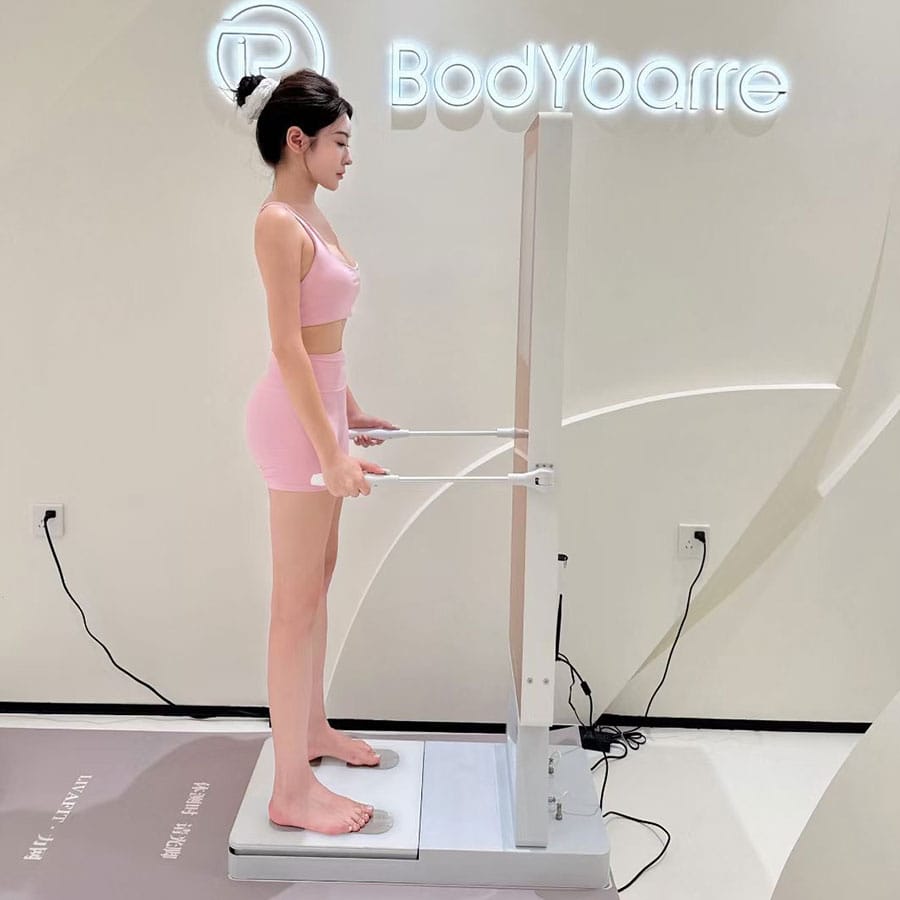
Mistake 1: Treating Body Composition Data as a Diagnosis
The analyzer provides assessment support. It should not replace clinical diagnosis, imaging, laboratory testing, or professional examination.
Mistake 2: Ignoring Segmental Data
Rehabilitation often involves imbalance. Segmental analysis can provide more useful insight than total body data alone.
Mistake 3: Testing Without a Follow-Up Plan
A test is only valuable when it leads to explanation, program adjustment, or repeat assessment.
Mistake 4: Comparing Clients Against Each Other
Rehabilitation progress should be personal. Compare each client with their own previous results.
Mistake 5: Not Training Staff
Staff should understand testing procedures, report explanation, and the limitations of the data.
Mistake 6: Choosing Equipment Only by Appearance
Commercial rehabilitation equipment should be evaluated by measurement function, report usefulness, durability, data management, and supplier support.
Conclusion
A body composition analyzer for rehabilitation center use can help facilities track muscle condition, segmental balance, posture-related indicators, body water, body fat, and long-term progress. When combined with a structured workflow, it supports better client communication, more personalized program planning, and stronger follow-up management.
For rehabilitation centers, the best analyzer is not simply the most advanced-looking machine. It is the system that fits the center’s assessment needs, staff workflow, client population, and long-term service model.
Luofit offers professional body analyzer solutions for rehabilitation, clinics, gyms, nutrition centers, wellness programs, and health management applications. Explore the Body Analyzer LW-760 for BIA and motor function assessment, the Body Analyzer LW-770 for body impedance and AI posture risk assessment, or the full body analyzer product range to compare suitable models.
FAQ
What is a body composition analyzer for rehabilitation center use?
A body composition analyzer for rehabilitation center use is a professional assessment device that helps measure body fat, skeletal muscle, body water, segmental balance, posture-related data, and other body indicators for rehabilitation follow-up.
Why is segmental analysis useful in rehabilitation?
Segmental analysis helps compare arms, legs, and trunk areas. This can support rehabilitation programs where left-right balance, muscle condition, or body symmetry needs to be monitored.
Can a body composition analyzer diagnose rehabilitation conditions?
No. It provides assessment data and progress tracking support, but it should not replace professional diagnosis, clinical examination, medical imaging, or laboratory testing.
How often should rehabilitation centers test clients?
Many centers perform baseline testing and then repeat assessments every 4–6 weeks, depending on the program and professional guidance.
Which Luofit model is suitable for rehabilitation centers?
The Body Analyzer LW-760 is relevant for BIA and motor function assessment, while LW-770 supports body impedance analysis and AI-powered posture risk assessment. LW-870 is also suitable for segmental analysis and posture recognition.