
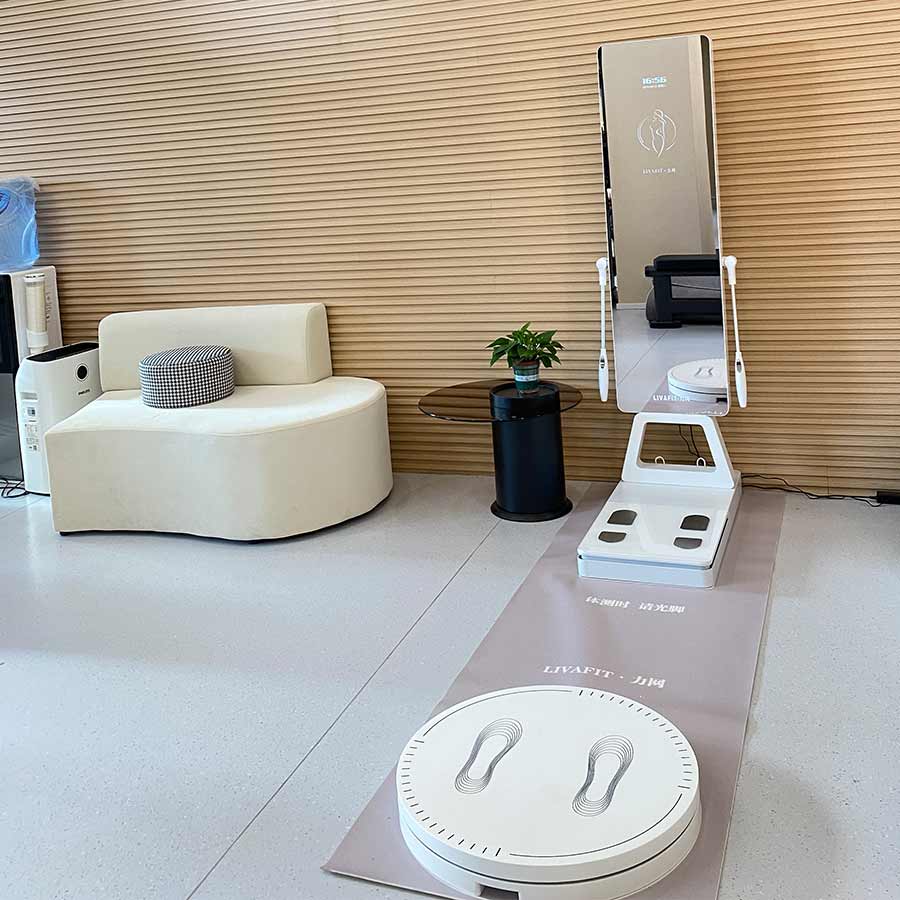


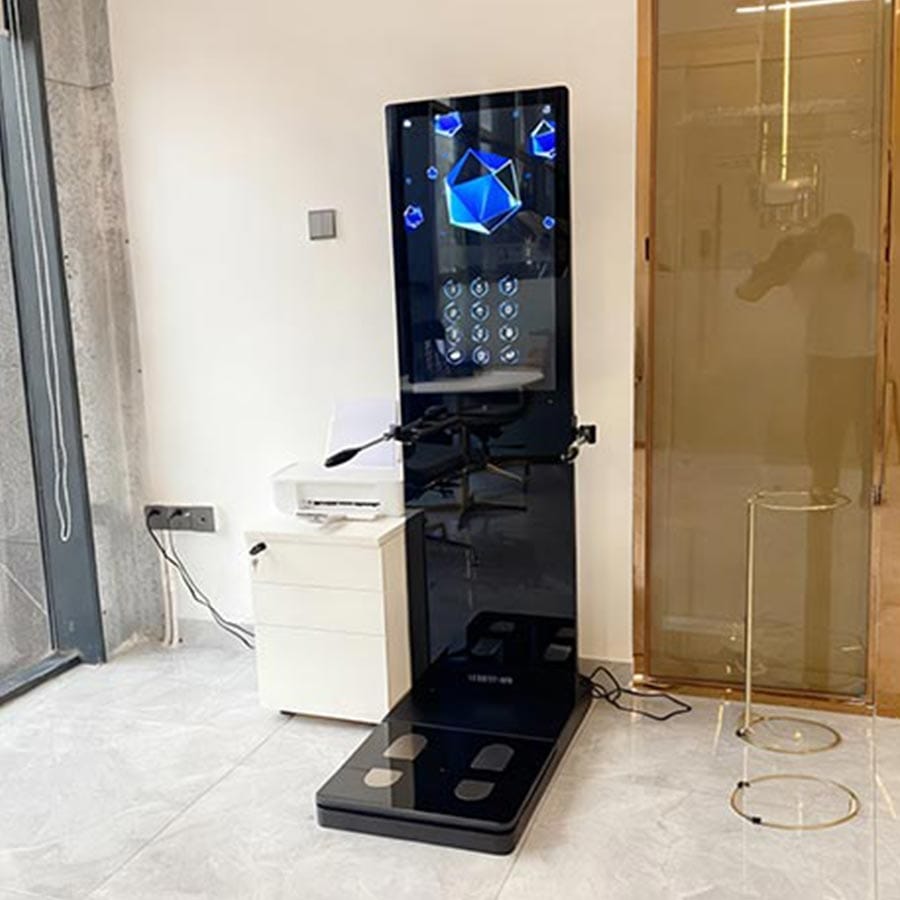
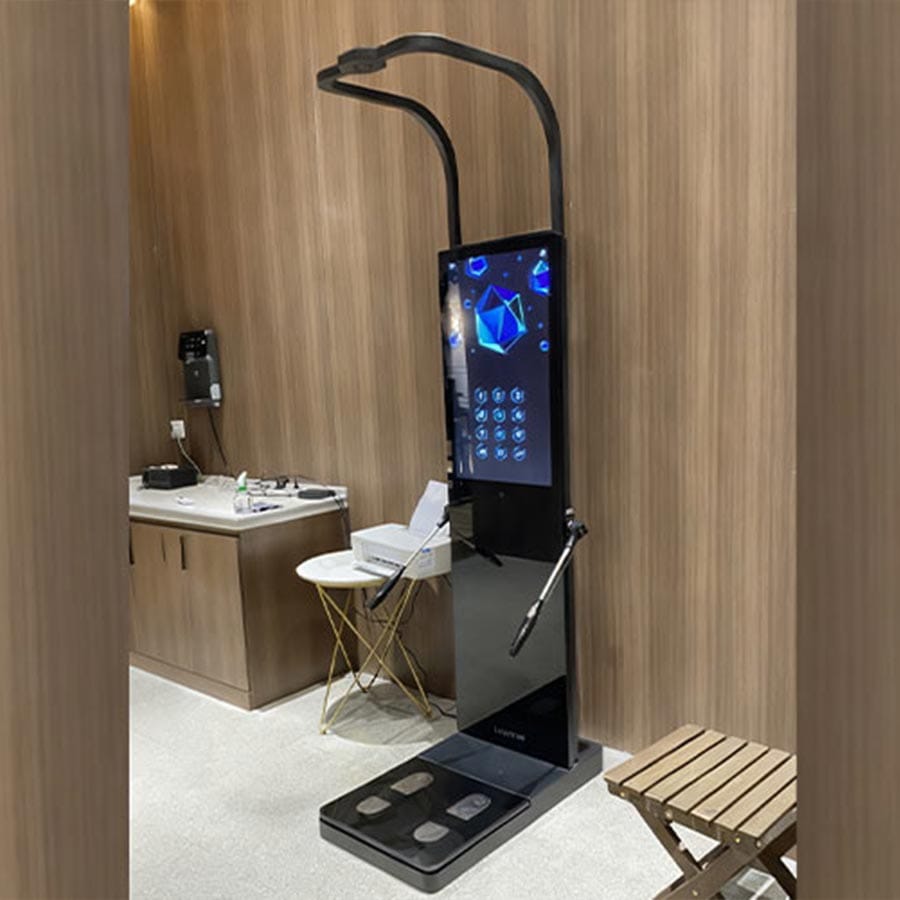
A body composition analyzer for nutrition center use can make nutrition consultations more measurable, visual, and professional. For many clients, weight management is not simply about becoming lighter. They want to know whether they are losing fat, maintaining muscle, improving hydration balance, or making real progress through dietary changes.
This is where body composition analysis becomes valuable. A regular scale only shows total body weight, but it cannot explain whether the change comes from fat, muscle, water, or other body components. For nutrition centers, this creates a major communication gap. Clients may feel frustrated when the scale does not change, even though their body fat percentage may be decreasing or skeletal muscle may be improving.
A professional body composition analyzer helps nutrition consultants turn body data into clear reports, practical guidance, and long-term follow-up plans. It supports a more scientific consultation process and helps clients better understand what is happening inside their bodies.
For nutrition centers, health management clinics, wellness centers, and weight management programs, the right body composition analyzer can become more than assessment equipment. It can become a core part of client retention, consultation quality, and service differentiation.
Table of Contents
Why Nutrition Centers Need Body Composition Data
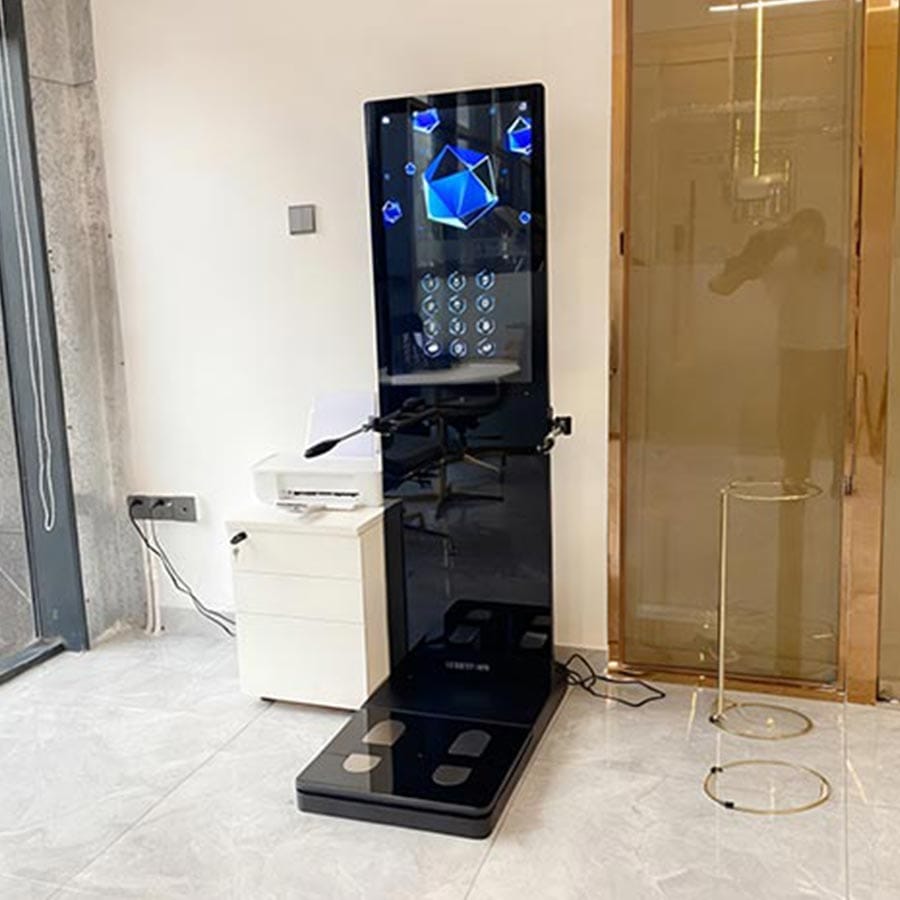
Nutrition centers often work with clients who want to lose fat, manage weight, improve body shape, support fitness goals, or build healthier lifestyle habits. However, if the consultation only relies on weight and BMI, it may not provide enough information.
The CDC explains that BMI does not directly measure body fat, which is why additional body assessment data can help create a more complete understanding of physical condition. Nutrition professionals can use the CDC’s explanation of BMI and its limitations when educating clients.
A body composition analyzer for nutrition center applications can help explain:
| Body Data | Why It Matters in Nutrition Consultation |
|---|---|
| Body fat percentage | Helps evaluate fat-loss progress beyond body weight |
| Fat mass | Shows estimated fat changes over time |
| Skeletal muscle mass | Helps protect lean mass during weight management |
| Body water | Helps explain short-term weight fluctuations |
| Visceral fat level | Adds context for lifestyle and wellness guidance |
| Basal metabolic rate | Helps explain energy needs more clearly |
| Segmental analysis | Shows distribution of muscle and fat across body parts |
| BMI and weight | Provides familiar baseline indicators |
| Historical trends | Supports follow-up and long-term program adjustment |
For nutrition centers, the main value is not just collecting data. The real value is using data to explain progress, adjust plans, and improve client confidence.
The Problem With Relying Only on Weight
Many clients judge their progress by body weight. If the number on the scale does not drop quickly, they may assume the nutrition plan is not working. This can reduce motivation and cause clients to stop before meaningful changes appear.
However, body weight can be affected by many factors, including water retention, food intake, muscle gain, training habits, and daily fluctuations. A client may lose fat while gaining muscle, resulting in only a small change in total weight. Another client may experience temporary water changes that hide real fat-loss progress.
A body composition analyzer helps nutrition consultants explain these situations more clearly.
| Situation | Scale Weight Result | Body Composition Insight |
| Client starts strength training | Weight stays similar | Muscle may increase while fat decreases |
| Client improves hydration | Weight increases slightly | Body water may be improving |
| Client reduces body fat | Weight changes slowly | Fat percentage and waist data may show progress |
| Client cuts calories too aggressively | Weight drops quickly | Muscle loss risk may need attention |
| Client follows a balanced plan | Weight changes gradually | Fat loss and muscle maintenance may be healthier |
This kind of explanation helps clients focus on meaningful progress instead of reacting emotionally to one number.
How Body Composition Analysis Improves Nutrition Consultations
A nutrition consultation becomes more effective when the consultant can show clear data. Instead of giving general advice, the consultant can explain how nutrition habits are connected to measurable body changes.
A body composition analyzer for nutrition center use can support several consultation steps.
Baseline Assessment
At the first visit, the analyzer establishes the client’s starting condition. This may include body fat percentage, skeletal muscle mass, body water, visceral fat level, basal metabolic rate, and segmental data.
Goal Setting
The consultant can set more realistic goals. Instead of only saying “lose weight,” the plan can focus on reducing fat mass, maintaining muscle, improving body water balance, or supporting healthier body composition.
Plan Adjustment
If progress is slow, body composition data can help identify possible reasons. For example, muscle loss may suggest insufficient protein intake or inadequate resistance training. High fluctuation in body water may require better hydration consistency.
Progress Explanation
Reports help clients understand results more clearly. Even if body weight changes slowly, improvements in fat percentage, muscle balance, or circumference may show that the plan is working.
Follow-Up Retention
Repeat testing gives clients a reason to return. When the nutrition center builds body composition tracking into the service process, follow-up visits become more structured.
Luofit’s application solutions include nutrition centers, gyms, clinics, rehabilitation centers, beauty agencies, and other professional health assessment scenarios.
Key Metrics Nutrition Centers Should Focus On
A professional report may include many indicators, but nutrition consultants do not need to explain every number in detail. The most effective approach is to focus on the metrics that match the client’s goal.
| Client Goal | Key Metrics to Explain | Consultation Focus |
| Fat loss | Body fat percentage, fat mass, visceral fat level | Reduce fat while protecting muscle |
| Weight management | Weight, BMI, body fat, body water | Understand changes beyond scale weight |
| Muscle maintenance | Skeletal muscle mass, segmental muscle | Support protein intake and resistance training |
| Hydration improvement | Total body water, water balance trends | Explain daily weight fluctuation |
| Body shaping | Body fat, muscle, circumference data | Connect nutrition with visual progress |
| Wellness management | BMI, body fat, visceral fat, basal metabolic rate | Support long-term lifestyle changes |
| Sports nutrition | Muscle mass, body water, segmental balance | Support training and recovery goals |
| Senior nutrition | Muscle mass, body water, body composition trends | Monitor changes that may affect function |
For most nutrition centers, the strongest metrics are body fat percentage, skeletal muscle mass, body water, visceral fat level, and historical trends. These indicators are easy to connect with nutrition guidance.
BIA Technology and Why Testing Conditions Matter
Many professional body composition analyzers use bioelectrical impedance analysis, also known as BIA. BIA estimates body composition by measuring the body’s resistance to a low-level electrical signal. Since muscle, fat, and body water have different electrical properties, the system can estimate multiple body composition indicators.
A general explanation of bioelectrical impedance analysis can help readers understand the basic technology behind many professional analyzers.
However, nutrition centers should also understand that testing conditions matter. Hydration, recent meals, exercise, alcohol intake, and testing time may influence BIA results. This does not mean the method is not useful. It means the center should create a consistent testing process.
| Testing Practice | Why It Helps |
| Test at a similar time of day | Reduces daily variation |
| Avoid testing immediately after exercise | Exercise may affect body water distribution |
| Keep hydration habits consistent | Body water can influence readings |
| Avoid testing right after a large meal | Food intake may affect short-term measurements |
| Remove heavy accessories | Improves weighing consistency |
| Use the same device and process | Makes trend comparison more reliable |
| Record unusual conditions | Helps explain unexpected changes |
A PubMed Central article on fluid intake and BIA assessment discusses how hydration can affect body composition readings, which supports the importance of standardized testing conditions.
For nutrition centers, the most important point is to track trends under similar conditions rather than judging a client by one isolated reading.
How Reports Help Clients Understand Nutrition Progress
The report is the bridge between data and action. A body composition analyzer may generate many indicators, but the report must help clients understand what matters.
A good nutrition center report should be:
| Report Feature | Why It Matters |
| Clear summary | Helps clients quickly understand their current condition |
| Fat and muscle comparison | Explains whether weight change is healthy |
| Body water data | Helps explain short-term fluctuations |
| Visceral fat indicator | Supports lifestyle and wellness discussion |
| Segmental analysis | Shows body distribution and balance |
| Historical trend chart | Helps clients see long-term progress |
| Printable or digital format | Fits different consultation workflows |
| Easy-to-explain layout | Supports staff training and client education |
The report should not simply show numbers. It should guide the next conversation.
For example, if a client’s body weight decreased but skeletal muscle also dropped, the consultant may need to adjust protein intake, meal timing, or exercise recommendations. If body weight did not change but body fat decreased and muscle improved, the report can help the client stay motivated.
Luofit’s body analyzer product range supports commercial body composition analysis and report-based health assessment applications.
Matching Analyzer Features to Nutrition Center Workflows
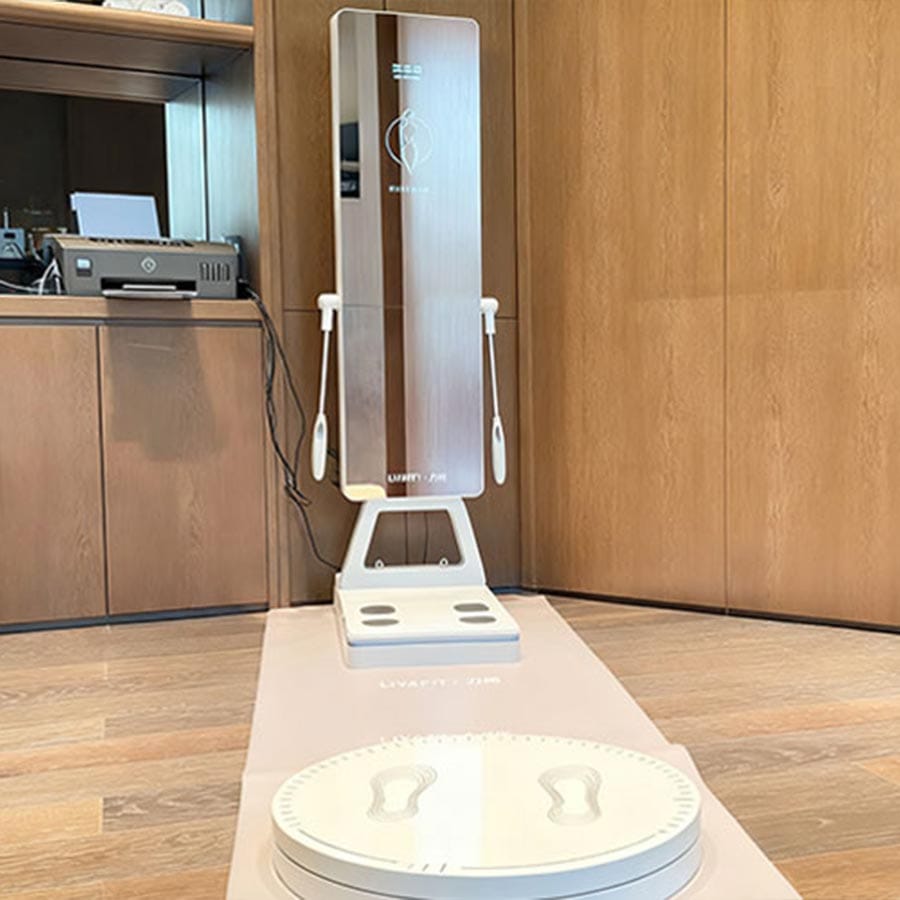
A nutrition center has different equipment needs from a gym or a general clinic. The analyzer should support consultation, follow-up, report interpretation, and client management.
Important features include:
| Feature | Value for Nutrition Centers |
| Multi-frequency BIA | Supports more detailed body composition assessment |
| Eight-electrode measurement | Helps with segmental body data |
| Fast testing process | Reduces waiting time during consultations |
| Clear report output | Helps consultants explain results efficiently |
| Historical tracking | Supports long-term nutrition programs |
| Mobile report option | Improves client convenience |
| A4 printed report | Useful for formal consultation records |
| Backend data management | Helps organize repeat client information |
| Cloud data support | Useful for multi-location or digital service models |
| OEM/ODM support | Valuable for distributors and branded service providers |
For nutrition centers that need comprehensive body composition analysis, body shape assessment, circumference measurement, posture-related evaluation, cloud data management, and multi-terminal report display, the Body Analyzer LW-880 is a strong model to evaluate.
For centers focused on body fat analysis, 3D AI posture analysis, ultrasonic height detection, and multi-frequency BIA body composition analysis, the Body Analyzer LW-790 is also relevant for health management and nutrition-related applications.
Building a Nutrition Consultation Workflow With Body Data
A body composition analyzer becomes more valuable when it is part of a structured workflow. Without a workflow, the test may feel like an isolated service. With a workflow, it becomes a repeatable consultation system.
A practical workflow can include:
| Step | Action | Purpose |
| 1 | Client goal interview | Understand fat loss, wellness, fitness, or body shape goals |
| 2 | Baseline body composition test | Establish starting data |
| 3 | Report explanation | Help the client understand key indicators |
| 4 | Nutrition plan design | Connect data to practical dietary guidance |
| 5 | Lifestyle and activity suggestion | Support muscle maintenance and body composition improvement |
| 6 | Follow-up test schedule | Create a repeat assessment rhythm |
| 7 | Progress comparison | Show changes over time |
| 8 | Plan adjustment | Improve the next stage of the program |
This workflow helps nutrition centers create a more professional client experience. It also helps staff avoid generic advice and make each consultation feel more personalized.
How Often Should Nutrition Centers Re-Test Clients?
Testing too frequently may create anxiety, while testing too rarely may reduce engagement. For most nutrition programs, body composition testing every few weeks is more meaningful than daily measurement.
| Program Type | Suggested Re-Test Timing |
| Initial nutrition consultation | Baseline test at the first visit |
| Weight management program | Every 4–6 weeks |
| Fat loss program | Every 4 weeks or by program cycle |
| Sports nutrition program | Based on training phase |
| Wellness follow-up | During scheduled consultation visits |
| Senior nutrition support | Based on professional guidance |
| Corporate wellness program | Before and after program periods |
The goal is to show trends. A nutrition center should help clients understand that body composition improvement requires consistency in nutrition, activity, sleep, hydration, and lifestyle habits.
The WHO’s overview of healthy diet can be used as a general educational reference when explaining the importance of long-term dietary patterns.
Turning Body Composition Reports Into Better Client Retention
For nutrition centers, retention is often built through trust and measurable progress. If clients do not understand their results, they may stop too early. If they can see meaningful changes, they are more likely to continue.
A body composition analyzer supports retention by creating:
| Retention Driver | How Body Composition Analysis Helps |
| Clear baseline | Gives clients a starting point |
| Visible progress | Shows changes beyond body weight |
| Follow-up reason | Encourages repeat visits |
| Personalized guidance | Makes consultation feel more valuable |
| Progress comparison | Shows whether the plan is working |
| Plan adjustment | Helps avoid plateaus |
| Professional trust | Supports data-based communication |
For example, a nutrition center can offer a monthly body composition review as part of a weight management package. Each visit includes a new test, comparison with previous results, explanation of changes, and adjustment of the nutrition plan.
This makes the service more structured and easier for clients to continue.
Common Mistakes Nutrition Centers Should Avoid
A body composition analyzer for nutrition center use can add strong value, but only when used properly.
Mistake 1: Explaining Too Many Numbers
Clients may not need every data point. Focus on the indicators most relevant to their goal, such as body fat, muscle mass, body water, and progress trends.
Mistake 2: Treating One Test as the Final Answer
A single test is only a snapshot. Long-term trends under similar conditions are more useful for program evaluation.
Mistake 3: Ignoring Muscle Maintenance
Some clients want fast weight loss, but losing muscle may not support long-term body composition improvement. Reports can help consultants explain why protecting muscle matters.
Mistake 4: Not Standardizing Testing Conditions
Testing after meals, intense exercise, or large hydration changes may affect results. Create a consistent testing protocol.
Mistake 5: Using the Analyzer Without a Consultation Process
The equipment should not be used as a standalone attraction. It should support consultation, education, follow-up, and plan adjustment.
Mistake 6: Overpromising Results
Body composition analysis supports nutrition consultation, but it should not be presented as a medical diagnosis or guaranteed outcome.
Selection Checklist for Nutrition Centers
Before choosing a body composition analyzer, nutrition centers should evaluate how the equipment will fit daily operations.
| Selection Point | What to Check |
| Main application | Weight management, nutrition consultation, wellness assessment |
| Measurement method | Professional BIA technology and segmental analysis |
| Report clarity | Easy for staff and clients to understand |
| Data tracking | Historical comparison and user management |
| Report formats | Printed, mobile, email, or backend reports |
| Testing speed | Suitable for appointment-based workflow |
| Staff training | Easy operation and report explanation |
| Space requirement | Fits consultation room or assessment area |
| Supplier support | Installation, training, maintenance, and after-sales service |
| Cooperation needs | OEM/ODM, distributor support, or project customization |
Nutrition centers and project buyers can explore Luofit’s professional body analyzer products or submit requirements through Contact Us for model selection and cooperation support.
How Distributors Can Position Body Analyzers for Nutrition Centers

For distributors and health equipment suppliers, nutrition centers are an important target market because they need equipment that supports recurring services. A body composition analyzer is not only a device; it supports service packages, client tracking, and measurable consultation value.
When positioning body analyzers for nutrition centers, emphasize:
| Selling Point | Why Nutrition Centers Care |
| Professional reports | Improve consultation quality |
| Fat and muscle tracking | Supports weight management programs |
| Body water analysis | Helps explain short-term changes |
| Historical comparison | Encourages repeat visits |
| Easy operation | Reduces staff training burden |
| Multi-scenario use | Can also serve gyms, clinics, and wellness centers |
| OEM/ODM support | Supports local branding and channel expansion |
| After-sales service | Important for commercial operation |
Luofit supports commercial health assessment applications and offers solutions for multiple scenarios. Distributors and service providers can learn more through the FAQ page or contact Luofit directly through Contact Us.
Conclusion
A body composition analyzer for nutrition center use helps turn nutrition consultation into a more measurable, visual, and data-driven service. Instead of relying only on weight or BMI, nutrition centers can use body fat, skeletal muscle, body water, visceral fat, basal metabolic rate, segmental analysis, and historical reports to explain progress more clearly.
The right analyzer can improve baseline assessment, goal setting, plan adjustment, follow-up retention, and client trust. It also helps nutrition professionals explain why healthy body composition improvement is not always the same as fast weight loss.
For nutrition centers, wellness clinics, health management providers, and distributors, body composition analysis can become a powerful tool for better service design and long-term client engagement. Explore Luofit’s body composition analyzer product range or visit application solutions to find a model that fits nutrition consultation and health management workflows.
FAQ
What is a body composition analyzer for nutrition center use?
A body composition analyzer for nutrition center use is a professional assessment device that measures body fat, muscle mass, body water, BMI, visceral fat level, basal metabolic rate, and other body indicators to support nutrition consultation.
Why is body composition analysis useful for nutrition programs?
It helps show whether a client is losing fat, maintaining muscle, or experiencing water-related changes. This gives more useful insight than body weight alone.
How often should nutrition centers test clients?
Many nutrition centers test clients every 4–6 weeks, depending on the program. The key is to test under similar conditions and compare long-term trends.
Can a body composition analyzer replace nutrition consultation?
No. The analyzer provides useful body data, but professional nutrition consultation is still needed to interpret results and create practical plans.
What features should a nutrition center look for?
Important features include multi-frequency BIA, segmental analysis, clear reports, historical tracking, mobile or printed report options, easy operation, and reliable supplier support.