



Table of Contents
In today’s health and fitness industry, accurate body measurement tools are more important than ever. Whether it’s for tracking weight loss, monitoring muscle growth, or supporting clinical assessments, reliable body composition data is essential. As a manufacturer of impedance body composition analyzers, we understand the value of precision and consistency. In this guide, we will explain how these devices work, what features to look for, and how to choose the right model for your needs. Our goal is to provide clear, practical information that helps you make informed decisions—whether you are a gym owner, clinician, or home user.
What Is an Impedance Body Composition Analyzer?

An impedance body composition analyzer is a device that measures body composition using bioelectrical impedance analysis (BIA). The technology sends a small, safe electrical current through the body and measures the resistance (impedance) encountered. Because muscle, fat, and water conduct electricity differently, the device can estimate various body metrics.
Key body metrics measured
- Body fat percentage (BFP)
- Muscle mass
- Body water percentage
- Basal metabolic rate (BMR)
- BMI (Body Mass Index)
- Visceral fat level
These metrics are valuable for anyone looking to understand their body composition beyond weight alone. For manufacturers, offering accurate and consistent readings is the foundation of a trusted product.
How Impedance Body Composition Analyzers Work (The Science Behind BIA)
BIA technology relies on the principle that different tissues conduct electricity at different rates. Lean tissue, which contains more water and electrolytes, conducts electricity more easily than fat tissue. When the device sends a small electrical current through the body, it measures how much resistance the current encounters. This resistance is then converted into body composition estimates using algorithms.
Multi-frequency vs single-frequency analysis
Many modern impedance body composition analyzers use multi-frequency BIA, which improves accuracy by measuring impedance at different electrical frequencies. Single-frequency devices may be sufficient for general tracking, but multi-frequency analyzers are better suited for professional and clinical use.
Why hydration levels affect accuracy
Hydration status can significantly impact BIA results. Dehydration increases impedance, which can cause the device to overestimate body fat percentage. For this reason, consistent testing conditions are crucial.
Common measurement principles
- Impedance (Z): Total resistance encountered by the electrical current.
- Resistance (R): Opposition to current flow through body fluids.
- Reactance (Xc): Delay caused by cell membranes acting like capacitors.
Key Features to Look for in a Professional Body Composition Analyzer
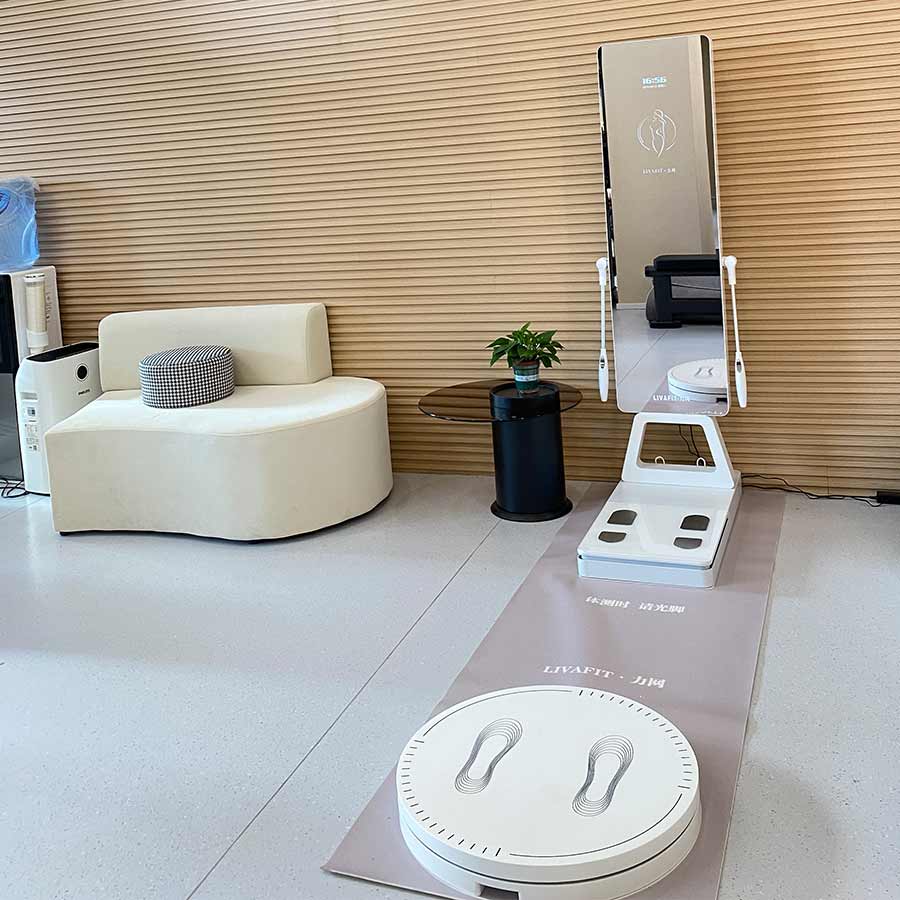
Choosing the right device involves understanding which features contribute to accuracy and usability.
Electrode type
Impedance body composition analyzers can use different electrode configurations:
- Handheld electrodes
- Footplate electrodes
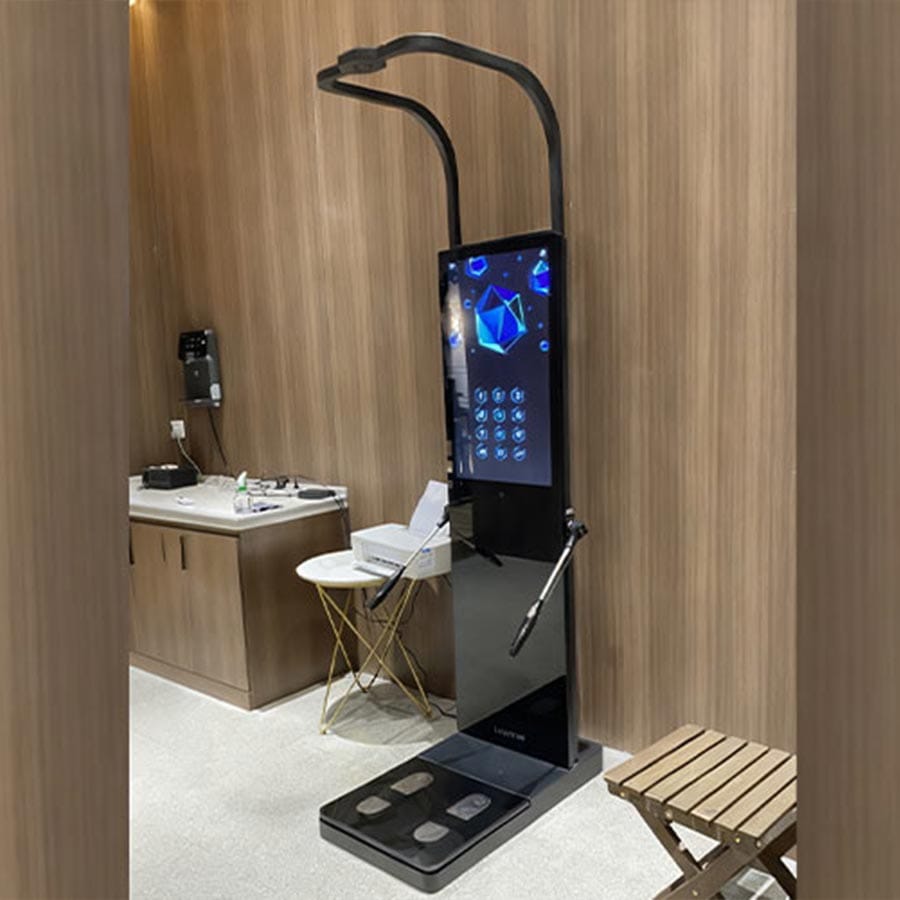
- 8-electrode systems (hand and foot combined)
The 8-electrode system provides the most reliable data because it measures impedance through the whole body.
Data output and interpretation
Modern devices often include:
- Bluetooth connectivity
- Mobile app integration
- Cloud storage
- Printable reports
These features make it easier to track progress and compare data over time.
User profiles & memory storage
Professional analyzers can store multiple user profiles and save historical readings. This is especially useful in gyms, clinics, and wellness centers.
Accuracy enhancement features
- Calibration routines
- Temperature compensation
- Consistent electrode contact sensors
Impedance Body Composition Analyzer vs Other Methods
It is helpful to understand how BIA compares with other body composition measurement methods.
DEXA scan comparison
DEXA is often considered the gold standard for body composition. It provides highly accurate measurements but is expensive and requires specialized equipment. BIA analyzers offer a more affordable and practical alternative for daily use.
Smart scale / body fat scale comparison
Many smart scales use BIA technology but may be limited by single-frequency measurement and lower electrode quality. Professional impedance body composition analyzers provide more detailed metrics and better consistency.
Skinfold caliper comparison
Skinfold measurements can be accurate when performed by a trained professional. However, results can vary significantly based on technique. BIA analyzers reduce human error and provide faster, repeatable results.
Common Use Cases: Where BIA Analyzers Shine
Impedance body composition analyzers are widely used in various environments:
Gyms and fitness centers
Trainers use these devices to monitor client progress, adjust training plans, and set realistic goals.
Medical clinics and wellness centers
Clinicians use body composition data to support weight management programs, monitor chronic conditions, and assess overall health.
Home users and personal trainers
For individuals tracking fitness progress at home, BIA analyzers offer a convenient and affordable solution.
Sports science and athlete monitoring
Athletes benefit from detailed body composition data to optimize training, recovery, and nutrition plans.
How to Use an Impedance Body Composition Analyzer Correctly
To get reliable results, it’s important to follow best practices.
Pre-measurement preparation
- Avoid eating or drinking large amounts before measurement.
- Avoid intense exercise within 12 hours.
- Test at the same time of day, ideally in the morning.
- Ensure proper hydration.
Correct posture and electrode contact
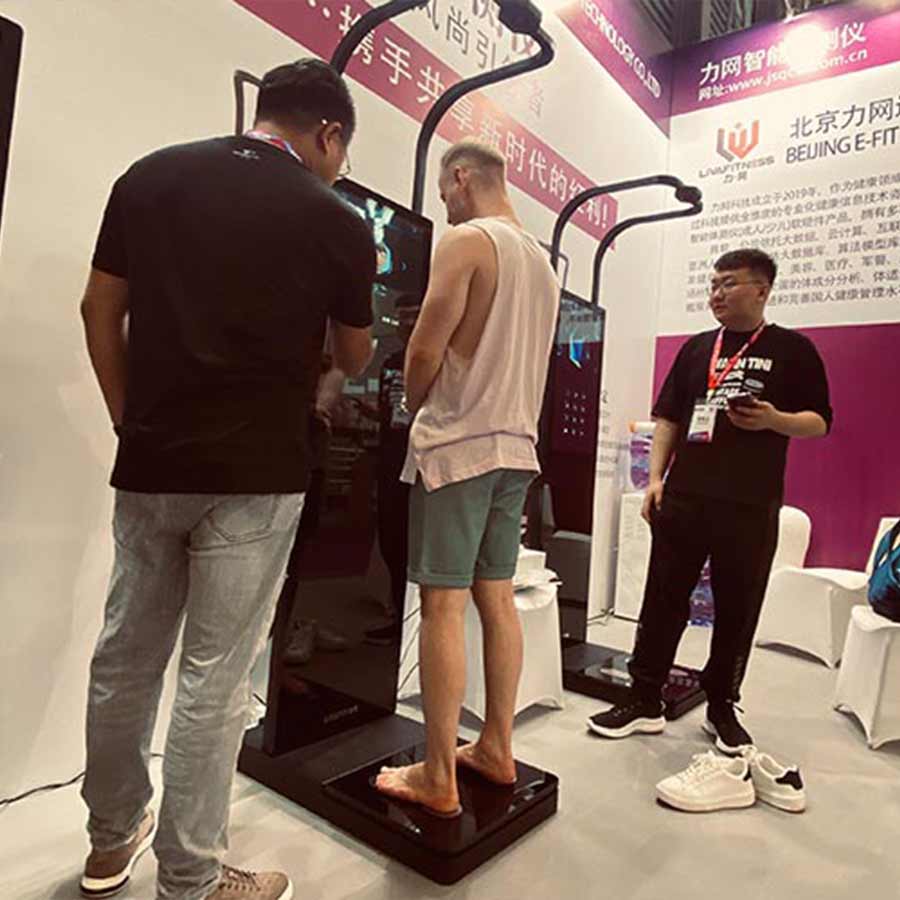
Stand still with feet properly positioned on the electrodes. If using a handheld analyzer, maintain consistent hand placement.
How often to measure
For tracking progress, weekly measurements are typically sufficient. Daily readings can fluctuate due to hydration and other factors.
Interpreting daily fluctuations
Small changes in weight or body fat percentage can occur due to water retention, menstrual cycle, or salt intake. Focus on long-term trends rather than daily numbers.
Improving Accuracy: Manufacturer Tips & Best Practices

As a manufacturer, we recommend the following guidelines to ensure accurate measurements and long product life.
Calibration and maintenance routines
Regular calibration helps maintain accuracy. Cleaning electrodes and ensuring they remain undamaged is also essential.
Reducing interference
Avoid using the device near strong electronic signals or metal objects that can affect readings.
Why consistent testing conditions matter
Consistency is the most important factor in body composition tracking. The same testing conditions yield more reliable trend data.
Troubleshooting common errors
- Incorrect electrode contact
- Low battery
- Device not properly calibrated
- User not standing still
Why Choose a Manufacturer-Direct Impedance Body Composition Analyzer?
Buying directly from a manufacturer has several advantages:
Cost advantages
Factory pricing reduces middleman markups and provides better value.
Customization options
Manufacturers can offer:
- Custom branding
- Firmware and feature customization
- OEM/ODM solutions
Quality control and production standards
Manufacturer control over the entire production process ensures consistent quality and compliance.
After-sales support and warranty
Direct support from the manufacturer ensures faster response and better service.
What to Expect from a High-Quality BIA Body Composition Analyzer
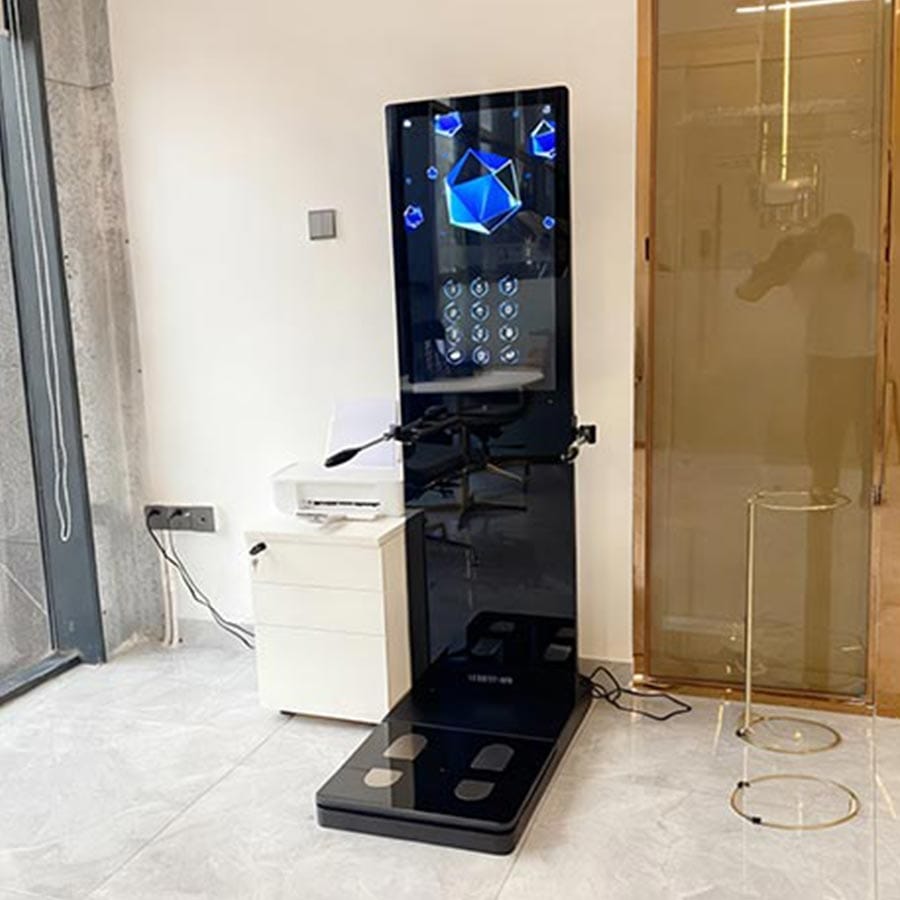
When evaluating a device, look for these quality indicators:
Certification & compliance
Quality devices typically meet international standards such as CE, ISO, and other relevant certifications.
Material and build quality
Durable electrodes, sturdy construction, and reliable sensors are critical for long-term use.
Software and reporting accuracy
High-quality devices offer clear, accurate reports and easy data export.
Longevity and product lifecycle
Reliable devices should function accurately over years with minimal maintenance.
Table: Comparison of Common Body Composition Methods
| Method | Accuracy | Cost | Convenience | Best Use |
|---|---|---|---|---|
| BIA (Impedance Analyzer) | Moderate to High | Affordable | High | Daily tracking, gyms, clinics |
| DEXA Scan | Very High | Expensive | Low | Clinical research, medical diagnosis |
| Skinfold Caliper | Moderate | Low | Medium | Trained professionals, field tests |
| Smart Scale | Low to Moderate | Affordable | High | Home use, general trends |
Conclusion
Impedance body composition analyzers offer a practical and cost-effective way to monitor body metrics beyond weight. For gyms, clinics, and home users, these devices provide valuable insights into fat, muscle, and hydration levels. As a manufacturer, we emphasize accuracy, consistent performance, and reliable support. Choosing the right device—especially a manufacturer-direct model—ensures better value, customization, and long-term satisfaction. If you’re looking for a high-quality impedance body composition analyzer, selecting a trusted manufacturer with strict quality control is the first step toward accurate and meaningful results.
FAQ
Is a body impedance analyzer accurate for weight loss tracking?
Yes, it provides useful trends over time, especially when measurements are taken consistently.
Can athletes rely on impedance body composition analyzers?
Yes, particularly multi-frequency devices with 8-electrode systems. They offer detailed metrics for performance monitoring.
How do I know if my analyzer is calibrated correctly?
Regular calibration and consistent readings across multiple tests indicate proper calibration.