

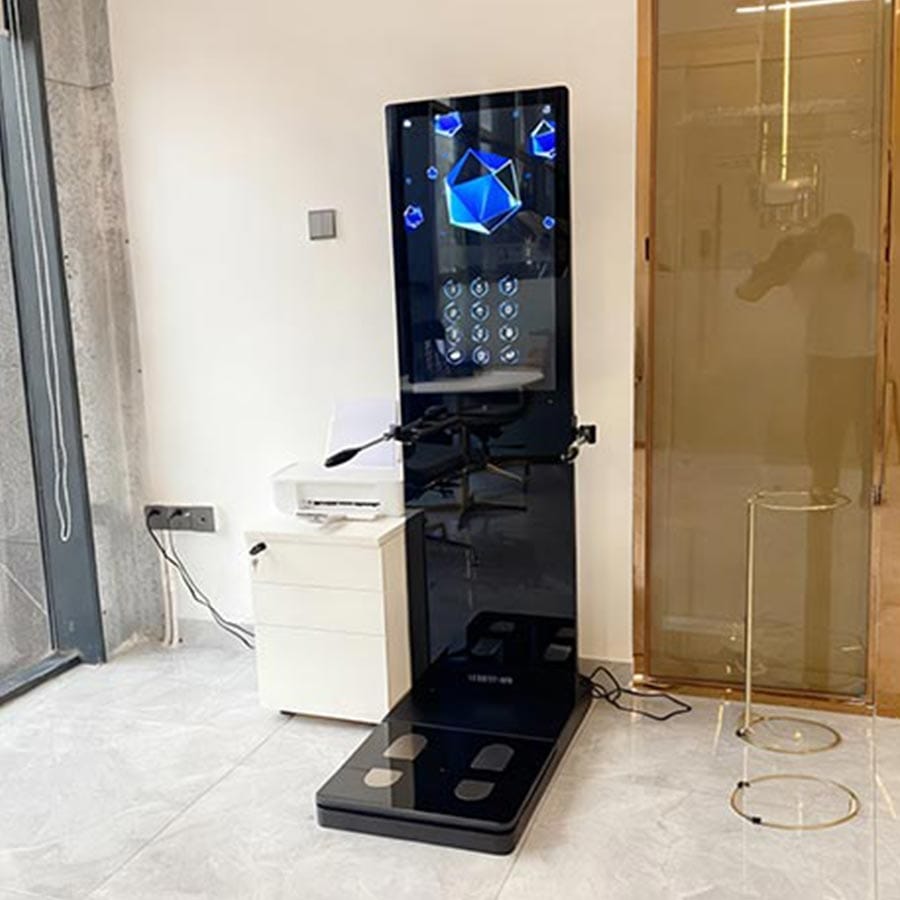

Table of Contents
Introduction
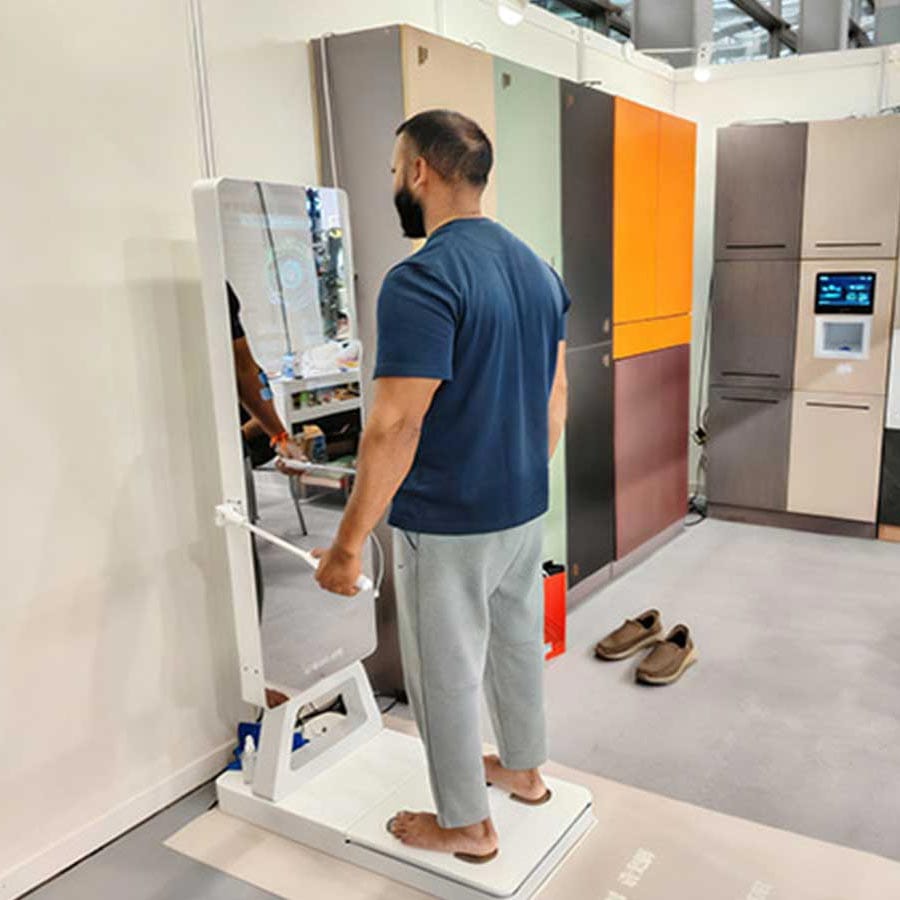
In recent years, the global focus on health, fitness, and preventive medicine has increased dramatically. Individuals, athletes, and healthcare providers are no longer satisfied with simply measuring body weight. Instead, they want a deeper understanding of the body’s internal composition—how much fat, muscle, water, and other elements make up the human body. This is where a commercial body composition analyzer becomes an essential tool.
Traditional measurements such as Body Mass Index (BMI) only provide a rough estimation of health. BMI cannot distinguish between muscle mass and body fat, which often leads to misleading results. For example, an athlete with high muscle mass may be classified as overweight according to BMI standards.
A professional body composition analyzer solves this limitation by providing a detailed analysis of multiple physiological indicators. Today, these devices are widely used in gyms, sports performance centers, wellness clinics, hospitals, and weight management programs. By using advanced technologies such as bioelectrical impedance analysis (BIA), these machines can provide accurate insights into body fat percentage, muscle mass, hydration levels, and metabolic rate.
As a manufacturer of commercial body composition analyzer machines, we have seen how these devices are transforming the way organizations deliver personalized health assessments and fitness guidance. In this article, we will explore what a commercial body composition analyzer is, how it works, what metrics it measures, and how businesses can choose the right system for their needs.
What Is a Commercial Body Composition Analyzer
A commercial body composition analyzer is a professional device designed to measure the different components that make up the human body. Unlike simple scales that only measure weight, these machines provide detailed data about body composition, which includes fat mass, lean muscle mass, body water, and other health indicators.
Definition of Body Composition Analysis
Body composition analysis refers to the measurement and evaluation of different tissues in the human body. These tissues typically include:
- Fat mass
- Skeletal muscle mass
- Total body water
- Bone mass
- Visceral fat
- Basal metabolic rate
By understanding these components, fitness professionals and healthcare providers can better assess an individual’s health and physical condition.
Difference Between Commercial and Home Body Composition Analyzers
Although many people are familiar with home body fat scales, these consumer products are not designed for professional environments. A commercial body composition analyzer offers several advantages compared to home devices.
| Feature | Home Body Fat Scale | Commercial Body Composition Analyzer |
|---|---|---|
| Measurement accuracy | Moderate | High precision |
| Number of parameters | Limited | Comprehensive |
| Technology | Basic BIA | Multi-frequency BIA |
| Data analysis | Simple | Detailed reports |
| Suitable users | Individuals | Gyms, clinics, sports teams |
| Durability | Low usage frequency | Designed for continuous use |
Commercial systems are designed for high-frequency use, advanced diagnostics, and professional-level data analysis, making them suitable for business environments.
Who Uses a Professional Body Composition Analyzer
A professional body composition analyzer is widely used across several industries, including:
- Fitness centers and gyms
- Sports performance institutes
- Medical clinics and hospitals
- Rehabilitation centers
- Weight loss clinics
- Wellness and health management centers
These organizations rely on accurate body composition data to guide training programs, nutrition plans, and medical assessments.
How a Commercial Body Composition Analyzer Works
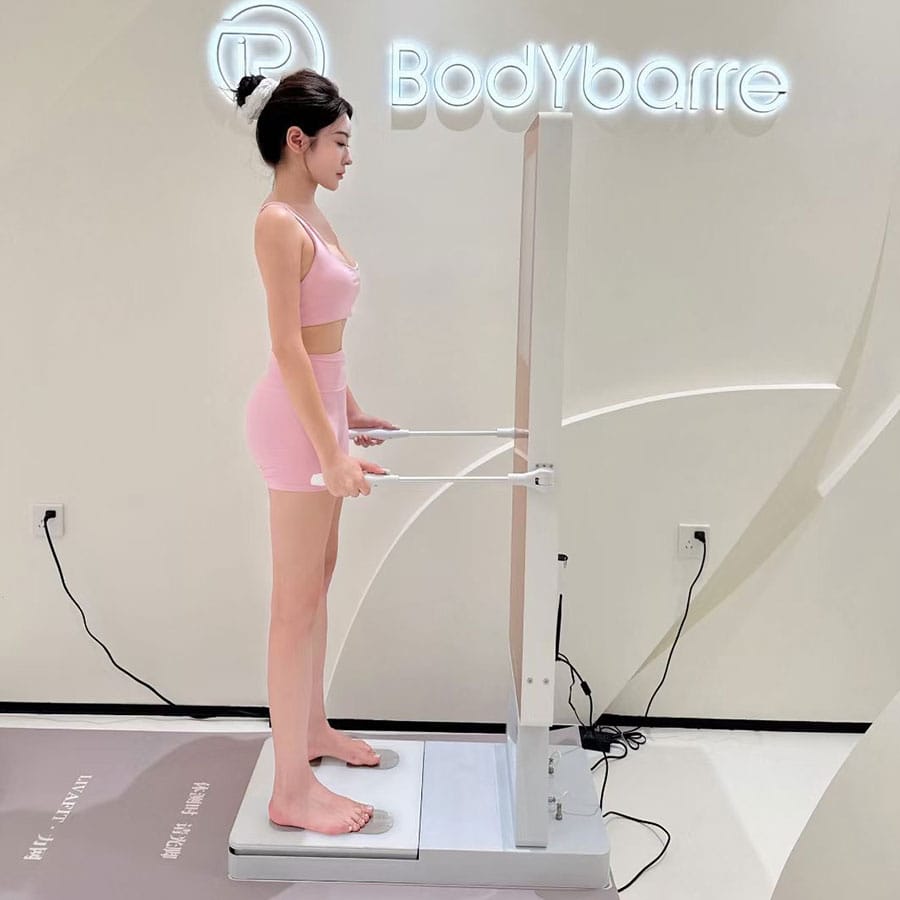
Most modern body composition analyzers use bioelectrical impedance analysis (BIA) technology to estimate body composition.
Bioelectrical Impedance Analysis (BIA) Technology
A bioelectrical impedance body composition analyzer sends a very small, safe electrical current through the body. Because different tissues conduct electricity differently, the device can estimate body composition based on the resistance the current encounters.
For example:
- Muscle contains more water and conducts electricity easily.
- Fat tissue contains less water and provides greater resistance.
By measuring this resistance, the analyzer calculates the proportions of fat, muscle, and water in the body.
Multi-Frequency Measurement Technology
Advanced commercial body composition analyzers use multi-frequency BIA technology. This approach sends electrical currents at different frequencies, allowing the system to measure both intracellular and extracellular water. As a result, it improves body composition analyzer accuracy and produces more reliable results.
Segmental Body Analysis
Professional machines often include segmental analysis, which evaluates body composition in different parts of the body, such as:
- Left arm
- Right arm
- Trunk
- Left leg
- Right leg
Segmental analysis is particularly valuable for athletes and rehabilitation programs because it reveals muscle imbalances and asymmetries.
Key Metrics Measured by a Body Composition Analyzer
A commercial body composition analyzer machine provides a variety of health indicators that help professionals better understand an individual’s physical condition.
Body Fat Percentage
Body fat percentage represents the proportion of fat in the body compared to total weight. Maintaining healthy body fat levels is important for cardiovascular health and metabolic function.
Skeletal Muscle Mass
Muscle mass plays a key role in strength, performance, and metabolism. Tracking skeletal muscle mass helps trainers and athletes monitor progress during strength training.
Visceral Fat Level
Visceral fat surrounds internal organs and is closely linked to health risks such as diabetes and heart disease. A professional analyzer can estimate visceral fat levels and identify potential health concerns.
Body Water Content
Water makes up a large portion of the human body and is essential for proper physiological function. Monitoring hydration levels helps optimize athletic performance and health.
Basal Metabolic Rate (BMR)
Basal metabolic rate represents the number of calories the body burns at rest. Understanding BMR helps individuals create effective nutrition and weight management strategies.
Key Features of a High-Quality Commercial Body Composition Analyzer
When selecting a commercial body composition analyzer for gyms or clinics, several features are particularly important.
High-quality systems typically include:
- Multi-frequency bioelectrical impedance technology
- Multiple electrode contact points for improved accuracy
- Fast measurement time (usually under 30 seconds)
- High-resolution touch screen display
- Integrated data analysis software
- Cloud storage or mobile app connectivity
- Built-in printer for health reports
- Durable design suitable for frequent daily use
For organizations that conduct hundreds of measurements each month, reliability and precision are essential.
Benefits of Using a Commercial Body Composition Analyzer

For Fitness Centers
Gyms use body composition analyzer machines to provide members with detailed health assessments. By showing measurable progress, fitness centers can improve member motivation and retention.
For Health Clinics
Clinics use body composition data to evaluate metabolic health, monitor treatment progress, and guide lifestyle interventions.
For Personal Trainers
Personal trainers can create personalized workout programs based on muscle distribution, fat percentage, and metabolic rate. This leads to more efficient training results.
Applications Across Different Industries
The flexibility of commercial body composition analyzer systems makes them valuable across multiple industries.
Body Composition Analyzer for Gyms
Gyms use analyzers to track members’ progress and demonstrate measurable fitness improvements.
Body Composition Analyzer for Medical Clinics
Medical professionals use body composition data to assess obesity, metabolic disorders, and nutritional status.
Body Composition Analyzer for Wellness Centers
Wellness centers integrate body composition analysis into holistic health programs, including nutrition planning and lifestyle coaching.
Body Composition Analyzer for Sports Teams
Sports teams rely on body composition data to optimize athlete performance and reduce injury risk.
Commercial Body Composition Analyzer vs BMI Measurement
BMI has been widely used as a quick health screening tool, but it has several limitations.
BMI only calculates weight relative to height, without considering muscle mass, fat distribution, or hydration. As a result, BMI can misclassify muscular individuals as overweight.
A commercial body composition analyzer, however, provides a much more comprehensive evaluation by measuring multiple physiological indicators.
For fitness professionals and healthcare providers, body composition analysis offers a far more accurate assessment of health and fitness status.
How to Choose the Best Commercial Body Composition Analyzer
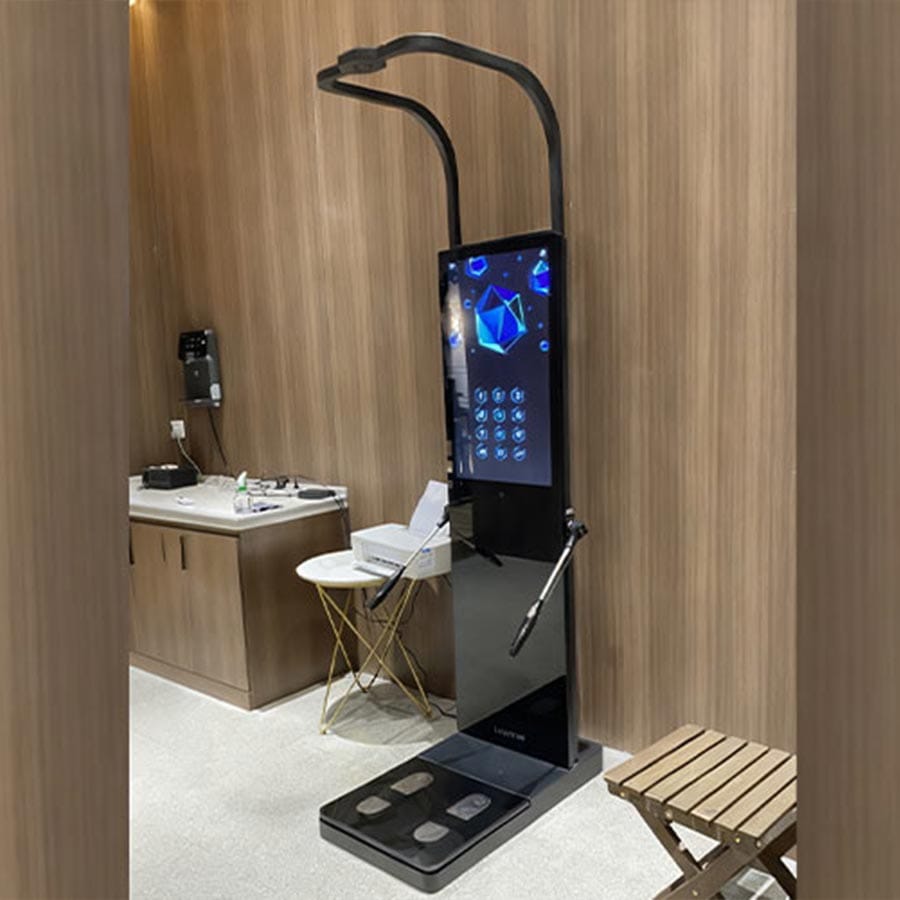
Choosing the right system requires careful consideration of several factors.
Accuracy and Measurement Technology
Look for machines that use multi-frequency BIA technology, as this significantly improves measurement accuracy.
Number of Parameters Measured
Professional analyzers should measure a wide range of indicators, including body fat, muscle mass, water content, visceral fat, and metabolic rate.
Ease of Use and Software Integration
User-friendly software and clear reports make it easier for trainers and healthcare professionals to interpret results.
Data Management and Reporting
Modern analyzers often include cloud platforms that allow users to track progress over time.
Reliability of the Manufacturer
Working with an experienced body composition analyzer manufacturer ensures better product quality, long-term reliability, and technical support.
Future Trends in Body Composition Analysis Technology
The future of body composition analyzer technology is rapidly evolving.
Emerging trends include:
- AI-driven health analytics
- Integration with wearable fitness devices
- Cloud-based health data platforms
- More advanced multi-frequency measurement systems
- Personalized health recommendations powered by big data
These innovations will further improve the accuracy and usefulness of commercial body composition analyzer machines.
Conclusion
As the global health and fitness industry continues to grow, the demand for accurate body assessment tools is increasing. A commercial body composition analyzer provides a comprehensive view of an individual’s physical condition by measuring body fat, muscle mass, hydration levels, and metabolic rate.
Compared with traditional methods such as BMI, body composition analysis offers far greater accuracy and actionable insights. This makes it an indispensable tool for gyms, healthcare providers, sports teams, and wellness centers.
For organizations looking to deliver professional health assessments and personalized fitness guidance, investing in a professional body composition analyzer can significantly enhance service quality and client outcomes. With ongoing advancements in technology, these devices will continue to play a critical role in the future of health management and performance optimization.
FAQ
1. What is a commercial body composition analyzer used for?
A commercial body composition analyzer is used to measure key health indicators such as body fat percentage, muscle mass, body water, and metabolic rate. It is commonly used in gyms, clinics, wellness centers, and sports training facilities to assess physical health and track fitness progress.
2. How accurate is a commercial body composition analyzer?
A high-quality commercial body composition analyzer that uses multi-frequency bioelectrical impedance analysis (BIA) technology can provide highly accurate and consistent measurements. These professional systems are significantly more precise than typical home body fat scales.
3. What measurements can a body composition analyzer provide?
Most professional body composition analyzers measure a range of parameters, including body fat percentage, skeletal muscle mass, visceral fat level, total body water, bone mass, and basal metabolic rate (BMR). These measurements help provide a comprehensive overview of an individual’s health.
4. Who should use a commercial body composition analyzer?
A commercial body composition analyzer machine is ideal for fitness centers, personal training studios, medical clinics, weight loss centers, and sports teams. These organizations use the device to monitor body composition changes and provide personalized health or training recommendations.
5. How often should you use a body composition analyzer?
For most individuals, using a body composition analyzer once every 2–4 weeks is sufficient to track meaningful changes in body fat and muscle mass. Regular testing helps monitor progress and adjust fitness or nutrition plans accordingly.