


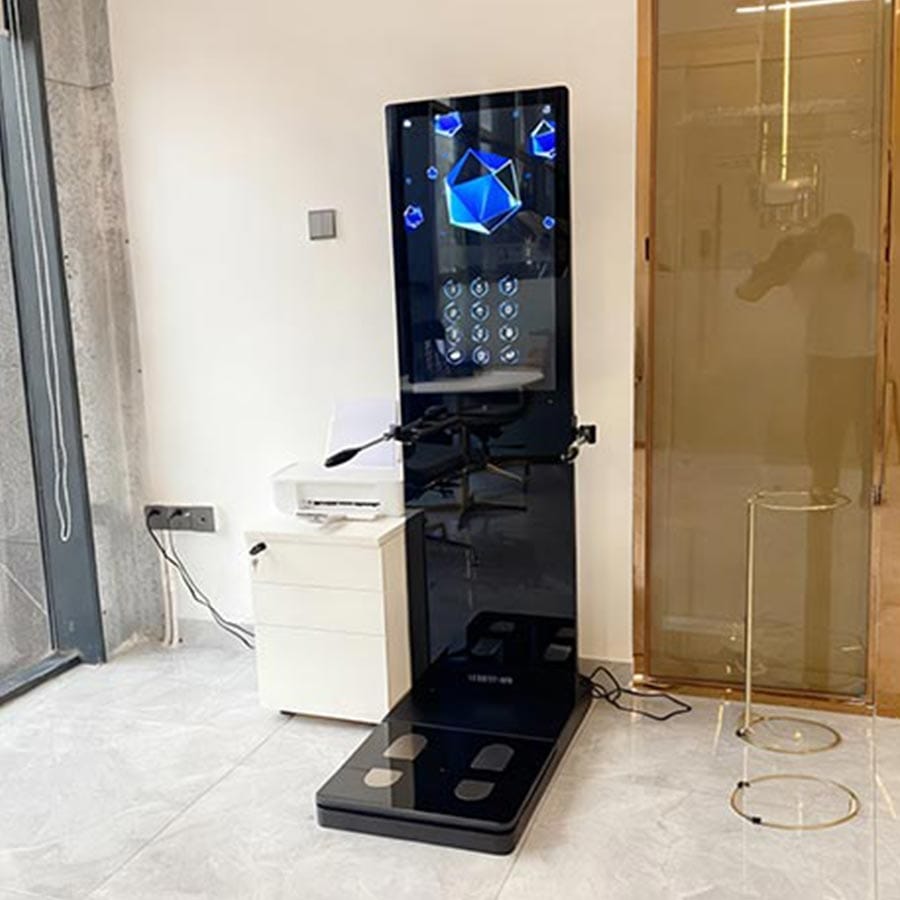
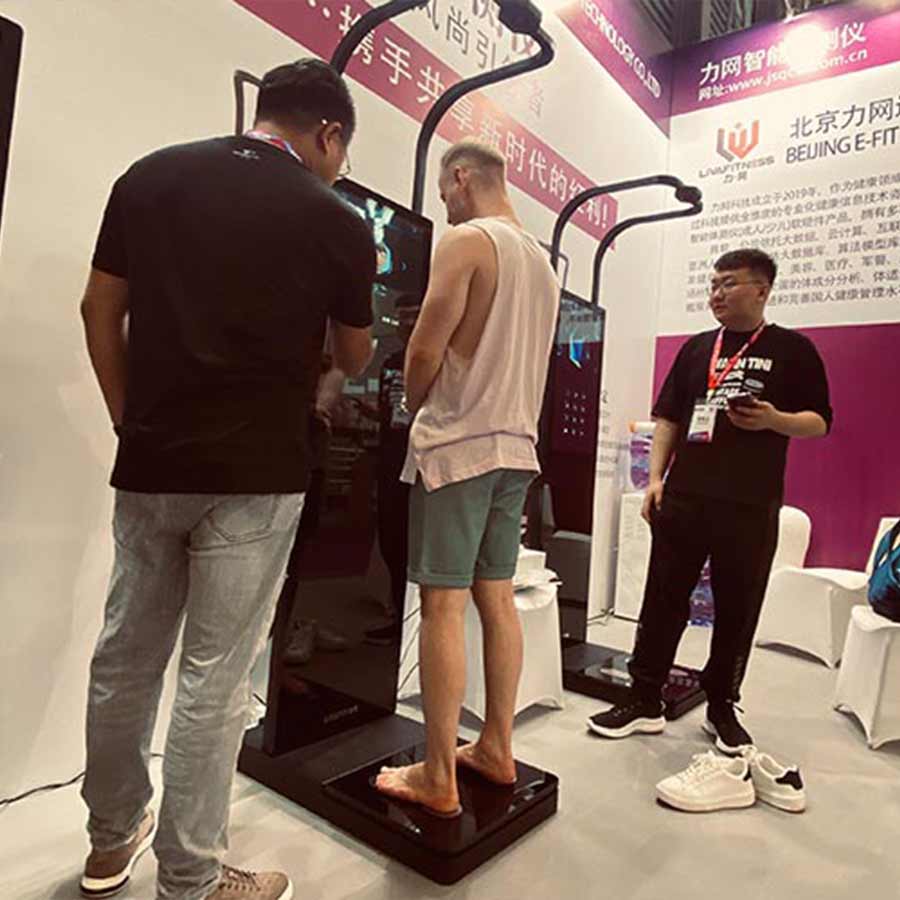
In an era where data drives health decisions, the smart body analyzer has become an essential tool for fitness professionals, healthcare providers, and wellness-conscious individuals alike. But what exactly sets these devices apart from conventional weighing scales, and how do you choose the right one for your business or personal needs?
This comprehensive guide walks you through everything you need to know about smart body analyzers—from the underlying BIA technology to manufacturing insights and OEM solutions. Whether you’re a gym owner, clinic operator, or brand distributor, you’ll find actionable insights to make informed purchasing decisions.
Table of Contents
What Is a Smart Body Analyzer and How It Works
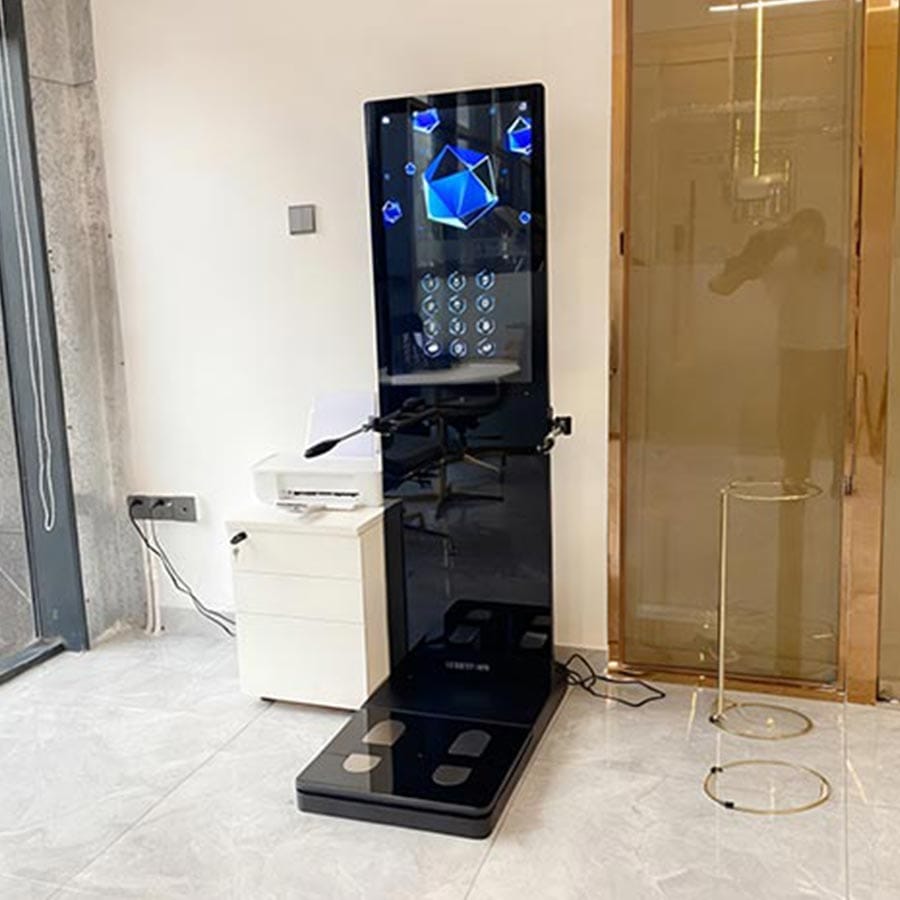
A smart body analyzer is an advanced electronic device designed to measure and track multiple health metrics beyond simple weight. Unlike traditional scales that only display body weight, these intelligent devices provide a complete picture of your body composition, helping users understand their health status in greater detail.
Understanding Smart Body Composition Analysis
Smart body composition analysis refers to the process of measuring the different components that make up your body, including fat, muscle, water, and bone mass. This approach provides a more accurate assessment of health than weight alone, which is why athletes, medical professionals, and fitness enthusiasts increasingly rely on these measurements for tracking progress and making informed health decisions.
The analysis works by sending a tiny electrical current through the body and measuring how it responds. Different tissues—including muscle, fat, and water—conduct electricity at different rates, allowing the device to calculate the proportion of each component.
How BIA Technology Measures Body Data
Bioelectrical Impedance Analysis (BIA) is the core technology powering most smart body analyzers. When you step barefoot onto the device’s sensors, it sends a safe, low-level electrical current (typically 50kHz) through your body. The current travels faster through water-rich tissues like muscle and blood, while fat tissue resists the current flow.
By measuring the impedance (resistance) to this current, the device calculates your body composition metrics using sophisticated algorithms. Advanced multi-frequency BIA technology can even distinguish between intracellular and extracellular water, providing even more precise readings than single-frequency devices.
Difference Between Smart Body Analyzer and Traditional Weighing Scale
The gap between these two devices is significant. A traditional scale provides only your total body weight—a single number with limited actionable value. A smart body analyzer delivers multiple metrics simultaneously, enabling trend analysis and deeper health insights.
Traditional scales cannot differentiate between fat loss and muscle loss, making it impossible to track the quality of your body composition changes. Smart body analyzers solve this problem by breaking down weight into meaningful components.
Key Health Metrics Measured
A comprehensive smart body analyzer typically measures:
- Body fat percentage: The proportion of fat tissue relative to total body weight
- Skeletal muscle mass: The amount of muscle attached to bones, crucial for strength and metabolism
- BMI (Body Mass Index): A ratio of height to weight used to categorize body weight status
- Body water rate: The total percentage of water in your body, essential for hydration monitoring
- Bone mass: The mineral content of your bones, important for long-term skeletal health
- Visceral fat: Fat stored around internal organs, a key indicator of metabolic health
- BMR (Basal Metabolic Rate): The calories your body burns at rest, critical for diet planning
Core Features of a Modern Smart Body Analyzer
Today’s smart body analyzers come packed with features designed for seamless integration into modern health ecosystems. Understanding these capabilities helps you evaluate which device best meets your operational requirements.
High-Precision Body Composition Sensors
The heart of any quality smart body analyzer lies in its sensor technology. Premium devices utilize medical-grade stainless steel electrodes with advanced signal processing algorithms to minimize measurement variance. Look for devices featuring:
- Multi-point contact sensors for improved signal transmission
- Temperature compensation for environmental adaptability
- Auto-calibration functions for consistent accuracy
- High-resolution ADC (analog-to-digital converters) for precise signal capture
Multi-User Recognition System
Modern smart body analyzers support multiple user profiles, automatically identifying individuals based on unique biometric signatures. This feature is essential for:
- Family households sharing a single device
- Gyms and fitness centers serving diverse memberships
- Corporate wellness programs tracking multiple employees
- Clinics managing patient populations
The system stores individual measurements separately, generating personalized trend reports without manual data sorting.
Bluetooth and WiFi Connectivity Options
Connectivity determines how easily your smart body analyzer integrates with existing workflows. Bluetooth connectivity allows direct pairing with smartphones and tablets for immediate data transfer. WiFi-enabled models provide continuous cloud synchronization, enabling access to historical data from any device without manual syncing.
For business applications, WiFi connectivity offers advantages including centralized data management, remote monitoring capabilities, and seamless integration with fitness apps and health platforms.
App Integration for Health Tracking
The companion mobile app transforms raw data into actionable insights. Quality apps provide:
- Visual charts and graphs showing trend evolution over time
- Goal-setting and milestone tracking features
- Personalized recommendations based on measurement history
- Integration with popular fitness platforms and Apple Health/Google Fit
- Export capabilities for professional health assessments
Cloud Data Storage and Long-Term Monitoring
Cloud storage ensures your measurement history is never lost, even if you replace your device. This longitudinal data approach enables:
- Long-term trend identification beyond daily fluctuations
- Correlation analysis between lifestyle factors and body composition changes
- Professional reporting for healthcare providers or personal trainers
- Data backup and cross-device synchronization
Why Smart Body Analyzers Are Important for Health Monitoring
The shift from weight-centric to composition-aware health monitoring represents a fundamental change in how we understand and manage personal health. Smart body analyzers play a crucial role in this transformation.
Role in Weight Management and Fitness Planning
For anyone pursuing weight management goals, body composition data provides critical context that scale weight cannot. Losing 5 kilograms might sound successful on the surface, but if that loss consists primarily of muscle rather than fat, the outcome is actually detrimental to long-term health and metabolism.
Smart body analyzers enable users to track whether weight changes come from fat loss, muscle gain, or water fluctuation. This insight allows for timely program adjustments, ensuring fitness efforts produce meaningful results.
Importance for Athletes and Personal Trainers
Athletic performance depends heavily on body composition optimization. Professional coaches use these devices to monitor muscle mass development, track hydration status before competitions, and assess recovery progress between training sessions.
For personal trainers working with clients, objective body composition data strengthens program accountability. Clients see measurable progress beyond how their clothes fit, leading to improved motivation and retention.
Daily Health Tracking for Home Users
For home users, regular body composition monitoring establishes baseline health indicators and alerts users to concerning trends before they become serious problems. Tracking visceral fat levels, for example, can encourage dietary changes before metabolic syndrome develops.
The convenience of modern devices—combined with smartphone app integration—makes daily tracking sustainable for ordinary consumers, not just fitness enthusiasts.
Preventive Health Insights Through Body Data Analysis
Perhaps most importantly, smart body analyzers contribute to preventive healthcare. By tracking metrics like body water percentage, muscle mass, and visceral fat over time, users and healthcare providers can identify health risks early.
Research consistently shows that maintaining healthy body composition reduces risk for numerous chronic conditions including type 2 diabetes, cardiovascular disease, and osteoporosis. Regular monitoring empowers proactive health management.
Smart Body Analyzer Accuracy and Performance Factors
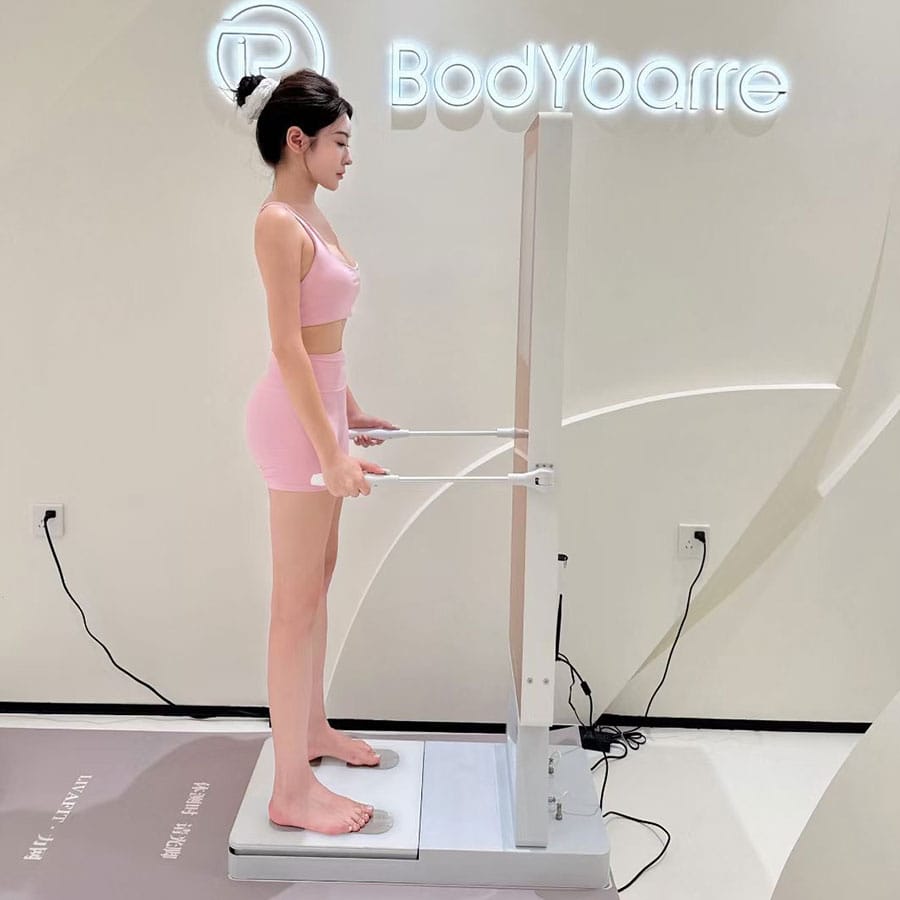
Understanding accuracy factors helps buyers set realistic expectations and select devices appropriate for their use cases.
Sensor Quality and Calibration Standards
Measurement accuracy begins with sensor quality. Medical-grade sensors with consistent electrical characteristics produce more reliable readings than consumer-grade alternatives. Professional devices undergo stricter calibration protocols during manufacturing, often including:
- Reference material validation against DEXA (Dual-energy X-ray absorptiometry) scans
- Temperature and humidity chamber testing
- Statistical process control to maintain measurement consistency
- Regular recalibration verification against known standards
Environmental and Usage Conditions Affecting Accuracy
BIA technology is sensitive to physiological and environmental factors. For optimal accuracy, users should:
- Measure at consistent times (morning after fasting overnight is ideal)
- Avoid measurement immediately after exercise (sweating affects conductivity)
- Maintain similar hydration levels before each measurement
- Stand still on the sensors without excessive movement
- Ensure bare feet contact all electrodes properly
Comparison Between Consumer-Grade and Professional Devices
Understanding the distinction between device categories helps buyers choose appropriately:
| Feature | Consumer-Grade Devices | Professional-Grade Devices |
|---|---|---|
| Electrode Configuration | 4-point (feet only or feet + handles) | 8-point (including hand electrodes) |
| Frequency Range | Single frequency (50kHz typically) | Multi-frequency (5-500kHz range) |
| Accuracy Margin | ±3-5% for body fat | ±1-2% for body fat |
| Price Point | $30-150 | $500-3000+ |
| Primary Use | Home tracking, personal fitness | Medical assessment, clinical research |
| Validation Standard | Internal testing | Clinical validation studies |
How Manufacturers Ensure Measurement Consistency
Reputable manufacturers implement rigorous quality control including:
- Statistical Process Control (SPC) on production lines
- Batch testing of sensors against reference devices
- firmware calibration routines accessible to users
- Clear user protocols to minimize measurement variability
- Regular calibration against NIST-traceable standards
Smart Body Analyzer vs Smart Scale: Key Differences
While the terms are sometimes used interchangeably, significant differences exist between these two device categories.
Functional Differences in Data Measurement
Smart body analyzers provide comprehensive body composition analysis including segmental measurement (individual arm, leg, and torso readings), advanced metrics like visceral fat and bone mass, and detailed breakdown of muscle and water content.
Smart scales typically offer more limited measurements focused on weight, BMI, and basic body fat percentage. While they provide more than traditional scales, they lack the depth of analysis offered by dedicated body composition devices.
Accuracy and Data Depth Comparison
Professional smart body analyzers with 8-electrode configurations achieve accuracy margins of 1-2% for body fat measurements, validated against clinical reference methods. Smart scales, typically limited to 4-electrode configurations, generally show accuracy margins of 3-5% under ideal conditions.
For casual home users, smart scales provide sufficient insight for trend monitoring. For clinical applications, athletic performance tracking, or situations where precision matters, dedicated body composition analyzers are the appropriate choice.
Application Scenarios
| Use Case | Smart Body Analyzer | Smart Scale |
|---|---|---|
| Home fitness tracking | ✓ Suitable | ✓ Ideal |
| Gym membership assessment | ✓ Recommended | Limited |
| Medical/clinic use | ✓ Required | Not suitable |
| Professional athletic monitoring | ✓ Essential | Insufficient |
| Corporate wellness programs | ✓ Preferred | Acceptable |
| Personal trainer clients | ✓ Recommended | Limited |
Which Device Is Better for Long-Term Health Tracking
For comprehensive health monitoring over months and years, smart body analyzers offer clear advantages:
- More detailed metrics reveal subtle health improvements
- Segmental analysis identifies muscle imbalances
- Multi-frequency technology tracks hydration status more reliably
- Professional-grade accuracy reduces measurement noise
Smart scales remain viable for users focused primarily on weight management without the need for detailed body composition insights. However, anyone serious about understanding their body composition should invest in a dedicated smart body analyzer.
Applications of Smart Body Analyzer in Different Industries
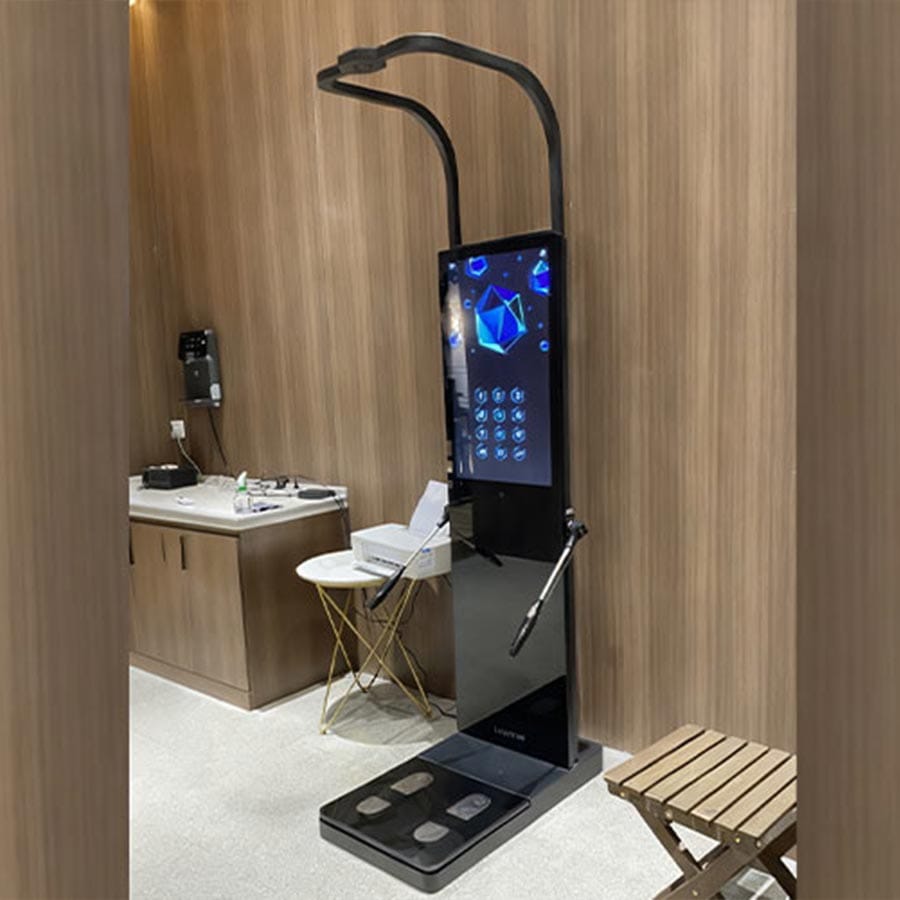
The versatility of smart body analyzers has driven adoption across numerous sectors, each with specific requirements and use cases.
Fitness Centers and Gyms
Modern fitness facilities use smart body analyzers to:
- Provide members with baseline body composition assessments
- Track member progress and demonstrate facility value
- Generate revenue through body composition analysis services
- Inform personalized training program design
- Support group fitness class effectiveness measurement
Many gyms now include body composition tracking as a standard membership benefit, using the data to improve member retention through visible progress documentation.
Hospitals and Wellness Clinics
Healthcare settings utilize professional-grade smart body analyzers for:
- Pre-operative risk assessment based on body composition
- Monitoring patients with metabolic conditions
- Nutritional counseling support
- Rehabilitation progress tracking
- Geriatric health assessment
The objective data provided by these devices helps healthcare professionals make evidence-based recommendations rather than relying solely on subjective patient reports.
Corporate Wellness Programs
Forward-thinking companies incorporate body composition analysis into employee wellness initiatives:
- Baseline health risk assessments for insurance purposes
- Tracking program effectiveness over time
- Incentivizing healthy behavior changes
- Demonstrating return on wellness investment
- Supporting remote employee health monitoring
Data anonymization features ensure employee privacy while still providing aggregate insights for program evaluation.
Personal Training and Coaching Businesses
Independent trainers and coaching services leverage these devices to:
- Create objective baseline assessments for new clients
- Track intervention effectiveness between sessions
- Justify programming decisions with concrete data
- Motivate clients through measurable progress
- Differentiate services from competitors
The ability to show clients clear progress data strengthens the trainer-client relationship and improves client retention.
Home Fitness and Lifestyle Tracking
For individual consumers, smart body analyzers support:
- Morning health check-in routines
- Progress tracking for home workout programs
- Family health monitoring
- Weight loss journey documentation
- Integration with broader health ecosystems
The convenience of wireless connectivity and smartphone apps makes daily tracking practical for busy individuals.
Smart Body Analyzer Manufacturing Process (Factory Insight)
Understanding how these devices are manufactured provides valuable context for quality evaluation and supplier selection.
Product Design and Engineering Development
Quality smart body analyzers begin with rigorous engineering. The development process includes:
- Market requirements gathering: Identifying customer needs, regulatory requirements, and competitive specifications
- Industrial design: Creating aesthetically appealing enclosures that accommodate sensor placement
- Hardware architecture: Selecting microcontrollers, sensors, and connectivity modules
- Algorithm development: Refining BIA algorithms against clinical reference data
- Prototyping and testing: Validating design concepts before mass production
- User experience testing: Ensuring app integration and device operation meet expectations
This foundational work determines the device’s ultimate performance, durability, and user satisfaction.
Sensor Technology Integration and Calibration
Sensor integration represents one of the most critical manufacturing steps:
- Electrode manufacturing: Medical-grade stainless steel electrodes are stamped and polished to exact tolerances
- Sensor placement: Precise positioning ensures consistent electrical contact across all foot sizes
- Calibration resistor integration: Factory-programmed reference resistors enable device self-calibration
- Environmental testing: Sensors are tested across temperature and humidity ranges to verify consistency
PCB Assembly and Hardware Production
The printed circuit board (PCB) houses the device’s electronic brain:
- PCB fabrication: Multi-layer boards are manufactured with tight impedance control
- Component placement: Automated pick-and-place machines position components with 0.01mm accuracy
- Soldering: Lead-free reflow soldering ensures reliable electrical connections
- Underfill and protection: Critical components receive protective coating for durability
- In-circuit testing: Each assembled board undergoes electrical verification
Quality Control and Testing Standards
Reputable manufacturers implement comprehensive quality assurance:
- AOI (Automated Optical Inspection): Visual inspection of solder joints and component placement
- ICT (In-Circuit Testing): Electrical testing of circuit functionality
- Functional testing: Full device operation verification against specifications
- Accuracy validation: Sample testing against reference devices or clinical standards
- Drop testing: Mechanical durability verification
- EMC testing: Electromagnetic compatibility verification for regulatory compliance
Packaging and Export Preparation Process
Final production stages ensure products arrive safely:
- Product conditioning: Units are powered and tested after assembly to identify early failures
- Custom packaging: Branded packaging reflects client requirements
- User manual preparation: Clear documentation in required languages
- Export compliance: Documentation for customs clearance including FCC/CE certifications
- Palletization: Secure shipping configuration for international transport
OEM and Wholesale Smart Body Analyzer Solutions
For businesses looking to offer smart body analyzers under their own brand, understanding OEM and wholesale options is essential.
Private Label Customization Options
Private label arrangements allow businesses to rebrand existing platforms with:
- Custom branding: Logo placement, color schemes, and packaging design
- App customization: Branded apps with custom colors, logos, and feature configurations
- Firmware modifications: Adjusted default settings, measurement units, or display formats
- Documentation customization: User manuals and marketing materials with client branding
These options enable rapid market entry without the substantial investment required for original product development.
OEM Manufacturing Advantages for Global Brands
OEM (Original Equipment Manufacturing) partnerships offer strategic benefits:
- Reduced capital requirements: No factory investment needed
- Faster time-to-market: Leverage existing design and manufacturing infrastructure
- Technical expertise access: Manufacturer’s engineering support and BIA algorithm refinement
- Scalability: Production capacity to match demand growth
- Quality assurance: Established manufacturing processes and certifications
- Cost optimization: Shared tooling and component costs across multiple clients
Wholesale and Bulk Order Solutions for Distributors
Distributors benefit from volume-based pricing structures:
- Tiered pricing: Increasing discounts at higher volume thresholds
- Flexible MOQs: Minimum order quantities suitable for testing market demand
- Inventory financing: Stocking programs for established distributors
- Regional exclusivity: Territory protection for committed partners
- Marketing support: Co-marketing funds and promotional materials
Factory Direct Supply Benefits and Cost Efficiency
Sourcing directly from manufacturers eliminates intermediaries:
- Lower unit costs: Competitive pricing without distributor margins
- Supply chain transparency: Direct visibility into production status
- Customization flexibility: Direct communication with engineering teams
- Faster issue resolution: Streamlined communication for quality concerns
- IP protection: Better control over proprietary designs and technology
Global Market Export Capabilities
Established manufacturers support international expansion:
- Certifications: CE, FCC, RoHS, and other regional certifications
- Multi-language support: Apps and documentation in major market languages
- Power adapter options: Regional plug configurations
- Customs documentation: Complete export documentation packages
- Logistics coordination: Shipping arrangements to major global markets
How to Choose the Best Smart Body Analyzer for Your Business or Personal Use
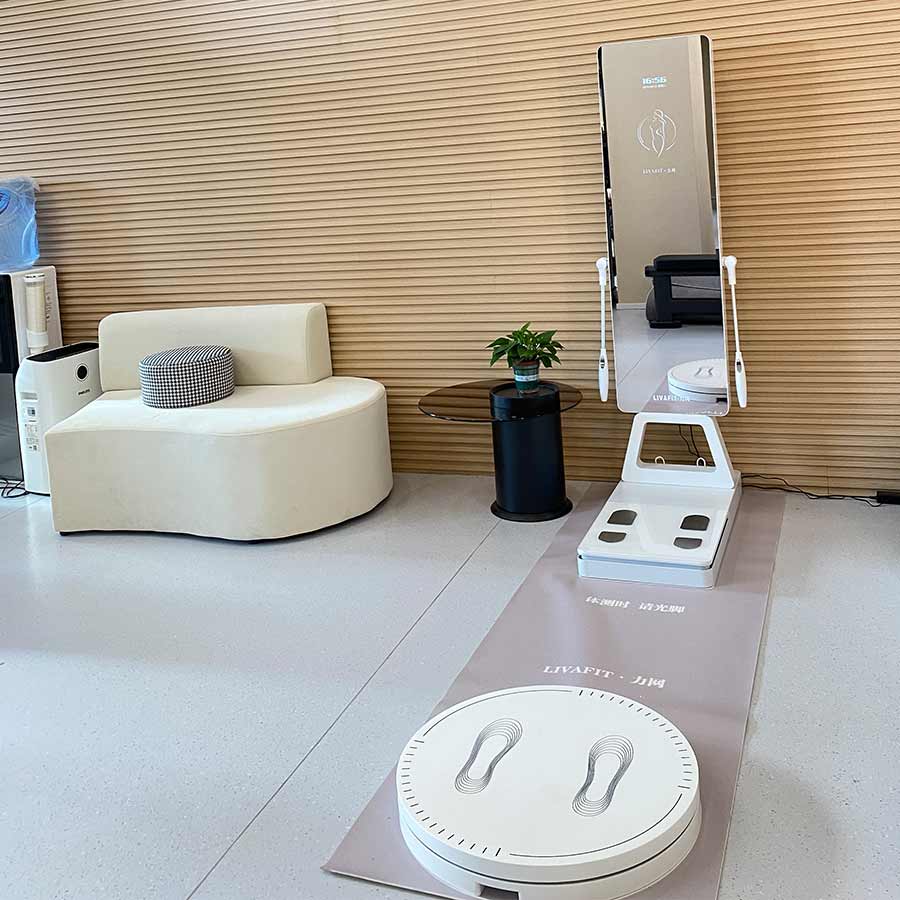
With numerous options available, evaluating smart body analyzers requires systematic consideration of several key factors.
Key Specifications to Evaluate Before Purchase
Before evaluating brands, establish your baseline requirements:
- Measurement accuracy: What precision level does your application require?
- Available metrics: Which body composition measurements are essential?
- User capacity: How many user profiles must the device support?
- Weight capacity: Does the device accommodate your user population?
- Display type: LED, LCD, or app-only display?
Creating a specification shortlist narrows options to devices actually suited for your needs.
Connectivity Options (Bluetooth vs WiFi)
| Connectivity Type | Advantages | Best Suited For |
|---|---|---|
| Bluetooth only | Lower cost, simpler setup, mobile-only | Home users, small gyms |
| WiFi only | Continuous sync, no phone nearby needed | Connected homes, remote monitoring |
| Dual-mode | Maximum flexibility | Professional settings, multiple users |
For business applications, WiFi connectivity enables centralized data management and reduces dependency on individual smartphones.
App Ecosystem and Software Compatibility
Evaluate the complete software experience:
- App platform coverage: iOS and Android availability
- App store ratings: User satisfaction indicators
- Health platform integration: Apple Health, Google Fit, Samsung Health compatibility
- Data export options: Can you download your raw data?
- Update frequency: Active development indicates ongoing support
- API availability: For business integrations, API access matters
Durability and Sensor Lifespan
Hardware longevity affects total cost of ownership:
- Build materials: Tempered glass platforms resist scratches; ABS plastic bases absorb impacts
- Sensor durability: Quality sensors maintain accuracy over thousands of measurements
- Weight limit: Exceeding rated capacity risks sensor damage
- Warranty coverage: Longer warranties indicate manufacturer confidence
- User reviews: Real-world durability feedback from long-term users
Price vs Performance Balance
Avoid both underbuying (insufficient features) and overbuying (unnecessary expense):
- Entry-level ($30-80): Basic body composition, smartphone app, suitable for personal use
- Mid-range ($80-200): Enhanced accuracy, more metrics, multi-user support
- Professional ($200-500): Clinical-grade sensors, advanced metrics, business features
- Enterprise ($500+): Full body composition platforms, SDK access, enterprise support
Align your investment with actual usage requirements rather than maximum specifications.
Conclusion
Smart body analyzers have transformed how we understand and track personal health. From the underlying BIA technology that measures body composition to the connected apps that visualize progress, these devices provide actionable insights impossible to obtain from traditional weighing scales.
Whether you’re evaluating devices for personal use, outfitting a fitness facility, establishing a corporate wellness program, or sourcing products for distribution, understanding the technical fundamentals, quality factors, and business models in this guide positions you to make informed decisions.
The right smart body analyzer balances accuracy requirements, connectivity needs, durability expectations, and budget constraints into a solution appropriate for your specific application. By prioritizing quality sensors, reliable connectivity, and sustainable software ecosystems, you’ll select a device that delivers value over years of service.
Ready to explore smart body analyzer solutions for your business? Connect with experienced manufacturers who understand both the technology and the diverse needs of gyms, clinics, corporate wellness programs, and consumer markets.
FAQ
What is a smart body analyzer and how does it work?
A smart body analyzer is a device that uses Bioelectrical Impedance Analysis (BIA) technology to measure body composition metrics including body fat percentage, muscle mass, body water, and bone mass. It sends a safe, low-level electrical current through the body via sensors in the footpads, then calculates body composition by analyzing how the current travels through different tissues.
How accurate are smart body analyzers compared to medical devices?
Consumer-grade smart body analyzers typically achieve accuracy within 3-5% for body fat measurements, while professional-grade devices with multi-frequency BIA technology and 8-electrode configurations can achieve 1-2% accuracy. For clinical precision, medical methods like DEXA scans or hydrostatic weighing remain the reference standards, but smart body analyzers provide sufficient accuracy for fitness tracking and health monitoring purposes.
What factors affect the accuracy of body composition measurements?
Key accuracy factors include measurement timing (consistency in time of day), hydration status (similar fluid intake before each measurement), recent exercise or meals, skin temperature, and proper foot placement on electrodes. For best results, measure under similar conditions each time, preferably in the morning before eating or drinking.
What’s the difference between a smart body analyzer and a smart scale?
A smart scale typically provides weight, BMI, and basic body fat percentage measurements using 4-electrode BIA technology. A dedicated smart body analyzer offers more comprehensive measurements including visceral fat, muscle mass by segment, bone mass, BMR, and body water percentage, often using more advanced multi-frequency BIA technology for greater accuracy.
Can I use a smart body analyzer for my fitness business or gym?
Yes, smart body analyzers are widely used in fitness facilities, personal training practices, corporate wellness programs, and healthcare settings. When selecting a device for business use, consider professional-grade accuracy, multi-user support, WiFi connectivity for centralized data management, and options for custom branding or app integration to create a professional client experience.