

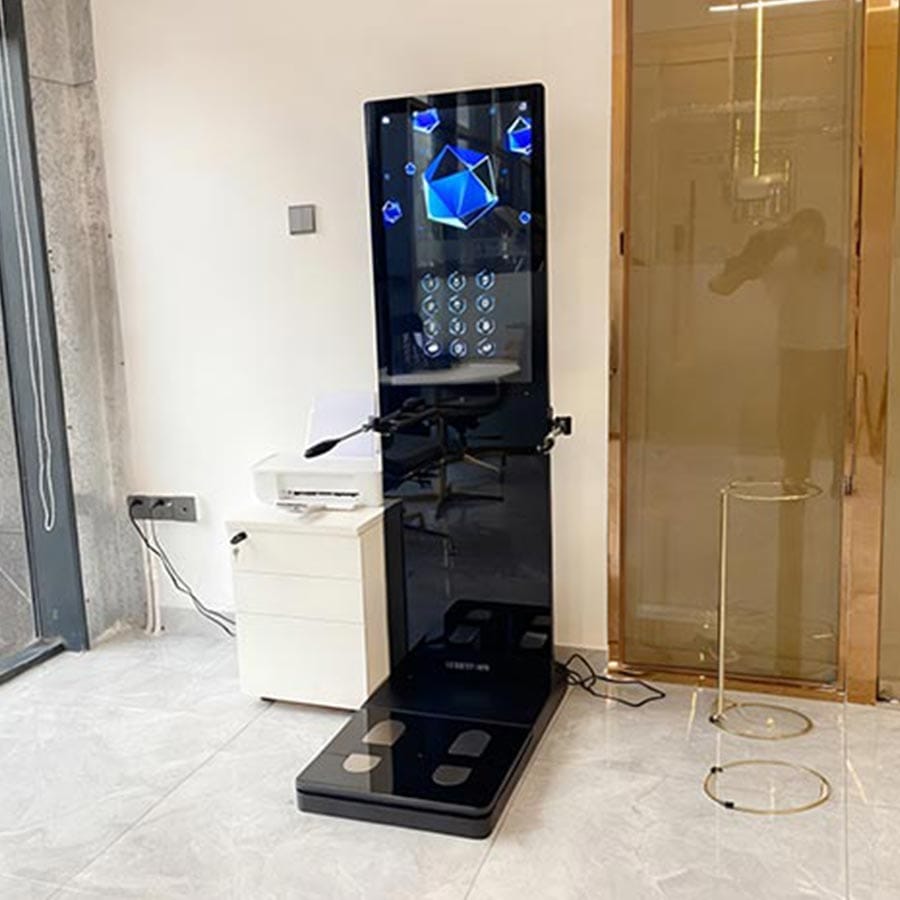
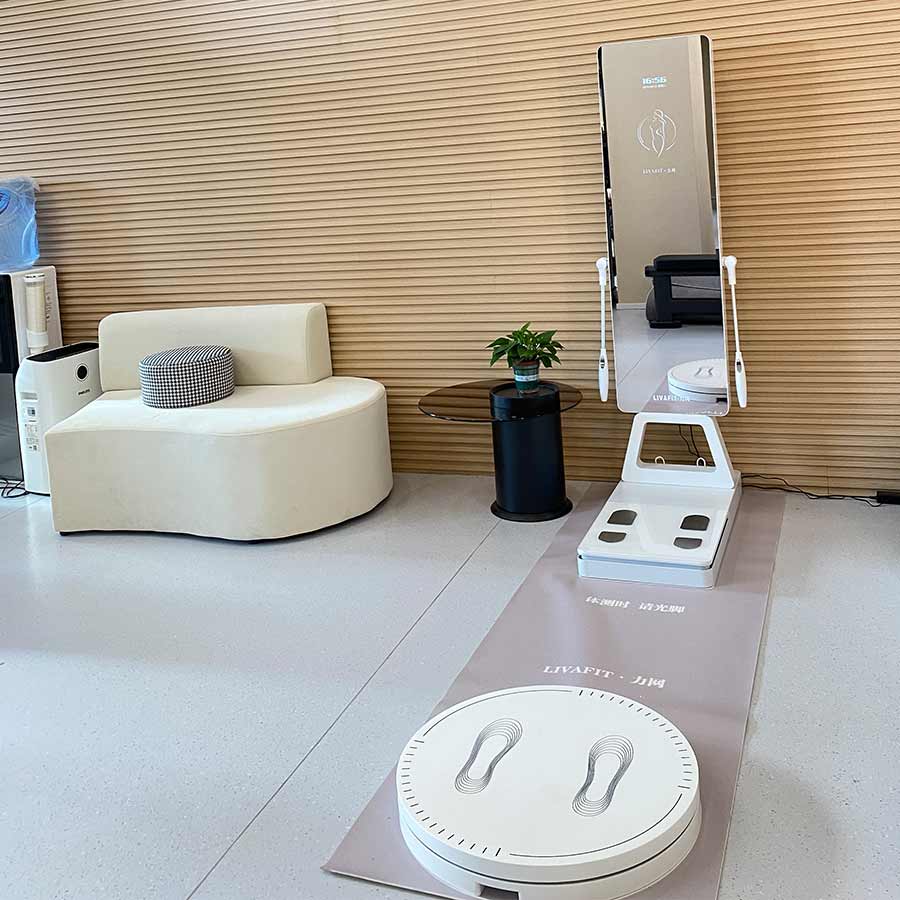

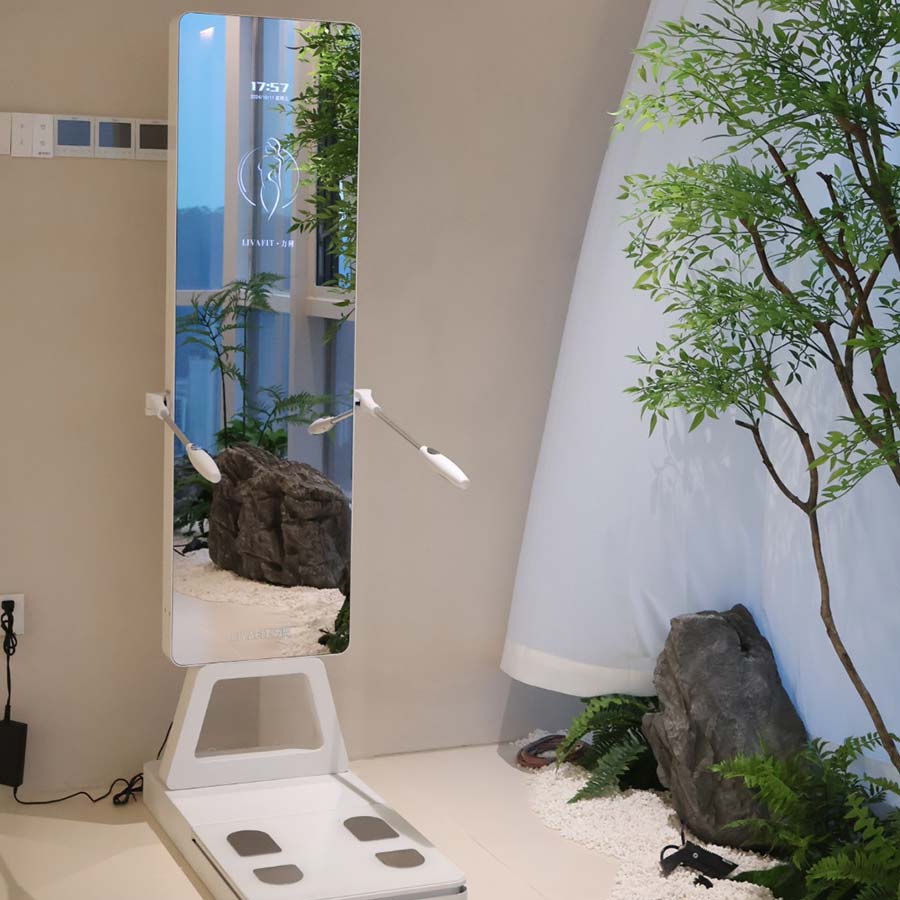
Body composition analysis has quietly become one of the fastest-growing segments in the global fitness and preventive healthcare market. A few years ago, many gyms only focused on weight tracking. Today, more facilities are investing in professional body analyzer systems that provide deeper insights into fat percentage, skeletal muscle, hydration, and metabolic condition.
This shift is changing how fitness centers operate, how wellness programs are designed, and how healthcare providers evaluate long-term health risks.
For manufacturers, this trend is creating a completely different market demand. Buyers are no longer searching for simple hardware. They are looking for stable systems, reliable data performance, software integration, and scalable OEM or ODM solutions that fit commercial environments.
Table of Contents
Why Professional Body Analyzers Are Receiving More Attention Worldwide
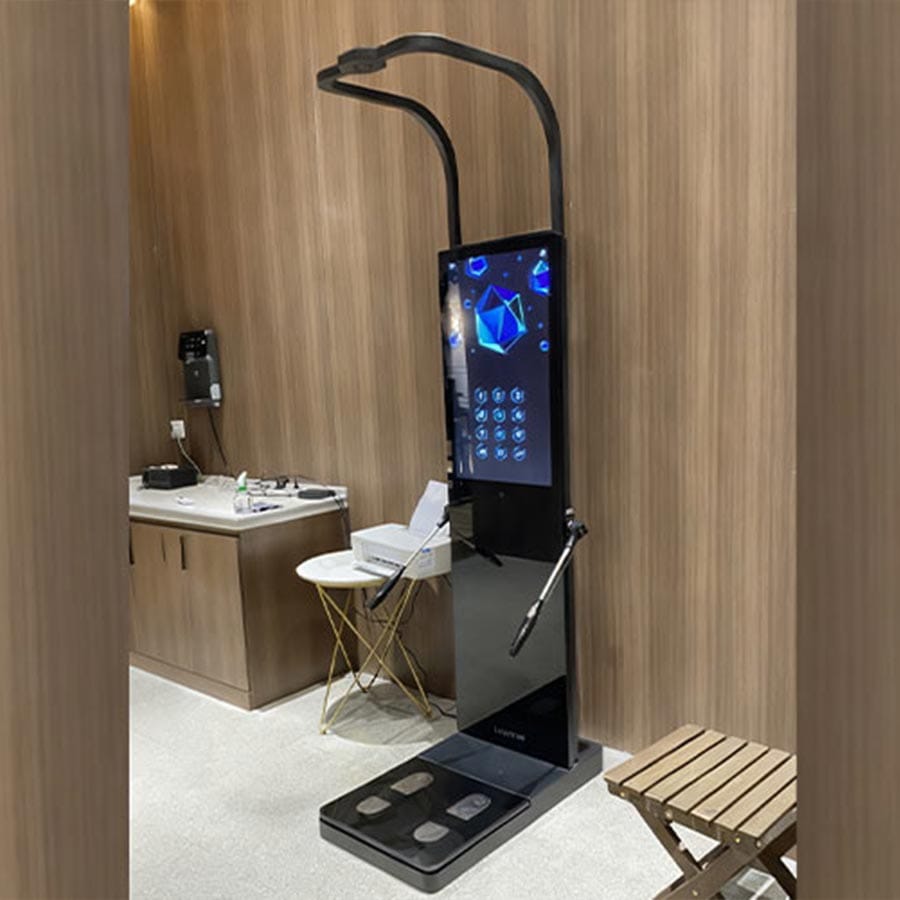
The popularity of professional body analyzer equipment is directly connected to broader health trends.
People are paying closer attention to:
- metabolic health
- obesity management
- muscle preservation
- sports recovery
- preventive healthcare
- personalized fitness programs
Traditional weight scales cannot provide enough information for these goals. Two people with the same weight may have completely different body compositions. One may have higher muscle mass, while another may carry excess visceral fat.
That difference matters in both fitness and medical environments.
Professional body composition analysis helps users understand physical condition more accurately instead of relying only on body weight or BMI.
The Industry Is Moving Beyond Basic Weight Measurement
One of the biggest reasons commercial gyms and wellness centers are upgrading equipment is member retention.
Fitness users now expect measurable progress reports instead of generic training plans.
A professional body analyzer allows facilities to track:
| Measurement Area | Commercial Value |
|---|---|
| Body Fat Percentage | Weight management tracking |
| Skeletal Muscle Mass | Strength training analysis |
| Visceral Fat Level | Health risk monitoring |
| Hydration Status | Recovery evaluation |
| Basal Metabolic Rate | Nutrition planning |
For fitness businesses, these reports create stronger engagement because clients can visualize physical changes over time.
That changes the conversation from “How much weight did you lose?” to “How much healthier is your body composition becoming?”
Why Multi-Frequency Technology Matters in Modern Body Composition Analysis
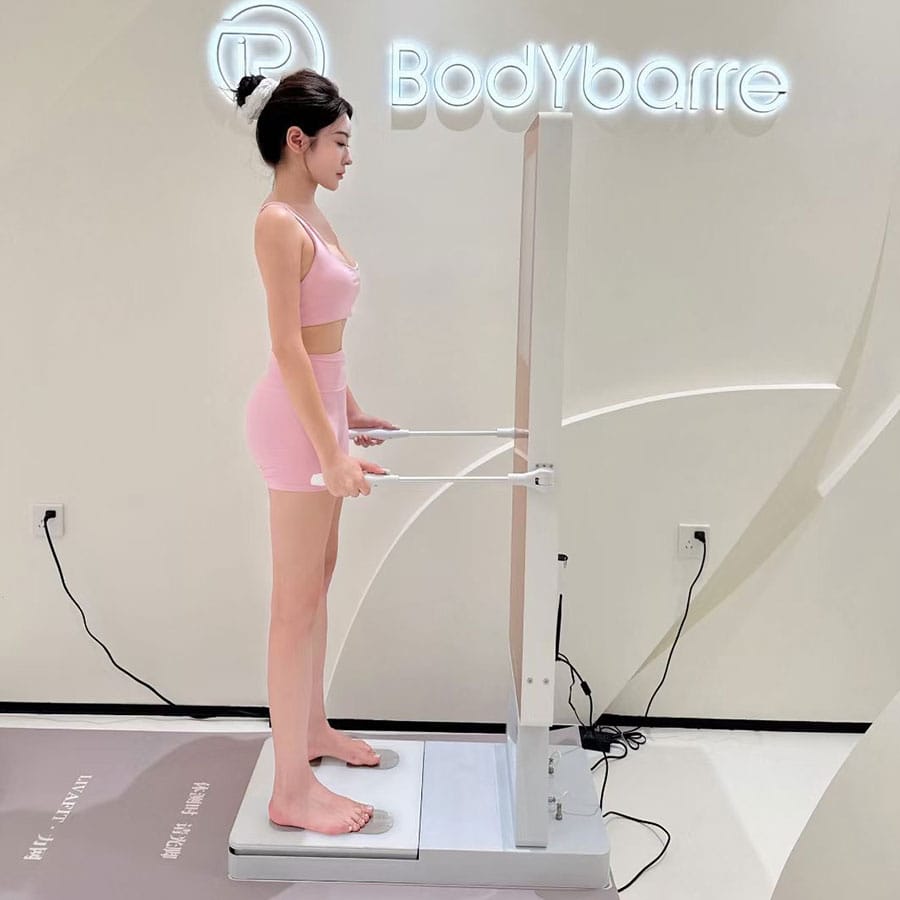
Many commercial buyers today specifically search for multi-frequency professional body analyzer systems.
There is a practical reason behind this.
Basic analyzers typically use a single electrical frequency during testing. More advanced systems use multiple frequencies to estimate different tissue characteristics more effectively.
This improves the evaluation of:
- intracellular water
- extracellular water
- muscle distribution
- segmental body composition
For gyms, rehabilitation centers, and sports performance facilities, this level of detail is becoming increasingly important.
Especially in professional fitness environments, body composition trends often matter more than isolated measurements.
What Commercial Buyers Actually Care About Today
From a manufacturing perspective, buyer priorities have changed significantly in recent years.
The conversation is no longer only about appearance or hardware dimensions.
Most distributors, clinics, and fitness chains now focus on:
Software Stability
Cloud systems, app synchronization, and data storage are becoming standard requirements.
Measurement Consistency
Commercial facilities need repeatable results across large user groups.
User Experience
Simple interfaces and fast report generation improve operational efficiency.
OEM Branding Support
Private label solutions help distributors establish their own market identity.
Long-Term Reliability
Professional equipment is expected to operate continuously in high-traffic environments.
Because of this, manufacturers that specialize in professional body analyzer systems are increasingly investing in software ecosystems rather than only hardware production.
OEM & ODM Demand Is Expanding Across Global Markets
Private-label fitness and wellness equipment continues to grow rapidly.
Many importers and distributors prefer OEM or ODM cooperation because it allows them to:
- build their own product line
- create localized software interfaces
- customize reports and branding
- integrate with existing health platforms
For manufacturers, this requires more than assembly capability.
A true OEM body analyzer manufacturer typically needs:
- hardware engineering capability
- embedded software development
- testing and calibration systems
- certification experience
- production scalability
This is one reason why experienced manufacturers are gaining more attention from international buyers.
Commercial Applications Are Expanding Faster Than Many Expected
Professional body analyzer systems are no longer limited to gyms.
Current demand is expanding into multiple industries.
Fitness Centers
Used for onboarding assessments, member progress reports, and premium coaching services.
Wellness Clinics
Often integrated into weight management and lifestyle improvement programs.
Rehabilitation Facilities
Helpful for muscle recovery monitoring and physical therapy evaluation.
Corporate Health Programs
Companies increasingly use body composition screening as part of employee wellness initiatives.
Sports Training Centers
Athletes and trainers use body composition data for conditioning and performance optimization.
This broader application range is one reason industry demand continues to rise globally.
What Makes a Professional Body Analyzer Different From Consumer Devices
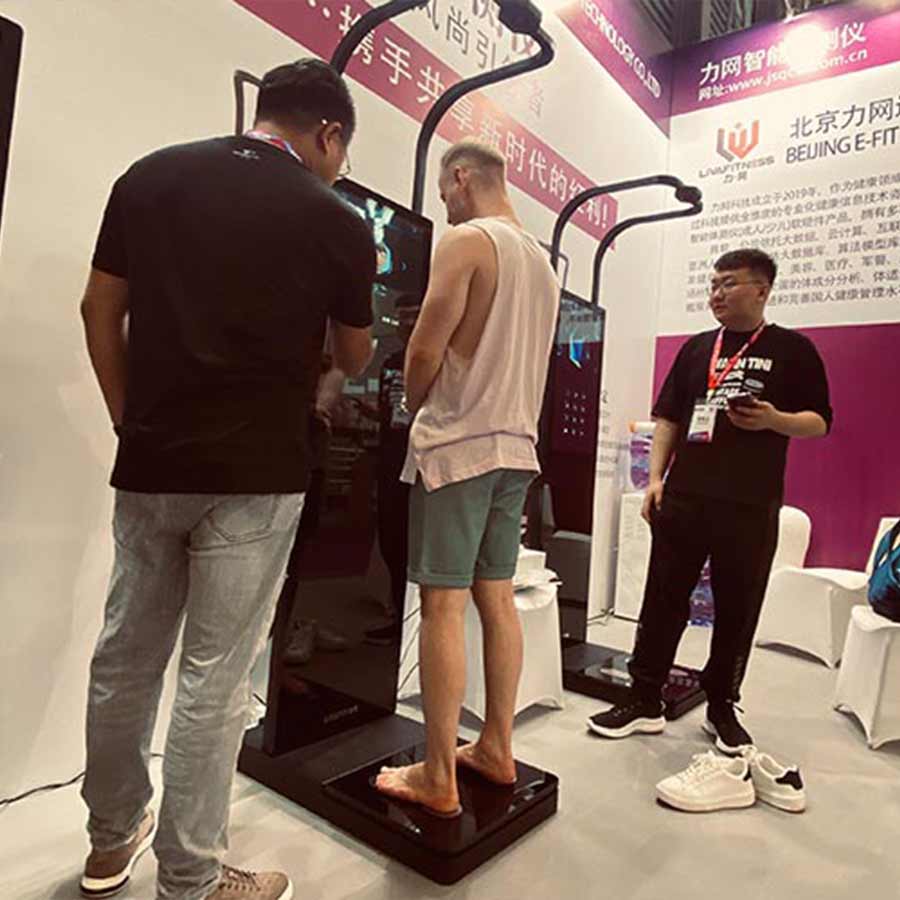
This is one of the most searched questions online.
The difference is not only appearance.
Professional systems are usually designed with:
- higher electrode sensitivity
- more advanced algorithms
- segmental analysis capability
- multi-frequency measurement
- commercial-grade calibration systems
Consumer products may work well for casual home use, but commercial facilities typically require higher measurement stability and broader reporting functionality.
That is especially important for businesses that rely on body composition data to support coaching, rehabilitation, or health consultation services.
The Role of Data in the Future of Fitness and Preventive Healthcare
The fitness industry is gradually becoming data-driven.
Wearable technology, mobile health apps, and cloud-connected wellness systems are all influencing user expectations.
Professional body analyzer systems are now part of this larger ecosystem.
Modern users increasingly expect:
- digital health records
- long-term progress tracking
- mobile report access
- personalized recommendations
- connected wellness experiences
As a result, manufacturers are focusing more heavily on software integration and intelligent health analysis systems.
In many markets, the equipment itself is becoming only one part of a much larger health management platform.
Choosing a Professional Body Analyzer Manufacturer: What Buyers Often Overlook
Many buyers compare specifications but overlook production capability.
In practice, long-term supplier stability is often more important.
Professional buyers usually evaluate:
- manufacturing experience
- production consistency
- quality control procedures
- technical support capability
- software development resources
- export experience
Reliable supply chains and stable calibration systems become particularly important for distributors and commercial fitness groups operating across multiple locations.
Why the Global Demand for Professional Body Analyzer Systems Continues to Grow
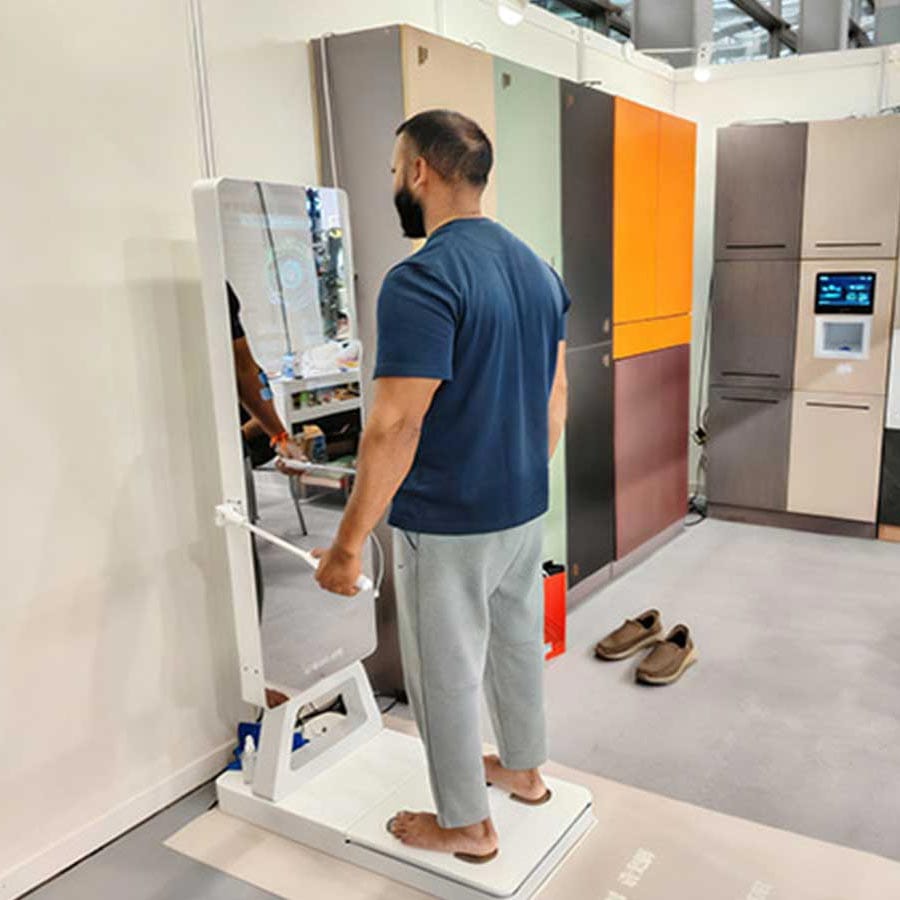
Several long-term industry trends are driving market expansion:
- increasing awareness of metabolic health
- growing fitness participation worldwide
- expansion of preventive healthcare services
- rising demand for personalized wellness programs
- digital transformation in fitness and healthcare industries
These factors are pushing body composition analysis from a niche category into a mainstream commercial requirement.
For manufacturers, this creates opportunities not only in equipment production, but also in software ecosystems, data management, and integrated wellness solutions.
Conclusion
The professional body analyzer market is evolving quickly as fitness, wellness, and healthcare industries place greater emphasis on accurate body composition data.
Commercial buyers are no longer simply looking for weighing equipment. They are searching for reliable systems that combine measurement accuracy, software integration, long-term stability, and scalable OEM or ODM support.
For manufacturers, staying competitive now depends on technology development, production consistency, and the ability to support modern digital health environments.
As global demand for preventive healthcare and fitness assessment continues to rise, professional body analyzer systems are expected to play an increasingly important role across gyms, clinics, rehabilitation centers, and wellness programs worldwide.
FAQ
What does a professional body analyzer measure?
A professional body analyzer measures key body composition data such as body fat percentage, skeletal muscle mass, body water, visceral fat, and metabolic rate. These devices provide more detailed health insights than traditional weight scales.
How accurate is a professional body analyzer?
The accuracy of a professional body analyzer depends on factors such as measurement technology, calibration, and testing conditions. Multi-frequency body composition analyzers generally offer more stable and consistent results for commercial fitness and healthcare applications.
What industries use professional body analyzer systems?
Professional body analyzer systems are widely used in gyms, fitness studios, wellness clinics, rehabilitation centers, sports training facilities, and preventive healthcare programs for body composition assessment and progress tracking.
Why do commercial gyms use body composition analyzers?
Commercial gyms use body composition analyzers to provide personalized fitness assessments, track member progress, improve client retention, and support customized training and nutrition programs.
Can a professional body analyzer support OEM or ODM customization?
Yes. Many manufacturers offer OEM and ODM services for professional body analyzers, including custom branding, software interface design, report customization, and integration with fitness or health management systems.