

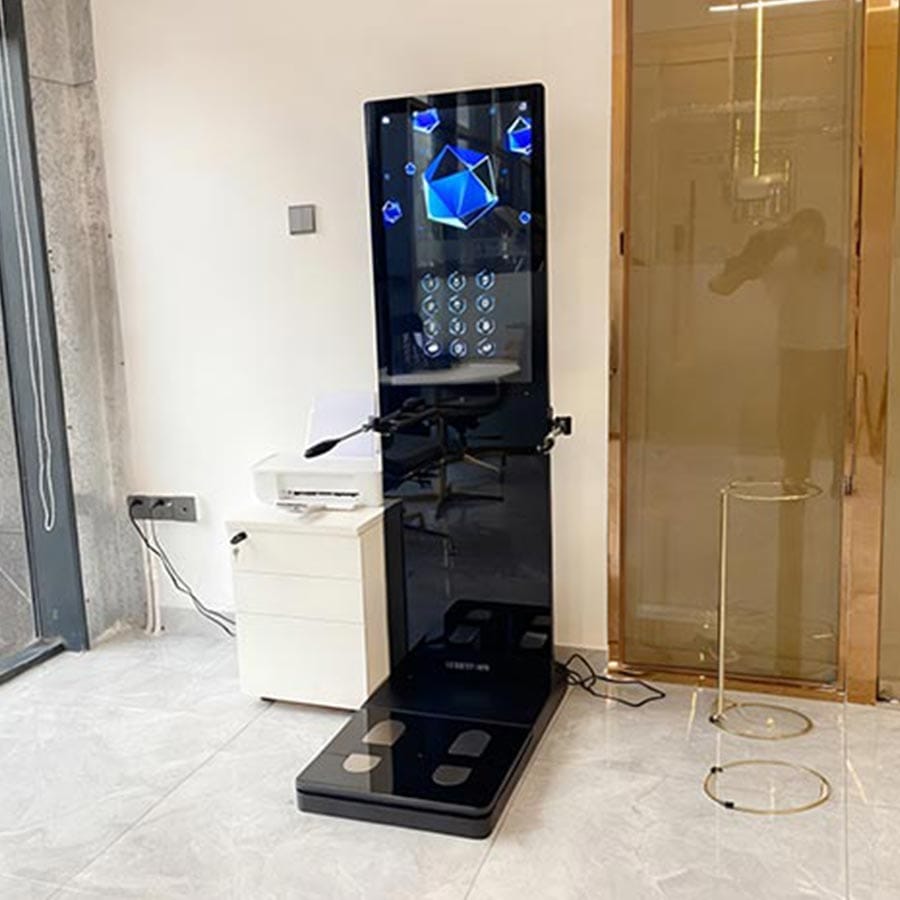
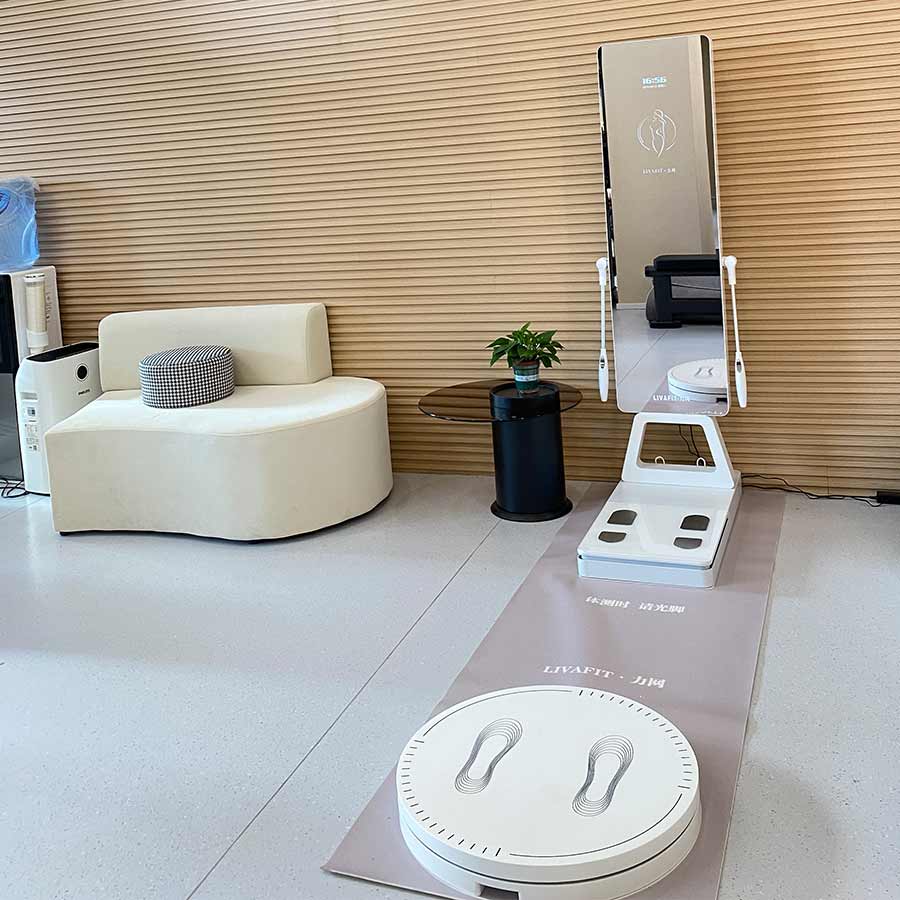


In the past few years, demand for the body analyzer machine has shifted from “nice-to-have fitness equipment” to a standard tool in gyms, clinics, and wellness centers.
What’s interesting is not just the growth itself, but why buyers are becoming more cautious.
Most inquiries we receive today are no longer about basic features. Instead, buyers are asking:
- Why do two machines show different body fat results?
- What actually affects measurement stability?
- How can a gym rely on body data for client programs?
- What makes one body composition analyzer machine more consistent than another?
This article breaks down those questions from a manufacturing point of view, based on how these systems are actually built and tested in production environments.
Table of Contents
The reality behind “body composition data” most users never see
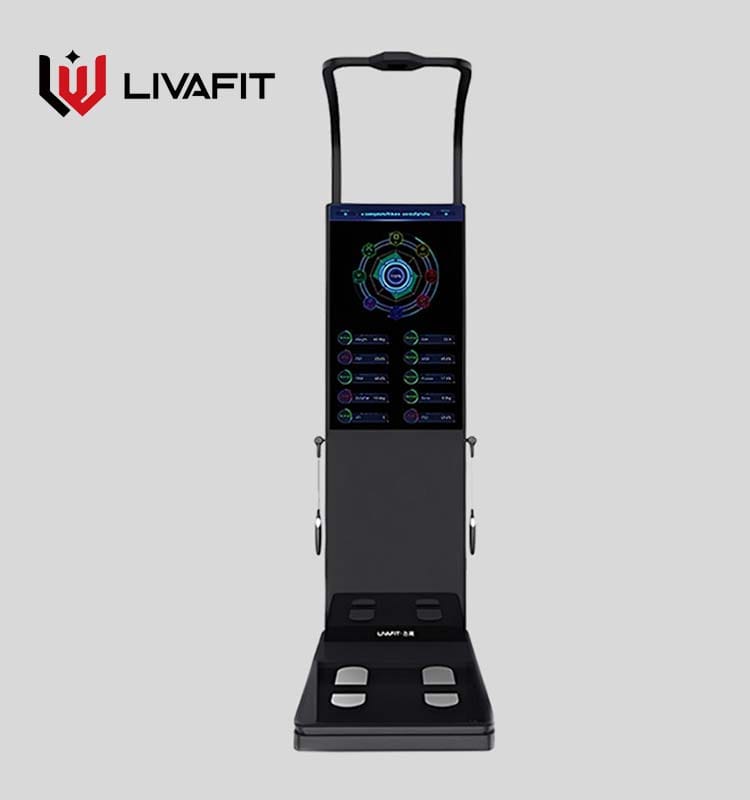
A body analyzer machine looks simple from the outside: step on it, hold the handles, get results.
But internally, it is a combination of three systems working together:
- Electrical signal transmission (BIA technology)
- Data interpretation algorithms
- Hardware calibration consistency
The final output is not just a measurement — it is a calculated estimation model based on impedance behavior in the human body.
This is also where differences between devices begin.
Even small variations in electrode quality or frequency control can lead to noticeable differences in results over time.
Why BIA technology is not “one fixed accuracy level”
Most modern body composition analyzer machines use Bioelectrical Impedance Analysis (BIA), but the term itself is often misunderstood.
BIA is not a single method — it is a measurement framework.
In practical use, accuracy depends on:
- Number of frequencies used (single vs multi-frequency)
- Signal stability during measurement
- User posture consistency
- Internal algorithm modeling
In real production testing, we often see that:
- Single-frequency devices perform well for general fitness tracking
- Multi-frequency systems provide more stable segmentation (arms, legs, trunk)
This is why professional systems are not just “better versions” — they are structurally different in how they interpret data.
What makes a body analyzer machine “high quality” in real manufacturing
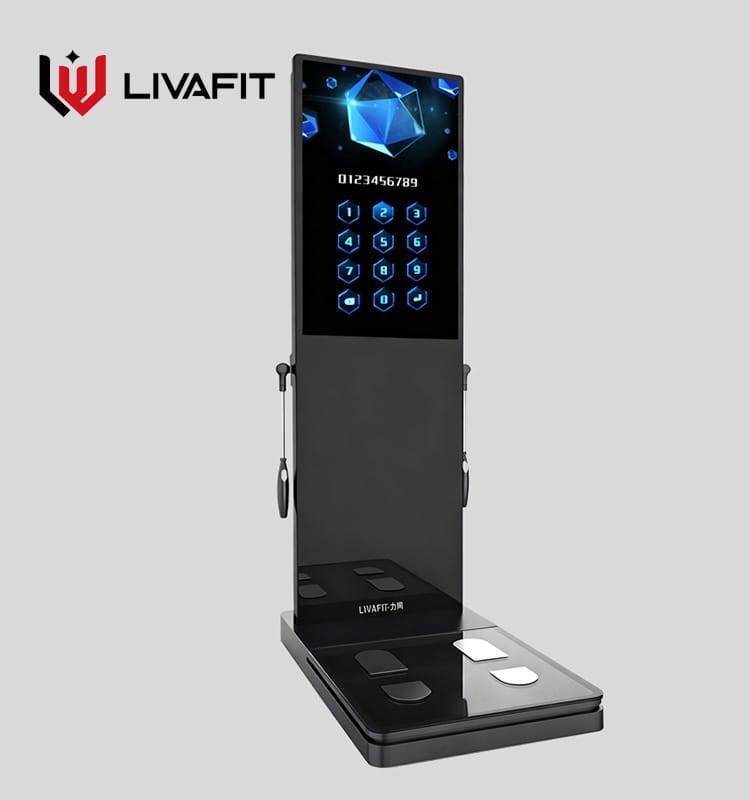
From a production standpoint, quality is not defined by appearance or software interface.
It comes down to repeatability.
A reliable body analyzer machine must produce consistent results under repeated testing conditions.
To achieve this, manufacturers focus on:
- Electrode material stability (long-term conductivity consistency)
- Signal shielding to reduce interference
- Controlled calibration during assembly
- Firmware-level correction logic
- Batch testing before shipment
In factory environments, devices are often tested across multiple body simulations before they are approved for release.
The goal is not just accuracy — it is stability over time.
The part most users overlook: measurement environment matters
Even the best body composition analyzer machine cannot fully eliminate external variables.
Common factors that influence readings include:
- Hydration level before testing
- Recent physical activity
- Time of day
- Skin contact condition
- Temperature environment
This is why professional fitness centers often standardize measurement conditions rather than relying on a single reading.
For example, many gyms measure clients:
- At the same time of day
- Under similar hydration conditions
- With consistent posture guidance
Without standardization, even high-end systems may show variation.
Inside the manufacturing process (what actually determines consistency)
A professional body analyzer machine manufacturer does not treat production as assembly only.
The process usually involves multiple control stages:
Hardware foundation
Frame structure, electrode layout, and internal circuit design are defined first. Even small changes here can affect signal flow.
Signal calibration
Each unit is adjusted to ensure electrical output remains within defined tolerance ranges.
Algorithm alignment
Software models must match hardware behavior — otherwise results become inconsistent across batches.
Stress testing
Units are tested under repeated usage cycles to simulate long-term commercial operation.
Final validation
Before shipping, devices are checked against reference measurement standards.
This layered approach is what separates consumer-grade products from commercial systems.
Why gyms are moving toward body data systems instead of weight tracking

Traditional weight tracking is becoming less relevant in fitness environments.
The shift toward body analyzer machines is driven by a simple need:
Clients want progress visibility, not just weight numbers.
Modern fitness centers use body composition data to:
- Track muscle gain instead of only fat loss
- Adjust training plans more precisely
- Improve client retention through measurable progress
- Provide personalized fitness recommendations
In many cases, trainers rely more on body composition trends than scale readings.
Clinical and wellness applications are expanding faster than expected
Outside of fitness centers, body composition analyzer machines are increasingly used in:
- Preventive health screening
- Obesity management programs
- Rehabilitation tracking
- General wellness monitoring
The reason is simple: body composition data provides a more complete health picture than BMI alone.
However, medical environments tend to require stricter stability and repeatability standards compared to fitness use cases.
Choosing a supplier is more important than choosing the machine
One common misunderstanding in the market is that all body analyzer machine suppliers offer similar performance.
In reality, differences are often found in:
- Calibration control systems
- Algorithm development capability
- Hardware consistency across batches
- Customization flexibility (OEM/ODM support)
- Long-term technical support capability
Direct cooperation with a body analyzer machine manufacturer usually provides better control over product consistency and adaptation needs.
OEM development is becoming a standard requirement
Instead of off-the-shelf devices, many global buyers now request OEM customization.
Typical customization includes:
- Brand interface integration
- Multi-language report systems
- Software adjustments for different markets
- Hardware appearance modifications
- Data export compatibility with fitness systems
This reflects a broader shift: equipment is no longer just hardware — it is part of a digital ecosystem.
Where the industry is heading next
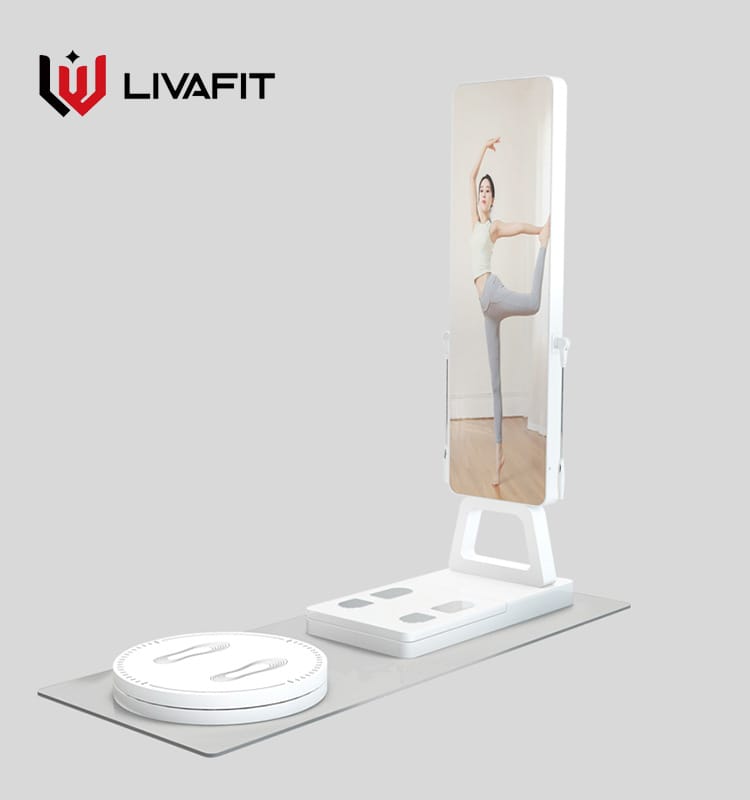
The direction of body composition analyzer machine development is becoming clearer:
- More multi-frequency precision systems
- Cloud-based data storage
- AI-assisted body trend analysis
- Integration with fitness applications
- Remote health monitoring capabilities
Rather than standalone devices, the industry is moving toward connected health systems.
Conclusion
A body analyzer machine is no longer just a measurement device. It has become a structured health data system used across fitness, clinical, and wellness industries.
From a manufacturing perspective, the real value of a body composition analyzer machine is not only in its features, but in how consistently it performs under real-world conditions.
For buyers, the key decision is not simply which model to choose, but which manufacturing system can ensure long-term stability, reliable calibration, and scalable customization.
As the industry continues to evolve, the gap between basic devices and professionally engineered systems will only become more significant — especially in environments where data accuracy directly affects decision-making.
FAQ
What is a body analyzer machine used for?
A body analyzer machine is used to measure key body composition data such as body fat percentage, muscle mass, water level, and metabolic rate. It is widely used in gyms, clinics, and wellness centers for health assessment and fitness tracking.
How accurate is a body composition analyzer machine?
Accuracy depends on the technology used, especially whether it is single-frequency or multi-frequency BIA. Professional-grade systems provide more stable and consistent results when used under standardized conditions.
What is the difference between a body analyzer machine and a body fat scale?
A body fat scale typically provides limited data like weight and estimated fat percentage, while a body analyzer machine offers a full body composition report, including muscle distribution, visceral fat, and hydration levels.
Who usually uses a body analyzer machine?
It is commonly used by fitness centers, personal trainers, hospitals, rehabilitation clinics, and wellness facilities. It helps professionals track body changes and create personalized health or training plans.
Can body analyzer machine results vary between tests?
Yes. Results can vary due to factors such as hydration level, physical activity, measurement time, and user posture. Consistent testing conditions are important for more reliable trend tracking.