

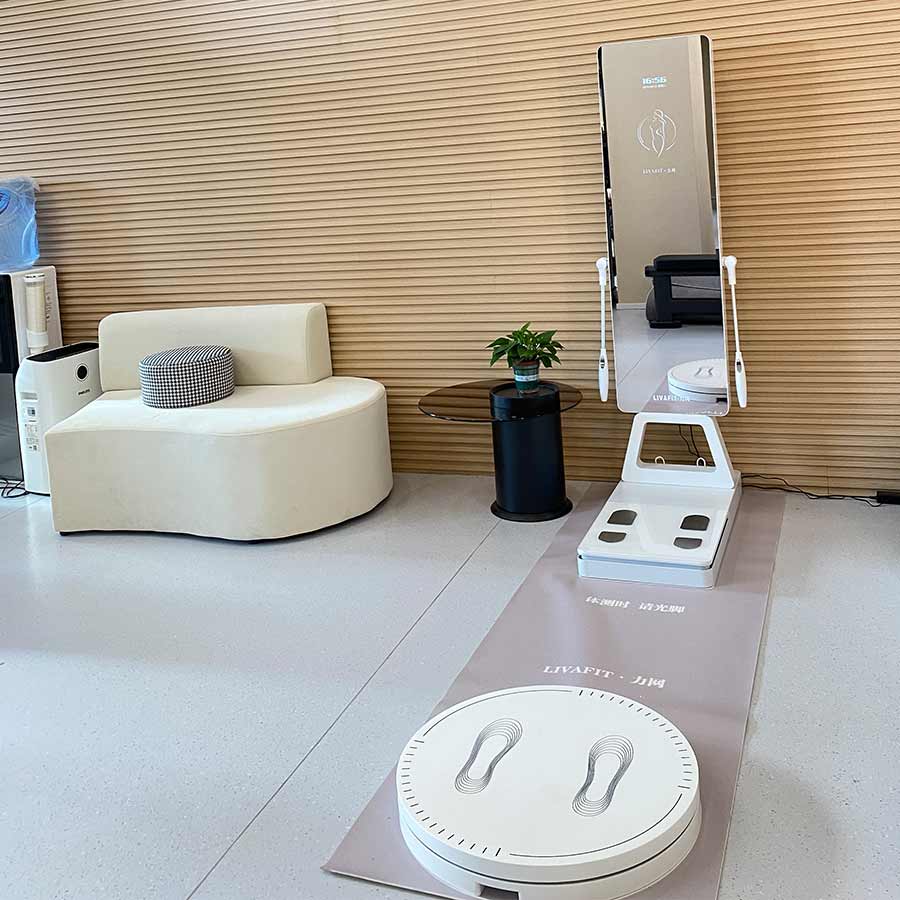
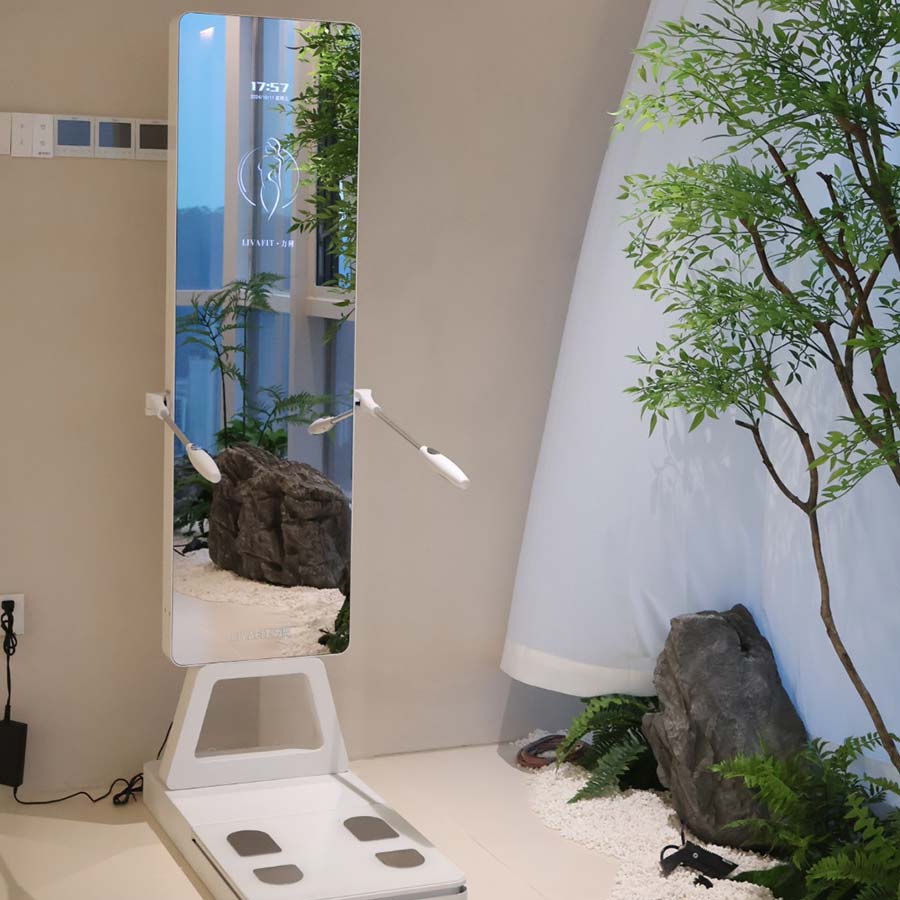
The demand for accurate body composition analysis has never been higher. Whether you’re running a fitness center, managing a clinical practice, or developing health technology products, understanding bioelectrical body analyzers is essential for making informed purchasing decisions. As manufacturers who have spent decades perfecting this technology, we’re sharing our expertise to help you navigate this evolving market.
Table of Contents
Introduction
What is a bioelectrical body analyzer?
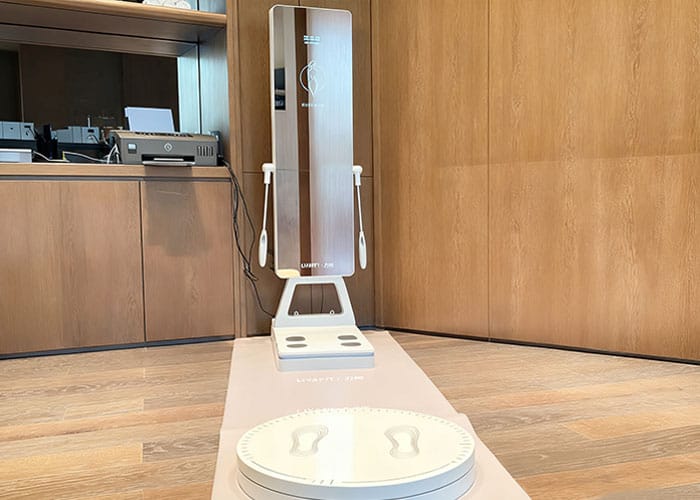
A bioelectrical body analyzer is a sophisticated health assessment device that uses electrical signals to measure body composition. By sending a safe, low-intensity alternating current through the body, these devices calculate detailed metrics including fat mass, muscle tissue, water content, and bone density. The technology behind these measurements is called BIA technology (bioelectrical impedance analysis), and it has revolutionized how we understand human body composition.
Why bioelectrical impedance analysis is widely used in modern health assessment
The appeal of BIA lies in its practical advantages. Unlike expensive imaging techniques or invasive procedures, impedance analysis offers a non-invasive, rapid, and cost-effective approach to body composition testing. A single measurement session takes as little as 15-30 seconds, making it feasible for high-volume screening environments. The technology provides clinically relevant data that supports evidence-based decision-making in fitness programming, nutritional counseling, and medical assessments.
Growing demand in fitness, medical, and wellness industries
Market data shows significant growth across all sectors. Fitness facilities use body composition analyzers to track member progress and demonstrate tangible results. Medical professionals rely on BIA for monitoring patients with metabolic conditions, kidney disease, and malnutrition. Corporate wellness programs increasingly incorporate body composition screening as part of preventive health initiatives. This cross-industry adoption has fueled innovation and brought professional-grade technology within reach of smaller operations.
How a Bioelectrical Body Analyzer Works
Basic principle of bioelectrical impedance analysis (BIA)
The science behind BIA is elegantly simple. Electrical current flows more easily through water-rich tissues (muscle, blood, organs) because they contain electrolytes that conduct electricity. Fat tissue, with its low water content (approximately 10%), resists current flow. By measuring this electrical impedance, the device can estimate the proportion of different tissue types in the body.
The fundamental equation at work is: Resistance = Voltage / Current. Modern devices measure resistance (R), reactance (Xc), and calculate impedance (Z) and phase angle (PhA)—all indicators of cellular health and hydration status.
How body composition data is calculated (fat, muscle, water, BMI)
Raw impedance measurements alone aren’t meaningful without contextual data. Body composition analyzers combine electrical readings with personal parameters (height, weight, age, gender) and apply predictive algorithms to estimate tissue composition. Advanced devices use multi-compartment models that distinguish between:
- Fat mass and fat-free mass
- Skeletal muscle mass
- Total body water (extracellular and intracellular)
- Protein and mineral content
- Visceral fat levels
These calculations produce the comprehensive reports that health professionals use for assessment and tracking.
Role of multi-frequency measurement technology
Multi-frequency measurement represents a significant advancement over single-frequency systems. At low frequencies (5-10 kHz), current travels primarily through extracellular water. At higher frequencies (100-250 kHz), it penetrates cell membranes, providing data on intracellular fluid. This frequency sweep allows clinical-grade devices to differentiate between fluid compartments—a capability crucial for accurate hydration assessment and detecting physiological changes.
Professional devices typically employ multiple frequencies (commonly 5kHz, 50kHz, and 250kHz) across several measurement points, dramatically improving accuracy compared to consumer-grade alternatives.
Why accuracy varies between different devices
Not all bioelectrical impedance analyzers deliver the same quality of results. Key factors affecting accuracy include:
- Electrode configuration: Eight-electrode systems (tetrapolar or octopolar) provide more reliable data than four-electrode or foot-to-foot platforms
- Frequency range: More frequencies enable better tissue differentiation
- Algorithm quality: Proprietary equations vary in their validation against reference methods
- Measurement positioning: Standing versus supine measurements yield different results
- Calibration consistency: Regular calibration maintains measurement integrity
Clinical-grade equipment typically achieves accuracy within ±3% of criterion methods like DEXA, while consumer devices may show larger deviations.
Key Components of a Professional Body Composition Analyzer

Electrode system and signal transmission
The electrode system forms the critical interface between device and subject. Professional body fat analyzers utilize either adhesive electrode pads (for handheld or supine measurements) or integrated metal electrodes (for standing platforms). High-quality electrodes ensure consistent skin contact and reliable signal transmission. The electrode configuration—how many points of contact and their placement—directly impacts measurement reliability and segmental analysis capability.
Software algorithms for data interpretation
Behind every accurate reading lies sophisticated software. Modern algorithms process raw impedance data (R, Xc, Z, PhA) and apply population-specific predictive equations. The best manufacturers continuously validate their algorithms against established reference methods and update their models based on clinical research. Access to raw impedance parameters allows advanced users to apply custom equations for specialized populations.
Display systems and report generation features
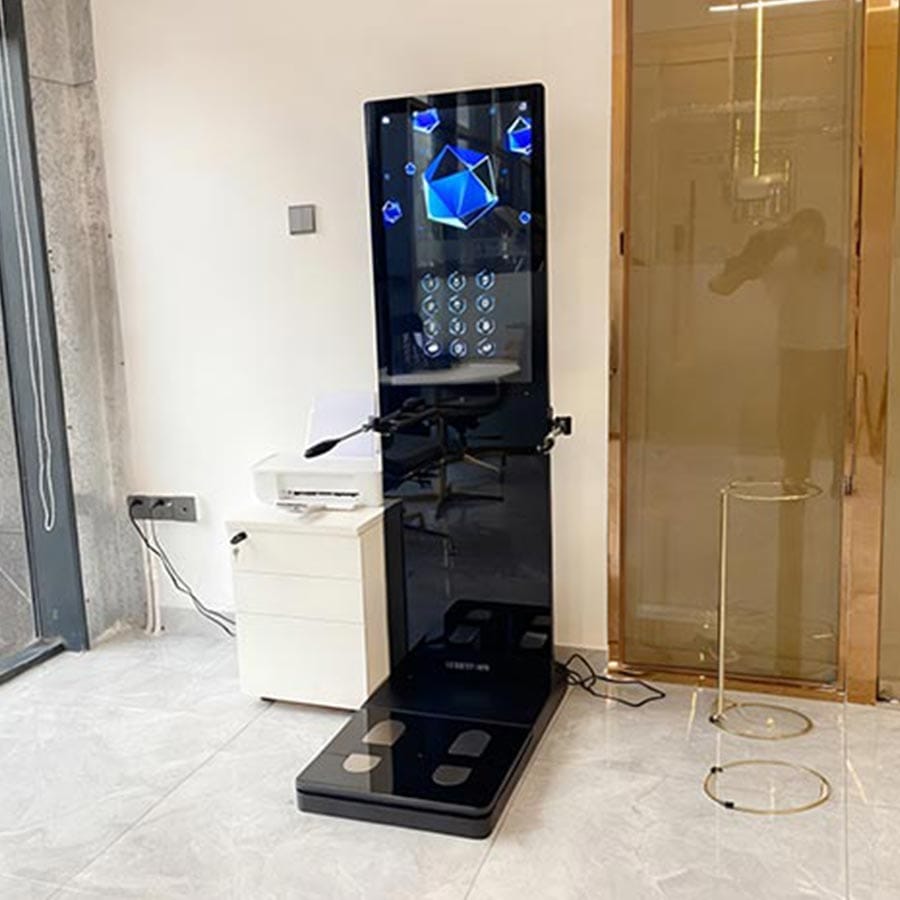
User experience and data presentation vary significantly across devices. Professional analyzers typically feature high-resolution touchscreen displays (11-32 inches) with intuitive interfaces. Reports may include detailed numerical breakdowns, graphical visualizations, trend analysis, and personalized recommendations. Output formats range from printed A4 reports to mobile H5 interfaces, email delivery, and cloud-based dashboards for longitudinal tracking.
Hardware quality and manufacturing standards
Hardware quality determines long-term reliability. Professional-grade devices are manufactured under quality management systems like ISO 9001 and ISO 13485 (for medical devices). Key hardware considerations include sensor precision, construction durability, environmental tolerance (operating temperatures typically 10-40°C), and electrical safety compliance (UL, CE certifications). Quality hardware maintains calibration longer and provides consistent results over thousands of measurements.
Bioelectrical Body Analyzer vs Other Body Measurement Methods
Understanding how bioelectrical impedance analysis compares to alternative body composition methods helps buyers make informed decisions. Here’s a comprehensive comparison:
| Method | Bioelectrical Impedance (BIA) | DEXA Scan | BMI/Scale | Skinfold Calipers |
|---|---|---|---|---|
| Invasiveness | Non-invasive | Low (minimal radiation) | Non-invasive | Non-invasive |
| Measurement Time | 15-30 seconds | 10-20 minutes | Seconds | 15-30 minutes |
| Accuracy | ±3% (clinical grade) | ±1-2% (gold standard) | Indirect estimate only | ±3-5% (skill dependent) |
| Operator Training | Minimal | Certified technician | None | Extensive practice |
| Portability | Good (especially handheld) | Stationary only | Excellent | Highly portable |
| Data Output | Comprehensive composition data | Bone, fat, lean mass | Weight only | Estimated fat % |
| Best For | Fitness, clinics, wellness programs | Clinical research, diagnosis | Basic weight tracking | Field assessments |
Advantages of bioelectrical impedance analyzers
BIA technology offers compelling advantages that explain its market dominance:
- Excellent balance of accuracy, speed, and cost-effectiveness
- Suitable for repeated measurements (tracking progress over time)
- Minimal operator dependency (reduces human error)
- Quick turnover enables high-volume screening
- No consumables required (unlike skinfold method)
- Objective, quantified results (unlike visual estimation)
Limitations buyers should understand
Honest assessment requires acknowledging BIA’s constraints:
- Accuracy affected by hydration status, recent exercise, and food intake
- Results influenced by predictive equations (may not suit all populations)
- Less accurate for extremely obese or very lean individuals
- Cannot directly measure visceral fat (only estimates)
- Requires standardized measurement protocols for valid comparisons
Applications of Bioelectrical Body Composition Analyzers
Fitness centers and gym membership management
Fitness facilities represent one of the largest market segments for bioelectrical body composition analyzers. These devices help fitness professionals design personalized training programs, demonstrate member progress with objective data, and justify membership value through measurable outcomes. Many gyms now include body composition assessments as standard membership benefits.
Hospitals and clinical health screening
Clinical applications span multiple medical specialties. Nephrologists use BIA to monitor fluid status in dialysis patients. Dietitians assess nutritional status and muscle mass for malnutrition screening. Sports medicine physicians evaluate athlete body composition. Hospitals increasingly incorporate body composition analyzers into routine health checkups as preventive medicine gains emphasis.
Weight loss clinics and nutrition programs
Effective weight management requires understanding what’s changing—fat, muscle, or water. BIA provides the detailed breakdown that simple scales cannot. Nutritionists use segmental analysis to identify muscle imbalances, while hydration monitoring helps optimize program effectiveness. The ability to track intracellular and extracellular water separately offers insights into cellular health.
Sports performance and athletic monitoring
Professional and collegiate sports teams rely on multi-frequency measurement technology to optimize athlete conditioning. Monitoring skeletal muscle mass helps prevent overtraining, while tracking body fat percentage supports weight class management in sports like wrestling and rowing. Team-wide assessments enable coaches to identify athletes who may need additional nutritional support.
Corporate wellness programs
Forward-thinking employers use body composition screening as part of comprehensive wellness initiatives. These programs help identify employee health risks, encourage healthy behaviors, and demonstrate organizational commitment to workforce wellbeing. Cloud-connected devices enable large organizations to aggregate anonymized data for population health analysis.
Why Choosing a Reliable Bioelectrical Body Analyzer Manufacturer Matters
Impact of manufacturing quality on measurement accuracy
Manufacturing quality directly affects the reliability of your investment. Well-manufactured devices maintain calibration longer, provide consistent readings, and withstand the rigors of daily commercial use. Inconsistent manufacturing leads to measurement drift, requiring frequent recalibration and potentially compromising client trust when results seem inconsistent.
Importance of stable hardware and calibration systems
Professional-grade bioelectrical impedance analyzers incorporate sophisticated calibration systems that compensate for environmental factors and component aging. Stable hardware ensures that measurements taken months apart remain comparable. Manufacturers with rigorous quality control programs design for long-term stability rather than just initial performance.
Software integration and data consistency issues
Modern devices must integrate with various software ecosystems. Inconsistent data formats, poor API documentation, and unreliable cloud synchronization frustrate users and compromise data integrity. Established manufacturers provide robust integration capabilities, including EMR connectivity for clinical settings and API access for custom applications.
Long-term reliability and maintenance considerations
Commercial use demands equipment that lasts. Consider warranty coverage, availability of replacement parts, and the manufacturer’s track record for supporting products over their operational lifespan. Some buyers discover that devices from budget manufacturers become unsupportable when spare parts dry up or firmware updates cease.
OEM & Customization Options for Global Buyers
OEM bioelectrical body analyzer solutions for distributors
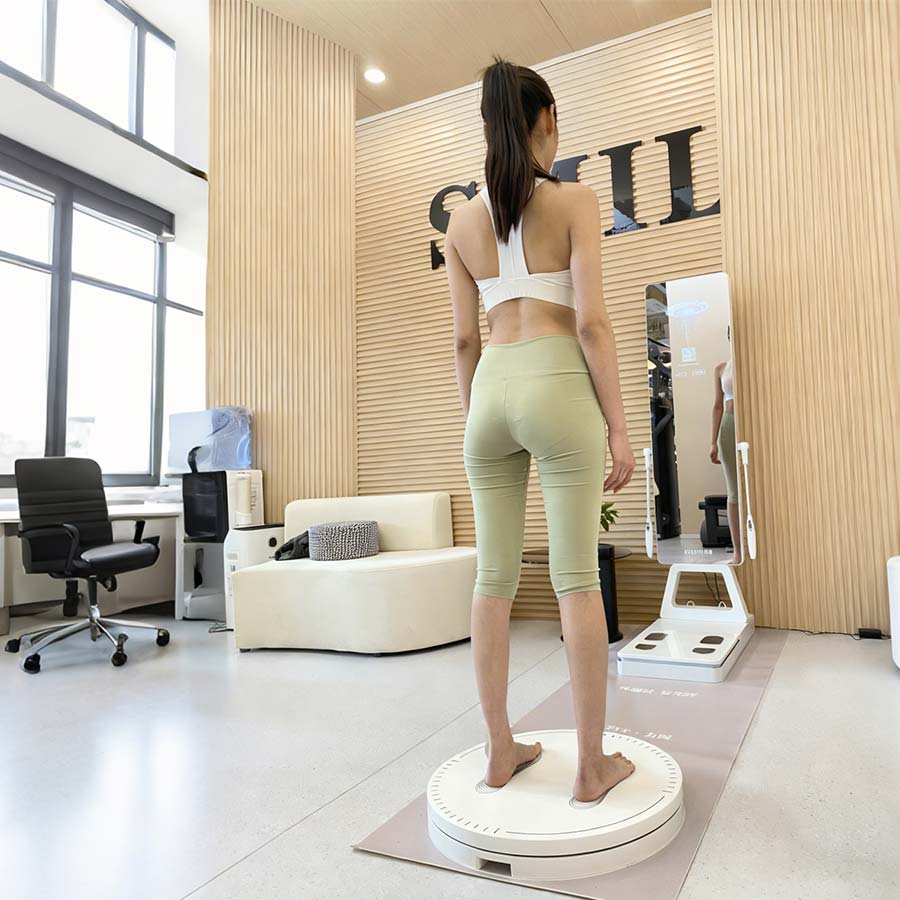
Original Equipment Manufacturing (OEM) arrangements enable distributors to offer professional-grade bioelectrical body analyzers under their own brand names. Comprehensive OEM services typically include custom branding, logo placement, color scheme modifications, and customized packaging. Established manufacturers offer flexible MOQ (minimum order quantities) ranging from small pilot batches to full container orders.
Private label and branding customization
Private label programs extend beyond simple logo replacement. Full customization may include:
- Custom startup screens and splash logos
- Branded report templates with your company information
- Customized user interfaces with your color scheme
- Documentation and certificates bearing your brand
- Unique product SKUs for your inventory management
Software language and interface customization
Global markets require multilingual support. Professional manufacturers offer software localization for numerous languages, ensuring that end-users in your target markets receive a native-language experience. Interface customization may include adding custom fields, unique report layouts, or region-specific reference data.
Hardware design and function upgrades
Advanced customization options enable buyers to specify hardware configurations that match their market requirements:
- Custom electrode configurations
- Integrated printers or external printer support
- Barcode/RFID scanners for client identification
- Custom measurement frequency ranges
- Specialized enclosures for unique deployment environments
Bulk production capability and supply stability
Reliable supply chains distinguish established manufacturers from trading companies. Look for manufacturers with:
- Established production facilities (verified through factory audits)
- Component supplier relationships that ensure consistent quality
- Production capacity matching your volume requirements
- Inventory programs that enable rapid order fulfillment
- Transparent lead times and capacity planning communications
How to Choose the Best Bioelectrical Impedance Analyzer for Your Business
Key factors: accuracy, frequency, and testing speed
Core performance specifications should drive your evaluation. Accuracy matters most—clinical-grade devices typically specify ±3% or better. The number of measurement frequencies affects the device’s ability to differentiate tissue types (more frequencies = better differentiation). Testing speed impacts throughput in high-volume environments, with professional devices completing measurements in 15-30 seconds.
Device portability vs professional-grade systems
Consider your operational context. Portable handheld devices offer flexibility for mobile assessments, home visits, and field work. Standing platforms provide better accuracy and more comprehensive analysis but require fixed installation space. Some buyers select both types for different use cases, benefiting from standardized data across their device fleet.
Data reporting and cloud integration features
Modern body composition analyzers should integrate seamlessly with your data management infrastructure. Evaluate:
- Report formats and customization options
- Cloud platform capabilities and storage limits
- Mobile app functionality for client access
- API availability for third-party integrations
- Data export options (CSV, PDF, direct EMR integration)
Price vs performance balance in commercial use
Total cost of ownership extends beyond initial purchase price. Consider:
- Warranty coverage and expected lifespan
- Calibration requirements and costs
- Consumables (if any)
- Software subscription fees (if applicable)
- Support and maintenance costs
Professional-grade devices from established manufacturers often deliver better long-term value despite higher initial costs, thanks to superior reliability and support.
Manufacturing Process of Bioelectrical Body Composition Analyzer
Raw material selection and component sourcing
Quality manufacturing begins with quality components. Professional manufacturers source sensors, electrodes, circuit boards, and enclosures from vetted suppliers. Key components affecting measurement quality include the impedance measurement circuitry, electrode contact materials, display systems, and structural components. Component traceability enables quality investigations when issues arise.
Assembly process and quality control system
Modern assembly combines automated processes with skilled technicians. Critical assembly steps include circuit board population, electrode integration, display calibration, and structural assembly. Quality control occurs at multiple stages:
- Incoming inspection of components
- In-process inspection during assembly
- Functional testing of completed units
- Calibration verification against reference standards
Calibration and accuracy testing before shipment
Every professional bioelectrical body analyzer undergoes rigorous calibration before leaving the factory. This process includes:
- Electrical calibration using precision resistors
- Weight calibration verification
- Multi-point impedance validation
- Full test measurement with known-reference subjects
- Report generation verification
Shipment documentation typically includes calibration certificates and quality inspection reports.
Compliance with medical and safety standards
Different markets require different certifications. Relevant standards include:
- CE marking for European market
- FDA registration for United States market
- ISO 13485 for medical device quality management
- RoHS compliance for hazardous substance restrictions
- IEC 60601 for medical electrical safety
Verify that your manufacturer can provide appropriate certifications for your target markets.
Market Trends in Body Composition Analysis Industry
Increasing demand in preventive healthcare
Healthcare systems worldwide are shifting from reactive treatment toward preventive care. Body composition assessment plays a key role in early identification of metabolic risks, sarcopenia, and malnutrition. This trend drives demand for accessible, accurate bioelectrical body analyzers across primary care, wellness clinics, and health screening programs.
Growth of fitness technology and smart health devices
Consumer fitness technology continues expanding, with body composition tracking becoming standard in premium smart scales. This market growth creates opportunities for manufacturers who can deliver professional-grade accuracy at consumer price points. Integration with fitness apps and wearable devices enhances user engagement and data utility.
Shift toward digital health monitoring systems
Cloud-connected devices enable continuous health monitoring beyond single-point assessments. Modern body composition analyzers increasingly incorporate:
- Remote data access for healthcare providers
- Trend analysis and progress tracking
- Automated alerts for concerning measurements
- Integration with electronic health records
Expansion of OEM manufacturing demand globally
Global brands increasingly seek OEM partners to enter body composition markets without building manufacturing capabilities from scratch. This trend benefits from:
- Established technology platforms reducing development risk
- Flexible customization meeting brand requirements
- Competitive manufacturing costs from experienced producers
- Rapid market entry through proven products
Conclusion
Selecting the right bioelectrical body analyzer requires balancing multiple factors: measurement accuracy, intended applications, integration requirements, customization needs, and total cost of ownership. As experienced manufacturers, we understand that your choice impacts not just equipment performance but client outcomes and business reputation.
Whether you need a single device for your practice or thousands of units for a global distribution network, investing time in understanding the technology and selecting a reliable manufacturer pays dividends. The BIA technology underlying these devices has matured significantly, offering clinical-grade accuracy at accessible price points when sourced from quality manufacturers.
Take the next step by requesting samples, conducting site visits, and evaluating manufacturer support capabilities. Your success depends on equipment that delivers consistent, accurate results—making manufacturer selection one of the most important decisions in your procurement process.
FAQ
What measurements does a bioelectrical body analyzer provide?
Professional bioelectrical body analyzers typically measure body weight, body fat percentage, skeletal muscle mass, total body water (intracellular and extracellular), visceral fat level, bone mineral content, protein stores, and basal metabolic rate. Advanced devices also provide segmental analysis showing muscle and fat distribution across limbs and trunk.
How accurate are bioelectrical impedance analyzers compared to DEXA scans?
Clinical-grade BIA devices achieve accuracy within approximately ±3% compared to DEXA (dual-energy X-ray absorptiometry), which is considered the gold standard reference method. While DEXA provides slightly better accuracy, BIA offers significant advantages in cost, speed, portability, and no radiation exposure, making it practical for routine monitoring and screening applications.
What factors can affect BIA measurement accuracy?
Several factors influence BIA readings: hydration status (recent water intake or dehydration), recent exercise (alters fluid distribution), food consumption (especially large meals), skin temperature, menstrual cycle (women), and body position during measurement. Following standardized protocols (fasting 4-6 hours, no exercise 12 hours prior, consistent measurement time) improves result reliability.
What is the difference between single-frequency and multi-frequency BIA?
Single-frequency BIA uses one measurement frequency (typically 50kHz) and estimates total body water. Multi-frequency BIA employs multiple frequencies (commonly 5kHz, 50kHz, and 250kHz) to differentiate between extracellular and intracellular fluids. Multi-frequency measurement provides superior accuracy for hydration assessment and is considered essential for clinical applications.
How long do bioelectrical body analyzers typically last with commercial use?
Professional-grade body composition analyzers from quality manufacturers typically last 5-10 years with proper maintenance. Device lifespan depends on usage intensity, environmental conditions, and adherence to recommended calibration schedules. Quality hardware, regular maintenance, and manufacturer support all contribute to long-term reliability.