




Table of Contents
Introduction
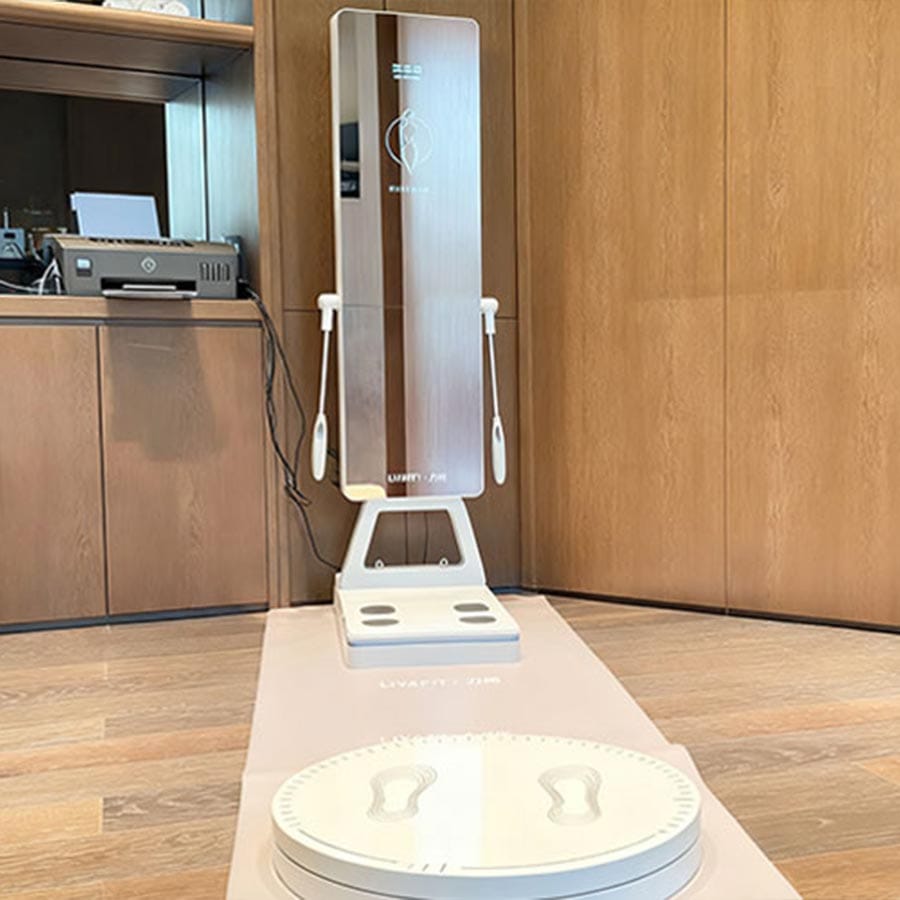
A body analyzer is a sophisticated device designed to measure various aspects of body composition, providing insights beyond simple weight. As a manufacturer of professional and home-use body analyzers, we focus on developing accurate, reliable, and user-friendly equipment suitable for both personal and professional applications.
Modern body analyzers are increasingly popular in fitness centers, clinics, and homes because they allow users to monitor fat percentage, muscle mass, hydration, and other critical health indicators. By integrating smart technologies and advanced sensors, our devices help users take control of their health and achieve fitness goals more efficiently.
Key Features of Modern Body Analyzers
Body Composition Measurement
Our body analyzers accurately track fat percentage, muscle mass, water content, and bone density. Using bioelectrical impedance analysis (BIA), a safe electrical signal passes through the body to calculate these metrics. This feature enables users to make informed decisions about diet, exercise, and overall health.
Smart Connectivity and App Integration
Most of our modern body analyzers feature Bluetooth or Wi-Fi connectivity, allowing seamless synchronization with health and fitness apps. Users can track their progress over time, generate reports, and set personalized fitness goals—all from their smartphones or tablets.
User-Friendly Design
We design our devices with intuitive interfaces suitable for home users and professional settings alike. Large displays, multi-user support, and ergonomic design ensure that anyone can use the device with ease, while professional models offer enhanced precision and detailed data for gyms and clinics.
How Body Analyzers Work
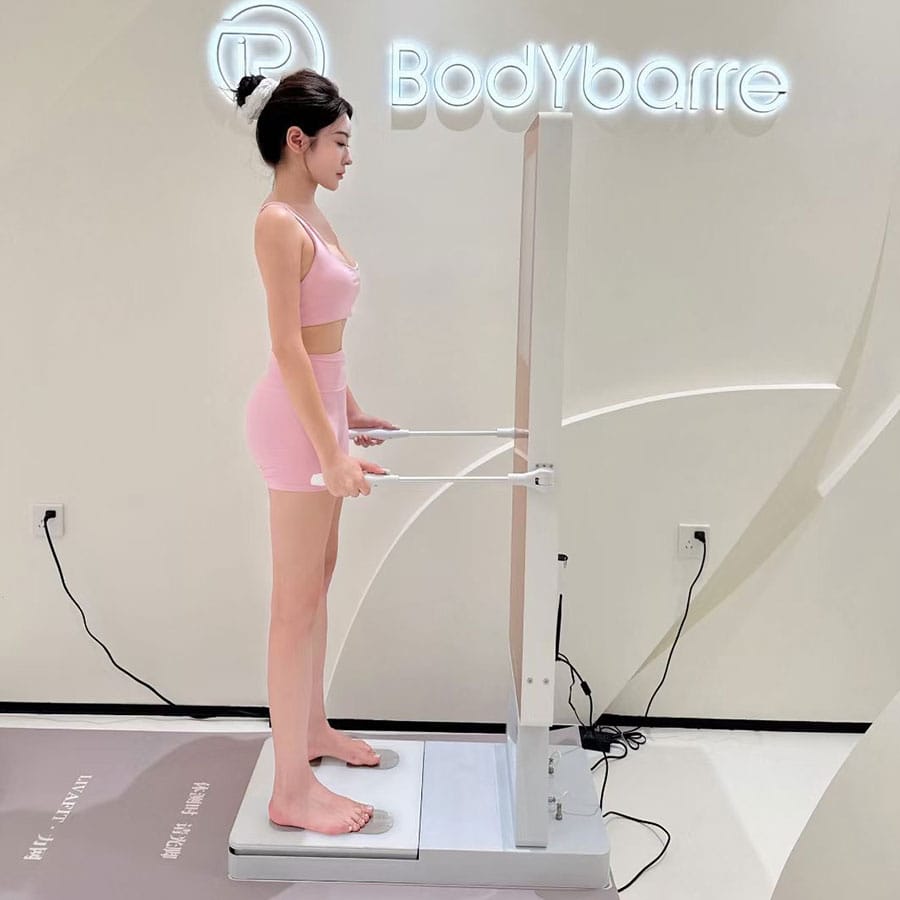
Bioelectrical Impedance Analysis (BIA) Explained
BIA technology measures body composition by sending a low-level electrical current through the body. Because fat, muscle, and water conduct electricity differently, the device can accurately calculate body fat percentage, muscle mass, and water content. This method is non-invasive, quick, and highly reliable when used correctly.
Accuracy Factors
The precision of readings depends on proper use and environmental factors. For instance, hydration levels, food intake, and recent exercise can slightly affect measurements. Regular calibration and following manufacturer guidelines help maintain optimal accuracy.
Benefits of Using a Body Analyzer
For Home Users
Body analyzers help individuals monitor weight loss, muscle gain, and overall health. Daily or weekly measurements provide actionable insights, allowing users to adjust diet and exercise routines based on real data.
For Fitness Professionals
Gyms and fitness centers benefit from professional body analyzers for monitoring client progress, customizing workout plans, and improving results efficiently.
For Medical and Clinical Use
Medical-grade analyzers are used by doctors and nutritionists to track patients’ health status, monitor chronic conditions, and provide targeted interventions.
How to Choose the Right Body Analyzer
When selecting a body analyzer, consider whether it is for home or professional use. Home models prioritize ease of use and app connectivity, while professional devices focus on precision and advanced metrics. The table below compares typical features of home and professional body analyzers:
| Feature | Home Body Analyzer | Professional Body Analyzer |
|---|---|---|
| Measurement Metrics | Fat %, Muscle %, Water % | Fat %, Muscle %, Water %, Bone Mass, Visceral Fat |
| Connectivity | Bluetooth, App Integration | Bluetooth/Wi-Fi, Cloud Sync |
| Accuracy | Moderate | High |
| User Capacity | 1–5 Users | Multiple Clients/Patients |
| Ideal For | Personal Fitness, Health Tracking | Gyms, Clinics, Nutritionists |
Common Misconceptions About Body Analyzers
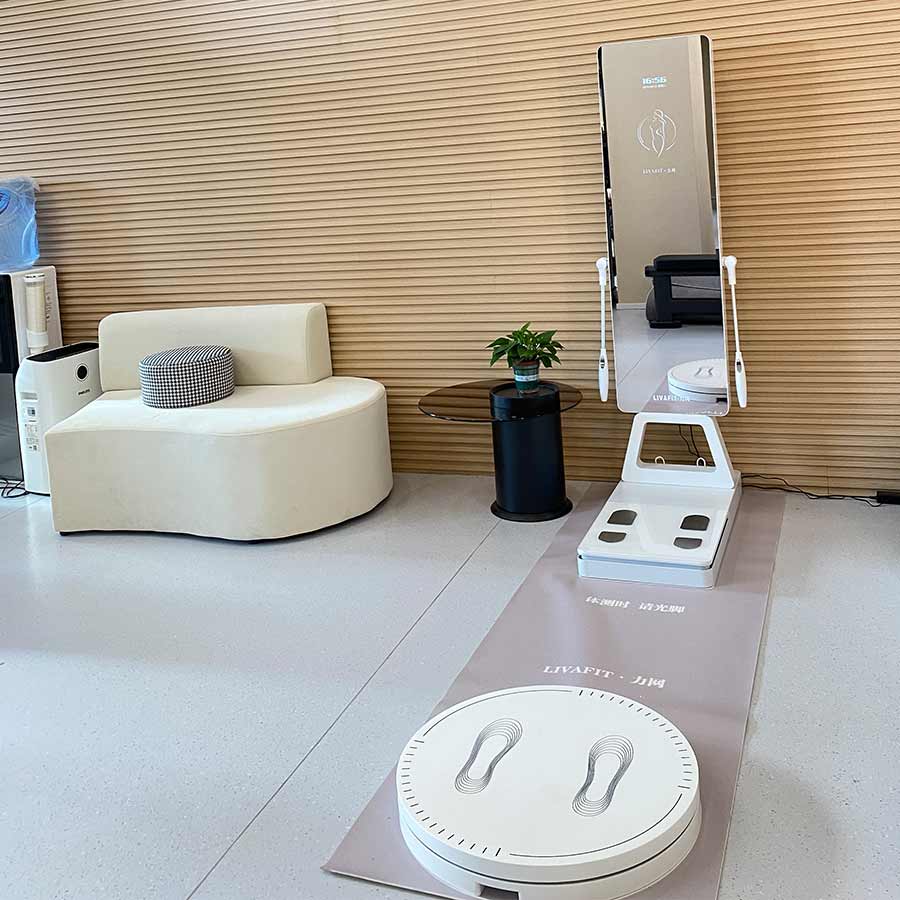
Many users misunderstand body analyzer readings. For example, BMI alone does not reflect muscle mass or fat distribution. Similarly, slight variations in daily measurements are normal. Understanding how to interpret the data correctly is essential for making informed decisions.
Tips for Accurate Body Analyzer Readings
- Measure at the same time each day, preferably in the morning
- Avoid food or water intake immediately before measurement
- Stand barefoot on electrodes for accurate BIA readings
- Regularly calibrate the device and follow the manufacturer’s instructions
Integrating Body Analyzer Data Into Your Health Routine
The insights from a body analyzer can be used to track long-term progress and adjust health strategies. For instance, hydration levels can inform water intake habits, while changes in muscle mass guide strength training plans. Integration with fitness apps enhances trend analysis and goal tracking.
Why Choose Our Body Analyzer
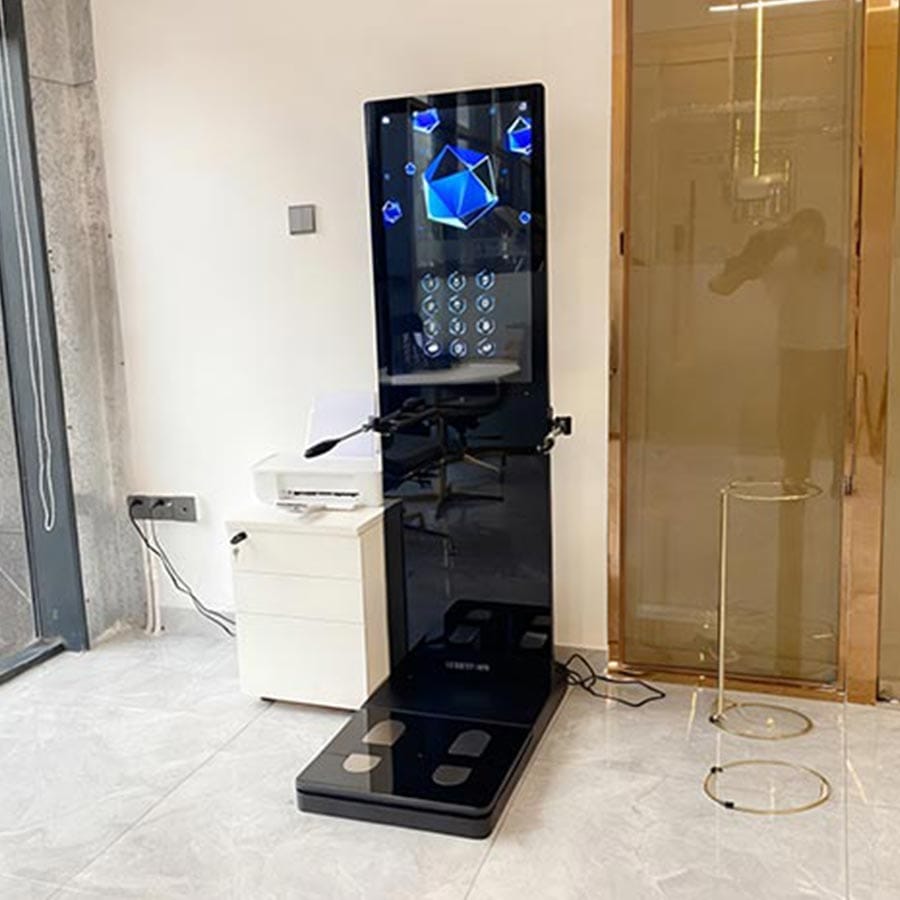
As the manufacturer, we ensure each body analyzer is built to the highest standards. Our devices undergo rigorous quality control and are certified to meet industry benchmarks. Key advantages include:
- Advanced BIA technology for precise measurements
- Durable construction and ergonomic design
- App integration for personalized health tracking
- Suitable for home, gym, and clinical use
Our body analyzers are trusted by fitness enthusiasts, professionals, and healthcare providers worldwide, providing accurate, actionable data to improve health outcomes.
Conclusion
A body analyzer is more than just a scale—it is a comprehensive tool for monitoring body composition, optimizing fitness, and supporting health management. By choosing a reliable manufacturer, users can ensure accuracy, durability, and seamless integration into daily routines. Explore our range of body analyzers today to take control of your health and achieve your wellness goals.
FAQ
Q1: What is a body analyzer and how does it work?
A: A body analyzer is a device that measures body composition, including fat, muscle, water, and bone mass, using bioelectrical impedance analysis (BIA) to provide accurate health insights.
Q2: Who should use a body analyzer?
A: Both home users and professionals can benefit. Fitness enthusiasts, gyms, and clinics use body analyzers to track health, optimize workouts, and monitor progress.
Q3: How accurate are body analyzers?
A: Accuracy depends on proper use, hydration, and calibration. Professional body analyzers provide higher precision for clinics and gyms, while home models are ideal for daily health tracking.
Q4: Can a body analyzer help with weight loss or muscle gain?
A: Yes. By monitoring fat percentage, muscle mass, and hydration, a body analyzer helps users adjust diet and training plans for better results.
Q5: What features should I look for in a body analyzer?
A: Key features include body composition metrics (fat, muscle, water), smart connectivity (Bluetooth or app integration), multi-user support, and reliability from a certified manufacturer.