



Table of Contents
As a manufacturer specializing in high-precision health and fitness measurement devices, we understand how essential accurate body composition analysis has become in today’s medical, fitness, and wellness industries. Businesses across gyms, clinics, hospitals, sports centers, and weight-loss programs are increasingly relying on advanced testing equipment to deliver reliable data and improve client outcomes.
The demand for the best professional body composition analyzer continues to grow, and choosing the right device can directly impact service quality, customer retention, and the overall credibility of your business.
Introduction
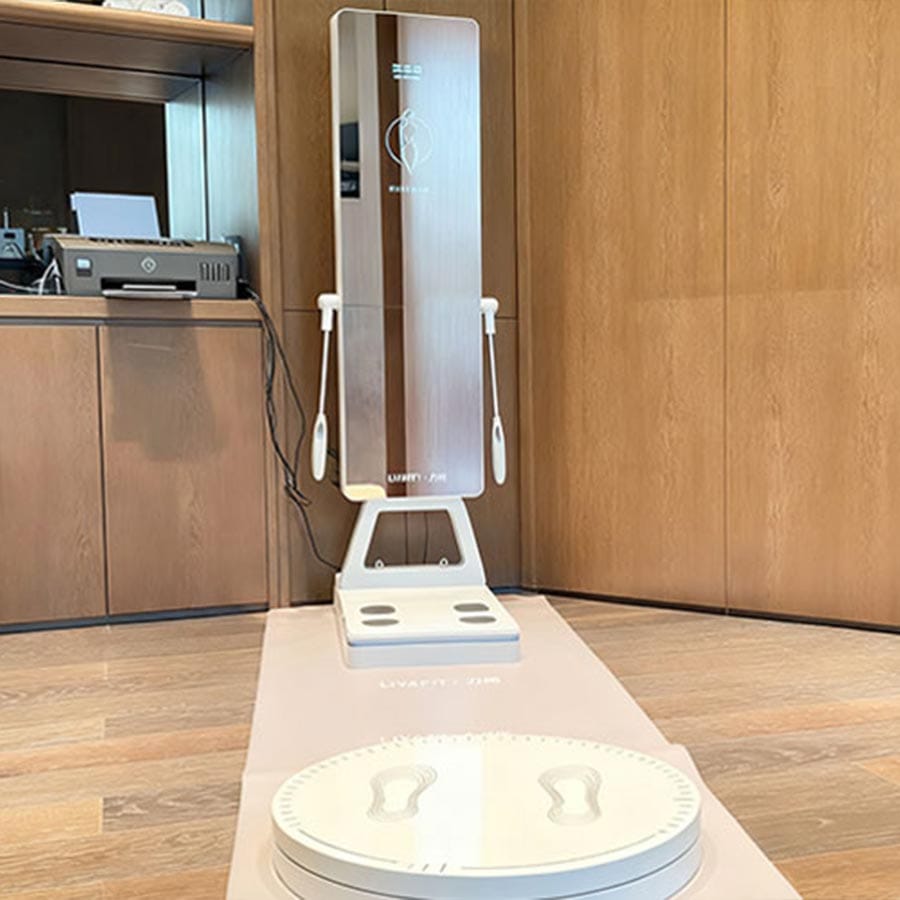
Body composition analysis has moved far beyond simple weight or BMI. Modern health users expect detailed data such as body fat percentage, visceral fat level, skeletal muscle mass, segmental muscle distribution, and body water balance.
Professional analyzers are designed to deliver medical-grade accuracy, enabling trainers, doctors, and wellness professionals to make informed decisions backed by reliable measurements.
As a device manufacturer, we’ve seen firsthand how businesses gain a competitive advantage when they adopt commercial-grade analyzers rather than low-accuracy consumer scales.
What Makes a Body Composition Analyzer “Professional-Grade”?
A true professional analyzer meets strict requirements for accuracy, stability, and durability. It must maintain precision during high-frequency daily use, support multiple body types, and operate effectively in commercial environments.
Medical-Grade Accuracy and Standards
Professional analyzers follow medical measurement principles and clinical testing standards to ensure data reliability.
Multi-Frequency BIA Technology
Unlike household devices that typically use single-frequency BIA, professional analyzers use multiple frequencies to measure intracellular and extracellular water separately, greatly improving overall accuracy.
Segmental Analysis
Professional analyzers divide the body into arms, legs, and trunk to give detailed insights useful for physical training and rehabilitation.
Industrial-Grade Stability
Commercial users require equipment built with durable frames, long-life electrodes, and stable internal sensors designed for years of continuous operation.
Key Features of the Best Professional Body Composition Analyzer
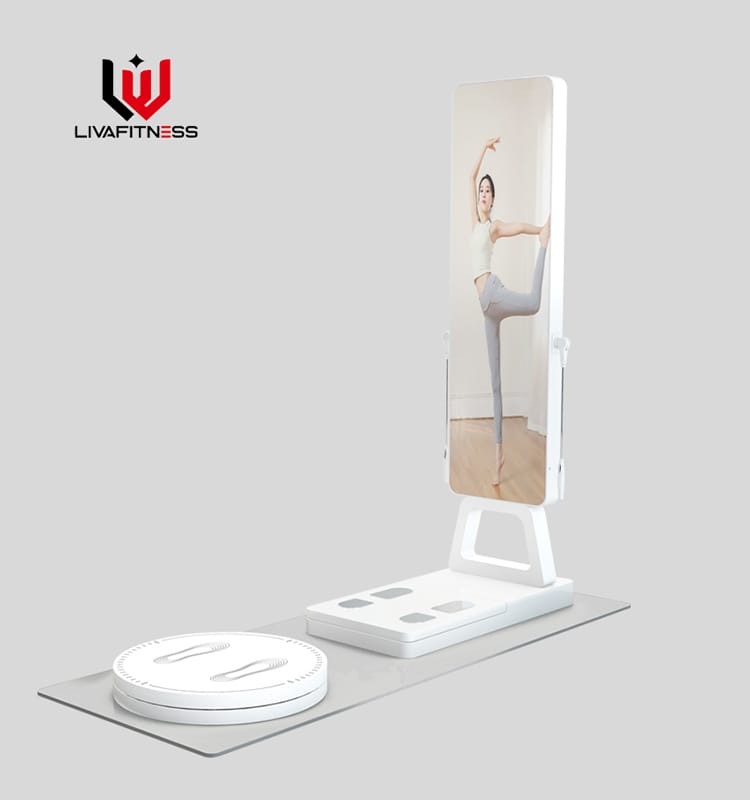
A high-performing device should offer more than basic fat and muscle readings. Below are features that distinguish the best analyzers in the market:
Advanced Multi-Frequency BIA
Allows deeper penetration and more accurate differentiation of soft tissues.
Full Parameter Measurements
Including body fat, muscle mass, bone mass, body water, metabolic age, protein levels, visceral fat, segmental muscle distribution, and more.
Intuitive Interface and Connectivity
Touchscreen display, mobile app integration, cloud dashboards, and Wi-Fi/Bluetooth synchronization make data access easy for both operators and clients.
Report Export Capabilities
PDF, Excel, cloud sharing, and built-in printers ensure quick communication of results.
How Professional Body Composition Analyzers Work: Technology Explained
Bioelectrical Impedance Analysis (BIA) is the core technology powering most professional analyzers.
A low-level electrical current travels through the body, and different tissues—such as fat, water, and muscle—offer different resistance levels.
Multi-Frequency BIA
Professional systems measure multiple frequencies to increase accuracy, especially for extracellular and intracellular water.
BIA vs DEXA vs Hydrostatic Weighing
- BIA: Fast, safe, non-invasive, excellent for commercial use
- DEXA: Highly accurate but expensive and not practical for daily business testing
- Hydrostatic Weighing: Accurate but requires specialized environments
This is why commercial body composition analyzers overwhelmingly adopt multi-frequency BIA.
Professional Body Composition Analyzer Applications Across Industries
Professional analyzers serve multiple sectors:
Fitness Centers & Gyms
Accurate progress tracking improves member retention and enhances service professionalism.
Medical Clinics & Hospitals
Useful for monitoring chronic diseases, rehabilitation progress, and clinical nutrition assessments.
Sports Teams
Segmental data helps coaches optimize training programs for each athlete.
Weight-Loss Clinics
Detailed analysis supports personalized nutrition and fat-reduction programs.
How to Choose the Best Professional Body Composition Analyzer for Your Business
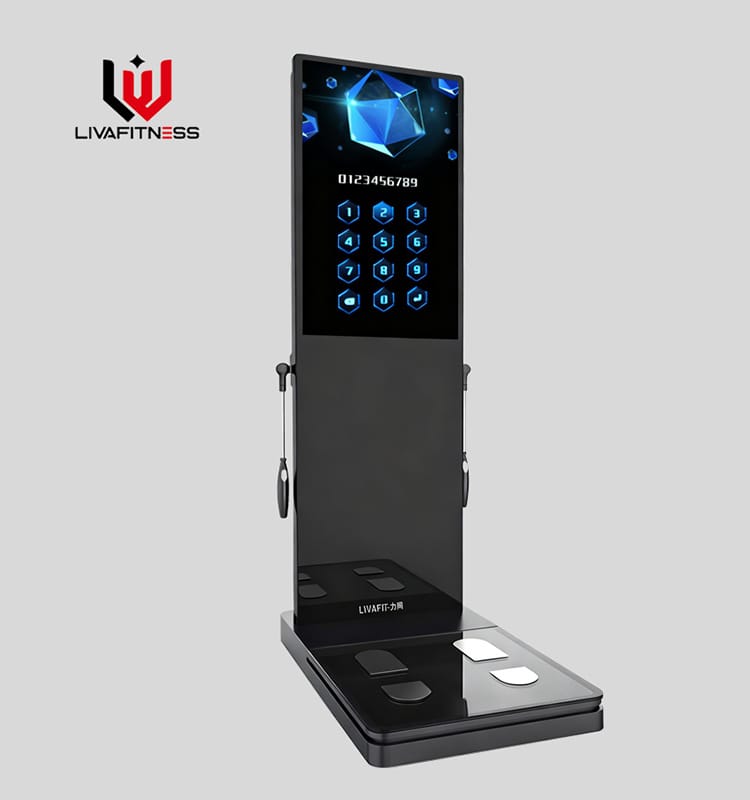
When selecting a device, consider the following:
Accuracy Requirements
Ensure multi-frequency technology and clinical validation.
Software & Data Ecosystem
Cloud management, multi-user accounts, and app compatibility are essential for modern businesses.
Capacity and User Modes
A professional device should handle frequent testing and diverse body types.
After-Sales Service
Choose manufacturers who provide calibration services, spare parts, and stable technical support.
Budget vs Value
Higher-end devices offer more accuracy, while mid-range models balance price and performance.
The Manufacturer’s Perspective: Why Buying Direct Offers Better Value
As a direct manufacturer, we see many advantages customers gain when they purchase from the source rather than distributors.
Customization (OEM/ODM)
You can request branding, UI customization, report templates, parameter expansion, and specialized software integration.
Better Pricing
Factory pricing eliminates reseller markups, especially for bulk orders.
Authentic Components & Spare Parts
Original electrodes, sensors, and internal components ensure stable long-term performance.
Controlled Quality
Manufacturers maintain direct control over calibration, testing, and production standards.
Comparison: Best Professional Body Composition Analyzer vs Consumer Devices
| Feature | Professional Analyzer | Consumer Smart Scale |
|---|---|---|
| Technology | Multi-frequency BIA | Single-frequency BIA |
| Accuracy | Medical-grade, high stability | Low to moderate |
| Segmental Analysis | Yes | Mostly no |
| Data Depth | Comprehensive | Basic readings only |
| Durability | Commercial/industrial | Designed for home use |
| Software | Cloud, reports, multi-user | Basic mobile app |
This comparison clearly shows why commercial users should invest in professional-grade systems instead of consumer electronics.
Pricing Overview: What Determines the Cost of a Professional Body Composition Analyzer
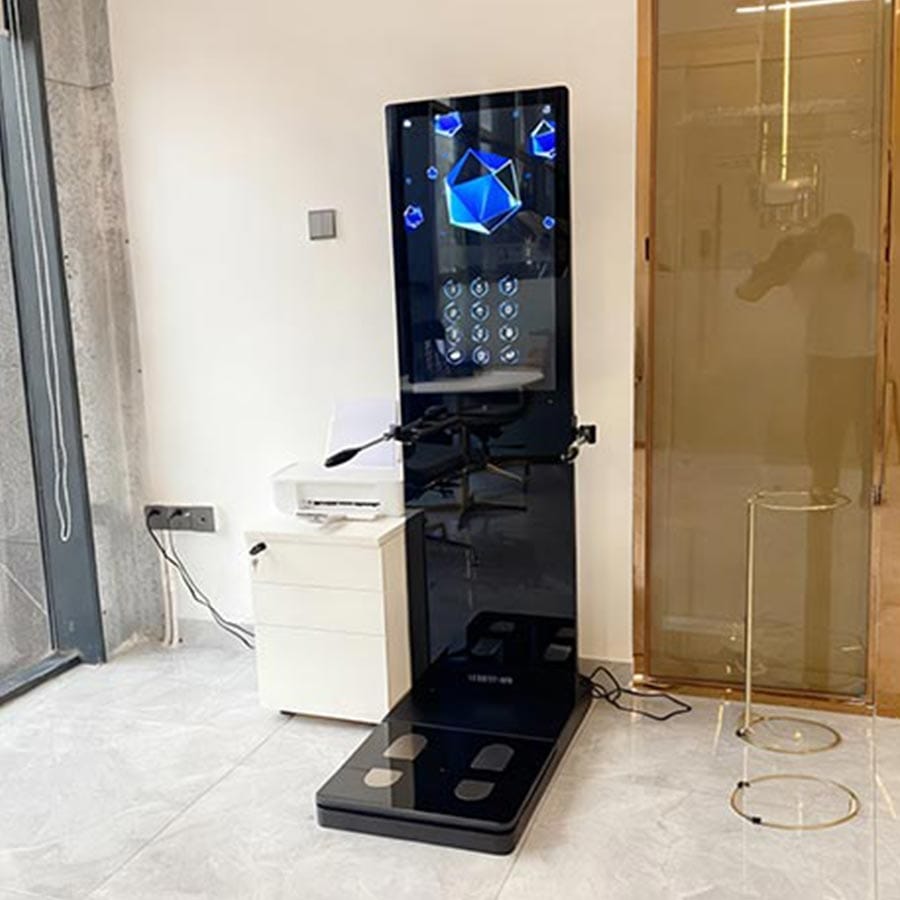
Several factors influence the price of a commercial analyzer:
Technology Level
Multi-frequency, segmental analysis, and advanced sensors significantly raise precision and cost.
Hardware Materials
Stronger electrode plates, industrial frames, and reinforced load cells enhance durability.
Software Ecosystem
Cloud platforms, mobile apps, and API integrations add long-term value.
Certification & Testing
Medical-grade analyzers require additional testing, increasing manufacturing costs.
Manufacturer vs Reseller Pricing
Direct manufacturer pricing is always more competitive.
Conclusion
The best professional body composition analyzer provides accurate, detailed, and reliable data essential for gyms, medical clinics, wellness centers, sports facilities, and weight-loss programs.
As a manufacturer, we understand how critical precision, durability, and long-term stability are for commercial environments. By choosing a high-quality multi-frequency BIA analyzer with segmental capabilities, cloud-based reporting, and proven accuracy, businesses can significantly enhance service quality and client satisfaction.
Whether you’re upgrading from consumer-level devices or investing in your first commercial analyzer, selecting the right professional body composition analyzer will directly influence your business results and long-term success.
FAQ
1. What makes the best professional body composition analyzer more accurate than consumer scales?
Professional analyzers use multi-frequency BIA technology, segmental measurements, and medical-grade sensors, which provide far more precise data than basic home scales using single-frequency BIA.
2. Who should invest in a professional body composition analyzer?
Gyms, clinics, wellness centers, sports teams, and weight-loss programs benefit the most, as a commercial body composition analyzer delivers reliable data for training, medical assessments, and client progress tracking.
3. What parameters can a professional body composition analyzer measure?
Most high-end analyzers measure body fat, muscle mass, visceral fat, body water, metabolic rate, protein levels, and segmental muscle distribution, offering a full-body health evaluation.
4. How often should clients use a professional body composition analyzer?
For fitness or weight-loss programs, testing every 2–4 weeks provides consistent and meaningful data. Medical users may require more frequent assessments based on treatment needs.
5. Why should businesses buy directly from a manufacturer?
Buying from a body composition analyzer manufacturer ensures better pricing, stable supply, OEM/ODM customization, and reliable after-sales support—benefits that resellers usually cannot provide.