




Table of Contents
What Is a Medical Grade Body Composition Analyzer?
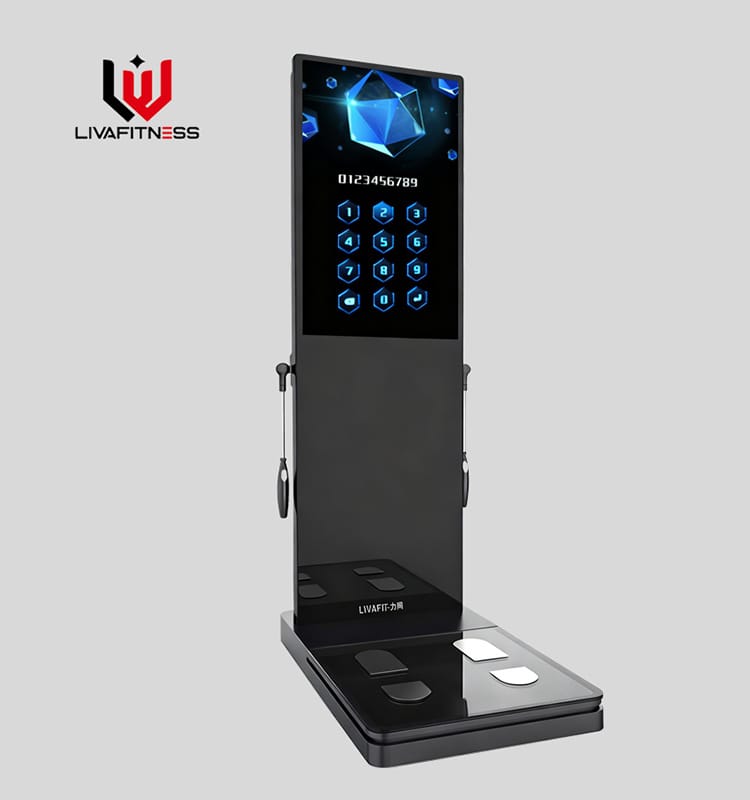
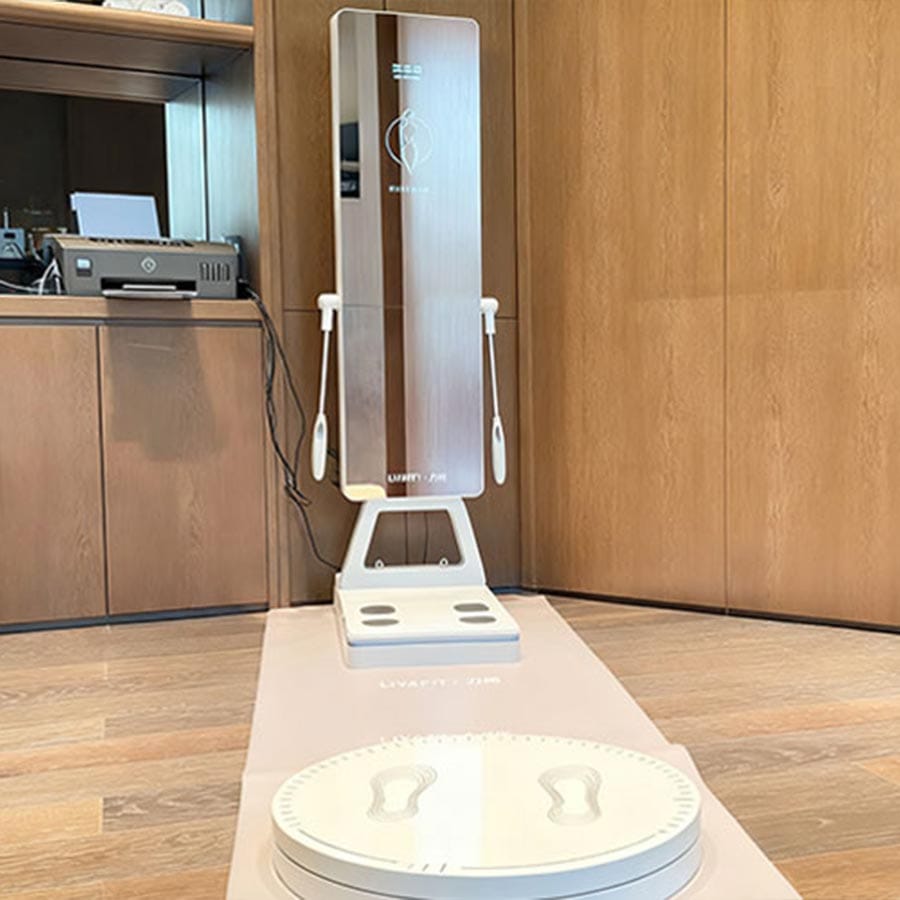
A medical grade body composition analyzer is a professional device designed to provide precise measurements of the human body’s composition. Unlike consumer scales commonly found in homes, medical-grade analyzers are calibrated for clinical accuracy and can measure detailed metrics such as body fat percentage, muscle mass, water content, and bone density.
These devices are widely used in clinics, hospitals, fitness centers, and research facilities, offering reliable data for both healthcare professionals and patients. Investing in a medical-grade device ensures accurate monitoring, which is critical for diagnosing health conditions, tracking progress in weight management, and optimizing patient care.
How Medical Grade Body Composition Analyzers Work
Medical-grade analyzers primarily use bioelectrical impedance analysis (BIA) to estimate body composition. The device sends a low-level electrical signal through the body, measuring the resistance of different tissues. Since muscle, fat, and water conduct electricity differently, the analyzer calculates the percentages of each component.
Accuracy is a key differentiator from consumer-grade devices. Medical analyzers are designed for consistent, reproducible results, often validated against clinical reference methods. They typically provide measurements of:
- Body fat percentage
- Skeletal muscle mass
- Total body water
- Bone mineral content
This level of detail supports healthcare professionals in creating personalized nutrition, fitness, and rehabilitation programs for patients.
Benefits of Using a Medical Grade Body Composition Analyzer

The benefits of using a medical grade body composition analyzer extend across clinical, fitness, and research applications:
- Improved Health Monitoring – Enables doctors to track changes in body composition, helping with early detection of obesity, sarcopenia, or fluid imbalance.
- Weight Management Support – Patients receive accurate feedback, making weight loss and diet programs more effective.
- Fitness and Performance Tracking – Athletes and trainers can monitor muscle growth, fat loss, and hydration for optimal performance.
- Patient Engagement – Visualizing results helps patients understand their health data and remain motivated.
Key Features to Look for When Choosing a Medical Grade Body Composition Analyzer
Selecting the right device is essential for reliable results. Key features include:
- Professional-grade accuracy with regular calibration
- Multi-user profiles and secure data storage
- Integration with electronic medical records (EMR) or fitness software
- Detailed reporting including segmental analysis of limbs and torso
- Durable build quality suitable for frequent clinical use
Comparison Table of Key Features
| Feature | Medical Grade Analyzer | Consumer Scale |
|---|---|---|
| Accuracy | ±1–2% | ±3–5% |
| Measurements | Body fat, muscle mass, water, bone density | Body weight, BMI |
| Users | Multi-user clinical profiles | Single-user home profiles |
| Data Storage | Yes, EMR integration | Limited or none |
| Calibration | Regular professional calibration | Rarely calibrated |
Medical Grade vs Consumer Body Composition Devices
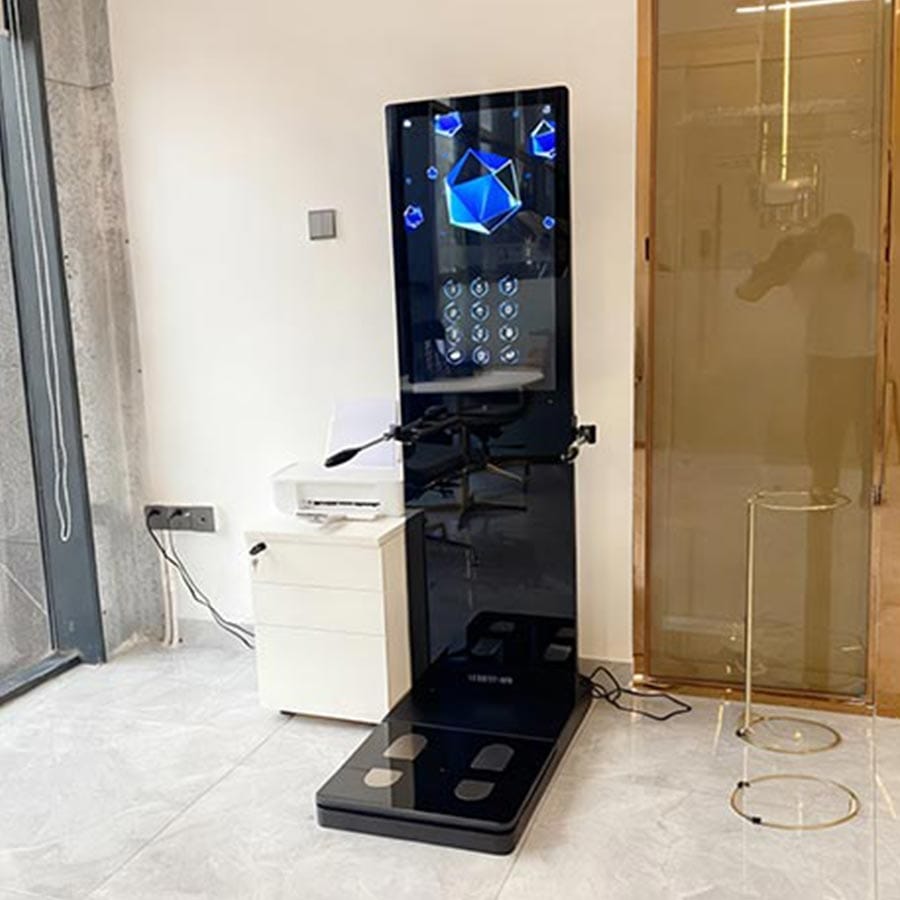
While consumer scales are convenient for home use, they cannot match the precision and clinical validation of medical-grade devices. Key differences include:
- Accuracy: Medical devices provide reliable readings for clinical decision-making.
- Durability: Built to withstand frequent use in clinics and hospitals.
- Application: Ideal for patient monitoring, fitness programs, and research studies.
For healthcare providers, choosing a medical-grade analyzer ensures actionable data that supports diagnosis, treatment planning, and long-term monitoring.
Applications of Medical Grade Body Composition Analyzers in Healthcare
Medical-grade analyzers are widely used in multiple healthcare settings:
- Clinical Monitoring: Track changes in body composition for patients with chronic conditions.
- Nutrition and Diet Planning: Provide detailed assessments to design personalized meal plans.
- Rehabilitation and Sports Medicine: Help athletes and patients recover while maintaining optimal body composition.
- Weight Loss Programs: Monitor fat reduction and muscle retention for effective outcomes.
Tips for Maintaining and Using Your Medical Grade Body Composition Analyzer
To ensure long-term performance, follow these best practices:
- Regular Calibration: Check calibration according to the manufacturer’s guidelines.
- Proper Usage: Ensure patients follow standard measurement protocols for consistency.
- Maintenance: Keep electrodes clean and protect the device from moisture or impacts.
- Training: Staff should receive proper training to interpret results accurately.
Choosing a Reliable Manufacturer for Medical Grade Body Composition Analyzers
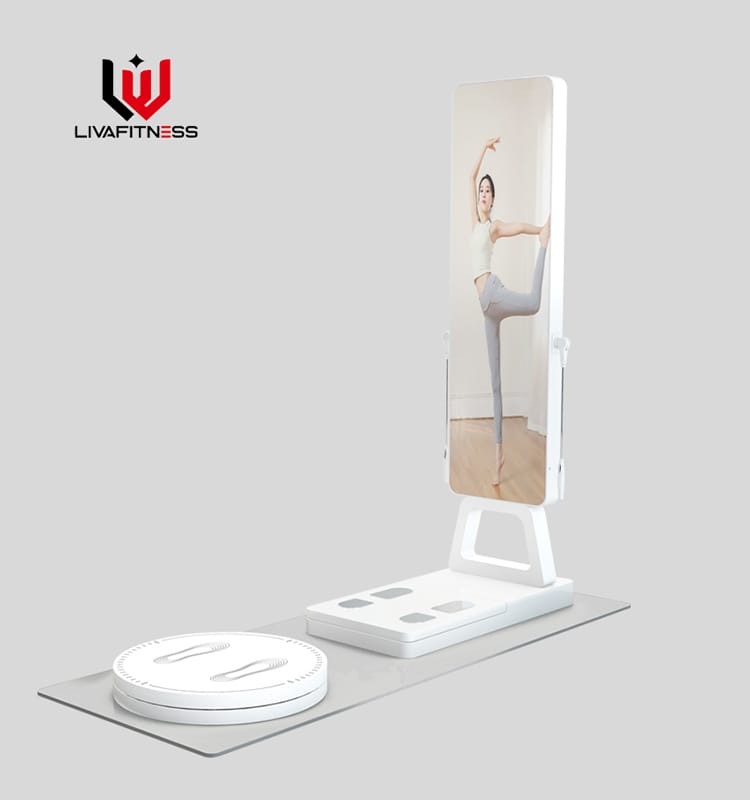
As a manufacturer, we emphasize quality control, innovation, and professional support. Selecting a reliable manufacturer ensures:
- Devices meet international medical standards
- Access to ongoing technical support and training
- Assurance of durability, accuracy, and long-term reliability
- Compliance with clinical and hospital requirements
Working directly with a manufacturer allows clinics and hospitals to acquire high-quality analyzers while receiving guidance for optimal integration into healthcare practices.
Conclusion
A medical grade body composition analyzer is an essential tool for clinics, hospitals, fitness centers, and research facilities. It offers precise, reliable measurements that support health monitoring, weight management, and performance optimization. Choosing a trusted manufacturer ensures devices are accurate, durable, and integrated with clinical workflows.
Investing in professional-grade body composition analyzers helps healthcare providers deliver better patient care while empowering individuals to track and improve their health outcomes.
FAQ
How often should a medical grade body composition analyzer be calibrated?
Typically every 6–12 months, depending on usage and manufacturer guidelines.
Can it be used for patients with medical implants?
Yes, but consult the device manual as certain implants may interfere with electrical signals.
What is the difference between professional and consumer devices?
Professional devices offer higher accuracy, multiple measurements, and EMR integration.
Is it suitable for all age groups?
Most medical-grade analyzers can be used for adults and children above a certain age, following safety protocols.