


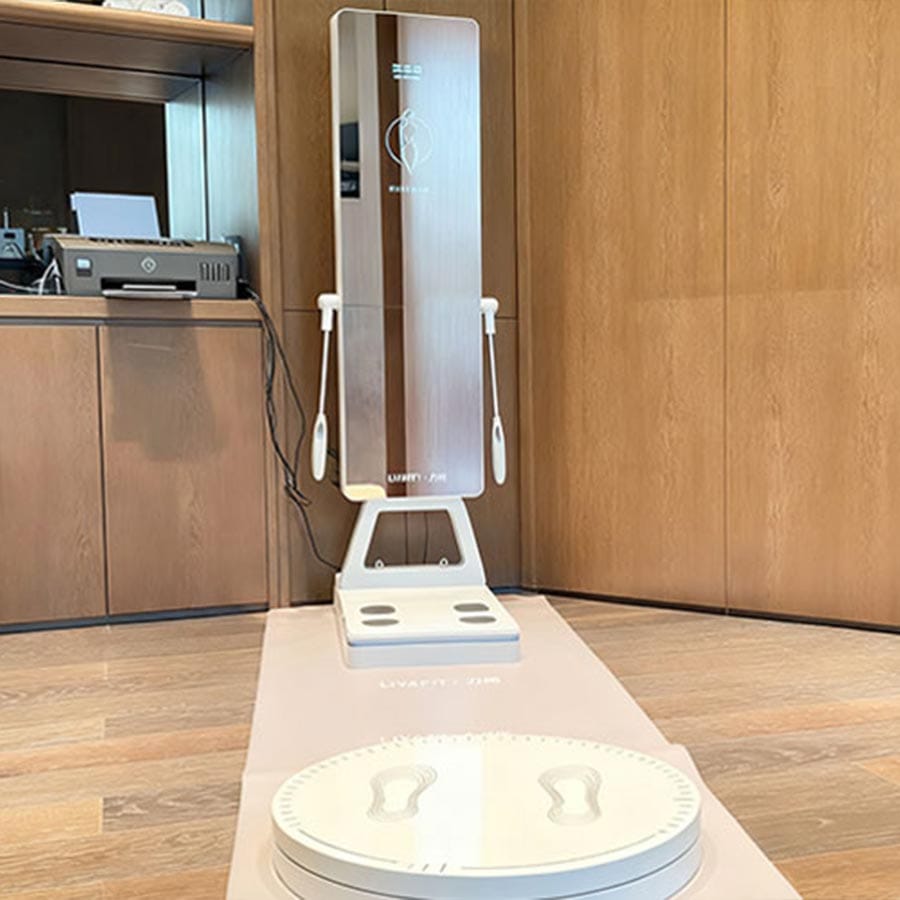

When fitness facility owners, medical equipment distributors, or health tech entrepreneurs search for a body analyzer manufacturer, they’re looking for more than just a supplier. They need a manufacturing partner capable of delivering precise diagnostic equipment that performs reliably in demanding environments—from commercial gyms with high user turnover to clinical settings requiring medical-grade accuracy.
This comprehensive guide walks you through what distinguishes an authentic body composition analyzer manufacturer from trading intermediaries, the technology powering modern BIA devices, quality standards you should expect, and practical guidance for selecting the right manufacturing partner for your specific needs.
Table of Contents
What a Body Analyzer Manufacturer Actually Does
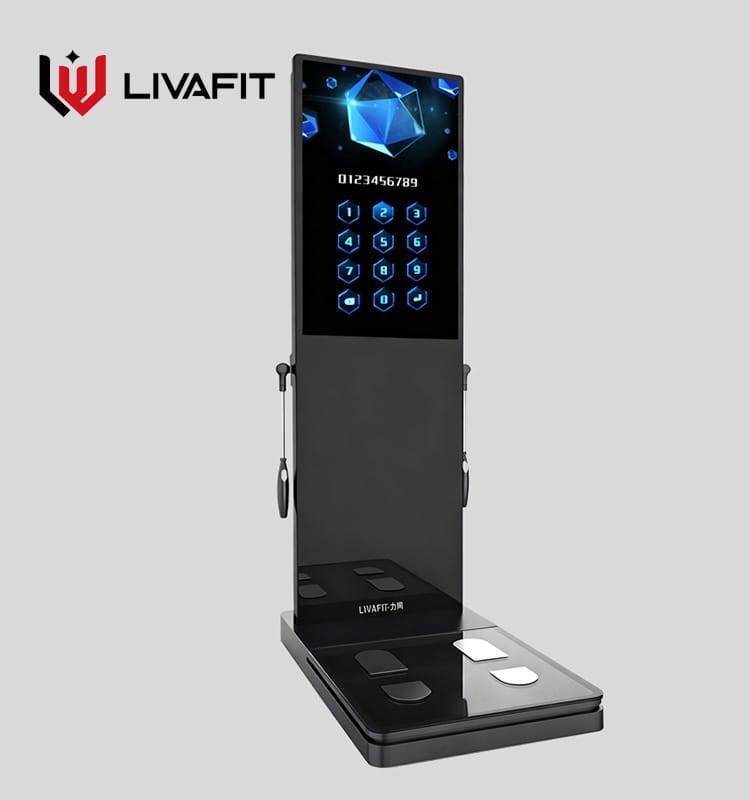
A professional body analyzer manufacturer controls every stage of production—from raw material sourcing and PCB assembly to final product testing and packaging. This vertical integration matters because it means the company you’re working with understands exactly how their equipment functions at the component level.
Core Manufacturing Responsibilities
True manufacturers handle design engineering, prototype development, mass production, quality assurance, and ongoing technical support. They maintain in-house R&D facilities to refine measurement algorithms, develop new product lines, and address technical issues without depending on external parties.
When you discuss bioelectrical impedance parameters or sensor specifications with a manufacturer, you’re speaking directly with the engineers who built the system—not salespeople relaying messages to a factory overseas.
Manufacturer vs. Trading Company
The distinction carries real consequences for your business. A trading company acts as an intermediary, purchasing finished products from manufacturers and reselling them with markup. This arrangement limits your customization options, extends communication chains, and often results in longer lead times for troubleshooting.
Working directly with a body composition analyzer manufacturer gives you access to:
- Direct technical consultations with production engineers
- Flexible MOQ (minimum order quantities) for custom orders
- Faster issue resolution and warranty claims
- Competitive pricing without middleman margins
Technology Behind Modern Body Composition Analyzers
Understanding the underlying technology helps you evaluate whether a manufacturer truly understands their craft or merely assembles generic components.
Bioelectrical Impedance Analysis (BIA)
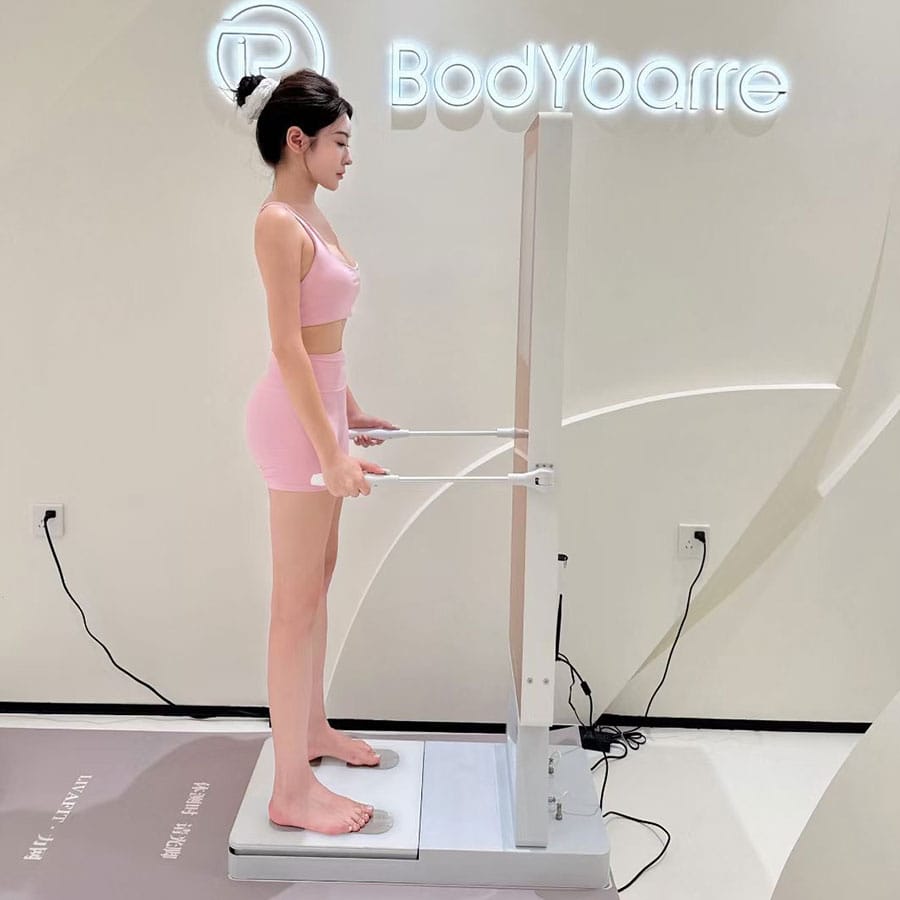
The foundation of most modern body composition analyzers relies on BIA technology. The process sends a harmless, low-level electrical current through the body—typically via hand and foot electrodes—and measures the resistance (impedance) encountered. Since lean tissue conducts electricity better than fat tissue due to higher water content, the device can calculate estimates of body fat percentage, muscle mass, and hydration levels.
Advanced manufacturers fine-tune the proprietary algorithms that interpret raw impedance data. These algorithms account for variables like age, gender, height, and weight to generate accurate readings. The quality of these algorithms often separates premium devices from budget alternatives.
Multi-Frequency Measurement Systems
Single-frequency BIA devices have inherent limitations. Modern professional equipment increasingly employs multi-frequency analysis, which applies currents at different frequencies to measure different body compartments:
| Frequency Type | Measurement Target | Clinical Relevance |
|---|---|---|
| Low Frequency (5-50 kHz) | Extracellular water | Hydration status, lymphedema assessment |
| Medium Frequency (50-100 kHz) | Total body water estimation | General nutritional assessment |
| High Frequency (100-500 kHz) | Intracellular water | Cellular health, metabolic function |
Manufacturers offering multi-frequency BIA technology provide superior accuracy compared to single-frequency alternatives, making their equipment suitable for both fitness and medical applications.
Smart Connectivity Features
Contemporary body composition analyzers integrate with broader health ecosystems through Bluetooth, WiFi, and cloud connectivity. Leading manufacturers design their devices to synchronize data with fitness apps, electronic health records (EHR), and corporate wellness platforms.
This smart connectivity capability matters for gym chains and healthcare networks managing large user bases, enabling centralized data collection and longitudinal tracking without manual data entry.
Quality Control Standards in Manufacturing
Equipment precision depends entirely on the manufacturer’s commitment to quality throughout production. Here’s what rigorous quality control looks like in practice.
Calibration Process
Every body analyzer should undergo multi-point calibration against reference standards before leaving the factory. This involves testing the device with known impedance loads to verify measurement accuracy across the expected range. Professional manufacturers maintain calibration laboratories traceable to international standards.
Look for documentation of calibration procedures in the manufacturer’s quality management system—preferably aligned with ISO 17025 requirements for testing and calibration laboratories.
Material and Sensor Inspection
Electrode quality significantly impacts measurement consistency. Manufacturers sourcing premium electrodes perform incoming inspection to verify contact resistance, durability under repeated use, and corrosion resistance. Similarly, circuit boards undergo automated optical inspection (AOI) and functional testing to ensure signal integrity.
International Certifications
Certifications provide objective verification of manufacturing quality and product safety:
- CE marking: Required for European market access, verifying electromagnetic compatibility and electrical safety
- FDA registration: Necessary for US market entry, particularly for devices with medical claims
- ISO 13485: Quality management standard specifically for medical device manufacturers
- FCC compliance: Required for electronic devices in the United States
A credible medical devices manufacturer will readily provide documentation of relevant certifications for each product line.
Applications in Gym and Fitness Industry

Gym operators and fitness studio owners increasingly recognize body composition analysis as a value-added service that differentiates their offerings and supports member retention.
Personal Training Programs
Personal trainers use BIA measurements to design individualized programs. Rather than relying solely on scale weight, trainers can track muscle gain and fat loss separately—crucial for clients building lean tissue while reducing body fat percentage. This data-driven approach improves program effectiveness and client satisfaction.
Member Progress Tracking
Regular body composition assessments (typically monthly or quarterly) give members tangible evidence of their progress. Seeing muscle mass increase or extracellular water levels normalize provides motivation that bathroom scales simply cannot deliver. Many members view these assessments as premium services worth paying extra for.
Gym Business Value
From a business perspective, offering body composition analysis supports multiple revenue streams:
- Included as a premium membership tier benefit
- Charged as individual assessment sessions
- Bundled with personal training packages
- Used as lead generation for personal training sales
Fitness equipment retailers also benefit from stocking analyzers, as they help customers understand their baseline before purchasing training equipment or supplements.
Medical and Clinical Applications
Beyond fitness environments, body composition analyzers serve important functions in healthcare settings where measurement accuracy and clinical relevance take priority.
Hospital Diagnostics Support
Clinical nutritionists and dietitians use BIA measurements to assess malnutrition risk, monitor patients with cachexia (wasting syndrome), and evaluate obesity treatment outcomes. The non-invasive nature of BIA makes it suitable for frequent monitoring without patient burden.
Hospitals sourcing from a specialized body analyzer manufacturer typically require medical-grade devices with validated reference data for clinical populations.
Rehabilitation Monitoring
Physical therapy and rehabilitation programs monitor body composition changes as patients recover from injuries, surgeries, or prolonged immobilization. Muscle atrophy during recovery can be quantified and tracked, helping therapists adjust exercise prescriptions accordingly.
Preventive Health Screening
Preventive medicine programs increasingly incorporate body composition screening as part of comprehensive health assessments. By identifying sarcopenia (muscle loss), obesity, or severe dehydration early, healthcare providers can intervene before conditions become clinically significant.
OEM & ODM Services from a Manufacturer
One significant advantage of working directly with a body composition analyzer manufacturer is access to customization capabilities that trading companies simply cannot provide.
OEM Private Label Solutions
Original Equipment Manufacturing allows you to rebrand existing product designs under your company name. A manufacturer offering OEM services will customize:
- Brand logo and color schemes
- Packaging design and user manuals
- Product model naming conventions
- Warranty terms and documentation
This enables distributors and brand owners to establish proprietary product lines without investing in full product development.
ODM Product Development
Original Design Manufacturing goes further by allowing you to commission entirely new product designs based on your specifications. This path suits companies with unique requirements—perhaps a specialized medical device for a specific patient population or a gym analyzer with unconventional form factor requirements.
ODM engagements typically involve longer development timelines (6-12 months) but result in differentiated products that competitors cannot easily replicate.
Software and UI Customization
Modern body analyzers feature touchscreen interfaces and companion applications. Leading manufacturers offer customization of:
- User interface language (multi-language support)
- Report formats and data displayed
- Corporate branding within software
- API integration with existing systems
Companies requiring software and UI customization should discuss capabilities during initial vendor evaluation, as some manufacturers handle this in-house while others outsource software development.
Why Choose a Direct Body Analyzer Manufacturer
The case for sourcing directly from manufacturing rather than through intermediaries rests on practical business advantages that compound over time.
Cost Efficiency
Eliminating the trading company margin typically saves 15-30% on product costs. For businesses purchasing in volume—gym chains adding analyzers to 50 locations or distributors stocking inventory—this translates to substantial savings that improve margins or enable competitive pricing.
Technical Support
When equipment malfunctions or you have technical questions, direct manufacturer access means speaking with people who built the device. They can provide:
- Detailed troubleshooting guidance
- Firmware updates and patches
- Component replacement under warranty
- Application and calibration support
Trading company support often involves relaying questions to manufacturers and waiting for responses—delays that impact your operations.
Stable Supply Chain
Professional manufacturers maintain component inventory and production capacity to fulfill ongoing orders. This stability matters for businesses planning multi-year equipment rollouts or needing rapid replenishment of popular models. You avoid the frustration of discovering your trading supplier’s source manufacturer has discontinued your product.
Factors That Define a Reliable Supplier
Not all manufacturers meeting your basic requirements deserve your business. Evaluating these factors helps identify partners worth long-term relationships.
Production Capability
Visit or request documentation of the manufacturer’s:
- Factory size and facility age
- Monthly production capacity
- Assembly line configuration
- Quality control staffing levels
Manufacturers with adequate production capability can scale with your business growth without requiring you to qualification new suppliers.
R&D Strength
Companies investing in research and development continuously improve their products and maintain technological relevance. Indicators of strong R&D include:
- Engineering team size and credentials
- Patent portfolio (relevant utility patents)
- Publication of technical papers or conference presentations
- Active product development pipeline
Export Experience
International distribution involves complexities that purely domestic manufacturers may not understand. Experienced exporters handle:
- Multi-country certification requirements
- Export packaging standards
- Customs documentation
- International payment terms
- Regional compliance variations
Export experience particularly matters if you’re distributing products across multiple markets with different regulatory frameworks.
Market Trends in Body Composition Analysis Industry
Understanding industry trajectory helps you select a manufacturer positioned for the future rather than one resting on legacy products.
Smart Health Devices
Consumer and professional health monitoring increasingly emphasizes connectivity and data integration. The smart health devices category continues growing as consumers adopt wearables, connected scales, and health monitoring applications. Body composition analyzers fit naturally within this ecosystem, and manufacturers are responding with devices designed for seamless data flow.
AI-Driven Health Analytics
Artificial intelligence enhances body composition analysis by identifying patterns invisible to traditional analysis. Machine learning algorithms can:
- Predict health risks based on composition trends
- Personalize recommendations based on longitudinal data
- Detect measurement anomalies or user errors
- Correlate body composition with lifestyle factors
Manufacturers incorporating AI capabilities into their devices position themselves competitively as the market matures.
Growing Global Fitness Awareness
The worldwide emphasis on personal health and fitness continues accelerating, particularly following increased health consciousness from recent global health events. Markets in Asia, Latin America, and Africa show particularly strong growth in fitness facility development and health monitoring adoption.
This growth creates opportunity for businesses with reliable supply chains from established body analyzer manufacturers.
How to Choose the Right Body Analyzer Manufacturer
With this context established, practical selection criteria help you evaluate specific options.
Evaluate Product Accuracy
Request demonstration units and validate measurement accuracy yourself. Compare readings against reference methods appropriate for your market (DEXA scans for body fat validation, for example). Accuracy claims mean little without empirical verification.
Request third-party validation studies or accuracy specifications with defined tolerance ranges. Professional manufacturers willingly provide this technical documentation.
Review Customization Options
Assess whether the manufacturer’s standard offerings align with your requirements. For private label programs, evaluate:
- Branding flexibility and minimum quantities
- Software customization capabilities
- Packaging and documentation options
- Multi-language support availability
Manufacturers offering comprehensive OEM/ODM services demonstrate capability to handle diverse customer needs.
Check After-Sales Support
Before committing to orders, evaluate support responsiveness:
- Response time to initial inquiries
- Technical documentation availability
- Warranty terms and claim processes
- Spare parts availability for repairs
Strong after-sales support indicates a manufacturer committed to long-term customer relationships rather than one-time transactions.
Wholesale and Global Supply Capabilities
For distributors and large-scale purchasers, wholesale capabilities determine whether a manufacturer can reliably support your business volume.
Bulk Order Production
Manufacturers with substantial production capacity can accommodate bulk orders without excessive lead times. Typical lead times for standard products range from 2-4 weeks for smaller orders to 6-12 weeks for container-scale quantities.
Discuss production scheduling during order placement to ensure alignment with your inventory and deployment timelines.
Export Packaging Standards
International shipping requires appropriate packaging to prevent damage. Quality manufacturers provide:
- Export-grade cartons with appropriate crush resistance
- Palletization for container shipments
- Humidity and moisture protection
- Clear labeling and documentation
Verify packaging specifications meet requirements for your target markets.
Logistics and Delivery Efficiency
Evaluate the manufacturer’s logistics capabilities:
- Freight forwarding relationships
- Experience with customs clearance
- Insurance coverage for shipped goods
- Order tracking and communication
Manufacturers experienced with logistics and delivery efficiency reduce the operational burden on your end and minimize supply chain disruptions.
Conclusion
Selecting the right body analyzer manufacturer requires balancing multiple factors—product quality, technical capabilities, customization flexibility, pricing, and support infrastructure. The manufacturers best positioned to serve the gym and medical markets combine precise BIA technology, rigorous quality control, comprehensive certification portfolios, and genuine OEM/ODM services.
Whether you’re equipping a single fitness studio, establishing a distribution network, or developing a branded product line, your manufacturer relationship fundamentally shapes your ability to deliver value to your end customers. The investment in thorough vendor evaluation pays dividends through reliable supply, quality products, and responsive support.
For businesses ready to explore partnership opportunities with an established body composition analyzer manufacturer, the next step involves detailed discussions about your specific requirements, volume projections, and customization needs. The right manufacturer will welcome these conversations as the foundation for a productive long-term relationship.
FAQ
Q1: What is the difference between a body analyzer manufacturer and a trading company?
A: A body composition analyzer manufacturer controls the entire production process—from R&D and engineering to assembly and quality testing. Trading companies simply resell products made by others, often with limited customization options and longer communication chains for technical support.
Q2: How does BIA technology work in body composition analyzers?
A: Bioelectrical impedance analysis sends a safe, low-level electrical current through the body via electrodes. Since muscle and fat have different conductivity levels (muscle conducts better due to higher water content), the device measures resistance to estimate body fat percentage, muscle mass, and hydration levels.
Q3: What certifications should I look for when choosing a body analyzer manufacturer?
A: Key certifications include CE marking (European market), FDA registration (US market), ISO 13485 (medical device quality management), and ISO 9001 (general quality management). These ensure the manufacturer meets international safety and quality standards.
Q4: What’s the difference between OEM and ODM services?
A: OEM (Original Equipment Manufacturing) lets you rebrand existing products with your logo and packaging. ODM (Original Design Manufacturing) involves developing entirely new products based on your specifications, offering deeper customization but requiring longer development time.
Q5: Why should I choose a direct manufacturer instead of a distributor?
A: Direct manufacturers offer 15-30% cost savings by eliminating middleman margins, provide faster technical support from engineering teams, offer flexible customization options, and ensure stable supply chains for long-term business relationships.