

Table of Contents
Introduction
In an era where data-driven decisions dominate healthcare and fitness industries, professional body analyzers have evolved from luxury tools to essential equipment. These advanced devices go far beyond traditional weight scales, providing comprehensive insights into body composition that are critical for creating personalized health and fitness strategies. For gyms and clinics alike, investing in a high-quality professional body analyzer is no longer optional—it’s a strategic imperative for delivering superior services, improving client outcomes, and maintaining a competitive edge.
What is a Professional Body Analyzer?
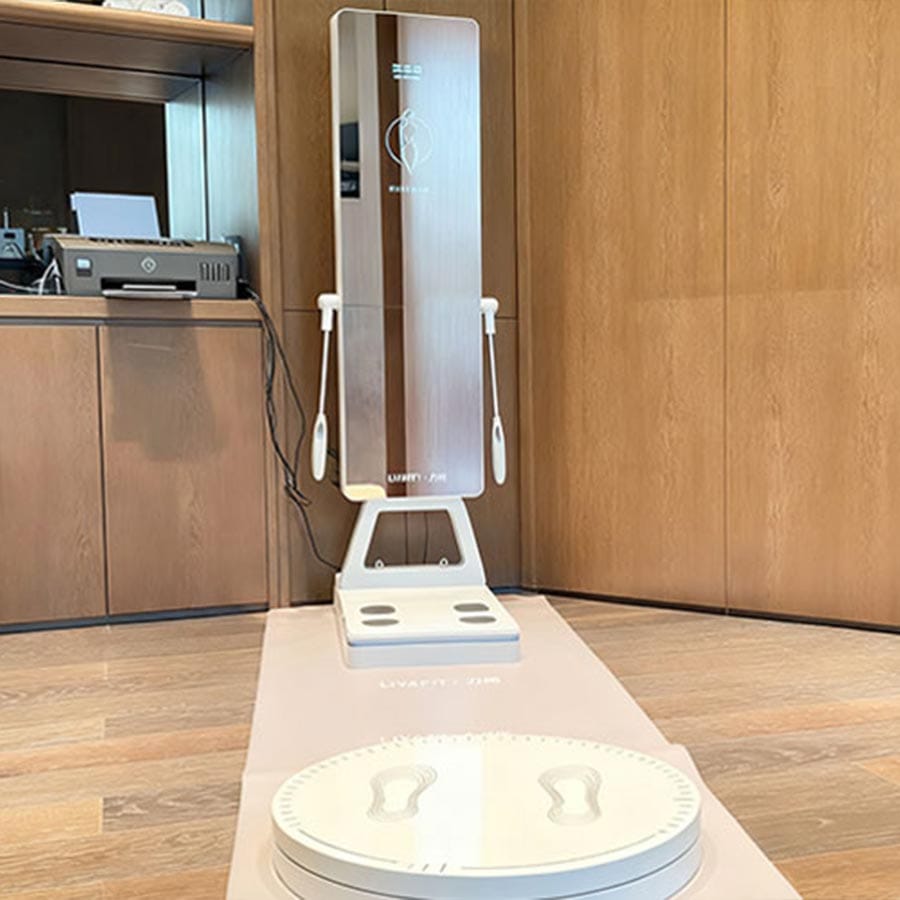
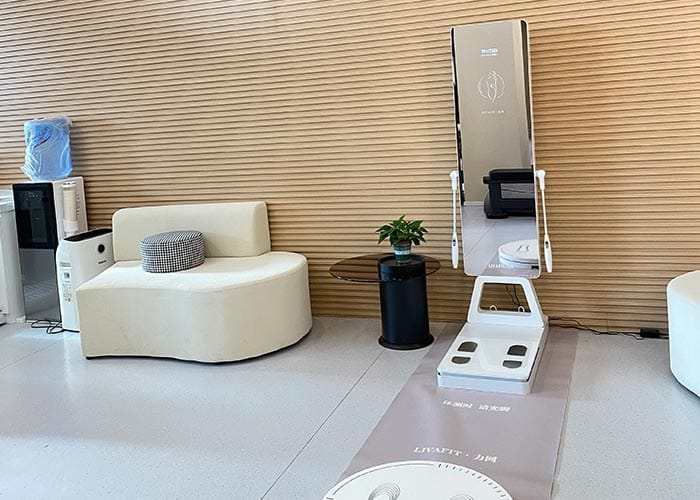
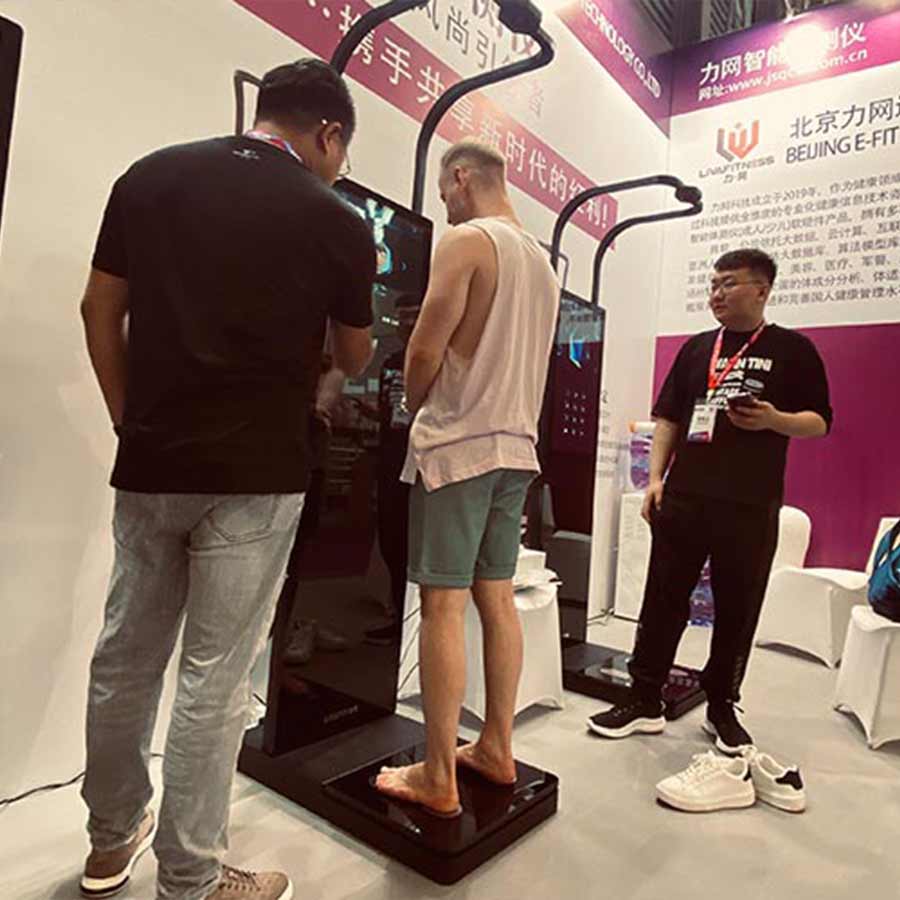
A professional body analyzer is a sophisticated device that uses advanced technology to measure various components of the human body. Unlike basic bathroom scales that only provide weight measurements, these analyzers use methods like Bioelectrical Impedance Analysis (BIA) to assess multiple metrics including body fat percentage, muscle mass, bone density, hydration levels, visceral fat, and even cellular health indicators like phase angle. These devices offer a holistic view of an individual’s health status, enabling professionals to make informed decisions about care and training programs.
Key Differences Between Home and Professional Models
While home body composition scales have become increasingly popular, they simply can’t match the accuracy, depth, and reliability of professional-grade equipment. Here’s a detailed comparison:
| Feature | Home Models | Professional Models |
|---|---|---|
| Accuracy | ±3-5% error range | ±1-3% error range |
| Measurement Technology | Single or dual-frequency BIA | Multi-frequency BIA (5-20 frequencies) |
| Electrode Configuration | 2-4 contact points (usually feet only) | 8+ contact points (hands and feet) |
| Data Analysis | Basic estimations based on general population data | Direct segmental analysis with population-specific algorithms |
| Reporting | Simple metrics (weight, body fat percentage) | Comprehensive reports with 20+ metrics including visceral fat, segmental muscle analysis, and phase angle |
| Regulatory Compliance | Not regulated as medical devices | Often Class II medical devices with clinical validation |
| Use Case | General wellness tracking | Clinical diagnosis, precise fitness programming, and research |
Professional devices offer significantly more precise measurements by using multiple frequencies to distinguish between different types of tissue and segmental analysis to evaluate body parts individually. This level of detail is essential for medical professionals and fitness experts who require accurate data to make critical decisions.
How Body Analyzers Support Fitness and Health Tracking
Body analyzers provide actionable data that transforms generic health and fitness approaches into personalized strategies. For fitness enthusiasts, these devices help track progress beyond just weight loss, showing changes in muscle mass, body fat distribution, and hydration levels. In clinical settings, body composition analysis is becoming an increasingly important tool for diagnosing and managing various health conditions, including obesity, diabetes, cardiovascular disease, and sarcopenia.
By establishing baseline measurements and tracking changes over time, professionals can:
- Identify potential health risks before they become serious issues
- Create customized nutrition and exercise plans tailored to individual needs
- Monitor the effectiveness of interventions and adjust strategies as needed
- Provide clients with tangible evidence of progress, increasing motivation and engagement
The Science Behind Body Analyzers
How Body Analyzers Measure Body Composition
Professional body analyzers primarily use Bioelectrical Impedance Analysis (BIA) technology, which works on the principle that different tissues in the body conduct electricity differently. Muscle tissue, which contains a high percentage of water and electrolytes, is an excellent conductor of electricity. Fat tissue, which has low water content, acts as a resistor, impeding the flow of electricity.
During a BIA measurement, a safe, low-level electrical current is sent through the body. The device measures the impedance (resistance) to this current flow, which varies depending on the amount of fat, muscle, water, and other tissues. By combining impedance measurements with other data such as height, weight, age, and gender, the analyzer uses sophisticated algorithms to calculate various body composition metrics.
Accuracy Factors: Muscle Mass, Body Fat, and Hydration
Several factors influence the accuracy of body composition measurements:
- Hydration Level: Dehydration can increase impedance readings, leading to overestimation of body fat percentage. Conversely, overhydration can have the opposite effect. For consistent results, it’s important to measure under standardized conditions, typically in the morning on an empty bladder.
- Body Position: Proper posture during measurement is crucial, as changes in position can affect the flow of the electrical current. Most professional devices provide clear instructions and visual guides to ensure correct positioning.
- Time of Day: Body composition can fluctuate throughout the day due to factors like food and fluid intake, physical activity, and even hormonal changes. For tracking progress over time, measurements should be taken at the same time of day under similar conditions.
- Device Calibration: Regular calibration is essential for maintaining accuracy. Professional devices often require annual calibration by certified technicians to ensure consistent performance.
Role of Bioelectrical Impedance Analysis (BIA) in Professional Devices
Professional-grade BIA devices have evolved significantly beyond the basic technology used in home scales. Modern professional analyzers use multi-frequency BIA, which sends currents at different frequencies to better differentiate between various types of tissue. This is particularly important because different tissues have different electrical properties at different frequencies.
For example, lower frequencies (1-5 kHz) primarily measure extracellular water, while higher frequencies (100 kHz and above) can penetrate cell membranes to measure intracellular water. By analyzing impedance at multiple frequencies, professional devices can provide more accurate measurements of body water distribution, which is critical for assessing hydration status and certain medical conditions.
Many professional analyzers also use direct segmental multi-frequency BIA (DSM-BIA), which measures impedance in different parts of the body separately. This allows for precise analysis of muscle and fat distribution in each limb and the trunk, enabling professionals to identify muscle imbalances, track recovery from injuries, and create highly targeted training programs.
Benefits of Using a Professional Body Analyzer in Gyms

Personalized Fitness Plans Based on Accurate Data
One of the most significant advantages of using professional body analyzers in gyms is the ability to create truly personalized fitness plans. Instead of relying on generic workout routines, trainers can use precise body composition data to design programs tailored to each client’s unique needs and goals.
For example:
- Clients looking to lose fat can focus their efforts on reducing body fat percentage while preserving muscle mass
- Athletes can optimize their muscle distribution to improve performance and reduce injury risk
- Individuals recovering from injuries can track muscle recovery in specific areas and adjust training intensity accordingly
This personalized approach not only leads to better results but also demonstrates the gym’s commitment to providing evidence-based, effective services.
Monitoring Muscle Gain and Fat Loss Over Time
Tracking progress is essential for maintaining client motivation and demonstrating the effectiveness of fitness programs. Professional body analyzers provide objective, quantifiable data that goes beyond simple weight measurements, showing changes in muscle mass, body fat distribution, and other key metrics over time.
By comparing baseline measurements with follow-up assessments, trainers can:
- Show clients tangible evidence of their progress, even when weight remains stable
- Identify plateaus early and adjust training strategies to continue making progress
- Validate the effectiveness of nutrition and exercise programs
Visual representations of progress, such as trend charts and before/after comparisons, can be particularly powerful motivators for clients, helping them stay committed to their fitness goals.
Enhancing Client Engagement and Retention
In a highly competitive fitness industry, client retention is crucial for long-term success. Professional body analyzers provide gyms with a powerful tool for increasing client engagement and building stronger relationships.
By offering regular body composition assessments as part of membership packages or premium services, gyms can:
- Provide ongoing value that extends beyond access to equipment
- Create opportunities for trainers to connect with clients regularly and provide personalized feedback
- Identify clients who may be at risk of dropping out and proactively address their concerns
Clients who receive regular body composition assessments are more likely to feel invested in their fitness journey and perceive their gym as a partner in their success. This emotional connection leads to higher satisfaction rates, longer memberships, and increased referrals.
Benefits of Using a Professional Body Analyzer in Clinics
Supporting Nutritional and Weight Management Programs
In clinical settings, body composition analysis is becoming an increasingly important tool for nutritional assessment and weight management. Traditional methods of assessing nutritional status, such as body mass index (BMI), have significant limitations, particularly for individuals with high muscle mass or fluid retention issues.
Professional body analyzers provide clinicians with detailed information about:
- Muscle mass, which is critical for assessing protein status and identifying muscle wasting conditions
- Body fat distribution, including visceral fat levels that indicate metabolic risk
- Hydration status, which is essential for managing conditions like kidney disease and heart failure
- Bone mineral density trends, which can help identify early signs of osteoporosis
This information allows clinicians to create personalized nutritional plans that address specific deficiencies and support optimal health outcomes. For example, a patient with low muscle mass may require a higher protein intake and targeted resistance training to preserve muscle tissue during weight loss.
Tracking Patient Health Progress with Precision
Monitoring changes in body composition over time is essential for evaluating the effectiveness of treatments and interventions in clinical settings. Professional body analyzers provide clinicians with objective, reproducible data that can be used to track progress and make informed decisions about patient care.
For instance:
- In oncology, body composition analysis can help monitor muscle wasting in cancer patients and adjust nutritional support accordingly
- In nephrology, tracking fluid status through body water measurements is critical for managing dialysis treatments
- In endocrinology, monitoring changes in body fat distribution can help evaluate the effectiveness of diabetes management strategies
By establishing baseline measurements and conducting regular follow-up assessments, clinicians can detect changes early, adjust treatment plans as needed, and improve overall patient outcomes.
Early Detection of Health Risks Through Body Composition Analysis
Body composition analysis can reveal important clues about an individual’s health status that may not be apparent through traditional diagnostic methods. For example, individuals with normal BMI but high visceral fat levels are at increased risk for metabolic syndrome, type 2 diabetes, and cardiovascular disease.
Professional body analyzers can help identify these hidden health risks by measuring:
- Visceral fat area, which is a strong predictor of metabolic disease
- Muscle mass and quality, which decline with age and are associated with increased mortality risk
- Body water distribution, which can indicate issues with kidney function or heart failure
- Phase angle, a measure of cellular health that correlates with overall vitality and longevity
Early detection of these risk factors allows clinicians to implement preventive measures and lifestyle interventions before conditions develop or worsen, ultimately improving patient outcomes and reducing healthcare costs.
Key Features to Look for in a Professional Body Analyzer
Digital Display and Connectivity Options
When selecting a professional body analyzer, consider devices with intuitive digital displays that make it easy to view and interpret results. Touchscreen interfaces are particularly user-friendly, allowing for quick navigation through menus and settings.
Connectivity is another important feature to consider. Look for devices that offer:
- Wireless sync capabilities for seamless data transfer to computers, tablets, or cloud-based platforms
- Integration with existing practice management or gym software systems
- Mobile app access for clients to view their results and track progress remotely
- Data export options for sharing reports with other healthcare providers or for research purposes
Multi-Metric Measurement
A comprehensive professional body analyzer should provide a wide range of measurements beyond just weight and body fat percentage. Look for devices that offer:
- Body fat percentage (total and segmental)
- Skeletal muscle mass (total and segmental)
- Bone mineral content
- Total body water (including intracellular and extracellular water)
- Visceral fat area or rating
- Basal metabolic rate (BMR)
- Resting metabolic rate (RMR)
- Phase angle
- Body mass index (BMI)
- Waist-to-hip ratio
The more metrics a device provides, the more complete the picture of an individual’s health and fitness status will be. This allows for more precise assessments and better-informed decision-making.
Data Storage and Historical Tracking
The ability to store and track historical data is essential for monitoring progress over time. Look for devices that offer:
- Large storage capacity for client profiles (ideally 1,000+)
- Automated tracking of measurements over time
- Trend analysis and visualization tools
- Customizable reporting options
- Compliance with data privacy regulations (such as HIPAA in the United States)
Advanced data management features can save time for professionals by eliminating manual record-keeping and making it easy to generate comprehensive reports for clients.
Choosing the Right Body Analyzer for Your Facility
Comparing Professional vs Standard Gym Scales
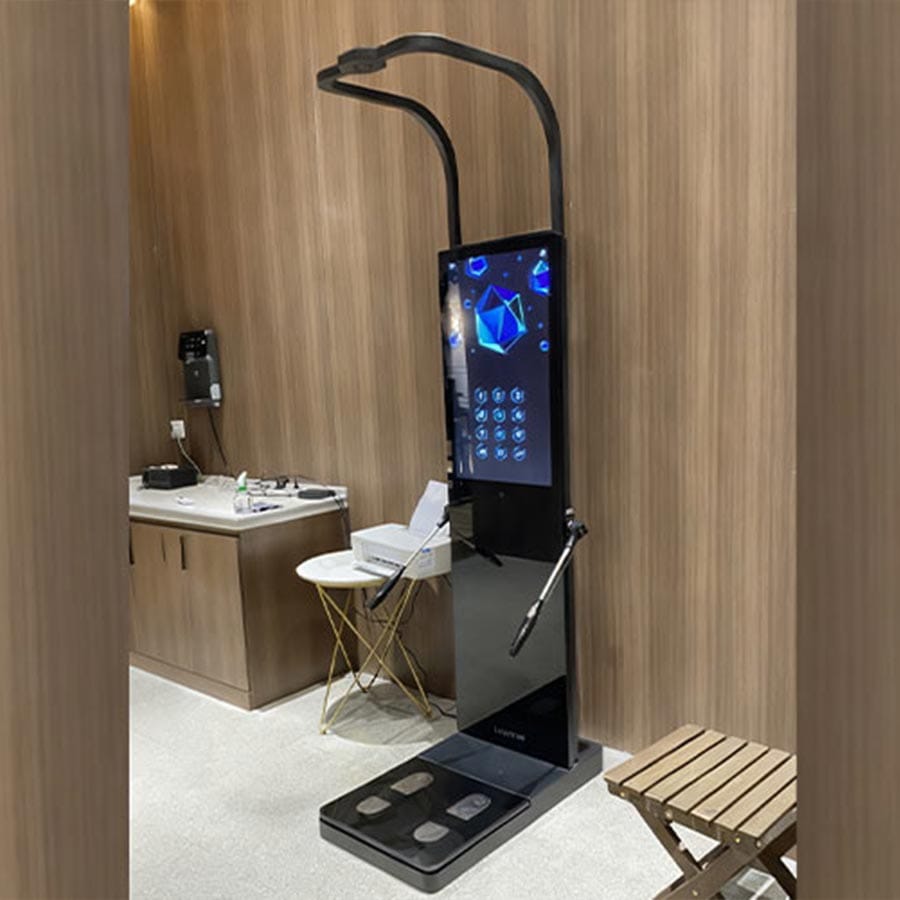
For gyms trying to decide between professional body analyzers and standard scales, it’s important to consider the level of service they want to provide. Standard scales only provide weight measurements, which can be misleading since weight fluctuations don’t always reflect changes in body composition.
Professional body analyzers, on the other hand, provide a wealth of information that can be used to create personalized training programs, track progress accurately, and enhance the overall client experience. While professional devices represent a larger upfront investment, they can generate additional revenue through premium assessment services and help attract clients who are serious about achieving their fitness goals.
Factors: Budget, Accuracy, User Capacity, Ease of Use
When selecting a professional body analyzer, consider the following factors:
- Budget: Professional body analyzers can range in price from a few thousand dollars to over $20,000, depending on the features and capabilities. Consider the long-term return on investment, including potential revenue generation and client retention benefits.
- Accuracy: Look for devices with clinical validation and low error rates. Devices that use multi-frequency BIA and direct segmental analysis generally offer the highest accuracy.
- User Capacity: Consider how many clients will be using the device and how often. For busy gyms or clinics, look for devices that offer quick testing times and efficient data management features.
- Ease of Use: The device should be intuitive for both staff and clients to use. Look for features like voice guidance, touchscreen interfaces, and clear visual instructions.
- Service and Support: Professional equipment requires regular calibration and maintenance. Choose a manufacturer that offers reliable customer support, training resources, and warranty coverage.
Top Brands and Models Recommended by Experts
Several reputable manufacturers produce high-quality professional body analyzers, each with its own unique features and strengths:
- InBody Series: Known for their accuracy and reliability, InBody analyzers use direct segmental multi-frequency BIA technology to provide precise measurements. Models like the InBody 770 and 570 are popular choices for both gyms and clinics.
- TANITA Professional Line: TANITA has been a leader in body composition analysis for over 40 years. Their professional models feature multi-frequency BIA and are known for their accuracy across diverse populations.
- seca mBCA Series: These medical-grade devices offer exceptional accuracy, validated against whole-body MRI and the 4-compartment model. They’re particularly well-suited for clinical settings and research applications.
- Omron Healthcare Professional Models: Omron offers a range of professional body composition analyzers that combine accuracy with ease of use. Their devices are popular in both fitness and medical settings.
When choosing a specific model, consider factors like the intended use case, required metrics, and budget. Many manufacturers offer demonstrations or trial periods, allowing you to test the device before making a purchase.
Common Misconceptions About Body Analyzers
Body Analyzers Are Only for Weight Tracking
One of the most persistent misconceptions about body analyzers is that they’re only useful for tracking weight loss. In reality, these devices provide a wealth of information about overall health and fitness that goes far beyond just weight measurements.
Body composition analysis can reveal important insights about muscle mass distribution, bone health, hydration status, and even cellular function. This information is valuable for people of all fitness levels, from elite athletes to sedentary individuals looking to improve their overall health.
Accuracy Is Always the Same Across Devices
Not all body analyzers are created equal when it comes to accuracy. Home models, which typically use single-frequency BIA with only foot electrodes, can have significant errors, particularly for individuals with extreme body types or certain medical conditions.
Professional-grade devices, on the other hand, use advanced technologies like multi-frequency BIA and direct segmental analysis to provide much more accurate and reliable measurements. However, even among professional devices, accuracy can vary depending on factors like electrode configuration, algorithm quality, and calibration procedures.
When selecting a body analyzer, it’s important to look for clinical validation and compare devices based on their performance against gold-standard methods like DXA or 4-compartment model analysis.
Only Athletes Benefit from Body Composition Analysis
While athletes can certainly benefit from the detailed insights provided by body analyzers, these devices are valuable tools for people of all fitness levels and ages.
In clinical settings, body composition analysis is becoming an increasingly important tool for diagnosing and managing chronic conditions like diabetes, cardiovascular disease, and kidney disease. For older adults, these devices can help detect early signs of sarcopenia (age-related muscle loss) and osteoporosis, allowing for timely interventions to improve mobility and reduce fall risk.
Even for individuals with general wellness goals, body composition analysis can provide valuable information about their overall health status and help them make more informed decisions about diet and exercise.
Integrating a Body Analyzer Into Your Facility Workflow
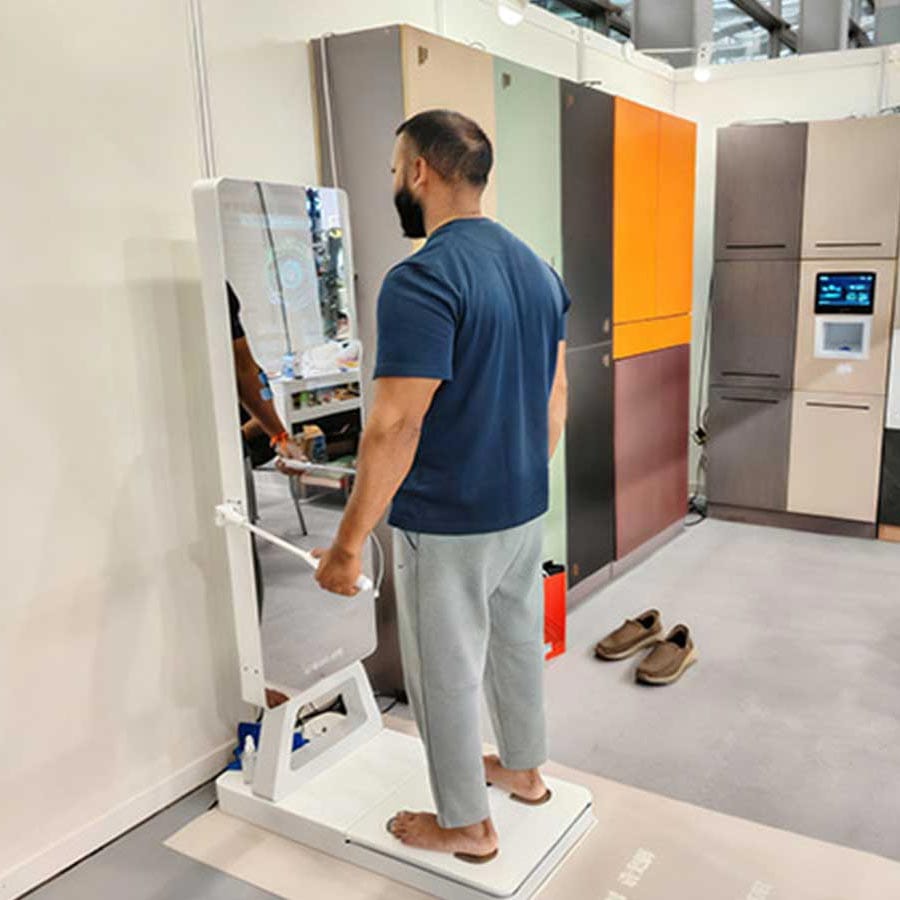
Staff Training for Accurate Measurements
To maximize the value of a professional body analyzer, it’s essential to ensure that staff members are properly trained in how to use the device and interpret the results effectively.
Training should cover:
- Proper client preparation and positioning for accurate measurements
- Device operation, including menu navigation and data management
- Interpretation of results and how to communicate findings to clients
- Integration of body composition data into training or treatment plans
Ongoing training and professional development opportunities can help staff members stay up-to-date on the latest research and best practices in body composition analysis.
Using Body Analyzer Data to Improve Client Outcomes
The true value of a professional body analyzer lies in how the data is used to drive actionable insights and improve client outcomes. Here are some strategies for leveraging body composition data effectively:
- Set realistic, data-driven goals: Use baseline measurements to establish achievable goals for clients, whether they’re looking to lose fat, gain muscle, or improve overall health.
- Create personalized plans: Develop customized nutrition and exercise programs based on individual body composition data and goals.
- Monitor progress regularly: Schedule follow-up assessments at appropriate intervals to track progress and make adjustments to plans as needed.
- Educate clients: Help clients understand their results and how the data relates to their overall health and fitness goals. This empowers them to take an active role in their own care.
- Use data to demonstrate value: Share progress reports with clients to show the tangible results of their efforts, reinforcing the value of your services.
Combining With Smart Scales and Health Tracking Apps
Many professional body analyzers can be integrated with smart scales and health tracking apps to provide a more comprehensive view of client health. This integration allows for:
- Seamless data syncing between devices and platforms
- Continuous tracking of basic metrics like weight and body fat percentage between professional assessments
- Enhanced client engagement through mobile access to results and personalized recommendations
By combining professional in-clinic assessments with ongoing home monitoring, gyms and clinics can create a more holistic approach to health and fitness that supports clients throughout their wellness journey.
Conclusion
Professional body analyzers have become indispensable tools for gyms and clinics looking to deliver exceptional services and improve client outcomes. These advanced devices provide accurate, comprehensive insights into body composition that go far beyond what’s possible with traditional weight scales or home body composition monitors.
For gyms, professional body analyzers enable the creation of personalized fitness programs, provide objective progress tracking, and enhance client engagement and retention. In clinical settings, these devices support more accurate diagnoses, better treatment planning, and early detection of health risks.
When selecting a professional body analyzer, it’s important to consider factors like accuracy, features, ease of use, and ongoing support. Investing in a high-quality device from a reputable manufacturer ensures reliable performance and long-term value.
As a leading manufacturer of professional body analyzers, we’re committed to providing gyms and clinics with the most accurate, reliable, and user-friendly equipment on the market. Our devices are backed by extensive research and clinical validation, ensuring that professionals can trust the data to make critical decisions about client care.
If you’re ready to take your facility to the next level and provide your clients with the highest quality services, we invite you to explore our range of professional body analyzer models. With the right equipment and a commitment to data-driven care, you can transform the way you support your clients’ health and fitness goals.
FAQ
1. What’s the difference between home body scales and professional body analyzers?
Home scales provide basic weight measurements and rough body fat estimates with ±3-5% error, using single-frequency BIA through foot-only electrodes. Professional analyzers offer ±1-3% accuracy with multi-frequency BIA and 8+ contact points for segmental analysis of muscle mass, visceral fat, hydration levels, and cellular health metrics. Professional devices often meet medical device regulations and include population-specific algorithms for precise clinical and fitness applications.
2. How accurate are professional body analyzers compared to DXA scans?
Professional body analyzers using advanced BIA technology achieve 95-98% accuracy compared to DXA scans for measuring body fat and muscle mass. While DXA is considered the gold standard, professional BIA devices offer comparable precision at a lower cost and with faster, non-invasive measurements that don’t expose users to radiation. For most clinical and fitness applications, professional BIA analyzers provide sufficient accuracy for tracking progress and making informed decisions.
3. Can body composition analysis help identify health risks?
Yes, body composition analysis provides valuable insights into hidden health risks that standard weight measurements can’t detect. Professional analyzers can identify conditions like sarcopenia (muscle loss), visceral fat accumulation, dehydration, and metabolic syndrome risk through metrics like phase angle, segmental muscle analysis, and body water distribution. Early detection of these markers allows for proactive interventions to prevent chronic disease development.
4. How often should clients use a professional body analyzer?
The optimal frequency depends on the client’s goals and health status. For individuals in weight management programs or clinical settings, monthly measurements are generally sufficient to track progress while minimizing measurement variability caused by daily fluctuations. Athletes or individuals in intense training programs may benefit from bi-weekly assessments to monitor rapid changes. It’s important to measure under consistent conditions (same time of day, hydration status, and activity level) for accurate comparison.
5. What should facility owners look for when purchasing a professional body analyzer?
Key factors to consider include measurement accuracy (validated against gold standards), range of metrics provided (visceral fat, segmental analysis, cellular health), connectivity options for data management, ease of use for staff and clients, and manufacturer support including calibration services and technical assistance. Facility owners should also evaluate integration with existing software systems and consider whether the device meets medical device regulations if used in clinical settings.