


The fitness industry has undergone a dramatic transformation over the past decade. No longer are gyms simply places to lift weights and run on treadmills—they’ve evolved into comprehensive wellness centers where data-driven decision making reigns supreme. Among the most significant investments forward-thinking gym owners are making today is in professional body analyzer equipment. This shift isn’t just about keeping up with technology; it’s about fundamentally changing how fitness facilities serve their members and measure success.
Table of Contents
Introduction
What is a Body Analyzer?
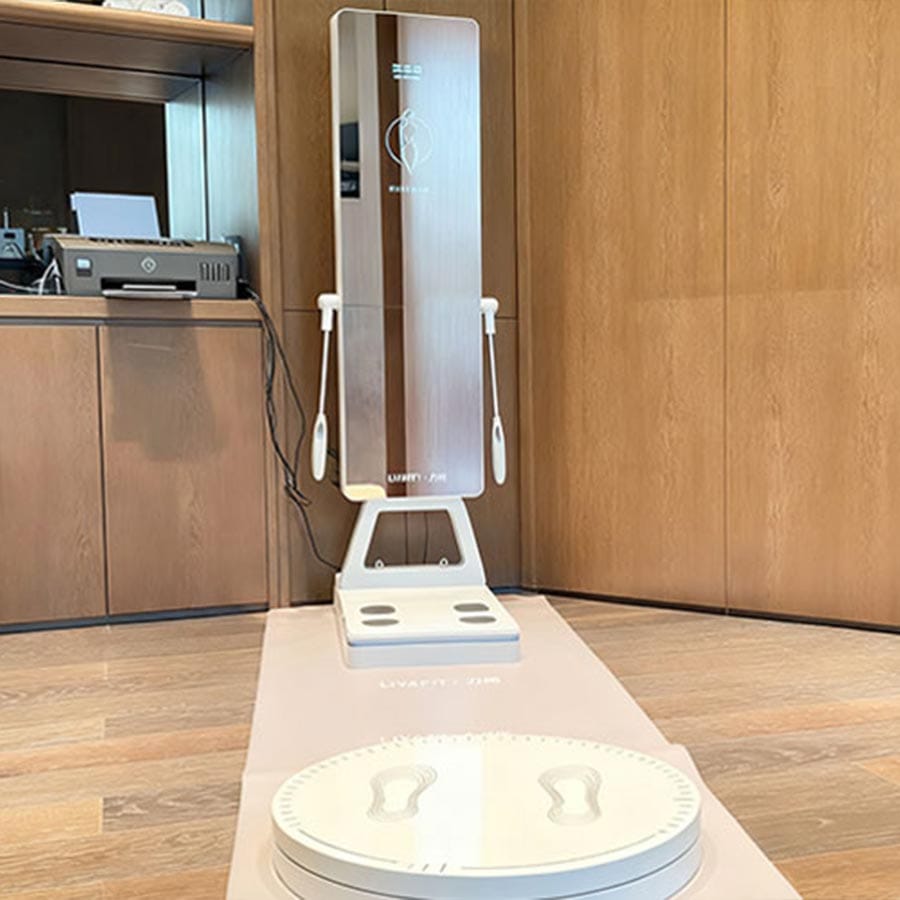
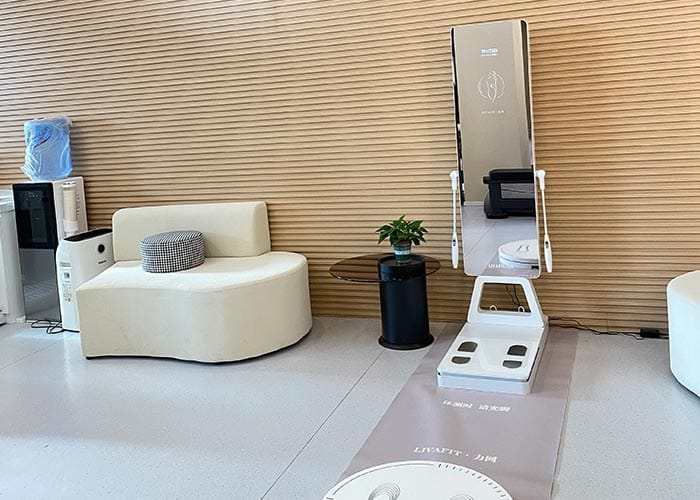
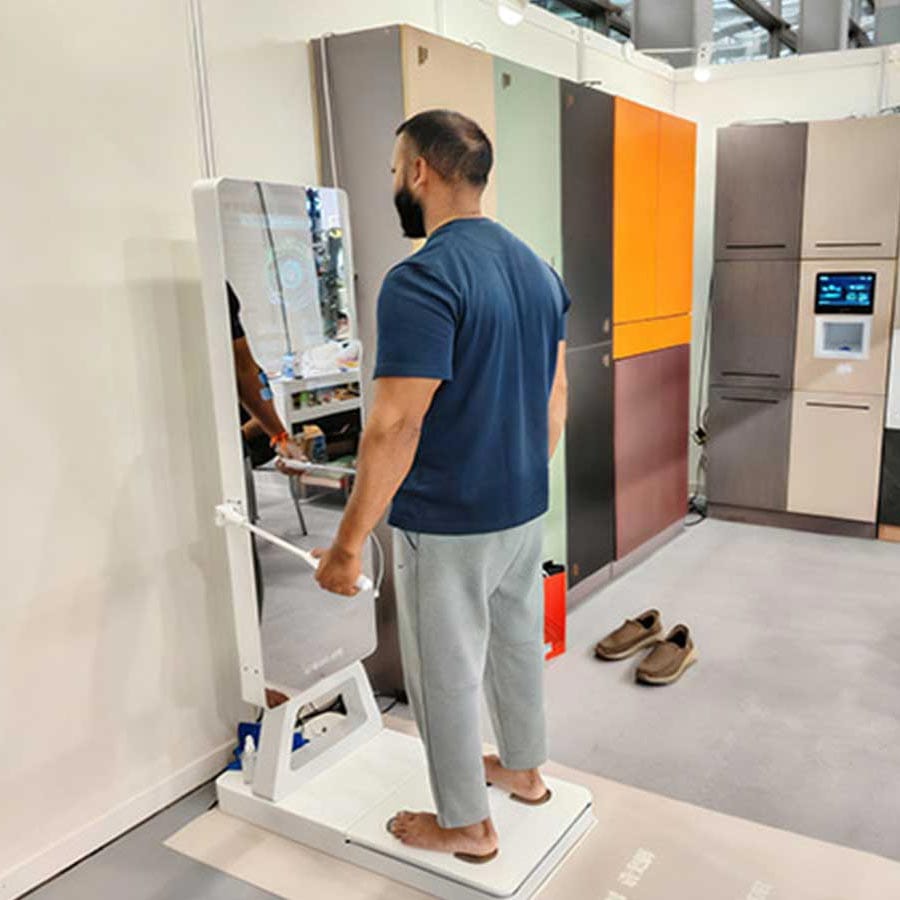
A professional body analyzer, also known as a body composition analyzer, is a sophisticated device designed to measure and analyze the various components that make up a person’s body. Unlike traditional scales that only provide body weight, modern body analyzers utilize advanced technologies like bioelectrical impedance analysis (BIA) to deliver comprehensive insights into body composition.
Professional body analyzers measure multiple key metrics including:
- Body Fat Percentage: The proportion of fat tissue relative to total body weight
- Muscle Mass: The total amount of muscle tissue throughout the body
- Body Water Content: Both intracellular and extracellular fluid levels
- Bone Mineral Content: Estimated bone mass and density
- Visceral Fat: Fat stored around internal organs, a critical health indicator
- Basal Metabolic Rate (BMR) : Calories burned at rest
- Segmental Analysis: Muscle and fat distribution in arms, legs, and trunk
These measurements provide a complete picture of a person’s physical condition, far beyond what a simple number on a scale can reveal.
The Role of Body Analyzers in Modern Gyms
Today’s gym members are more educated and health-conscious than ever before. They want to understand not just how much they weigh, but what that weight consists of. Professional body analyzers have become essential tools for meeting these elevated expectations.
Gyms leverage body analyzer technology to enhance the member experience in several ways:
- Data-Driven Onboarding: New members receive a comprehensive baseline assessment, allowing trainers to develop personalized programs from day one
- Objective Progress Tracking: Members can see tangible evidence of their improvements, even when the bathroom scale doesn’t move
- Enhanced Coaching Conversations: Trainers have concrete data to guide discussions about training adjustments and goal setting
- Increased Member Engagement: Regular testing creates natural checkpoints that keep members motivated and accountable
The integration of body analysis into gym operations represents a shift from general fitness guidance to precision wellness programming, where every recommendation is backed by measurable data.
Key Benefits of Using Body Analyzers in Gyms
The investment in professional body analyzer equipment delivers returns across multiple dimensions of gym operations. Here are the most significant advantages:
Precise Tracking of Member Body Composition Changes
One of the most powerful benefits of professional body analyzers is their ability to detect subtle changes in body composition over time. Members often experience frustration when their weight remains stagnant despite consistent exercise and proper nutrition. However, body analyzers frequently reveal that these same individuals are simultaneously building muscle and losing fat—a transformation that weight alone cannot capture.
For example, a member might maintain the same weight over three months while decreasing body fat by 3% and increasing muscle mass by 2 kg. Without body analysis, this person might feel discouraged and abandon their fitness journey. With body composition tracking, they see clear evidence of progress and stay motivated.
Enhanced Member Engagement and Retention Rates
Member retention remains one of the most significant challenges facing gym operators today. Professional body analyzers create multiple touchpoints that keep members engaged:
- Regular Check-ins: Scheduled body analysis sessions every 4-6 weeks provide structure to members’ fitness journeys
- Visual Progress Reports: Many modern devices generate graphical reports showing trends over time, making progress immediately apparent
- Goal Achievement Celebrations: Reaching body composition milestones becomes cause for celebration and renewed commitment
Gyms that have implemented comprehensive body analysis programs report retention rates 20-30% higher than facilities without such programs. The data shows that members who regularly track their body composition are significantly more likely to maintain their memberships long-term.
Personalized Training and Nutrition Programming
Generic workout plans and diet advice are increasingly ineffective in today’s personalized fitness landscape. Body analyzers provide the detailed information trainers need to create truly individualized programs:
- Targeted Muscle Development: Segmental analysis reveals muscle imbalances between left and right sides or upper and lower body, allowing for corrective programming
- Metabolic Precision: BMR measurements enable accurate calorie recommendations for weight loss, maintenance, or muscle gain
- Hydration Optimization: Body water analysis helps members understand optimal hydration levels for performance and recovery
- Health Risk Identification: Visceral fat measurements alert trainers and members to potential health concerns before they become serious problems
This level of personalization not only delivers better results for members but also positions trainers as highly knowledgeable professionals, justifying premium service fees.
Strengthened Professional Brand Image
In an increasingly competitive fitness market, differentiation is crucial. Gyms equipped with professional body analyzers immediately signal their commitment to science-based training and member success. This investment communicates several positive messages to prospective and current members:
- We invest in your success: The presence of advanced equipment demonstrates that the facility prioritizes member outcomes over cutting costs
- We take fitness seriously: Professional body analysis elevates the gym from a simple workout space to a comprehensive wellness center
- We have expert staff: Only properly trained professionals can effectively interpret and act on body composition data
This enhanced reputation can justify premium pricing, attract more qualified leads, and reduce the emphasis on competing solely on membership fees.
Features to Look for in a Professional Body Analyzer
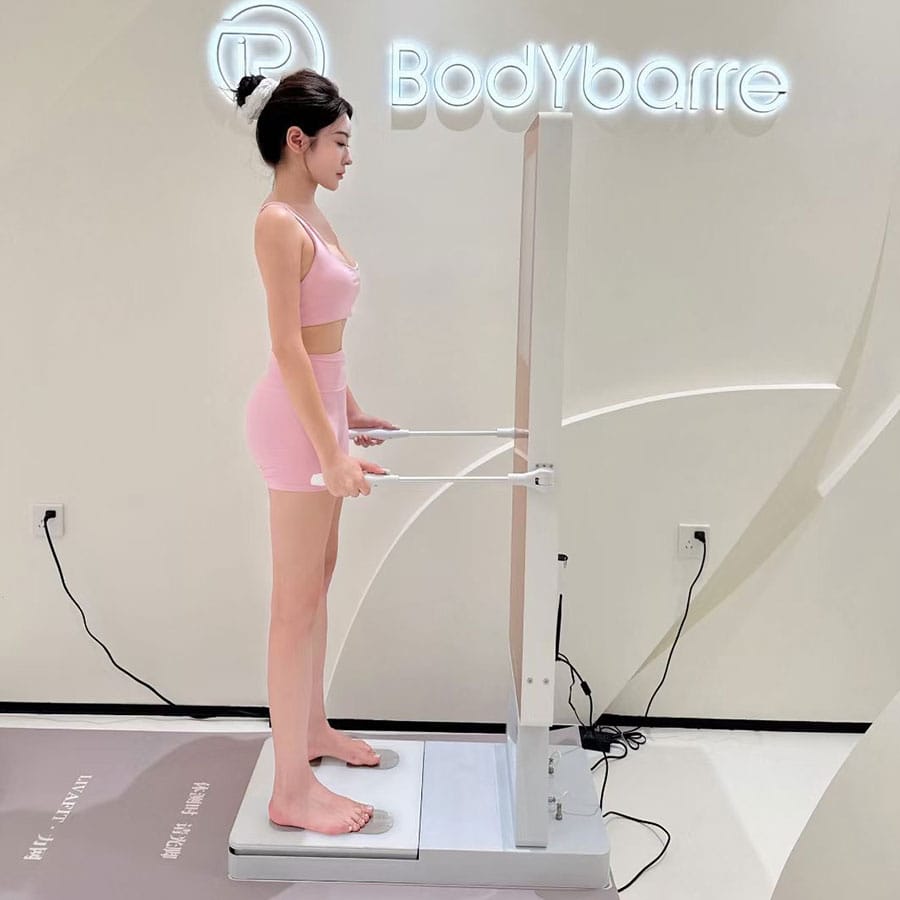
Not all body analyzers are created equal. When selecting equipment for your gym, several key features distinguish professional-grade devices from consumer models:
Measurement Accuracy and Data Reliability
Accuracy is paramount when making training and nutrition recommendations based on body composition data. Professional body analyzers should demonstrate:
- Multi-frequency Technology: Devices using multiple frequencies provide more accurate measurements by analyzing both intracellular and extracellular water
- Validation Studies: Look for equipment backed by independent research comparing results to gold-standard methods like DEXA scans
- Consistent Results: Professional devices should deliver repeatable measurements within 1-2% across multiple tests under similar conditions
- Large Sample Databases: Comprehensive reference populations ensure accurate readings across diverse body types, ages, and fitness levels
The difference between professional and consumer-grade accuracy can be substantial. While home smart scales may have margins of error of 5-10% or higher, professional analyzers typically achieve accuracy within 1-3%, making them suitable for commercial applications.
Multi-User Management and Historical Data Storage
In a busy gym environment, efficient data management is essential. Professional body analyzers should offer:
- Unlimited User Profiles: The ability to store and manage hundreds or thousands of member records
- Cloud-Based Storage: Secure cloud platforms enable data access from multiple devices and locations
- Trend Analysis: Automatic generation of progress charts and reports showing changes over time
- Export Capabilities: Options to export data in various formats for integration with other software systems
- Privacy Compliance: Robust security features to protect sensitive health information
These features transform the body analyzer from a simple measurement tool into a comprehensive member management system that supports long-term engagement.
Wireless and Mobile App Integration
Modern gym operations demand connectivity and accessibility. Leading body analyzers now offer:
- Bluetooth and Wi-Fi Connectivity: Wireless data transfer eliminates manual data entry and reduces errors
- Companion Mobile Apps: Member-facing apps that allow individuals to access their results, track progress, and receive notifications
- API Integration: Programming interfaces that enable connection with gym management software, CRMs, and wellness platforms
- Remote Monitoring: The ability for trainers to review member data and provide feedback between in-person sessions
This connectivity creates a seamless experience for members while providing trainers with valuable insights between formal consultation sessions.
Fast Testing and User-Friendly Interface
In a commercial gym setting, throughput and ease of use directly impact profitability and member satisfaction. Key usability features include:
- Quick Measurement Times: Professional devices should complete comprehensive analysis in 60 seconds or less
- Intuitive Touchscreens: Clear, responsive displays with straightforward navigation
- Voice and Visual Guidance: Built-in instructions that guide users through the testing process without constant staff supervision
- Automated Height and Weight Measurement: Integrated stadiometers and scales streamline the testing process
- Multiple Language Support: Essential for gyms serving diverse member populations
These features reduce staff workload while improving the member experience through faster, more convenient testing.
Optional Advanced Features
As body analyzer technology continues evolving, manufacturers are incorporating increasingly sophisticated capabilities:
AI-Powered Analysis and Training Recommendations
Artificial intelligence algorithms can analyze body composition data alongside fitness goals to generate personalized training and nutrition recommendations. These systems can:
- Identify patterns in member data that human analysts might miss
- Predict plateaus before they occur and suggest interventions
- Automatically adjust recommendations based on progress tracking
- Provide explanations in accessible language that members can easily understand
Integration with Fitness Equipment and Wearable Devices
The most advanced body analyzers can communicate with other gym technology:
- Heart rate monitors and fitness trackers for comprehensive health data
- Smart gym equipment that adjusts resistance based on body composition goals
- Nutrition apps that sync with metabolic rate measurements
- Telehealth platforms for remote coaching and consultations
This integrated approach creates a complete ecosystem of connected wellness technology that enhances every aspect of the member experience.
Comparing Professional Body Analyzers vs Consumer Models
The market offers a wide range of body composition measurement devices, from inexpensive smart scales to sophisticated professional analyzers. Understanding the key differences helps gym owners make informed investment decisions.
Accuracy and Precision Differences
The most significant distinction between professional and consumer body analyzers lies in measurement accuracy and consistency:
| Feature | Professional Body Analyzers | Consumer Smart Scales |
|---|---|---|
| Technology | Multi-frequency BIA, 8-point electrode systems | Single-frequency BIA, 4-point electrodes |
| Accuracy Range | ±1-3% | ±3-8% (potentially higher) |
| Segmental Analysis | Yes – detailed breakdown of arms, legs, trunk | Usually no |
| Visceral Fat Measurement | Direct measurement capability | Estimated algorithm |
| Hydration Sensitivity | Less affected by daily fluctuations | Highly sensitive to hydration changes |
| Calibration Requirements | Professional calibration protocols | Self-calibration (less precise) |
Professional devices achieve superior accuracy through several technological advantages:
- Multiple Measurement Frequencies: By using different frequencies, professional analyzers can separate intracellular and extracellular water, providing more accurate readings of muscle and fat content
- Eight-Point Electrode Systems: Hand and foot electrodes create multiple measurement paths, enabling true whole-body and segmental analysis
- Advanced Algorithms: Sophisticated proprietary algorithms account for factors like age, gender, ethnicity, and fitness level
- Clinical Validation: Professional equipment undergoes rigorous testing against gold-standard measurement methods
Functionality and Data Reporting Differences
Consumer smart scales and professional body analyzers serve different purposes and offer vastly different capabilities:
Consumer Models typically provide:
- Basic metrics: weight, body fat percentage, muscle mass estimate, BMI
- Simple app integration for tracking trends
- Limited historical data storage
- Basic goal setting features
Professional Analyzers deliver:
- Comprehensive metric suites including visceral fat, segmental analysis, phase angle, and body water distribution
- Detailed multi-page reports with visual representations of data
- Unlimited historical data storage with sophisticated trend analysis
- Comparison against normative data and health risk assessments
- Export capabilities for integration with electronic health records
Which Metrics Are Most Suitable for Gym Environments?
While consumer devices can be useful for home tracking, gyms require more sophisticated measurements to support professional training services:
- Segmental Muscle Analysis: Essential for identifying muscle imbalances and designing corrective exercise programs
- Visceral Fat Assessment: Critical for health risk evaluation and monitoring progress in weight loss programs
- Phase Angle Measurement: Provides insights into cellular health and recovery status, valuable for athletic populations
- Body Water Distribution: Helps optimize hydration strategies and detect fluid retention issues
- Skeletal Muscle Mass Index: Important for assessing sarcopenia risk in older members and guiding strength training programs
These advanced measurements enable trainers to provide sophisticated, personalized programming that justifies premium service fees and delivers superior results.
Case Study Examples
MetroFit Gym Chain: After implementing professional body analyzers across 12 locations, MetroFit saw a 27% increase in personal training revenue and a 22% improvement in member retention over 18 months. Members cited the detailed body composition tracking as a key factor in their continued engagement.
Elite Performance Training Center: This specialized facility targeting competitive athletes used segmental analysis from professional body analyzers to identify muscle imbalances in 78% of new clients. Corrective programs based on this data reduced injury rates by 34% during the first year of implementation.
Community Wellness Center: A mid-sized community gym introduced body composition testing as part of its senior fitness program. Over two years, participation in the program tripled, and participants demonstrated significant improvements in functional measures like gait speed and chair stand tests, correlating with increased muscle mass measured by the body analyzer.
These real-world examples demonstrate how professional body analysis equipment transforms gym operations and member outcomes across diverse facility types.
How Body Analyzers Enhance Fitness Programs
The true value of professional body analyzers emerges when their data is systematically integrated into fitness programming and member management strategies.
Guiding Training Intensity Through Muscle Mass and Fat Ratios
Body composition data provides the objective foundation for periodized training programs that effectively balance challenge and recovery:
Muscle-Focused Training Phases
When body analysis reveals that a member has achieved their target muscle mass goals but still carries excess body fat, trainers can shift programming emphasis to:
- Increased cardiovascular training to enhance fat oxidation
- Higher repetition ranges with shorter rest periods to maintain muscle while promoting fat loss
- Circuit-style training to maximize caloric expenditure
- Nutritional strategies focused on moderate caloric deficit with high protein intake
Fat Loss Phases
For members with elevated body fat percentages but adequate muscle mass, programs might emphasize:
- Progressive resistance training to preserve lean tissue during caloric deficit
- Moderate-intensity steady-state cardio for efficient fat burning
- High-intensity interval training for metabolic conditioning
- Careful monitoring to ensure fat loss comes from adipose tissue rather than muscle
Recomposition Phases
When simultaneous muscle gain and fat loss are desired, body analyzers provide the feedback necessary to fine-tune this challenging process:
- Small caloric surplus on training days, slight deficit on rest days
- Protein intake of 1.6-2.2g per kg of body weight
- Progressive overload in resistance training
- Regular body composition testing to ensure recomposition is occurring
Data-Management of Fat Loss and Muscle Gain Programs
The most effective transformation programs rely on systematic body composition tracking:
Weekly Check-Ins
For members actively pursuing aggressive physique goals, weekly body composition analysis provides:
- Immediate feedback on program effectiveness
- Early identification of plateaus or stalled progress
- Objective data for nutritional adjustments
- Motivation through visible progress tracking
Periodic Assessments
For general fitness members, assessments every 4-6 weeks offer:
- Meaningful progress data between major program phases
- Opportunities to celebrate achievements and renew commitment
- Data for adjusting long-term goals
- Fresh motivation through updated baseline measurements
Comprehensive Reviews
Quarterly or semi-annual deep dives into body composition trends enable:
- Long-term progress evaluation beyond short-term fluctuations
- Identification of persistent issues requiring program modifications
- Recognition of consistent effort and dedication
- Strategic planning for continued development
Tracking Progress Over Time
The power of body analysis extends far beyond single measurements—it’s in the tracking of changes over time that true value emerges:
Visual Trend Analysis
Modern body analyzers automatically generate graphs and charts showing:
- Body weight trends alongside body composition changes
- Muscle mass development over weeks and months
- Fat loss progress with visual goal tracking
- Segmental muscle balance improvements
Comparative Reporting
Side-by-side comparisons of measurements from different dates reveal:
- Total kilograms of fat lost and muscle gained
- Percentage changes in body composition metrics
- Improvements in visceral fat and health risk markers
- Progress toward specific, measurable goals
Statistical Analysis
Advanced systems provide statistical insights including:
- Rate of change in various metrics
- Predicted time to goal achievement based on current trends
- Identification of which programs produced the best results for different member types
- Correlation between training frequency/intensity and body composition changes
This longitudinal data transforms fitness from a vague pursuit of “getting in shape” to a precisely managed process with clear milestones and evidence-based adjustments.
Choosing the Right Body Analyzer for Your Gym
Selecting the optimal body analyzer requires careful consideration of your specific facility needs, member demographics, and business objectives.
Selecting Based on Gym Size and Membership Profile
Small Boutique Studios (Under 500 Members)
For intimate facilities focusing on personalized service, consider:
- Mid-range professional analyzers with essential features
- Emphasis on ease of use and quick measurement times
- Basic cloud storage for member data management
- Price range: $3,000-$7,000
Mid-Sized Commercial Gyms (500-2,000 Members)
These facilities benefit from:
- Full-featured professional analyzers with advanced metrics
- Robust multi-user management capabilities
- Integration with existing gym management software
- Higher measurement throughput capacity
- Price range: $7,000-$15,000
Large Fitness Centers and Chains (2,000+ Members)
Large operations require:
- Top-tier analyzers with maximum features and accuracy
- Enterprise-grade data management and security
- Multiple device deployments for high-volume testing
- Advanced integration capabilities and API access
- Comprehensive support and service agreements
- Price range: $15,000-$30,000+ per device
Budget and Feature Requirements Analysis
When planning your body analyzer investment, consider both immediate costs and long-term value:
Initial Investment Components
- Equipment purchase or lease costs
- Installation and setup fees
- Staff training programs
- Initial marketing and member education materials
Ongoing Operating Expenses
- Calibration and maintenance services
- Software subscription fees
- Technical support contracts
- Replacement supplies (electrodes, etc.)
Revenue Generation Potential
- Fee-based body composition testing services
- Premium program tiers including regular analysis
- Upselling personal training packages based on detailed assessments
- Corporate wellness program partnerships
ROI Calculation Framework
Calculate return on investment by considering:
- Projected increase in personal training revenue
- Improved member retention rates and associated revenue stability
- New member acquisition through differentiated services
- Enhanced reputation and premium pricing capability
Most gyms report achieving positive ROI within 12-18 months when body analyzers are effectively integrated into service offerings.
Brand and After-Sales Service Comparison
The body analyzer market includes several established manufacturers, each with distinct advantages:
InBody
- Market leader with extensive research validation
- Comprehensive product range from portable to flagship models
- Strong global support network
- Excellent integration capabilities
- Premium pricing positioning
Tanita
- Long-standing reputation in BIA technology
- Medical-grade accuracy with user-friendly interfaces
- Strong presence in both fitness and healthcare markets
- Moderate pricing with good value
- Reliable customer support
Seca
- German engineering precision
- Extensive medical device certifications
- Advanced body composition analysis algorithms
- Premium market positioning
- Excellent after-sales service
Charder
- Cost-effective professional solutions
- Good accuracy for the price point
- Growing market presence
- Basic feature set suitable for smaller facilities
When selecting a brand, consider not just the equipment itself but the totality of the partnership: training quality, support responsiveness, software ecosystem, and long-term product roadmap.
Tips from Manufacturers
Drawing on years of experience helping gyms successfully implement body analysis programs, manufacturers offer these key insights:
Ensuring Long-Term Equipment Reliability
Professional body analyzers represent significant investments, and maximizing their lifespan requires attention to several factors:
- Regular Calibration: Schedule professional calibration at manufacturer-recommended intervals, typically annually for heavy-use environments
- Environmental Control: Maintain stable temperature and humidity in the testing area, as extreme conditions can affect measurement accuracy
- Proper Cleaning: Follow manufacturer guidelines for electrode and surface cleaning to prevent buildup that impacts conductivity
- Firmware Updates: Install updates promptly to maintain optimal performance and access new features
- Quality Supplies: Use only manufacturer-approved electrodes and replacement parts
The Critical Importance of Staff and Member Training
The most sophisticated body analyzer delivers limited value without proper education:
Staff Training Requirements
- Comprehensive initial training on measurement protocols and data interpretation
- Regular refreshers on new features and best practices
- Certification programs for advanced analysis capabilities
- Ongoing access to manufacturer technical support resources
Member Education Strategies
- Develop clear, accessible explanations of what various metrics mean
- Create visual guides showing optimal ranges for different fitness goals
- Provide context for understanding day-to-day measurement variations
- Offer educational workshops on body composition and fitness
- Develop FAQ materials addressing common member questions
Best Practices for Implementation
Manufacturers consistently find that successful gyms follow these implementation strategies:
- Start with a Pilot Program: Test body analysis workflows with a small member group before full rollout
- Integrate with Existing Services: Make body analysis a natural part of onboarding, progress reviews, and program transitions
- Create Member Value: Position body analysis as a benefit included with membership or training packages rather than an upsell
- Develop Standard Operating Procedures: Ensure consistent testing protocols regardless of which staff member conducts assessments
- Gather and Act on Feedback: Regularly survey members and staff about their experience with the equipment and processes
Following these manufacturer-recommended practices dramatically increases the likelihood of successful body analyzer implementation and long-term value realization.
Maintenance and Accuracy Considerations
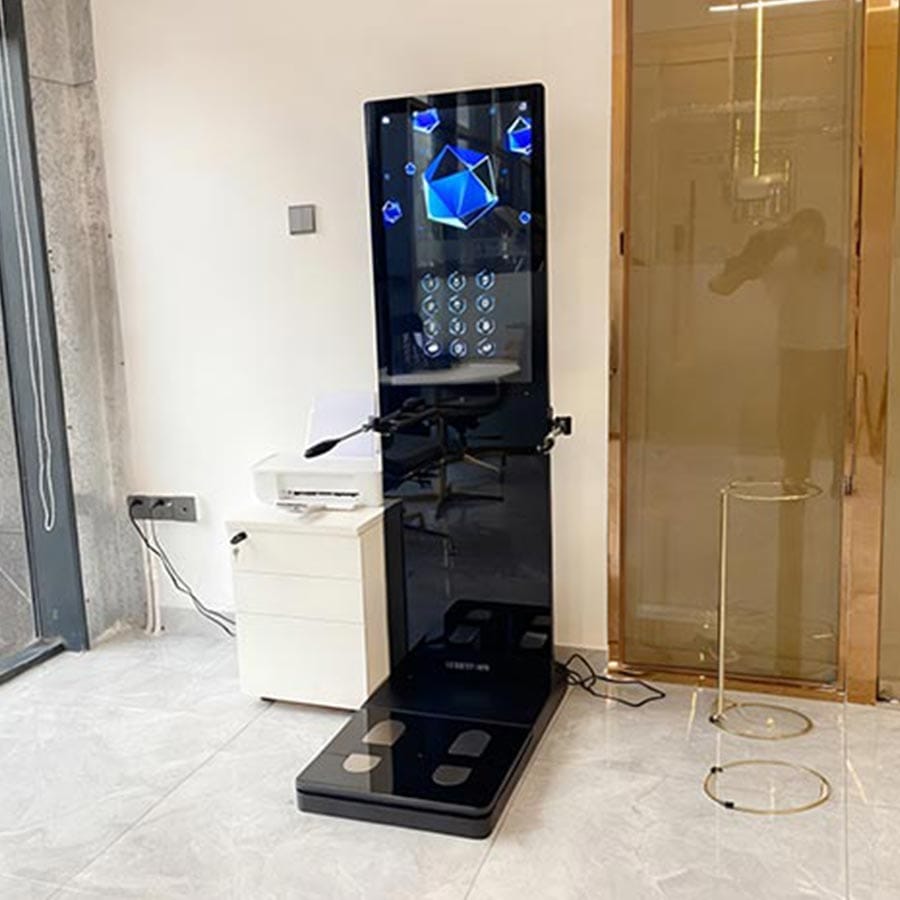
Professional body analyzers are precision instruments that require proper maintenance to deliver consistent, accurate results over their operational lifespan.
The Critical Importance of Regular Equipment Calibration
Calibration ensures that body analyzers continue to provide measurements within their specified accuracy ranges. Without proper calibration, even the most sophisticated device can deliver misleading results that undermine program effectiveness and member trust.
Calibration Frequency Guidelines
- Heavy-Use Facilities (50+ tests daily): Professional calibration every 3-6 months
- Moderate-Use Facilities (10-50 tests daily): Professional calibration every 6-12 months
- Light-Use Facilities (under 10 tests daily): Professional calibration every 12 months
Additional calibration may be required if:
- The device is moved to a new location
- Significant environmental changes occur in the testing area
- Measurement results show unusual patterns or inconsistencies
- The device experiences any physical impact or damage
Signs Your Equipment Needs Calibration
Watch for these warning signs that calibration may be overdue:
- Unexpected variations in measurements for the same individual under similar conditions
- Consistent deviations from expected norms across multiple users
- Difficulty achieving stable readings
- Error messages or unusual behavior during testing
Professional calibration should always be performed by certified technicians using manufacturer-approved procedures and equipment.
Environmental Factors Affecting Measurement Precision
Several environmental conditions can influence body analyzer accuracy:
Temperature and Humidity
- Optimal Range: Most manufacturers specify 20-25°C (68-77°F) with 40-60% relative humidity
- Temperature Effects: Extreme temperatures can affect electrode conductivity and device electronics
- Humidity Impact: High humidity can alter skin impedance, potentially affecting BIA measurements
Electrical Interference
- Position devices away from large electrical equipment
- Use dedicated circuits when possible
- Avoid areas with significant electromagnetic interference
- Ensure proper grounding according to manufacturer specifications
Floor Stability and Surface
- Install devices on level, stable flooring
- Avoid carpeted areas that can cause slight movement during testing
- Ensure adequate space around the device for safe access
- Consider vibration isolation in high-traffic areas
Lighting Conditions
- Ensure adequate lighting for touchscreen visibility
- Position to minimize direct sunlight that could affect temperature
- Consider ambient light levels for member comfort during testing
Creating an optimal testing environment maximizes measurement accuracy and ensures consistent results over time.
Ensuring Long-Term Device Reliability
Beyond calibration and environmental control, several practices help maximize body analyzer lifespan and performance:
Preventive Maintenance Schedule
- Daily: Visual inspection, surface cleaning, basic functionality check
- Weekly: Detailed cleaning of electrodes and contact surfaces
- Monthly: Verification of software operation and data backup systems
- Quarterly: Review of measurement consistency and trend analysis
- Annually: Professional calibration and comprehensive servicing
Software and Data Management
- Maintain current software versions with security updates
- Regularly backup member data to prevent loss
- Monitor storage capacity and upgrade as needed
- Test backup and recovery procedures periodically
Quality Assurance Protocols
- Implement standard operating procedures for consistent testing
- Train all staff on proper measurement techniques
- Use control subjects periodically to verify equipment accuracy
- Document all maintenance activities and calibration results
- Establish procedures for addressing measurement discrepancies
Following these maintenance best practices ensures that your body analyzer investment continues to deliver value throughout its operational life, typically 5-7 years for professional-grade equipment.
Future Trends in Professional Body Analysis
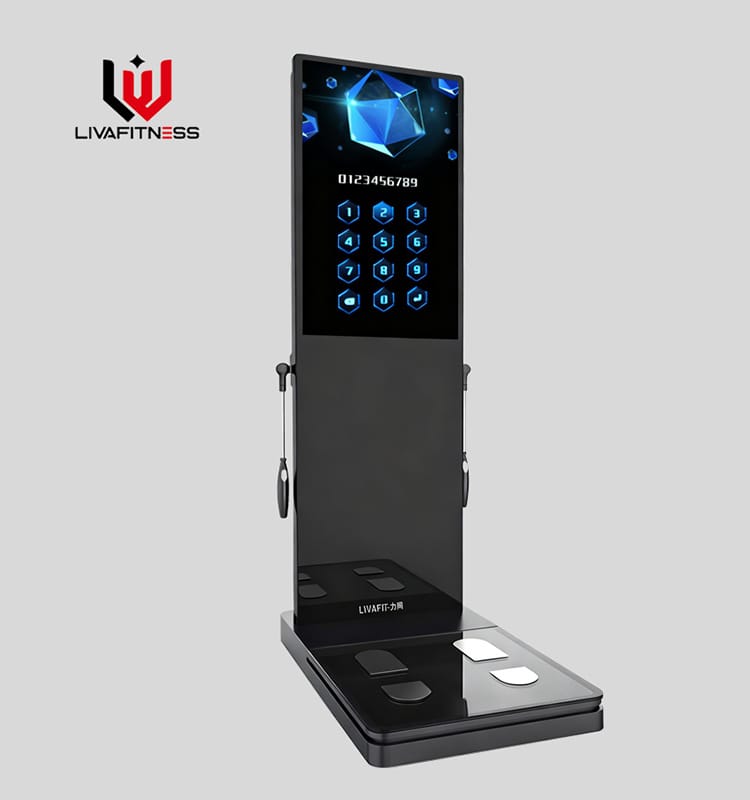
The field of body composition analysis continues to evolve rapidly, with emerging technologies promising even greater capabilities for gym operators and their members.
Artificial Intelligence and Advanced Analytics Integration
AI is transforming how body composition data is collected, analyzed, and applied:
Predictive Analytics
Machine learning algorithms can now:
- Predict individual responses to different training and nutrition approaches
- Identify optimal program modifications before plateaus occur
- Forecast time to goal achievement based on historical data
- Recognize patterns that human analysts might miss
Automated Program Generation
AI systems can:
- Generate personalized training programs based on body composition data
- Automatically adjust recommendations as members progress
- Integrate data from multiple sources (wearables, gym equipment, nutrition apps)
- Provide explanations for recommendations in accessible language
Anomaly Detection
Advanced algorithms can:
- Flag unusual measurements that may indicate health concerns
- Identify measurement inconsistencies requiring follow-up
- Detect early signs of overtraining or inadequate recovery
- Alert staff to members who may need additional support
These AI capabilities don’t replace human expertise but rather enhance it by processing vast amounts of data and surfacing insights that inform better decision-making.
Remote Data Synchronization and Personalized Member Reporting
The future of body analysis extends far beyond the gym floor:
Continuous Monitoring Integration
Emerging technologies will enable:
- Passive body composition estimation through wearable devices
- Integration with smart home environments for regular measurements
- Continuous data streams that provide more nuanced insights
- Reduced dependency on formal testing sessions
Personalized Member Portals
Advanced reporting systems will offer:
- Customized dashboards showing progress toward individual goals
- Educational content tailored to specific body composition findings
- Social features for sharing progress with trainers and support communities
- Integration with nutrition and lifestyle tracking applications
Telehealth and Remote Coaching
Body analysis data will increasingly support:
- Remote fitness coaching with objective progress tracking
- Virtual personal training with data-driven program adjustments
- Corporate wellness programs with automated reporting
- Healthcare provider integration for preventive care
These developments expand the reach of professional body analysis beyond the physical gym, creating continuous engagement opportunities that strengthen member relationships.
Evolving Industry Demand for Body Composition Equipment
Several trends are driving increased adoption of professional body analyzers:
Aging Population Fitness Focus
- Growing emphasis on healthy aging and functional fitness
- Increased demand for programs addressing sarcopenia prevention
- Focus on body composition rather than weight alone
- Integration with healthcare and preventive medicine
Personalization at Scale
- Mass customization of fitness programs
- Data-driven service delivery for large member bases
- Technology-enabled personal training at various price points
- Evidence-based fitness program design
Preventive Healthcare Integration
- Collaboration between fitness facilities and healthcare providers
- Insurance coverage for body composition analysis
- Integration with electronic health records
- Population health management initiatives
Competition and Differentiation
- Body analysis becoming a competitive necessity rather than luxury
- Premium positioning through advanced technology
- Member acquisition through sophisticated service offerings
- Corporate wellness partnerships requiring objective measurement
These trends suggest that professional body analyzer adoption will continue accelerating, with early adopters gaining significant competitive advantages in member acquisition, retention, and service quality.
Conclusion
Professional body composition analyzers have evolved from specialized medical devices to essential tools for modern fitness facilities. The investment in this technology represents a strategic decision that transforms how gyms operate, serve their members, and position themselves in an increasingly competitive market.
The Transformative Value of Professional Body Analyzers
The evidence is clear: body analyzers deliver value across multiple dimensions:
For Members
- Objective measurement of progress beyond the scale
- Personalized programming based on detailed individual data
- Increased motivation through visible evidence of improvement
- Enhanced understanding of their bodies and health
- Better long-term adherence to fitness programs
For Trainers and Staff
- Concrete data for program design and adjustment
- Enhanced credibility and perceived expertise
- More efficient coaching conversations
- Ability to demonstrate training effectiveness
- Tools for attracting and retaining coaching clients
For Gym Owners and Operators
- Improved member retention and lifetime value
- New revenue streams through premium services
- Competitive differentiation in crowded markets
- Enhanced reputation and professional positioning
- Data-driven business decisions
The cumulative impact of these benefits creates a virtuous cycle: better member results lead to higher satisfaction, which drives retention and referrals, which ultimately improves business performance.
Prioritizing Precision Measurement, Enhanced Member Experience, and Data-Driven Training
The most successful gym operators recognize that professional body analyzers are not simply measurement devices—they’re strategic assets that enable a fundamental shift in how fitness services are delivered.
Precision Measurement provides the foundation for everything else:
- Accurate baseline assessments establish starting points
- Consistent measurement protocols enable reliable progress tracking
- Advanced metrics reveal insights invisible to the naked eye
- Scientific credibility enhances trust in recommendations
Enhanced Member Experience differentiates facilities:
- Data-driven onboarding creates immediate value for new members
- Regular testing provides natural engagement touchpoints
- Visual progress reports maintain motivation between sessions
- Personalized insights demonstrate genuine care for individual success
Data-Driven Training transforms service delivery:
- Evidence-based program design replaces generic prescriptions
- Objective progress monitoring enables timely adjustments
- Systematic tracking identifies what works for different member types
- Continuous improvement becomes part of the organizational culture
This three-pronged approach—precision, experience, and data—creates sustainable competitive advantages that are difficult for competitors to replicate.
A Manufacturer’s Investment Recommendation
As a manufacturer of professional body composition analysis equipment, we’ve witnessed firsthand the transformative impact this technology can have when properly implemented. Based on our experience with thousands of gym installations worldwide, we offer these final recommendations:
Invest in Quality, Not Just Price
While consumer-grade smart scales have their place in home settings, commercial facilities require professional-grade equipment that delivers the accuracy, reliability, and advanced features necessary for business applications. The initial investment difference pays for itself many times over through improved member outcomes and business results.
Integrate Holistically
Body analyzers deliver maximum value when integrated into every aspect of gym operations—from initial member onboarding through ongoing program management to long-term member retention strategies. Treat body analysis as a core service component rather than a peripheral add-on.
Educate Comprehensively
Both staff and members need education to maximize the value of body analysis technology. Invest in thorough training programs and develop clear communication strategies that make body composition data meaningful and actionable for everyone in your facility.
Plan for the Long Term
Body analysis represents a long-term commitment to data-driven fitness excellence. Choose equipment and partners who will support your facility for years to come, with reliable products, responsive service, and ongoing innovation.
Start Today
The fitness industry continues evolving toward greater personalization, precision, and integration with broader health and wellness ecosystems. Professional body analyzers position your facility at the forefront of these trends, today and into the future.
The question isn’t whether your gym can afford to invest in professional body analysis equipment—it’s whether you can afford not to. The facilities that embrace this technology now will enjoy significant advantages in member acquisition, retention, and satisfaction for years to come.
In the data-driven future of fitness, body analyzers aren’t just an investment—they’re the foundation of a completely new way of thinking about and delivering fitness services. The time to invest is now.
FAQ
Q: How accurate are professional body analyzers compared to home smart scales?
A: Professional body analyzers typically achieve accuracy within 1-3%, while home smart scales may have margins of error of 5-10% or higher. Professional devices use multi-frequency technology and eight-point electrode systems, providing more precise measurements essential for commercial fitness environments and training program design.
Q: How often should gym members get body composition tested?
A: For members actively pursuing specific fitness goals, testing every 4-6 weeks is ideal. This timeframe allows for meaningful changes in body composition to occur while providing regular motivation and progress tracking. General fitness members can benefit from assessments every 8-12 weeks as part of their program review process.
Q: Can body analyzers detect muscle imbalances between different body parts?
A: Yes, professional body analyzers with segmental analysis capabilities can measure muscle distribution in arms, legs, and trunk separately. This allows trainers to identify left-right imbalances and upper-lower body discrepancies, enabling targeted corrective programming to improve symmetry and reduce injury risk.
Q: What factors can affect body analyzer measurement accuracy?
A: Several factors can influence measurement accuracy: hydration status, recent exercise, food consumption, time of day, and environmental conditions like temperature and humidity. For consistent results, members should test under similar conditions each time—ideally in the morning, hydrated but not over-hydrated, and after using the restroom.
Q: How quickly do gyms typically see return on investment from professional body analyzers?
A: Most gyms report achieving positive ROI within 12-18 months when body analyzers are effectively integrated into their service offerings. Revenue comes from multiple sources: increased personal training sales, improved member retention, premium program pricing, and enhanced competitive differentiation that attracts new members.