

Table of Contents
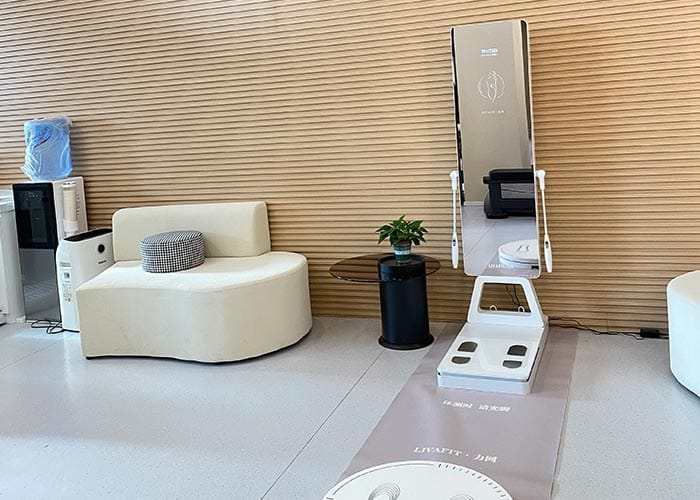
Modern fitness facilities are no longer focused only on weight loss. Today, gyms and health clubs aim to provide data-driven training and personalized health insights. This shift has made the body analyzer an essential piece of equipment in many fitness centers.
A professional body analyzer machine, also known as a body composition analyzer, provides detailed information about body fat, muscle mass, hydration levels, and metabolic health. Unlike traditional scales, these devices help trainers and members understand the real progress behind their fitness journey.
For gym owners, investing in the right body analyzer for gyms and fitness centers can improve member engagement, increase service value, and enhance the overall training experience. In this guide, we explore how body analyzer machines work, the key features to consider, and how gyms can choose the best equipment for their facilities.
Why Gyms and Fitness Centers Need a Professional Body Analyzer
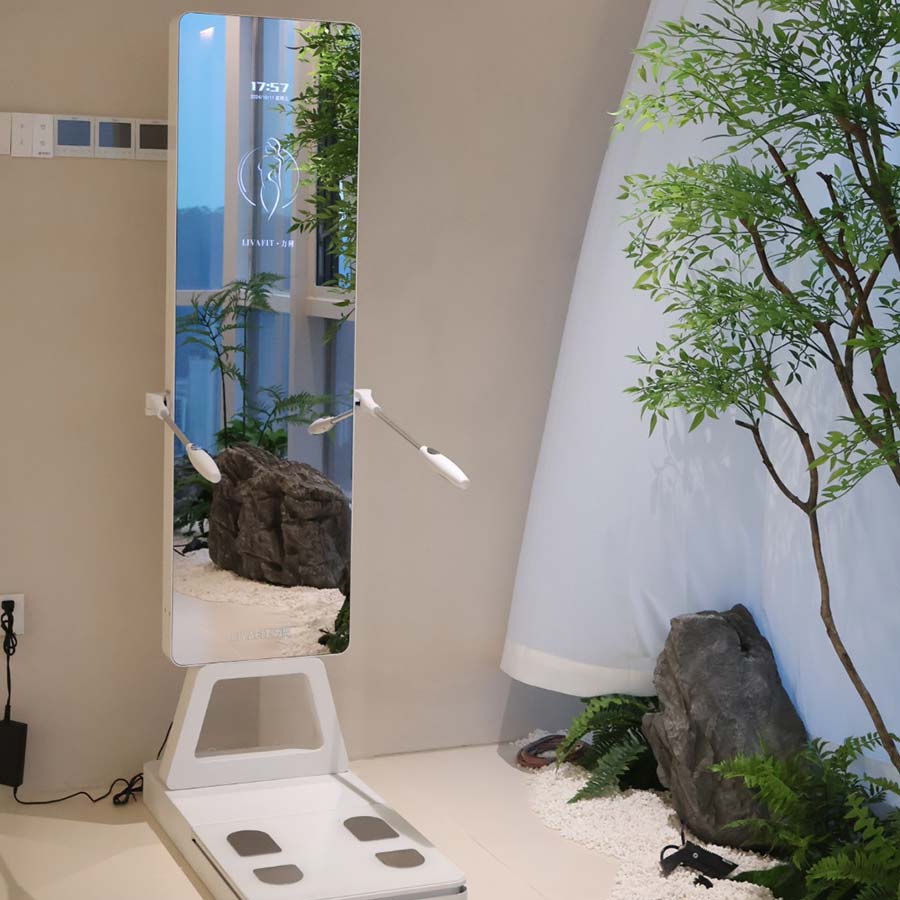
Fitness trends have evolved dramatically over the past decade. Members now expect accurate body composition tracking, not just simple weight measurements. This is where a professional body composition analyzer becomes valuable.
Traditional scales only show body weight. However, weight alone does not reveal whether a person is losing fat, gaining muscle, or experiencing water fluctuations. A body analyzer machine provides a deeper analysis by measuring multiple health indicators at once.
For gyms and fitness centers, this brings several advantages:
- Trainers can create personalized workout programs based on real data
- Members can track fat loss and muscle gain more accurately
- Fitness centers can offer professional health assessment services
- Progress reports increase member motivation and retention
Many modern gyms use body composition analysis as part of their member onboarding process, giving new clients a detailed understanding of their starting point.
What Is a Body Analyzer and How Does It Work?
A body analyzer is a device designed to measure body composition rather than just body weight. Most professional body analyzers use Bioelectrical Impedance Analysis (BIA) technology.
BIA works by sending a safe, low-level electrical signal through the body. Because different tissues—such as fat, muscle, and water—conduct electricity differently, the device can estimate body composition based on the resistance of the signal.
A professional body composition analyzer typically measures several important health indicators, including:
- Body fat percentage
- Skeletal muscle mass
- Total body water
- Visceral fat level
- Basal metabolic rate (BMR)
- Body mass index (BMI)
- Metabolic age
These measurements provide valuable insights for both trainers and members. For example, someone might maintain the same body weight while significantly increasing muscle mass and reducing body fat. Without a body analyzer machine, this progress would be difficult to detect.
Key Features to Look for in a Body Analyzer Machine for Gyms
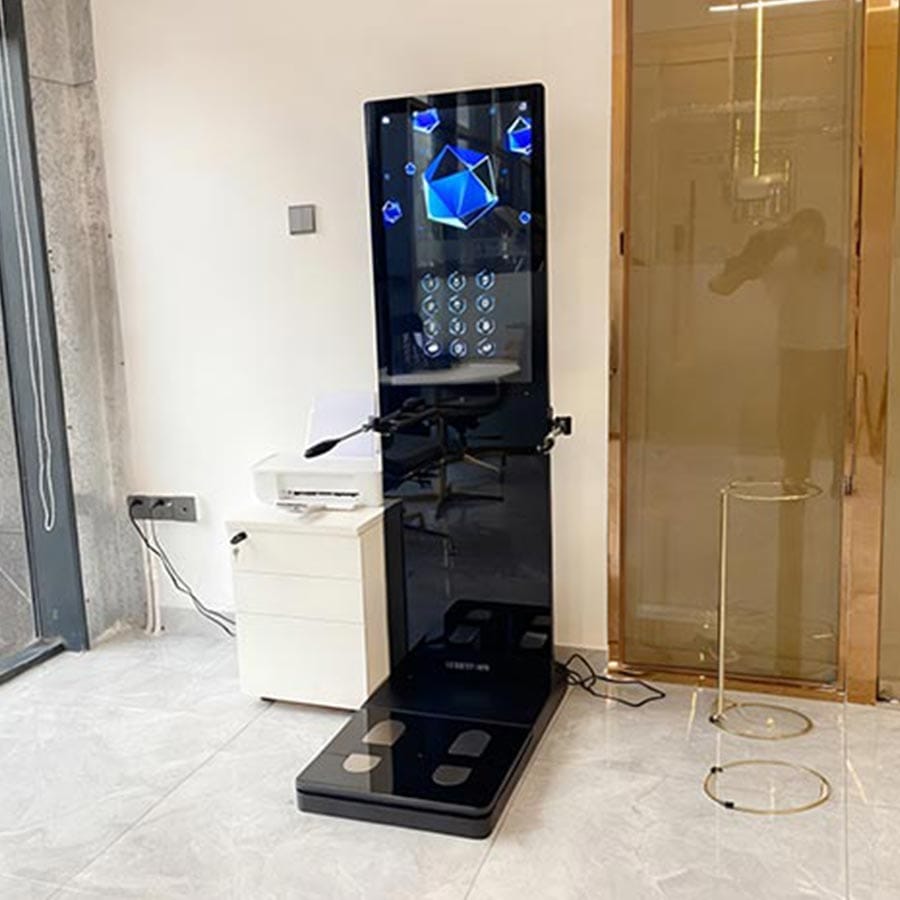
Not all body analyzers are designed for commercial fitness environments. When selecting a body analyzer for gyms, it is important to consider several key features.
Measurement Accuracy
Accuracy is the most important factor. Professional body composition analyzers often use multi-frequency BIA technology, which improves the precision of body fat and muscle measurements.
User-Friendly Interface
Gym staff and members should be able to operate the device easily. Touchscreen displays, guided measurement steps, and clear result reports improve usability.
Data Management
Many modern body analyzer machines support cloud storage or mobile app integration. This allows trainers to track member progress over time and generate reports.
Durability for Commercial Use
Fitness centers experience high daily usage. A commercial-grade body analyzer should be durable, stable, and designed for frequent measurements.
Integration with Fitness Programs
Some advanced body analyzers connect with fitness management software, enabling trainers to build customized workout and nutrition plans.
Benefits of Using Body Analyzer Machines in Fitness Centers
Introducing a body analyzer machine into a gym environment can significantly improve the quality of services offered.
First, it enhances member motivation. When people see measurable improvements in body fat percentage or muscle mass, they are more likely to stay committed to their training.
Second, trainers can create personalized fitness plans based on accurate body composition data. This allows for more effective training programs and better results.
Third, body analyzers enable gyms to provide professional fitness assessments. Many facilities offer body composition testing as a premium service, generating additional revenue.
Finally, detailed body analysis helps members understand the difference between healthy weight loss and unhealthy muscle loss, promoting safer fitness practices.
Types of Body Analyzer Machines Used in Gyms
Different gyms may require different types of body composition analysis equipment. The most common types include:
- Stand-on body analyzers – Members stand barefoot on electrode plates while the device measures body composition.
- Hand-to-foot body analyzers – These devices use both hand and foot sensors for more comprehensive measurements.
- Portable body analyzer devices – Lightweight units designed for mobile trainers or small studios.
- Medical-grade body analyzers – High-precision systems often used in clinics, rehabilitation centers, and advanced fitness labs.
Professional gyms often choose multi-segment body composition analyzers, which measure different body regions separately for improved accuracy.
How to Choose the Best Body Analyzer for Your Fitness Facility
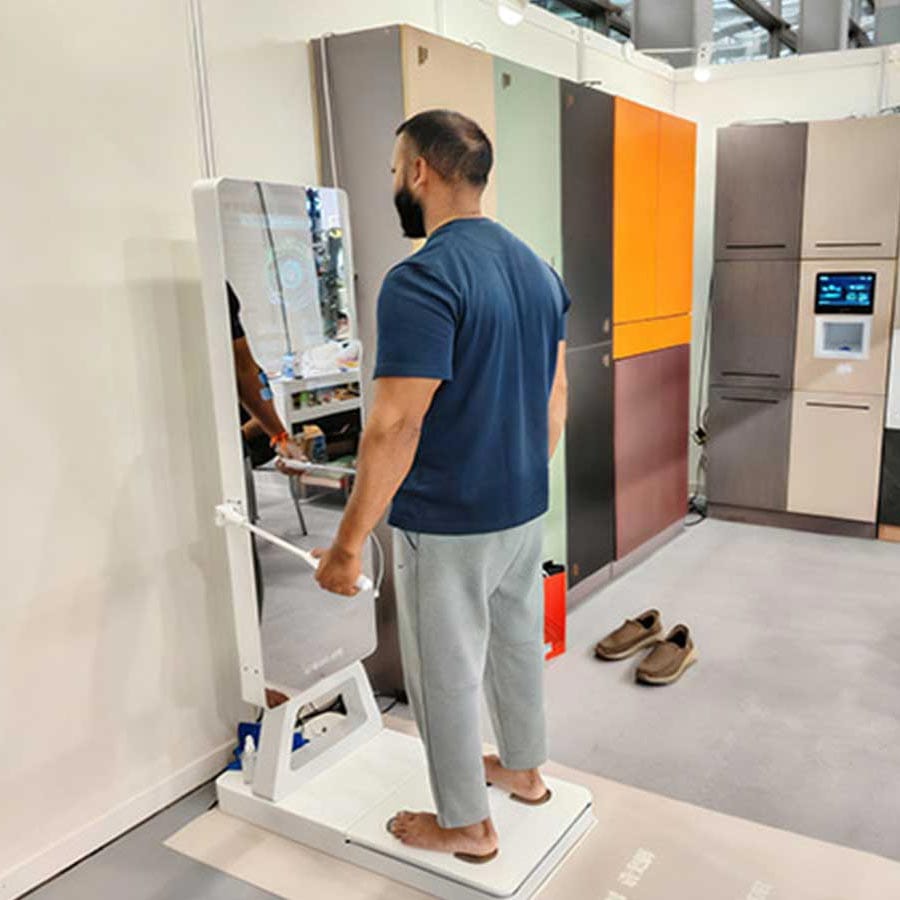
Choosing the right body analyzer machine for gyms depends on several factors.
Gym Size and Member Volume
Large fitness centers may require high-capacity devices capable of handling many measurements per day.
Measurement Technology
Advanced bioelectrical impedance body analyzers with multi-frequency technology typically offer more reliable results.
Budget and Return on Investment
While professional body analyzers require an initial investment, they can generate revenue through fitness assessments, training programs, and wellness services.
Ease of Maintenance
Reliable manufacturers design body analyzer machines with durable sensors and easy calibration processes to ensure long-term performance.
Why Accuracy Matters in Body Composition Analysis
Accuracy is essential when using a body composition analyzer in a professional fitness environment. Inaccurate data can lead to misleading training recommendations and reduce member trust.
Several factors influence measurement accuracy:
- Hydration levels
- Time of measurement
- Recent exercise activity
- Sensor quality
- Measurement technology
Professional-grade body analyzer machines use advanced sensors and algorithms to reduce these variations and deliver consistent results.
Body Analyzer Machines vs Traditional Fitness Assessment Methods
Traditional fitness assessments often rely on basic measurements. However, modern gyms are increasingly adopting body composition analyzers for more detailed insights.
| Assessment Method | What It Measures | Limitations | Advantages of Body Analyzer |
|---|---|---|---|
| Traditional Scale | Body weight | Cannot distinguish fat and muscle | Body composition analysis |
| BMI Calculation | Weight vs height ratio | Does not reflect body fat percentage | More accurate health insights |
| Skinfold Test | Subcutaneous fat | Requires trained technician | Quick automated measurement |
| Smart Scale | Basic body metrics | Limited accuracy | Professional-grade analysis |
Compared to these methods, a professional body analyzer machine offers a more comprehensive view of physical health.
How Manufacturers Ensure High-Quality Body Analyzer Machines
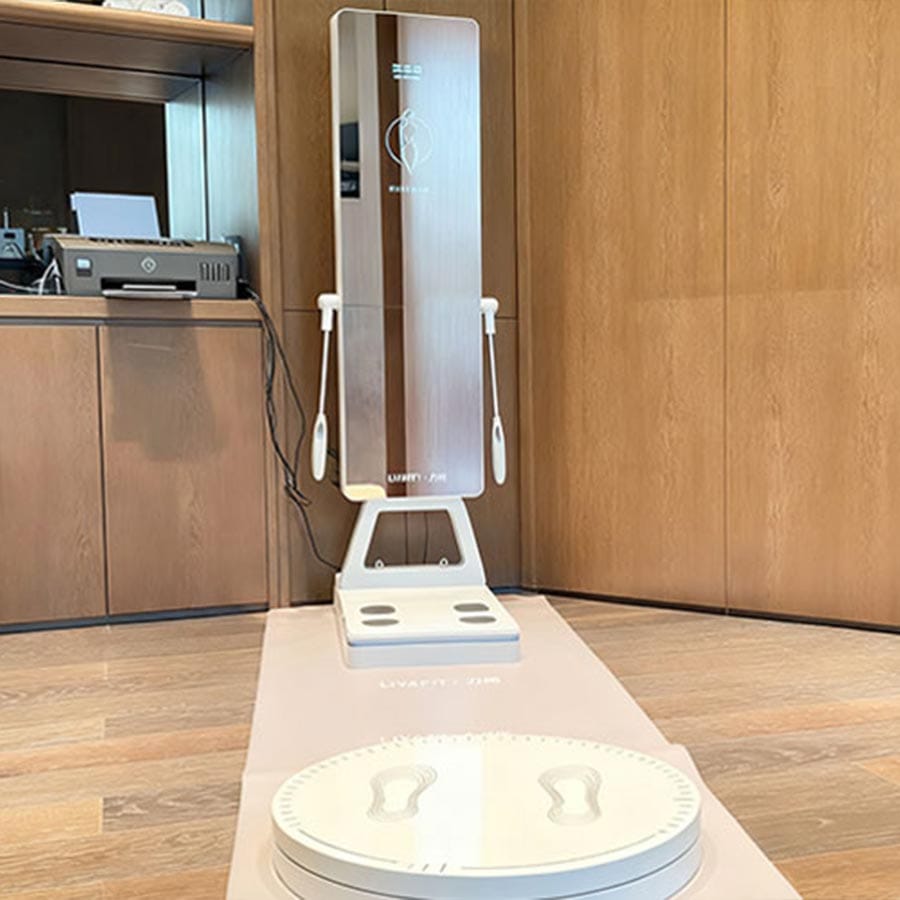
As a body analyzer manufacturer, ensuring product quality is essential for delivering reliable body composition analysis equipment.
High-quality body analyzers are developed through a combination of advanced engineering, precision manufacturing, and rigorous quality control.
Key factors that manufacturers focus on include:
- Advanced sensor technology for accurate measurements
- Reliable electrode design for stable signal transmission
- Continuous software optimization for improved analysis algorithms
- Strict quality testing and calibration procedures
Experienced manufacturers also invest heavily in research and development to improve measurement accuracy and introduce new features such as cloud data integration and mobile app connectivity.
For gyms and wellness facilities, choosing a trusted body analyzer supplier ensures that the equipment remains accurate, durable, and easy to maintain over time.
Conclusion
The modern fitness industry increasingly relies on body composition analysis to deliver personalized training and measurable results. A professional body analyzer allows gyms and fitness centers to go beyond simple weight tracking and provide members with deeper insights into their health and fitness progress.
By measuring body fat, muscle mass, hydration levels, and metabolic indicators, a body analyzer machine helps trainers design more effective workout plans while motivating members through clear progress tracking.
For gym owners, selecting a high-quality body composition analyzer from a reliable manufacturer ensures accurate measurements, durable performance, and long-term value. As fitness technology continues to evolve, body analyzers will remain a key tool for improving member experience, enhancing training programs, and supporting modern health management in gyms and fitness centers.
FAQ
1. What is a body analyzer and what does it measure?
A body analyzer is a device that measures body composition rather than just body weight. It typically analyzes metrics such as body fat percentage, skeletal muscle mass, body water, visceral fat, BMI, and metabolic rate, helping users better understand their overall health and fitness condition.
2. How accurate is a body analyzer for body composition analysis?
Professional body analyzer machines that use advanced bioelectrical impedance analysis (BIA) technology can provide highly reliable measurements when used correctly. Accuracy can be influenced by factors such as hydration levels, measurement timing, and device quality.
3. Why do gyms and fitness centers use body analyzer machines?
Gyms use body composition analyzers to provide members with detailed health assessments. These devices help trainers track fat loss, muscle gain, and overall progress, making it easier to design personalized fitness programs and improve member motivation.
4. What is the difference between a body analyzer and a regular scale?
A regular scale only measures body weight, while a body analyzer machine evaluates multiple body composition metrics such as fat percentage, muscle mass, and water content. This provides a more complete picture of a person’s physical health.
5. How often should someone use a body analyzer?
Most fitness professionals recommend using a body analyzer once every one to two weeks to track body composition changes. Regular measurements allow users and trainers to monitor progress and adjust training or nutrition plans accordingly.