

Table of Contents
In the world of health and fitness, you can weigh yourself every day—and still miss the real story about your health. That’s because traditional weight metrics such as Body Mass Index (BMI) do not accurately reflect your body’s internal makeup. To truly understand your physique and tailor optimal health strategies, you need to dive deeper into something called body composition.
This comprehensive article will help you, whether you’re a fitness professional, gym owner, or someone serious about optimizing health, to understand why body composition analyzers are indispensable tools—and what it takes to source the right technology from a body composition analyzer manufacturer with confidence.
What Is Body Composition—and Why It Matters
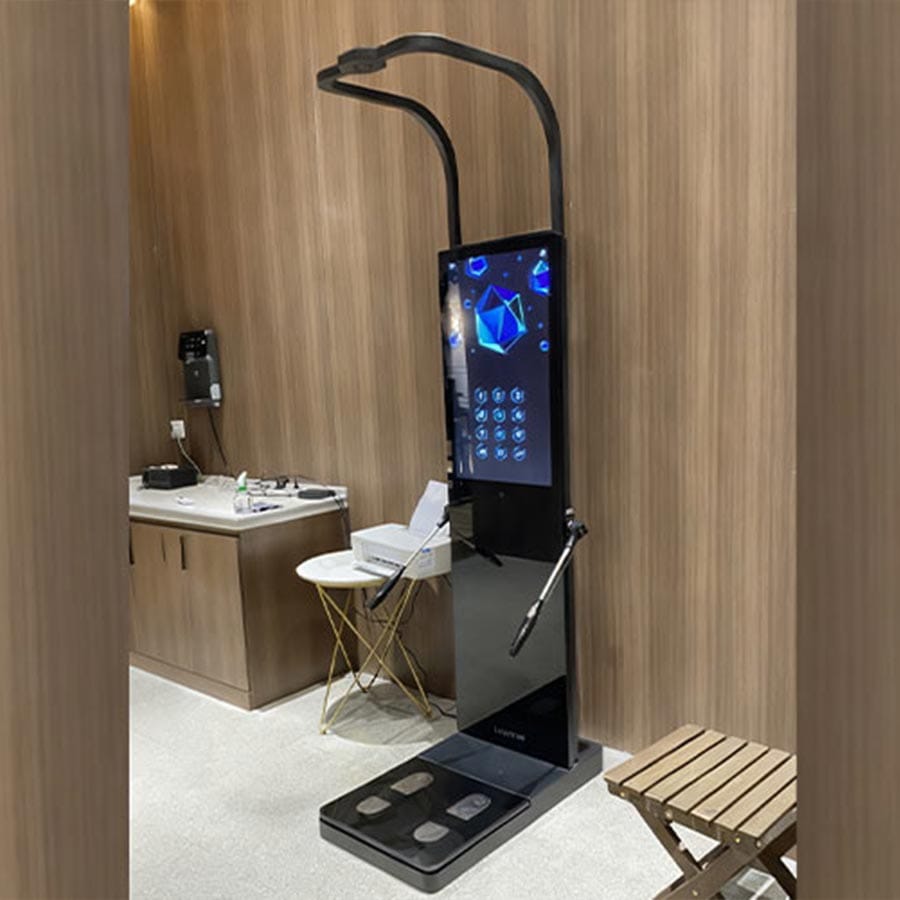
When you step on a scale, all you get is total body weight. But your body isn’t just a number on a scale—it’s made up of fat, muscle, bone, water, and other tissues.
Body composition refers to the proportions of these components. Knowing these details offers far more insight than weight alone. For example:
- High levels of fat mass (FM) are linked with increased risk of cardiovascular disease, type 2 diabetes, and other chronic conditions. PMC
- Lean body mass (muscle and bone) plays a significant role in metabolic health, functional performance, and disease resistance. PMC
Because body composition gives a nuanced picture, it’s rapidly replacing BMI as the go‑to measurement in clinical, athletic, and wellness settings.
The Science Behind Body Composition Analysis
There are several methodologies used to analyze body composition. Each offers varying levels of accuracy, usability, and practicality:
| Method | Measurement Focus | Accuracy | Common Use |
|---|---|---|---|
| BMI | Weight relative to height | Low | Population screening |
| Skinfolds | Fat under skin | Moderate | Field fitness testing |
| BIA (Bioelectrical Impedance) | Body water and fat | Good | Gym or clinical |
| DXA (Dual‑energy X‑ray Absorptiometry) | Fat, lean tissue, bone | Very High | Clinical research |
Note: BMI is convenient, but it often misclassifies individuals because it does not distinguish muscle from fat. PMC
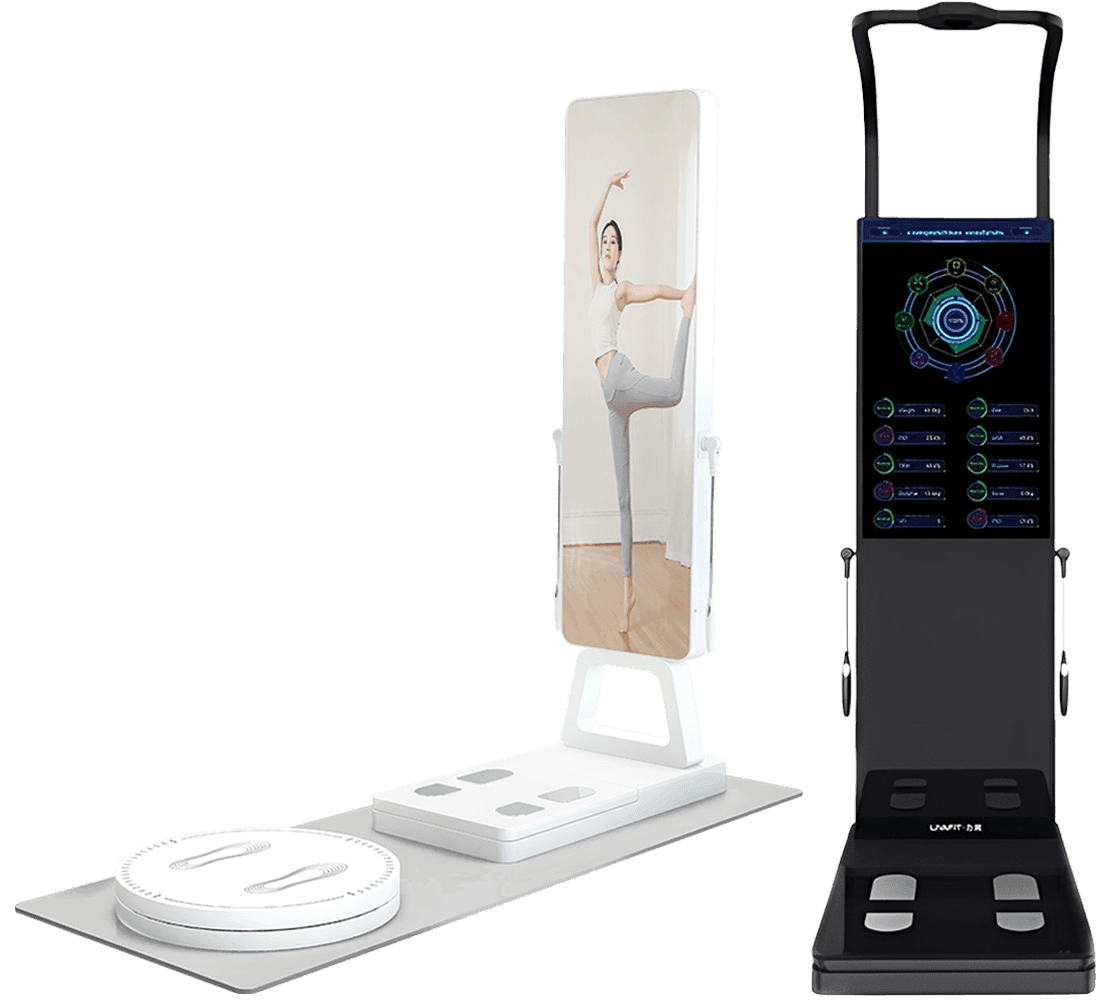
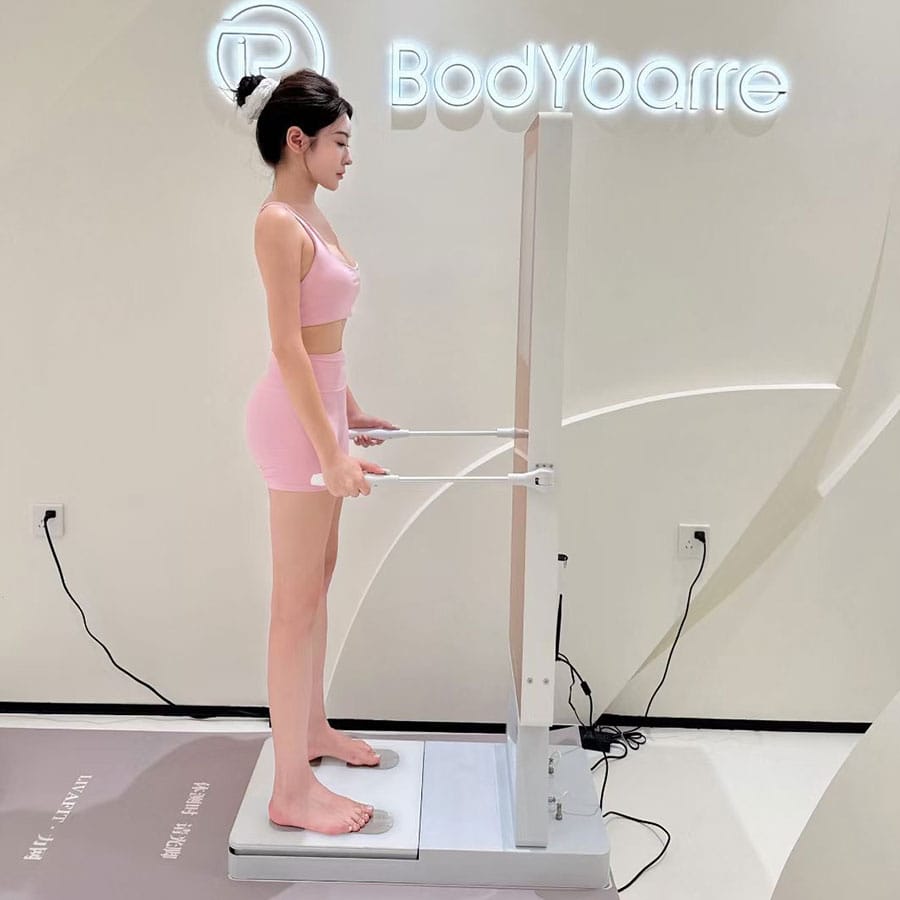
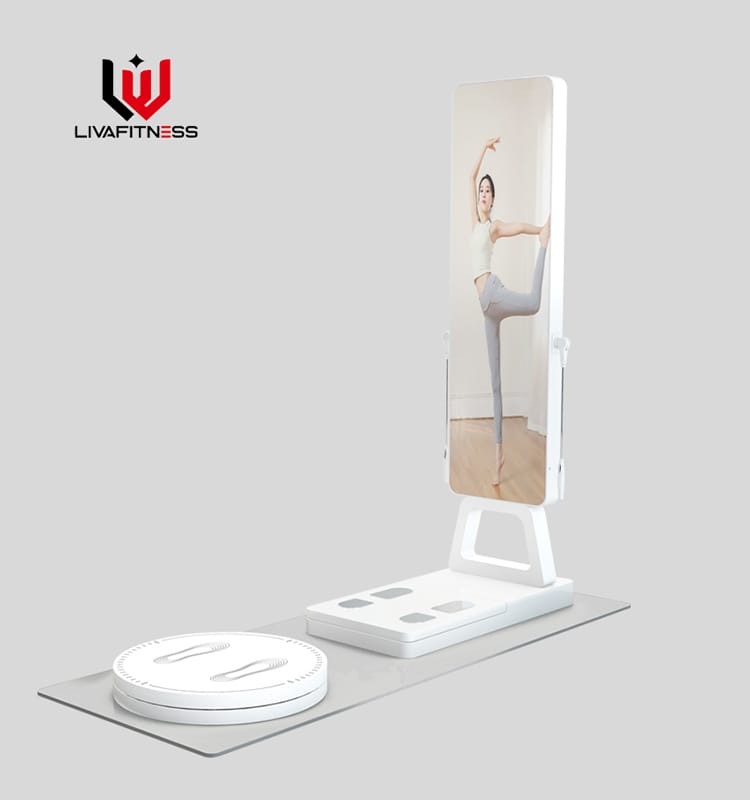
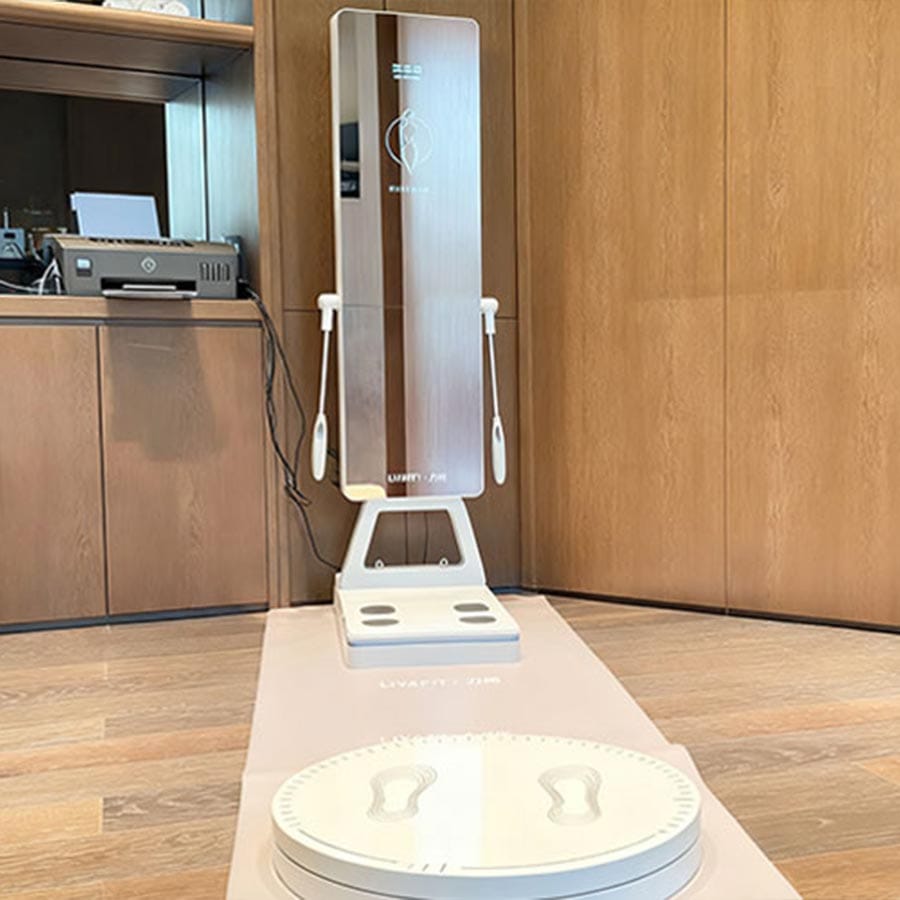
Of the above methods, Bioelectrical Impedance Analysis (BIA) is the most widely used—and the most practical—type of body composition analysis outside of research institutions. This is the technology embedded in professional analyzers you can source from a body composition analyzer manufacturer.
How Body Composition Analyzers Work

At the heart of most consumer and professional models is Bioelectrical Impedance Analysis (BIA):
- A low‑level electrical current passes through the body.
- The analyzer measures resistance (impedance) to this current.
- Because muscle conducts electricity better than fat, the device estimates fat mass, lean mass, and water content.
- Advanced systems can estimate visceral fat, segmental muscle distribution, and more.
This method gives you actionable insight without radiation or complex lab settings—making it ideal for gyms, health clinics, and research.
Real Case Study: Using Body Composition to Improve Client Outcomes
Case: Transforming a Fitness Program with Precise Metrics
Meet Alex, a 42‑year‑old client who came to a fitness coach with a frustration common to many: no change in weight despite months of training and clean eating.
Before Body Composition Testing:
- Weight: 180 lb (82 kg)
- BMI: 26.7 (suggesting “overweight” but ambiguous)
After Body Composition Analysis:
| Metric | Initial | After 12 Weeks |
|---|---|---|
| Body Fat % | 27% | 22% |
| Lean Body Mass | 130 lb | 136 lb |
| Visceral Fat Estimate | High | Moderate |
Using body composition analysis, the coach found that Alex was losing fat and gaining muscle—changes not captured on the scale. The coach adjusted the training and nutrition program to further promote muscle retention, resulting in improved strength, energy, and metabolic health.
Lesson: If you rely on weight alone, you could miss vital changes in health and performance. A quality body composition analyzer from a reputable manufacturer gives you meaningful, actionable data.
How to Choose a Body Composition Analyzer Manufacturer
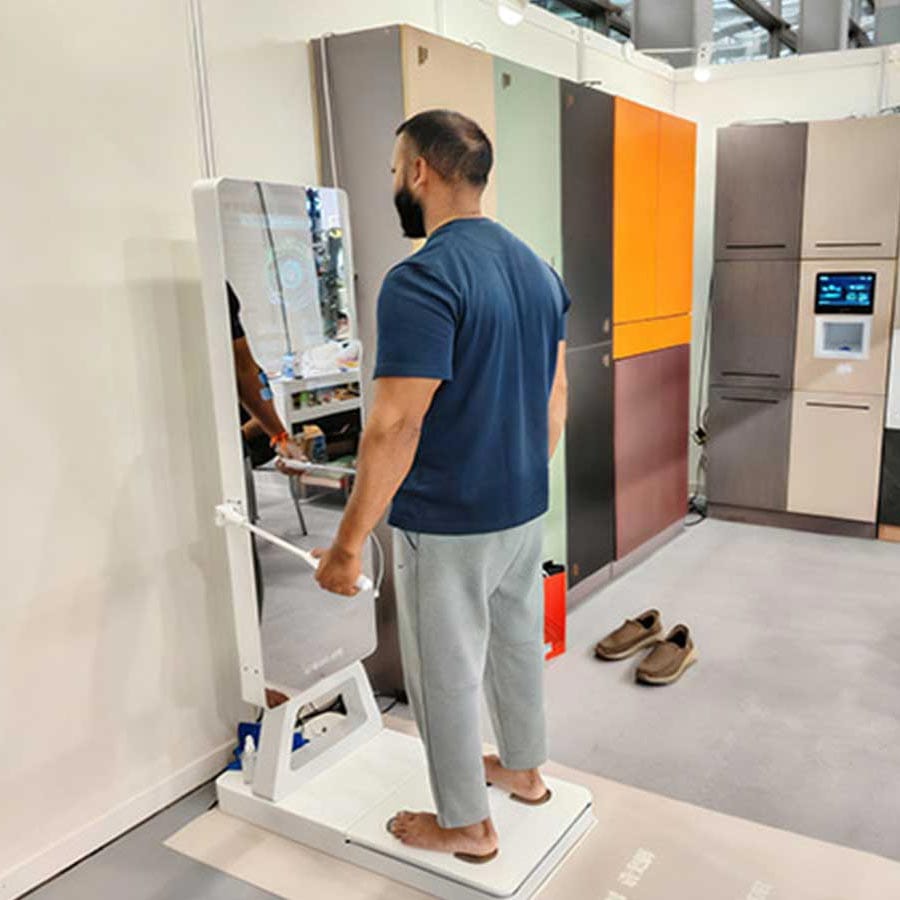
Whether you’re outfitting a new studio, gym, or health clinic, selecting the right manufacturer is critical. Here are 5 criteria you should prioritize:
Accuracy and Validation
Ensure the manufacturer uses industry‑validated technology—especially if the analyzer is used in clinical or research settings.
👉 You can learn more about scientific models for body composition assessment from a review of current methodologies.
(See overview of current methods.)
Features and Metrics
Not all analyzers are created equal. Look for devices that provide:
- Body fat %
- Skeletal muscle mass
- Visceral fat estimate
- Segmental analysis
Advanced features like hydration status and metabolic rate estimation add value.
Ease of Use
Interfaces should be intuitive for both users and staff. Real‑time printouts or mobile app integration enhance the user experience.
Support & Software
Top manufacturers offer regular software updates, remote support, and integration with fitness platforms.
👉 Many manufacturers support software compatibility with electronic health records and fitness apps.
Customer Reviews and Evidence
Before you commit, read real user reviews and case reports. Independent clinical research on body composition can help you validate claims.
(You can explore research on total body composition assessment.)
Body Composition Trends & Market Insights
Here are some key statistics you should know:
- Obesity rates remain high globally, emphasizing the need for precise body composition tracking for prevention and treatment. PMC
- Aging populations show increased body fat and decreased lean mass—a trend you can monitor with regular analytics. PMC
Investing in a high‑quality body composition analyzer provides measurable insight into broader health trends, enabling better planning and client support.
Implementation Tips for You and Your Team
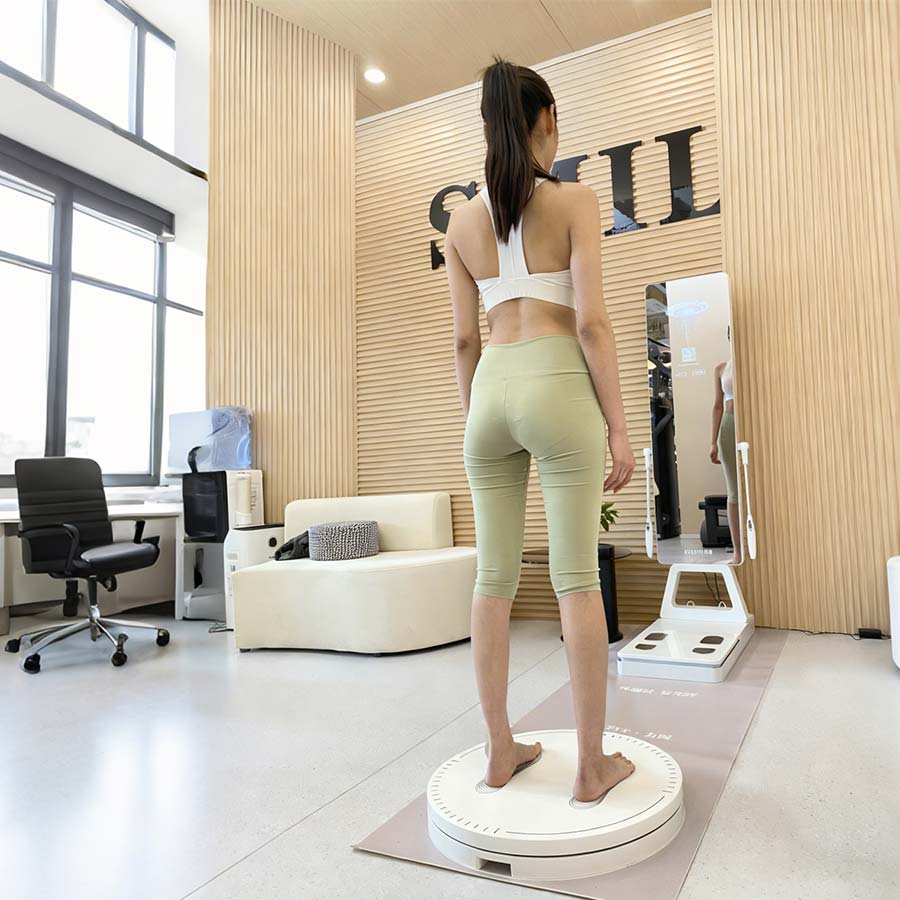
Use analytics to set real goals: Instead of vague targets like “lose weight,” set precise goals like reducing visceral fat or increasing lean mass.
Track trends over time: One measurement is useful, but tracking over weeks and months reveals real progress.
Educate clients: Inform clients about why muscle gain may not immediately show up on the scale—yet still represent major health gains.
Conclusion
Understanding body composition transforms how you view fitness and health. With precise data, you can tailor programs that drive real progress—whether you’re helping clients lose fat, build muscle, or optimize metabolic health. Choosing the right body composition analyzer manufacturer is an investment that pays dividends in client satisfaction and measurable results.
FAQ
What’s the difference between body composition and BMI?
Body composition breaks down muscle, fat, bone, and water—while BMI only calculates weight relative to height without detailing body tissues.
Are body composition analyzers accurate?
Professional BIA systems are reliable when used correctly. DXA in research settings is more precise, but impractical for everyday use.
How often should I measure body composition?
Every 4–6 weeks is ideal to capture meaningful changes while avoiding short‑term noise.
Can hydration affect results?
Yes. Hydration status influences impedance readings, so ensure consistent conditions (e.g., same time of day, pre‑exercise).
Should everyone use a body composition analyzer?
Absolutely—even non‑athletes benefit from deeper insight into their health beyond what a scale provides.