

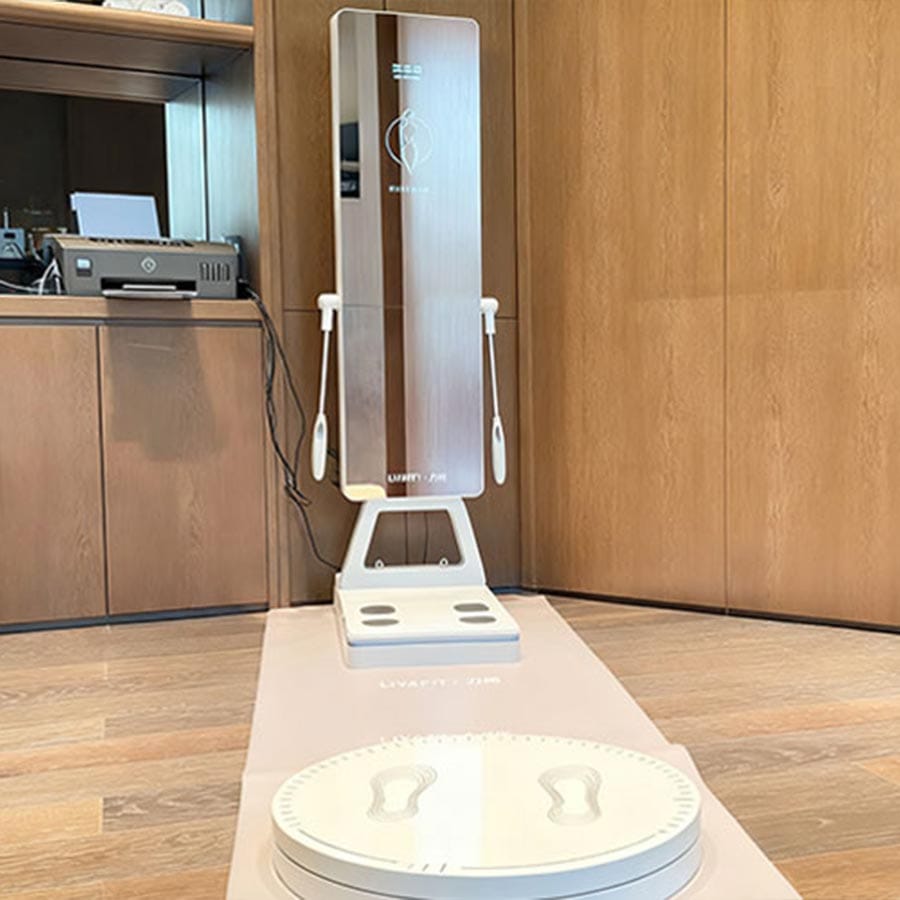

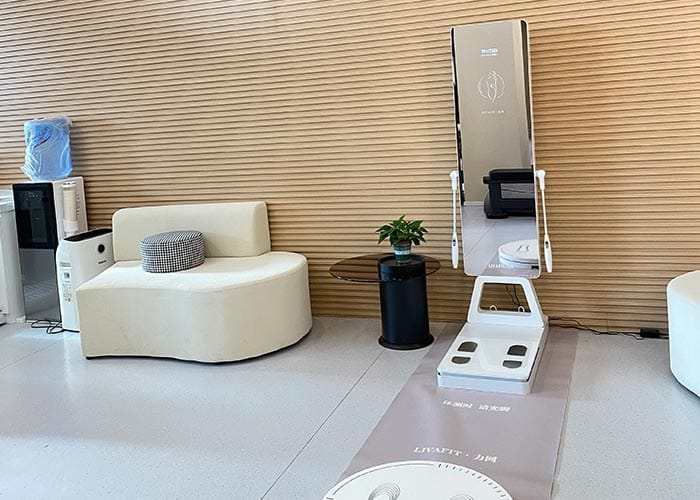
When you stepped on a scale this morning, you saw a number — your body weight. But weight alone doesn’t tell the whole story of your health and fitness. What if you could see beyond weight to understand your body fat percentage, muscle mass, metabolic balance, and progress over time? That’s where a bioelectrical body fat analyzer becomes a game‑changer for anyone serious about transforming their body — whether you’re training for performance, managing weight, or improving overall health.
Table of Contents
What Is a Bioelectrical Body Fat Analyzer — and Why It Matters
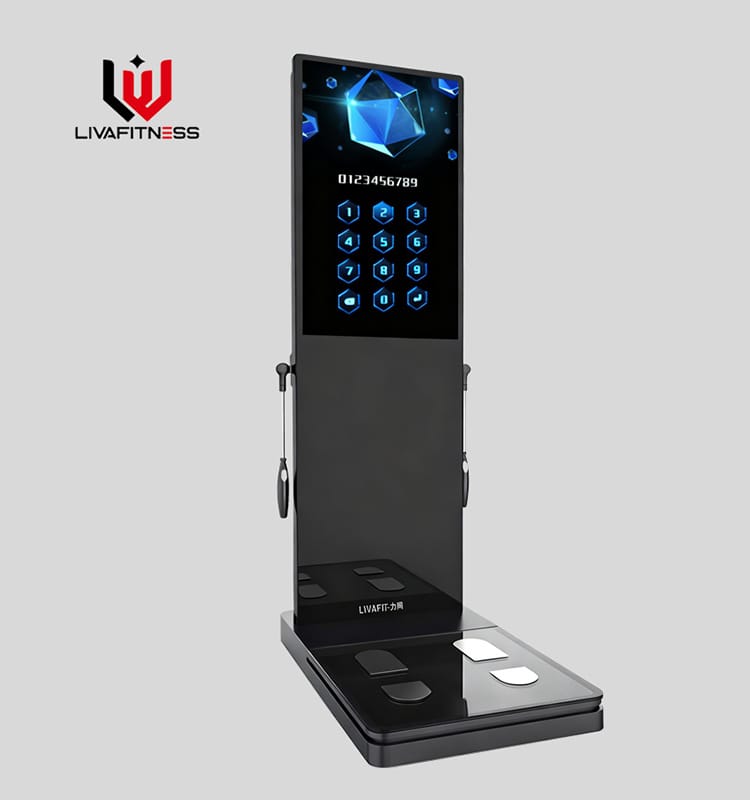
At its core, a bioelectrical body fat analyzer estimates your body composition using a small electrical current transmitted through your body. Fat and lean tissues conduct electrical currents differently. Your analyzer measures this impedance, then converts it into useful body composition metrics such as:
- Body Fat Percentage (%BF)
- Fat Mass (FM)
- Fat‑Free Mass (Lean Tissue)
- Total Body Water (TBW)
- Basal Metabolic Rate (BMR)
- Segmental Lean/Muscle Mass
These details give you a much clearer picture of metabolic health than weight alone. According to fitness data resources, these analyzers give you estimates of Fat Mass (FM), Fat‑Free Mass (FFM), and Total Body Water (TBW) among other measurements.
Why Bioelectrical Impedance Is Better Than Weight Alone
Most people fall into two traps:
- Relying on weight changes alone — which doesn’t differentiate between fat and muscle
- Assuming all fat is equally unhealthy — while visceral fat carries higher health risk than subcutaneous fat
Your body composition — not just weight — helps you make informed decisions about nutrition, workouts, recovery, and long‑term health goal setting.
How Bioelectrical Body Fat Analysis Works (Simple Science)
The principle is called Bioelectrical Impedance Analysis (BIA):
- A harmless, low‑level electrical current passes through your body
- The analyzer measures the resistance (impedance) the current encounters
- Because fat resists more current than muscle and water, the device can estimate fat mass and lean mass
- Algorithms then combine impedance data with your height, weight, age and sex to estimate body composition
This method is widely described in medical literature and clinical validation studies. Given the right conditions and good device quality, BIA is a valid way to estimate body composition changes over time.PMC
Factors That Influence Your Measurement Accuracy

Understanding the variables that impact your results will help you get more consistent and trustworthy data.
| Factor | Effect on BIA Result |
|---|---|
| Hydration Level | Major impact — dehydration can inflate fat percentage readings while overhydration can do the opposite. |
| Time of Day | Morning readings after wake‑up are usually more stable |
| Food and Drink Intake | Eating before measurement can change fluid distribution.Vibes News |
| Recent Exercise | Shifts water between tissues, can influence impedance readings.Vibes News |
| Body Position | Standing vs. lying can change measurement results |
| Menstrual Cycle | Hormonal changes can affect water retention |
| Skin Temperature | Warmer skin conducts electricity better |
To minimize errors, always measure at similar times, under similar conditions, and ideally before eating or exercise. These practices help ensure data consistency and trend accuracy.
Comparing Bioelectrical Body Fat Analysis to Gold Standards
While BIA is accessible and convenient, you might wonder how it compares to clinical body composition tests.
Comparison Table: BIA vs. Clinical Methods
| Method | Accessibility | Accuracy | Best Use Case |
|---|---|---|---|
| BIA (Bioelectrical) | High (portable & affordable) | Moderate, but improves with multi‑frequency devices | Tracking trends over time |
| DXA (Dual‑Energy X‑Ray Absorptiometry) | Low (clinical setting) | High | Clinical assessment & research |
| Hydrostatic Weighing | Low | High | Scientific body composition studies |
| Air Displacement Plethysmography | Moderate | High | Lab or specialized clinics |
Clinical tests like DXA remain the gold standard, but BIA gives you real‑world, repeatable measurements that help you track progress reliably. Studies show that advanced BIA devices can approximate body fat percentages with acceptable accuracy when used consistently under controlled conditions.PMC
Data‑Driven Case Studies: How BIA Helps You Track Real Progress
Let’s look at how a bioelectrical body fat analyzer helped actual users understand their progress over time.
Case Study 1: Weight Loss with Body Composition Shifts
Profile:
- Age: 35
- Sex: Female
- Starting Weight: 170 lbs
- Goal: Reduce body fat and improve muscle tone
| Week | Weight (lbs) | Body Fat % | Lean Mass (lbs) |
|---|---|---|---|
| Baseline | 170 | 36% | 108 |
| Week 4 | 168 | 35% | 109 |
| Week 8 | 165 | 33% | 112 |
| Week 12 | 162 | 31% | 115 |
Outcome: Even though weight dropped modestly, body fat decreased significantly, while lean mass increased — a clear sign of fat loss + muscle gain.
Case Study 2: Plateau Breakthrough Using Precision Tracking
Profile:
- Age: 42
- Sex: Male
- Training Focus: Strength Training
- Starting Body Fat: 28%
| Month | Body Fat % | Total Weight (lbs) |
|---|---|---|
| 0 | 28% | 200 |
| 1 | 27% | 200 |
| 2 | 26.8% | 199 |
| 3 | 26.2% | 199 |
Insight: Weight barely changed, but body fat dropped — classic sign of recomposition rather than only weight change.
How to Interpret Your Analyzer Readings
Knowing what the numbers mean gives you meaningful insights:
Body Fat Percentage (%BF)
- 25–30% in men: moderate
- 18–25% in women: moderate
(Ranges vary based on age and activity levels — use them as general guidelines)
High %BF suggests excess stored energy (fat), while low %BF combined with strong lean mass often indicates a fit profile.
Lean Mass
Lean mass includes muscles, organs, bones, and body water. An increase usually reflects:
- Muscle gain
- Improved metabolic health
- Better recovery and performance
Total Body Water (TBW)
TBW helps gauge hydration, which directly affects BIA readings. Keeping hydration consistent makes your tracking more reliable.
Pro Tips to Maximize Analyzer Accuracy
Here’s how to squeeze the most dependable data out of your device:
- Measure first thing in the morning
- Avoid heavy meals or workouts before measuring
- Keep hydration consistent
- Use the same device every time
- Record measurements in a dedicated log or app
- Combine with physical measurements like waist circumference
Common Mistakes People Make (and How to Avoid Them)
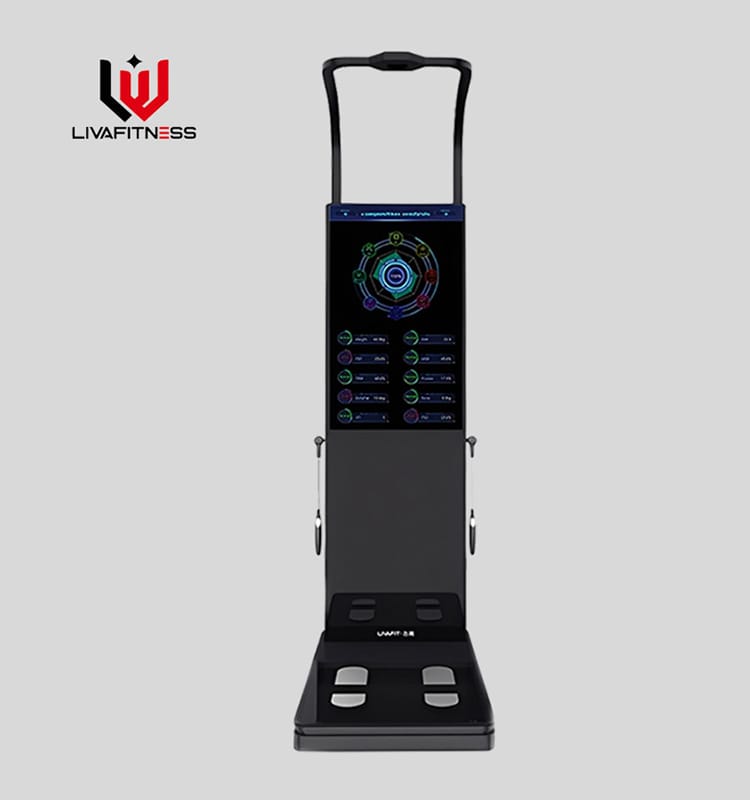
Mistake #1: Expecting absolute precision
BIA provides estimates, not surgical accuracy.
Mistake #2: Measuring inconsistently
Changing conditions (hydration, food intake) skews results.
Mistake #3: Ignoring patterns
Weight can be stable while body composition shifts.
Mistake #4: Comparing results from different devices
Stick with one analyzer for trends.
Conclusion
If you want actionable insights into your body beyond mere weight, a bioelectrical body fat analyzer is one of the most practical and cost‑effective tools available. Its power is not in pinpoint numerical perfection — but in consistent trend tracking, improved decision‑making, and personal empowerment.
By understanding how your body changes over time, you can tailor your workouts, nutrition, and recovery for real results — and feel confident about it.
Start tracking smarter, not just lighter.
FAQ
Q: Is a bioelectrical analyzer safe?
Yes — the electrical current is extremely low and safe for most people. However, individuals with implanted devices like pacemakers should consult a physician before use.Verywell Fit
Q: How often should I measure?
Weekly or bi‑weekly measurements under consistent conditions give you the clearest trend data.
Q: Does hydration affect my readings?
Absolutely. Hydration status significantly impacts electrical conduction and, therefore, your results.
Q: Can BIA replace clinical methods like DXA?
No. Clinical methods remain more precise, but BIA is useful for ongoing home tracking and trend analysis.PMC
Q: Why does body fat % vary day to day?
Fluid shifts, food, and recent activity can cause neutral variance. Focus on lasting trends rather than daily fluctuations.
Q: Should I track body fat if I’m losing weight?
Yes. Body fat percentage tells you whether you’re losing fat vs. muscle.